Scientists discover how to make perovskites more eco-friendly
Pamela Largue
Posted on: 24 February 2023
Scientists have discovered a method that enables non-toxic metals to be used in the capping layer of perovskite solar cells.
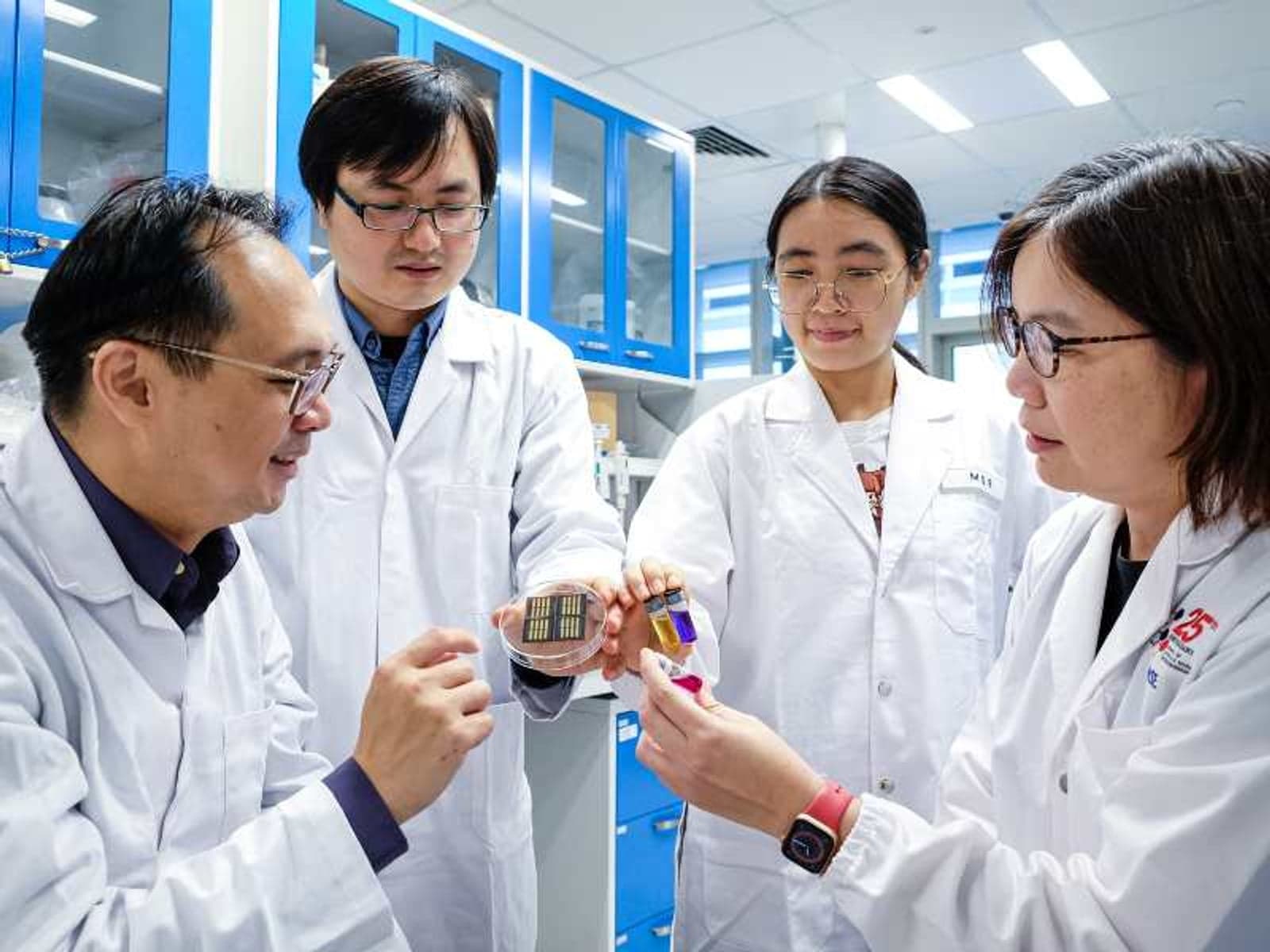
Scientists have discovered a method that enables non-toxic metals to be used in the capping layer of perovskites.
Despite the performance and efficiency of perovskite solar cells, small amounts of lead are used in both the perovskite material and a compound used to make a component of the solar cell known as the capping layer.
There is a concern that this small amount of lead could pollute the environment if the solar cell is discarded or damaged.
To combat this problem, researchers at the Nanyang Technological University, Singapore (NTU Singapore) and the Institute of Materials Research and Engineering at the Agency for Science, Technology and Research in Singapore have discovered a way of capping materials based on non-toxic metals.
Their study was recently published in Nature Energy in February 2023 and according to the researchers could take perovskite solar cells one step closer to the market.
Have you read?
Project InnerSpace in metadata bid to boost geothermal growth
Pioneering hydrogen training centre launches in Thailand
A lead-free capping layer
The researchers explain that perovskite solar cells are made of several layers of materials, including a perovskite layer that harvests light and a capping layer.
The capping layer is coated onto the perovskite layer to protect the solar cell from environmental stresses and to boost cell performance.
According to the NTU scientists, they have devised an approach, known as a full precursor (FP) solution method, to synthesise a capping layer that does not contain lead thereby making perovskite cells more environmentally friendly.
Using the FP method, the scientists coated perovskites with solutions containing metal halide salts and phenethylammonium iodide (PEAI).
The researchers found that a zinc-based compound PEA2ZnX4 synthesised using the method was the most effective capping material among the other materials tested.
Using the FP method, the scientists created a 1 inch by 1 inch prototype solar cell capped with the zinc-based compound.
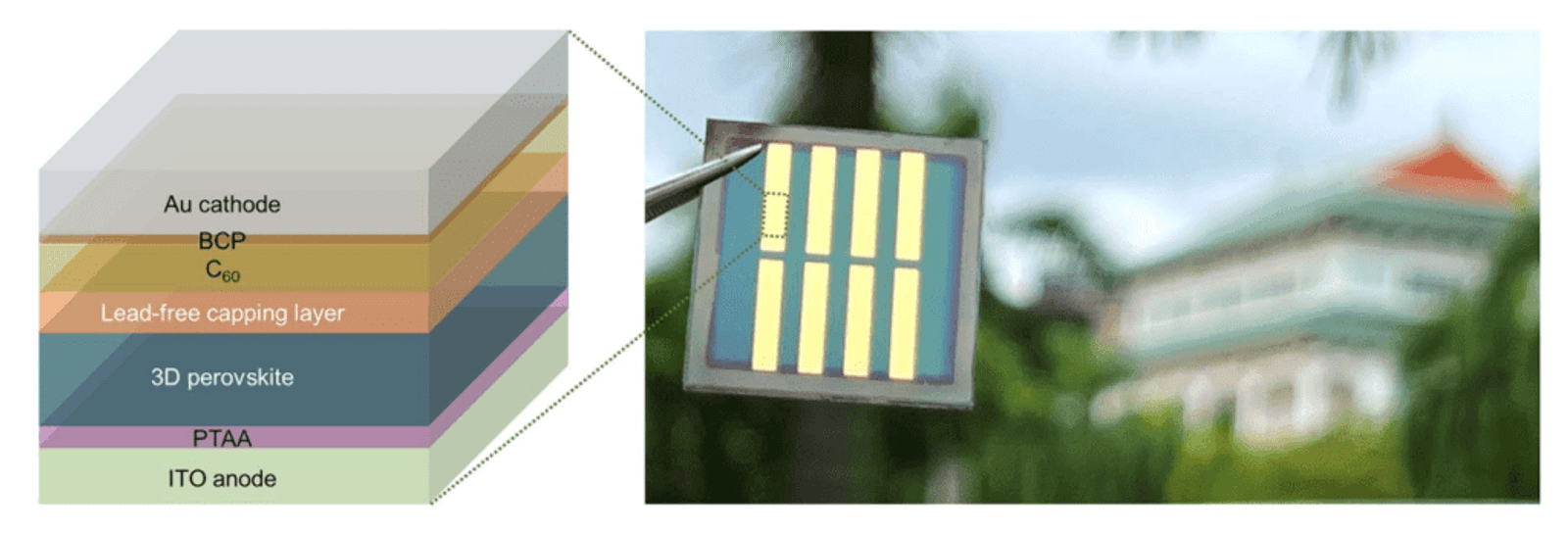
The scientists examined the zinc-based capping layer and found that it did not affect the electrical properties of the underlying perovskite layer.
The capping layer also helped to cover defects on the surface of the perovskite layer and improved its light-harvesting capabilities and performance.
The researchers stated that their prototype demonstrated good reproducibility, with an average light conversion rate of almost 23% over 103 cells tested.
“One of the biggest drawbacks of using perovskite solar cells is their impact on the environment. By enabling zinc and other non-toxic metals to be used in the capping layer, our innovation potentially solves a major obstacle that prevents the widespread use of perovskite solar cells,” said Dr Ye Senyun, research fellow from NTU’s School of Physical and Mathematical Sciences, one of the lead researchers of the study.
The scientists are working on scaling up the method, as well as filing a patent with NTUitive, NTU Singapore’s innovation and enterprise company.
Want to hear more about perovskite? Check out our podcast here.