Researchers monitor grid stability with hydropower signals
Power Engineering International
Posted on: 14 February 2024
US researchers have created a new method to predict electric grid stability in real time using signals from pumped storage hydropower facilities.
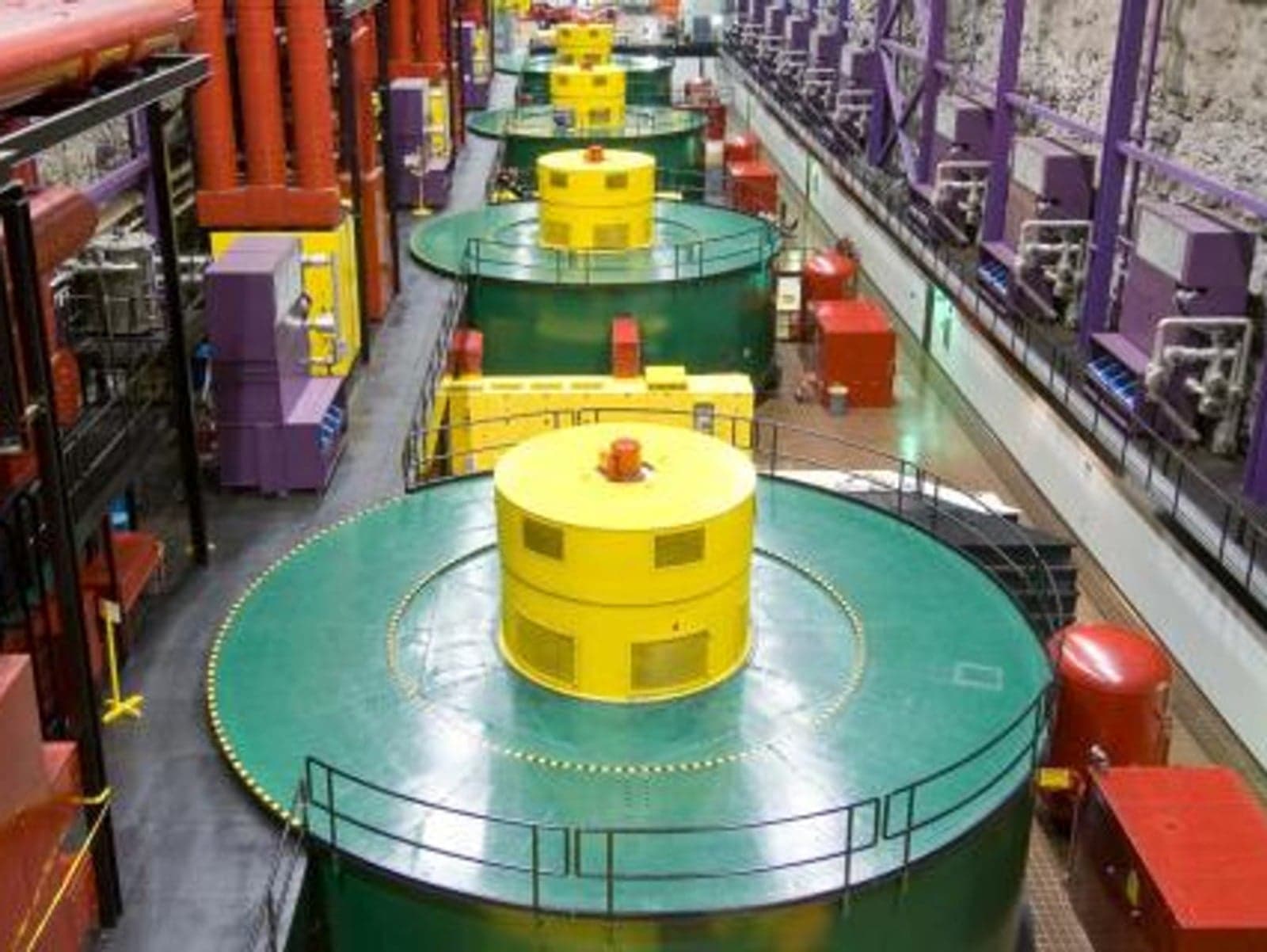
US researchers have created a new method to predict electric grid stability in real time using signals from pumped storage hydropower facilities.
The researchers at the Oak Ridge National Laboratory (ORNL) and the University of Tennessee, Knoxville (UT) have developed an algorithm that uses signals from pumped storage hydropower along with data from grid sensors to produce real-time estimation of the grid inertia.
With increasing intermittent renewable generation, such real-time situational awareness is increasingly critical for grid stability.
Yilu Liu, UT-ORNL Governor’s Chair for power grids who has led the project, explains that when the hydropower facility pumps shut down, they almost always stop at a fixed power level.
Have you read?
Low Carbon Innovation Fund invests in scalable pumped hydro
Endesa models hydroelectric plants with digital twins
“That’s a very defined signal on the grid that can help us calculate overall inertia. What we’re providing will become more and more important for grid situational awareness as the system grows increasingly reliant on renewables.”
While inertia is used to maintain the balance between supply and demand, renewable sources such as wind and solar provide only a minimal amount as they are connected to the grid using inverters that convert the DC generation to the AC power for transmission.
Thus renewables-powered grids have less tolerance to abrupt change such as storm damage or unusual demand peaks.
In the project, the researchers created a visualisation interface to monitor the inertia and enable operators to better prepare for potential grid instability.
The new method with the FNET/GridEye sensing and measurement system was validated with the help of utilities and power regulating authorities in the western and eastern US where pumped storage hydropower is most prevalent.
The visualisation tool is currently being demonstrated to utilities and grid coordinating authorities such as the North American Electric Reliability Corporation.
Originally published on smart-energy.com