Siemens Energy reports $5bn loss as Berlin steps in with $8bn 'safety net'
Yusuf Latief
Posted on: 15 November 2023
To help fight back what is being called Europe’s largest energy technology order backlog| Germany’s Federal government is stepping in.
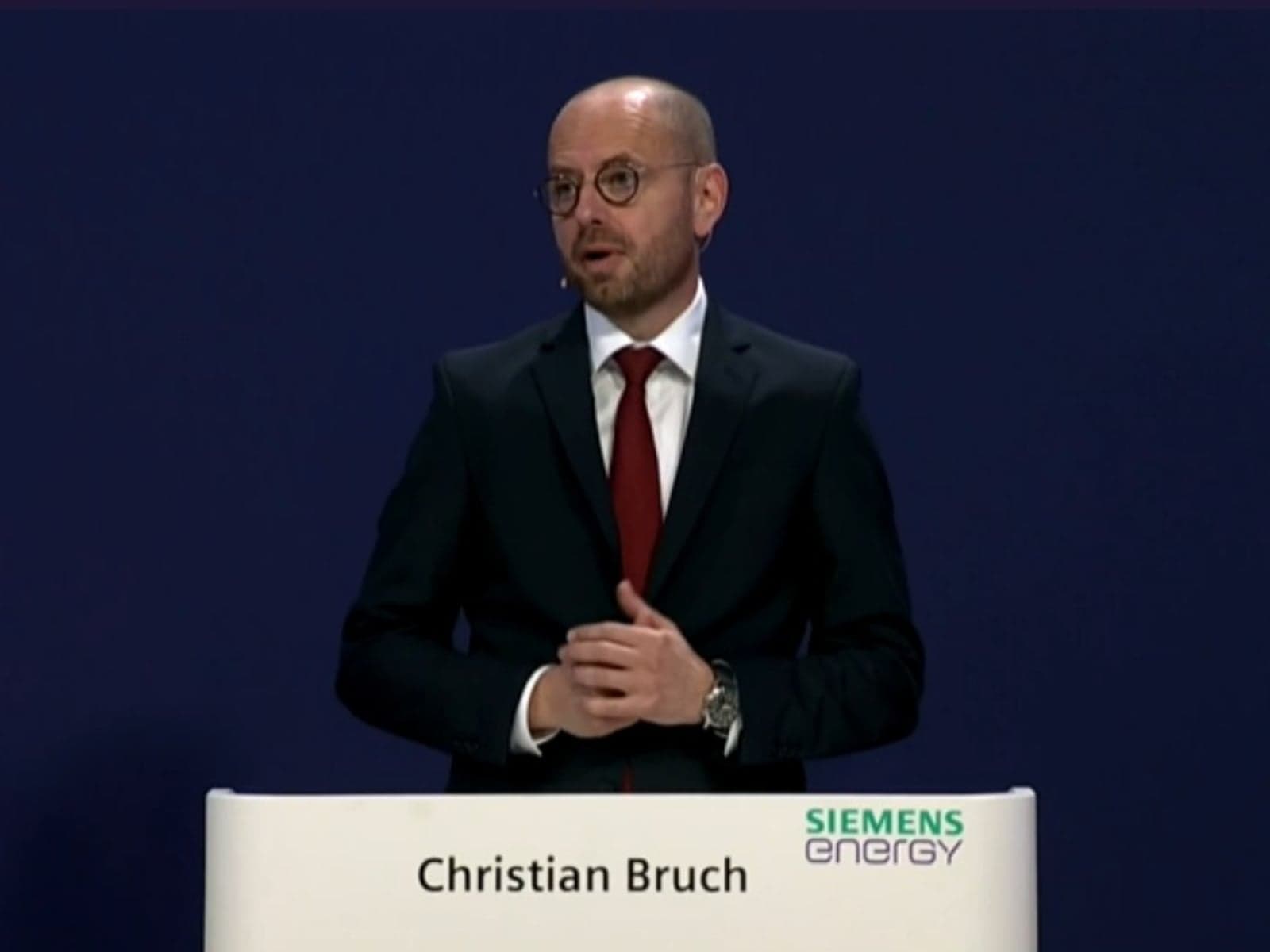
To help counter what has been called Europe’s largest energy technology order backlog, Germany’s Federal government is stepping in to offer a 'safety net' to Siemens Energy.
The announcement comes on the back of the company reporting a net loss of €4.5 billion ($5 billion) for the 2023 fiscal year, alongside an order backlog of €112 billion ($121.6 billion).
Germany’s Federal government is providing a counter guarantee to support Siemens Energy worth €7.5 billion ($8.1 billion) as part of a guarantee structure between the company and its partners.
Officially announced during the company's Q4 media briefing, the financing was agreed upon to re-insure the tech company.
“The demand for our technologies and products is huge," said Siemens Energy chief executive Christian Bruch. "Our backlog is €112 billion. It is industry practice to offer guarantees to ensure potential customer requirements are met. These serve to protect downpayments, performance or warranty claims.”
Have you read:
Siemens Energy and Air Liquide inaugurate 1GW electrolyser factory
Siemens Energy and Corre Energy partner on multiday compressed air energy storage
Bruch stressed: “It is not a loan." He added: “It is important to be able to cover our huge incoming orders, in particular the wind area.
"Our backlog is so high, the minister for justice actually referred to it as ‘clump risk’, because we have the largest backlog in energy technology in Europe.”
Under the agreement, Siemens Energy will receive a €12 billion ($13 billion) guarantee line from the banking consortium, with Berlin’s €7.5 billion counter guarantee provided to the banks in order to ensure the guarantee line is successful.
“The Federal government has now offered us and our banks an instrument that will allow us to have this safety net for the next two years.
“This is linked to growth in a difficult phase. Our wind energy area is of course problematic, but this offers us coverage and a safety net.”
Rethinking wind strategy
According to a Siemens Energy statement, although the company has seen a success of 70% of its businesses within the 2023 financial year, that success has been offset by continued difficulties with its wind business.
The company said charges for quality issues in the onshore business, increased product costs and ramp-up challenges in the offshore business, severely impacted their financial results and will continue to impact the group's profitability in the near to mid-term.
Adding on to this, break-even at Siemens Gamesa, initially hoped for 2024, is now expected in fiscal year 2026.
Bruch called the set-back “very painful”, necessitating a review of the company’s strategies in the wind areas.
This would include aspects such as “which products we will be using and selling, what are long term profitable markets and how can we further optimise and reduce costs".
He said the review "is being carried out now: it’s going to take quite some time, it won’t happen overnight".
Bruch added that “as in the other areas, it’s the question of focusing on the most important things and working on them with discipline".
“The industry is currently at a watershed moment, many things are being paused, many wind projects are being paused. We need adjustments and tender condition and requirements if we want to expand wind energy generation fast.
“The other businesses of Siemens Energy ensure the survival of Siemens wind business area and we need to come to a positive result as quickly as possible.”
Strategic decoupling
Announced at the same time as the Federal safety net, and as part of measures to support the stability of Siemens Energy, Siemens - which which still holds a 25% per cent stake in Siemens Energy - announced its intentions to acquire an 18% stake in Siemens Ltd India from Siemens Energy for a cash price of €2.1 billion ($2.3 billion).
The purchase will be done via a share purchase agreement with Siemens Energy, increasing Siemens’ stake in the publicly listed company from 51% to 69%, with Siemens Energy’s stake decreasing from 24% to 6%.
Bruch said: “For our shareholders, the accelerated demerger of Siemens Ltd India’s energy activities will further sharpen the portfolio focus of Siemens. It also simplifies and strengthens our corporate structure in India, a fast-growing and strategically important market.”
As a next step, Siemens and Siemens Energy have agreed to propose to the Board of Directors of Siemens Ltd India a demerger of the energy business.
Siemens Energy is to ultimately acquire a controlling stake in the demerged energy business.
The aim is to complete the demerger in 2025 – significantly earlier than previously planned.
“It’s not a question of how we operate in India, India is a key market for us and it will remain so. It means that we have cash inflow of €2.1 billion. In total, we expect cash inflows `between €2.5 billion ($2.7 billion) and €3 billion ($3.3 billion) in 2024,” added Bruch during the media debriefing.