Siemens to begin manufacturing solar inverters in the US
Power Engineering International
Posted on: 16 August 2023
The facility is projected to begin production in early 2024 and will scale up to a capacity of 5|200 BPTL3 string inverters (800MW) per year.
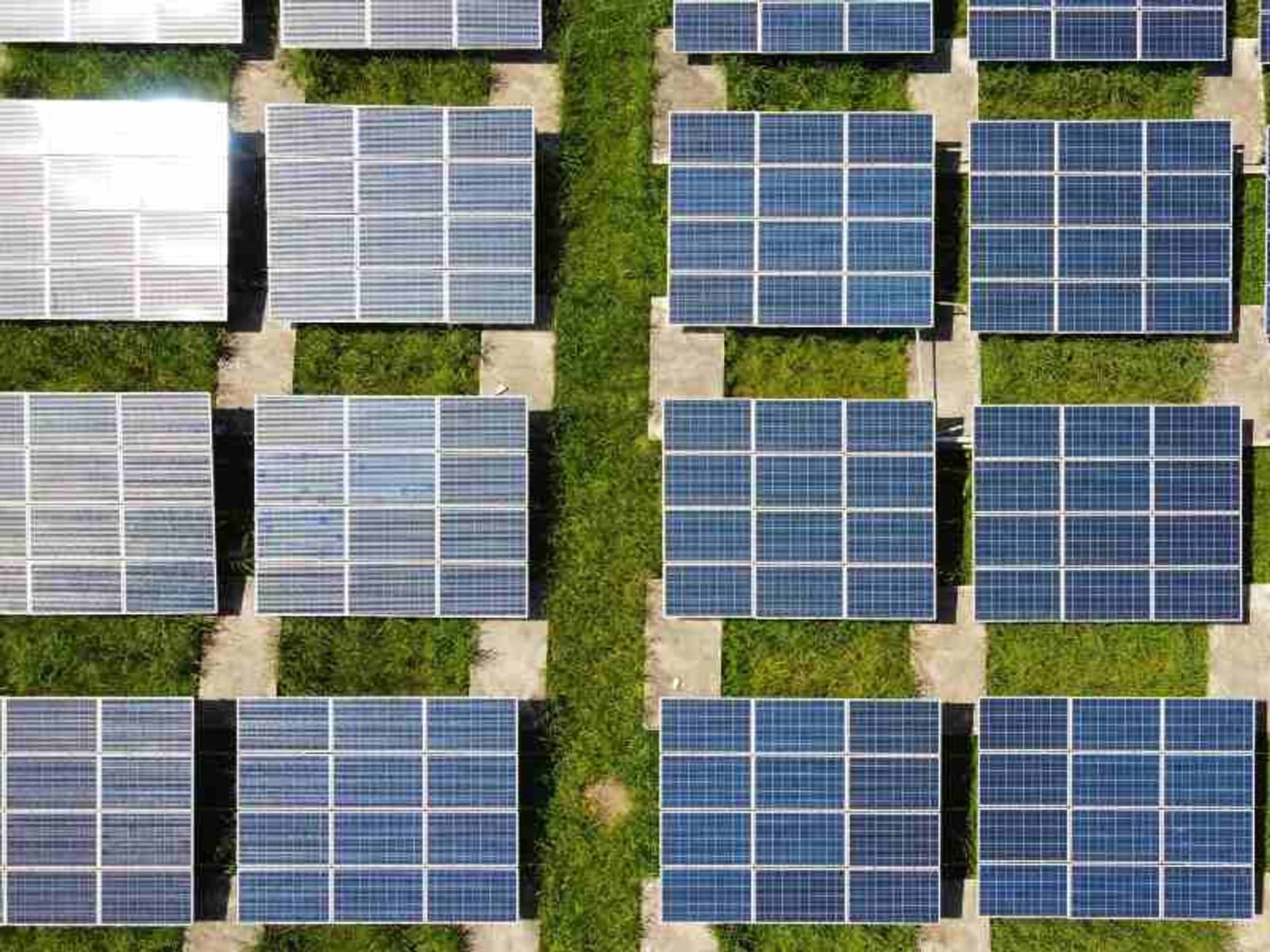
Siemens has announced it will begin manufacturing photovoltaic string inverters in Kenosha, Wisconsin, where the company will produce utility-scale solar components specifically designed to serve the US market.
The Kenosha facility, owned and operated by the company’s long-time manufacturing partner Sanmina, is meant to help meet increased demand for localised production of critical parts for photovoltaic projects while helping customers take advantage of the full value of solar tax credits and domestic content incentives.
Operations at the Kenosha facility will be the newest addition to Siemens’ growing US footprint. Over the past four years, Siemens has invested $3 billion to expand US manufacturing and other strategic M&A activities.
Have you read?
US commits $1.2bn to advance direct air capture projects
Avangrid unveils Vineyard Wind 1 offshore substation
“According to the Solar Energy Industries Association (SEIA), the total number of installed US solar fleets is expected to grow fivefold from 2022 to 2033, and with tax credits now available due to the Inflation Reduction Act, that demand will only get stronger,” said Brian Dula, vice president of the electrification and automation business at Siemens Smart Infrastructure USA.
The facility is projected to begin production in early 2024 and will scale up to a capacity of 5,200 BPTL3 string inverters (800MW) per year. The string inverters, which will range from 125 to 155kW, will be manufactured with a California Energy Commission efficiency of 99%. The inverters are designed for 1000- or 1500-Volt DC solar array input and can be utilized for either decentralized or ‘virtual central' design architectures.
Work at the facility will create up to a dozen jobs during its initial ramp-up period, with plans to grow this number at the facility and through the regional supply chain in the future, according to Siemens.
One year anniversary of the IRA
It has been a year since the Inflation Reduction Act was signed into law, with some suggesting it has ushered in a manufacturing renaissance and provided the US with a competitive advantage over Europe.
Through tax incentives and funding opportunities, the clean energy sector has been a hive of activity since the Act came into effect.
According to the US Department of Energy, over the past 12 months, the IRA has resulted in over 75,000 new jobs being created in the battery supply chain, over 80 new or expanded EV component or assembly plants, and solar energy investments amounting to enough solar power for 12 million additional homes each year.
A version of this story was originally published by Sean Wolfe on renewableenergyworld.com