Home
/
Site visit: How Siemens Energy is future-proofing the gas turbine with hydrogen in Berlin
Site visit: How Siemens Energy is future-proofing the gas turbine with hydrogen in Berlin
Kelvin Ross
Posted on: 18 November 2022
The company has a blueprint to evolve its business and people by pushing the boundaries of technology.
The company has a blueprint to evolve its business and people by pushing the boundaries of technology
Few locations better distil the essence of the energy transition than the Berlin gas turbine factory of Siemens Energy.
Founded in 1904, the facility first built 1MW steam turbines, moved into gas turbines in the 1970s, and today builds equipment close to 600MW with record-breaking efficiencies.
And now, says Kolja Schwarz, Vice-President Berlin, the next stage is evolving not just the turbines, but the whole facility itself.
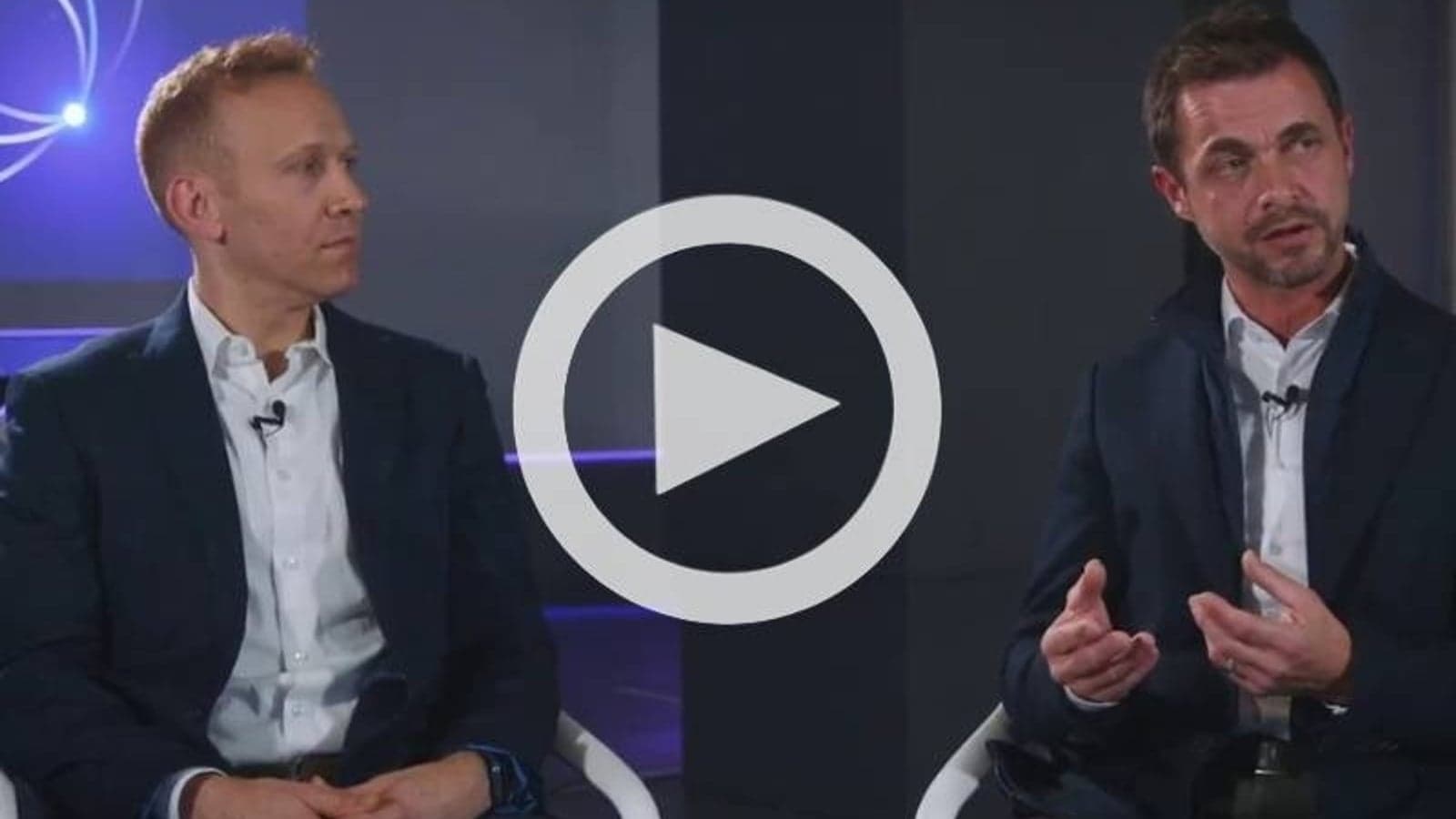
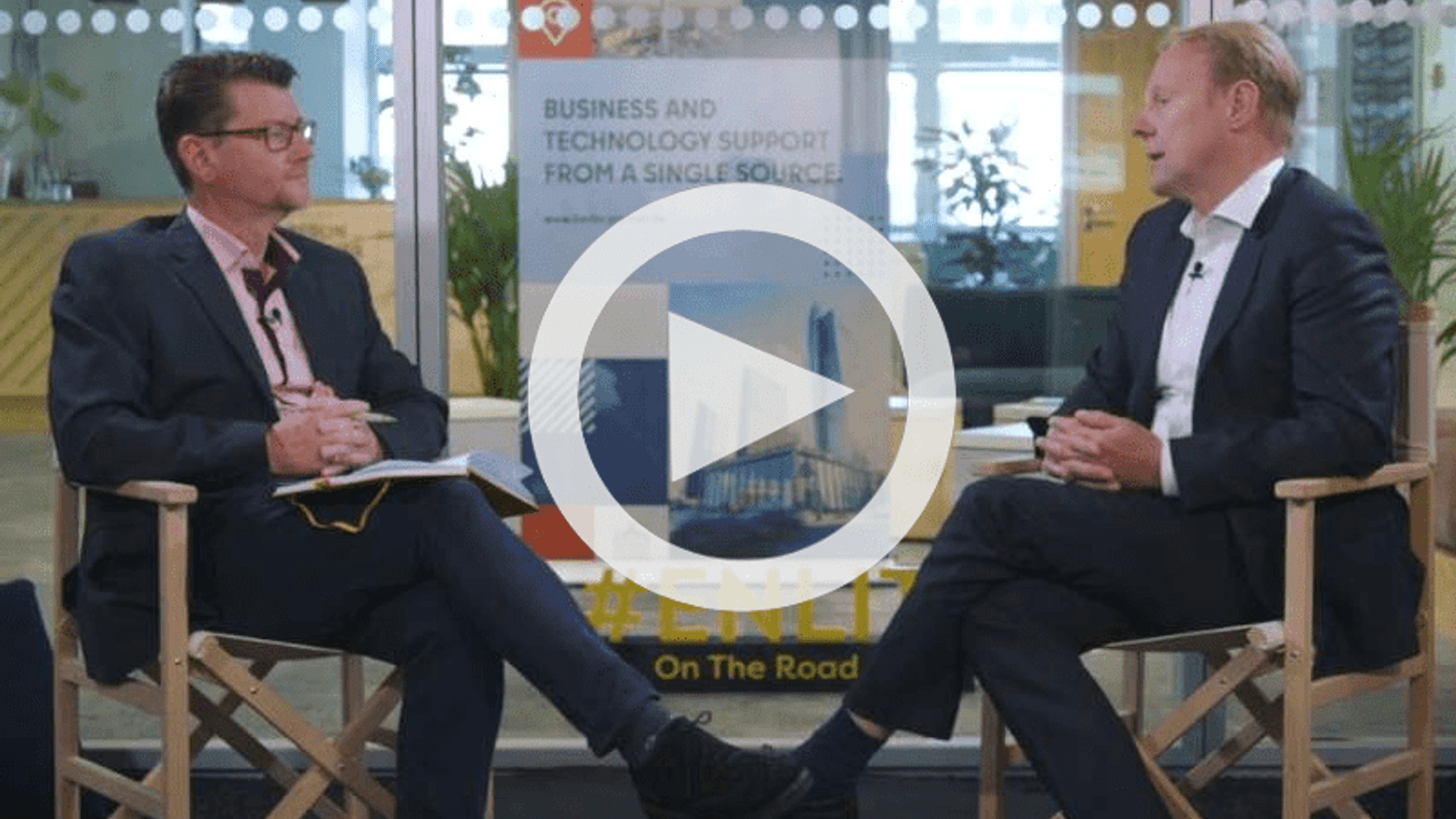
In our exclusive video report, shot during Enlit on the Road Berlin, he explains how the “cycles of change” in the energy sector are becoming shorter and reveals how the Berlin site plans to take a progressive step towards these cycles by adding new business components.
Nadia Hädrich, Strategic Project manager at the Berlin site, picks up the story to detail how the facility will expand into electrolyser stack production, and adds that the company is establishing an ‘education house’ to ensure all employees and partners are up to speed with innovations, not just in gas turbines, but also the wider energy transition.
Also of interest:
We need honesty over the end cost of net zero say Siemens Energy bosses
Karim Amin: Five uncomfortable truths about the energy transition
Hybrid power plants: Tailoring technology to deliver decarbonisation
And for the gas turbines that are the lifeblood of the Berlin business, the next innovation is hydrogen. Schwarz says the company has developed a hydrogen-ready strategy across all its plants, future-proofing Siemens Energy against stranded assets.
He explains that being able to burn hydrogen in the combustion system of the turbines has only been made possible by additive manufacturing, an area which has become a centre of excellence for the Berlin factory.
“With additive manufacturing, we can reduce our development times by 40-50%, because we can just design a part and then print it for tests. These test items don’t need to last for hundreds of hours,” says Schwarz.
“It’s that short-term cycle of developing, printing, testing and redeveloping that is key for the fast development into the field of hydrogen.”
Check out the Siemens Energy Future Energy Perspectives series
Cynthia Wirth, Additive Manufacturing Programme Manager, explains why “additive manufacturing is a game-changer for gas turbines”.
“Burning hydrogen as fuel requires materials which can withstand different temperatures, using specific designs that can only be made by additive manufacturing.”
It was this ground-breaking opportunity that attracted Jorge Lopez Milan to Siemens Energy’s Berlin site, where he is an Additive Manufacturing Application Engineer. He says 3D printing “pushes the boundaries of design” and is also “the way we can contribute to a greener environment”.
However, among all this technological innovation, the evolution – and the continuity – of the site is best personified by Bernhard Gauger, a Gas Turbine Quality Management Expert who has followed in the footsteps of his father and grandfather who worked at the factory, and now this year has seen his son join him in the workplace.
Meet him and the rest of the Siemens Energy team by watching our video.
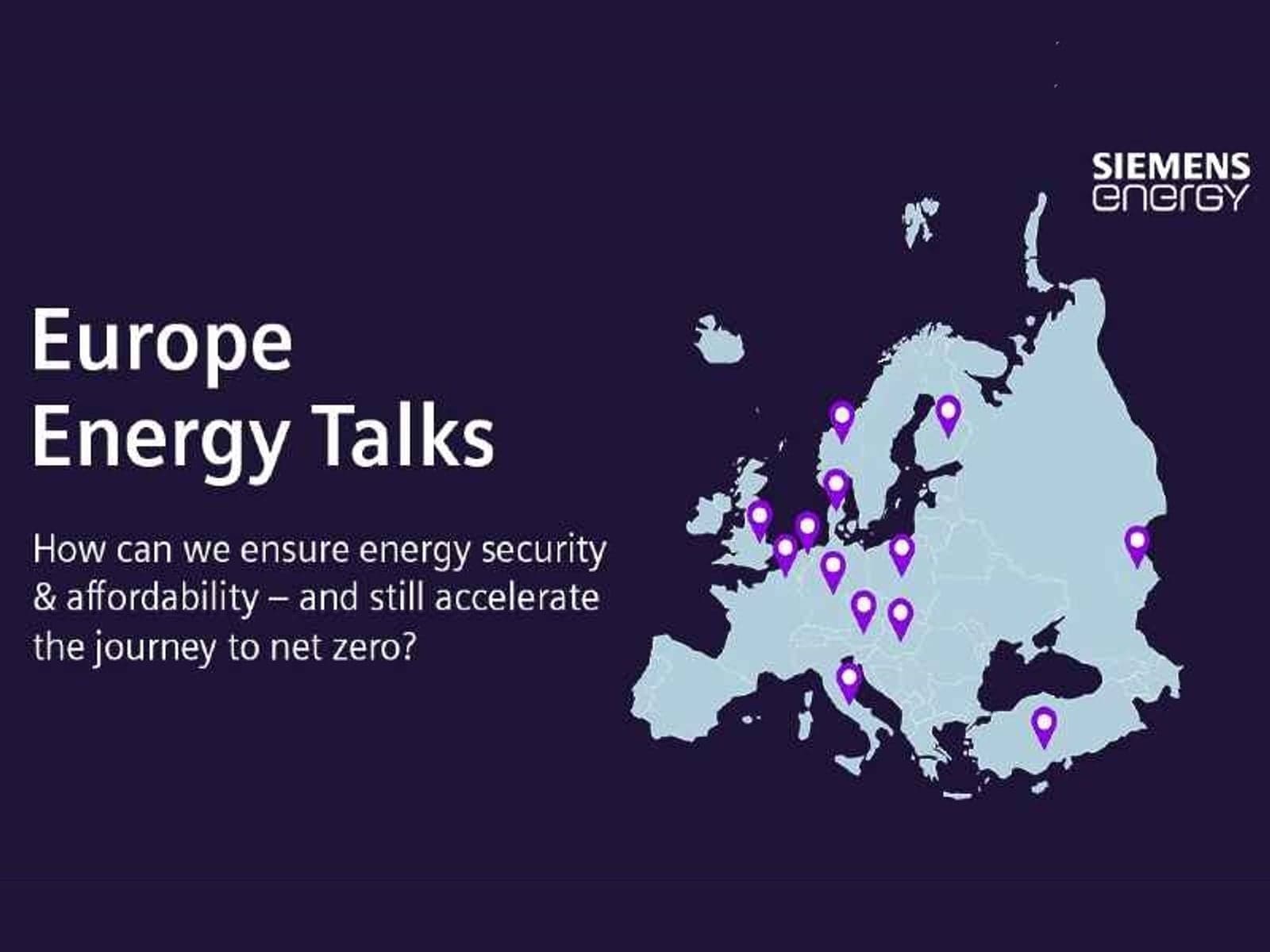
Siemens Energy and Enlit Europe are collaborating to host Europe Energy Talks, where we will be joined by key players including EnBW, Shell, Uniper and MVV.
Together we will explore how we can ensure energy security and affordability – and still accelerate the journey to net zero.
Register your virtual seat
Most popular
Join the community for freeAnd get access to all content
Related companies
Siemens Energy
Related members
Kelvin Ross
Enlit, Enlit Media
Editor-in-Chief