Small modular reactors – progress towards commercialisation
Jonathan Spencer Jones
Posted on: 15 March 2023
Small modular reactors (SMRs) are demonstrating substantial momentum towards deployment and commercialisation| the Nuclear Energy Agency (NEA) has found.
Small modular reactors (SMRs) are demonstrating substantial momentum towards deployment and commercialisation, the Nuclear Energy Agency (NEA) has found.
In particular, much of this progress has taken place during the past two years, the Agency reports in its first SMR Dashboard. The Dashboard analyses 21 SMR designs of different types across the world against six additional parameters beyond technology readiness that are considered necessary for their success.
These are licensing readiness, siting, financing, the supply chain, community engagement and the commercial supply of qualified fuel.
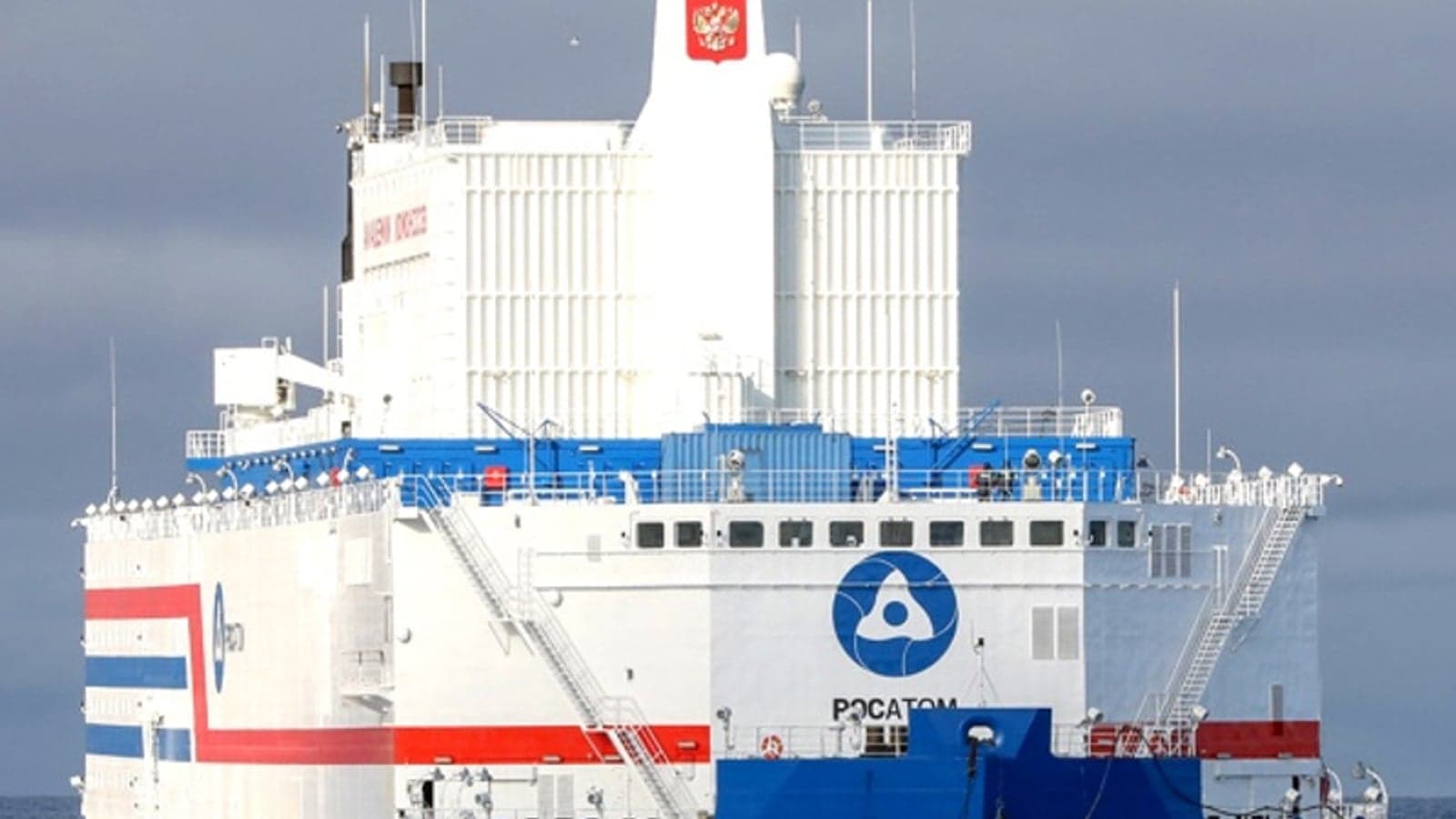
With these criteria, the greatest progress is exhibited in five of the six areas by two of the SMRs – Rosatom’s KLT-40S in Russia and INET’s HTR-PM in China – both of which are in operation.
Have you read?
‘Self-imposed complexity’ – nuclear’s fundamental flaw
What are the nuclear technologies of the future?
A further three, Argentina’s National Atomic Energy Commission’s CAREM and China’s General Nuclear Power Group’s ACPR50S and National Nuclear Corporation’s ACP100, are closely following with substantial progress in most areas.
The aim of the Dashboard is to serve as a baseline to tracking the SMRs towards deployment, with the assessment based exclusively on publicly available and verifiable information.
In all, more than eighty designs are believed to be at various stages of development, some of which may be added to future editions of the Dashboard.
SMR panorama
SMRs along with large scale reactors are considered as having the potential to play an important role in helping to meet 2050 climate targets.
For example, the NEA has estimated that meeting the average of the International Panel on Climate Change (IPCC, 2018) pathways consistent with a 1.5oC scenario will require tripling the global installed nuclear capacity to reach 1,160GW by 2050. This could be achieved with SMRs and new build Generation III reactors as well as the long term operation of existing plants.
The Agency states that the pipeline of SMR innovation includes a range of reactor concepts, from incremental innovation in existing light water reactor technologies to breakthroughs in advanced Generation IV concepts.
The pipeline also includes SMRs in a variety of configurations, including land-based, marine-based and transportable, and they incorporate new materials, a range of coolants and innovative fuels.
Thus the innovation pipeline is poised to produce a range of commercial SMRs of different sizes, with a range of outlet temperatures and new attributes and potential benefits in the areas of safety, flexibility and economics, as well as spent fuel and waste management.
The Agency continues that the pipeline of SMRs has the potential to support a variety of energy policy priorities, including decarbonisation of electricity as well as decarbonisation of new applications where large-scale nuclear and variable renewables may have limitations.
These new markets and applications range from coal replacement for on-grid power to fossil cogeneration replacement for industries or district heating and diesel replacement for off-grid mining. In many cases, SMRs would be a game-changer to reach net zero in different regions and settings.
William D. Magwood, IV, director-general of the NEA, says the nuclear sector is experiencing a level of interest and attention not seen since the early 1960s, largely sparked by the wave of innovation in SMRs.
“The next five to ten years is going to be pivotal in terms of getting these new technologies to market.”
SMRs are categorised generally as having a power output up to 300Mwe.
The largest of the SMRs in the Dashboard is the Rolls-Royce SMR in the UK at 1,358MWth, while the smallest is Oklo's 4MWth Aurora in an early stage of development in California.