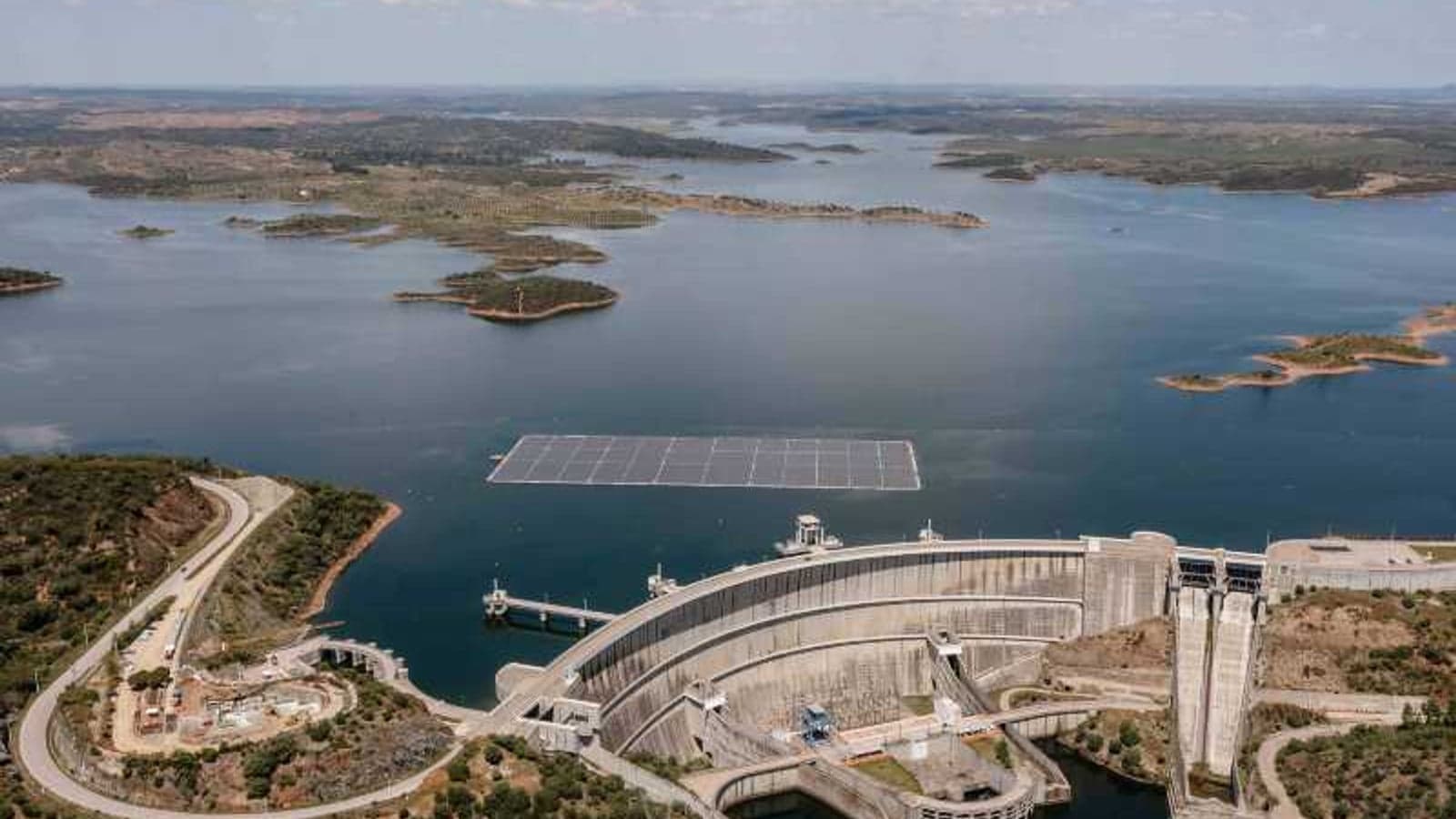
Some countries could meet total electricity needs from floating solar shows study
Elizabeth Ingram
Posted on: 11 June 2024
Floating solar photovoltaic panels on lakes and reservoirs could supply all the electricity needs of some countries| research has shown.
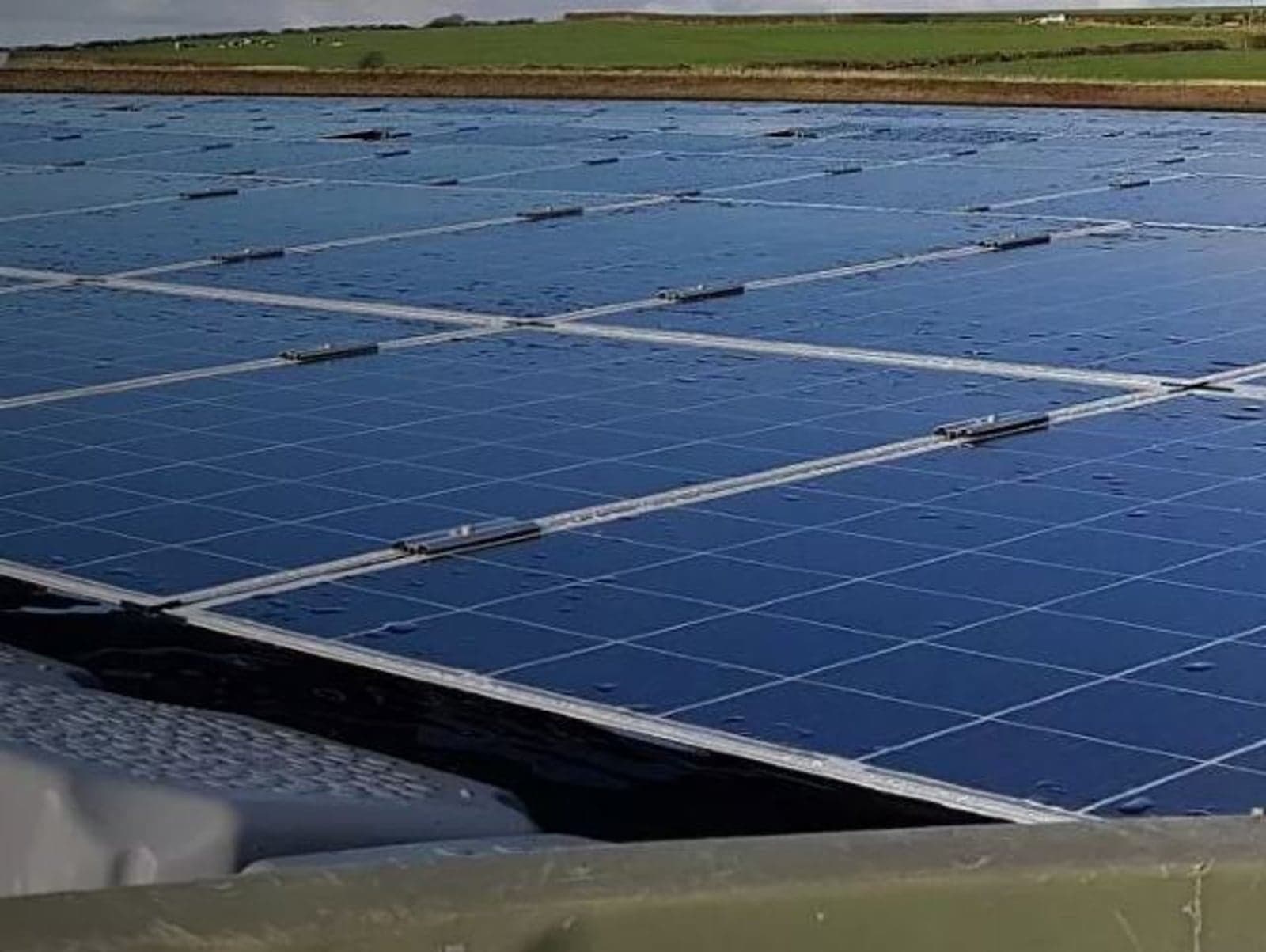
Floating solar photovoltaic panels could supply all the electricity needs of some countries, research from Bangor and Lancaster universities and the UK Centre for Ecology & Hydrology has shown.
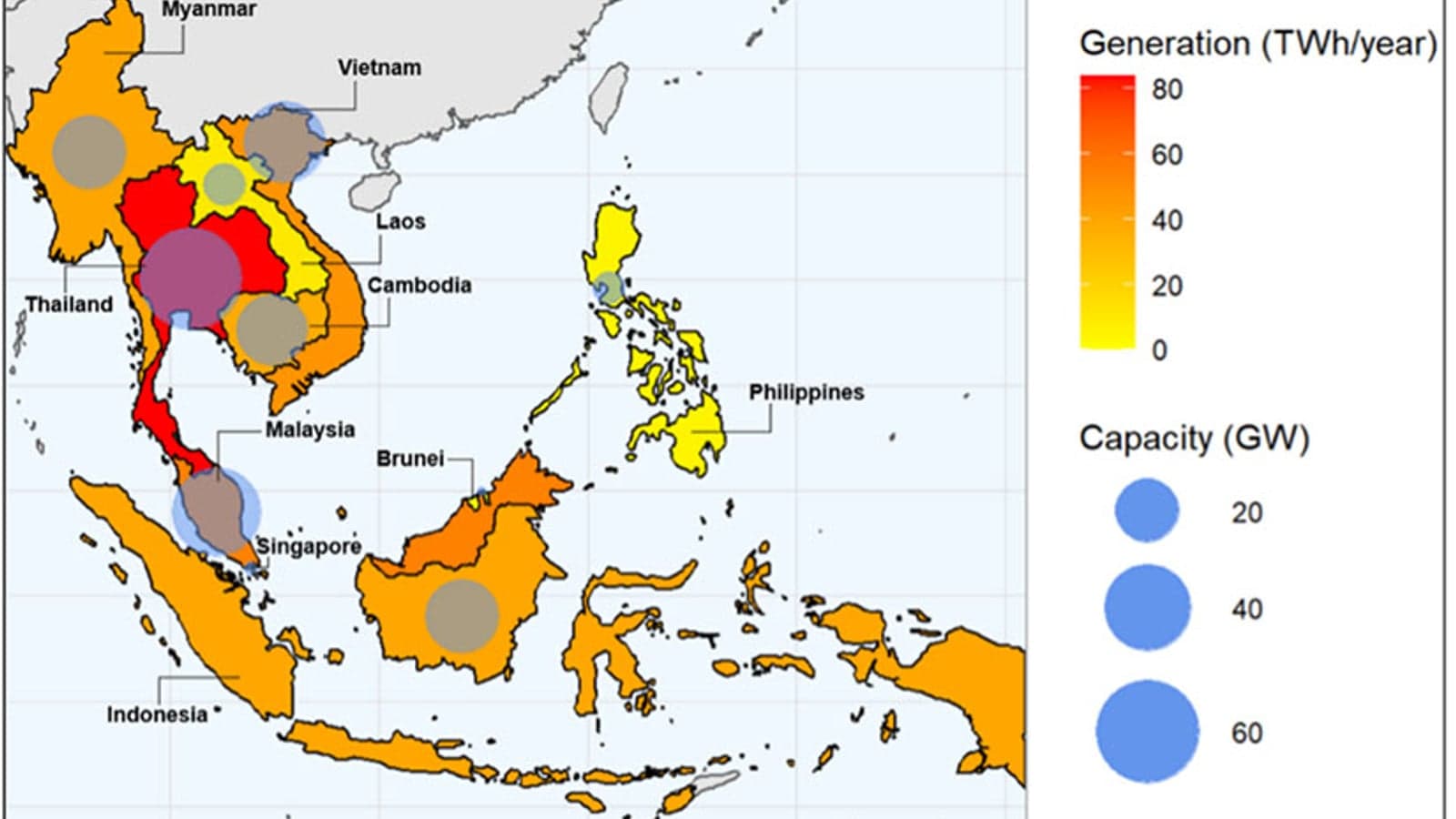
The study aimed to calculate the global potential for deploying floating solar arrays. The researchers calculated the daily electrical output for floating photovoltaics (FPV) on nearly 68,000 lakes and reservoirs around the world, using available climate data for each location.
The researchers’ calculations included lakes and reservoirs where FPV is most likely to be installed. They were no more than 10km from a population center, not in a protected area, didn’t dry up and didn’t freeze for more than six months each year. The researchers calculated output based on FPV covering just 10% of their surface area, up to a maximum of 30 km2.
Have you read?
India’s NHPC to implement floating solar technology
German President visits floating solar installation in Thailand
While output fluctuated depending on altitude, latitude and season, the potential annual electricity generation from FPV on these lakes was 1302TWh, around four times the total annual electricity demand of the UK.
The findings have been published in the journal Nature Water.
FPV has a number of additional advantages over land-based solar installations: it frees up land for other uses and keeps panels cooler, making them more efficient. And there is some evidence for other environmental benefits, including reducing water loss through evaporation by sheltering the lake surface from the sun and wind and reducing algal blooms by limiting light and preventing nutrient circulation.
However, the researchers warn that further research is needed on the overall environmental impact of floating solar PV. They suggest that decisions to deploy FPV should consider the intended function of water bodies and how they are used, as well as the potential ecological impact.
When the figures were considered country-by-country, three nations could meet their entire electricity needs from FPV, including Papua New Guinea, Ethiopia and Rwanda. Others, such as Bolivia and Tonga, would come very close, respectively meeting 87% and 92% of electricity demand.
Many countries -- mainly from Africa, the Caribbean, South America and Central Asia -- could meet 40% to 70% of their annual electricity demand through FPV. In Europe, Finland could meet 17% of its electricity demand from FPV and Denmark, 7%.
The UK could produce 2.7TWh of electricity each year from FPV, the researchers found. This is just under 1% of overall electricity demand. However, there are few FPV installations in the UK, with the largest a 6.3MW floating solar farm on the Queen Elizabeth II reservoir near London.
The research is funded by the Natural Environment Research Council, part of UK Research and Innovation.
Originally published on hydroreview.com