Spain offers lessons on how to balance Europe’s energy transition
Guest/partner contributor
Posted on: 24 November 2023
A new smart energy flexibility project for distribution grids is helping all of Europe balance its energy supply.
Despite being a climate leader, an uneven electricity supply has led to Spain becoming an energy ‘island.’ Now, a new smart energy flexibility project for distribution grids is helping all of Europe balance its energy supply.
Since July, Spain has held the rotating six-month presidency of the European Union. It’s a cherished diplomatic position that allows the Spanish government to steer the EU’s policy agenda until December 2023.
Chief among the government’s priorities is Europe’s energy transition. On the surface, the country has a lot to be proud of; it has the third-highest renewable energy capacity in Europe and is 11th lowest for CO2 emissions per capita in the world.
But the national grid still poses problems for energy customers. They rarely control their energy supply; a spike in energy prices or going over an allotted power subscription can lead to financial penalties or even a blackout.
Moving low-carbon energy around Spain’s complex energy market also remains a challenge, and the country cannot easily rely on the wider EU energy market for backup.
“Apart from Portugal, we cannot easily work with other countries to provide or accept energy,” says Ignacio Guerrero of AMPERE, an energy company based in Valencia. “Spain is a peninsula, but in terms of energy, it works more like an island.”
Such problems are not limited to Spain; a European Parliament report in 2022 highlighted that energy price increases and scattered energy interconnectors are challenges for the EU’s ‘strategic autonomy’ goals. Governments could cover higher energy costs, though the IMF says this would be equal to 6% of the EU’s entire economy each year. Europe needs other strategies.
Managing surplus energy
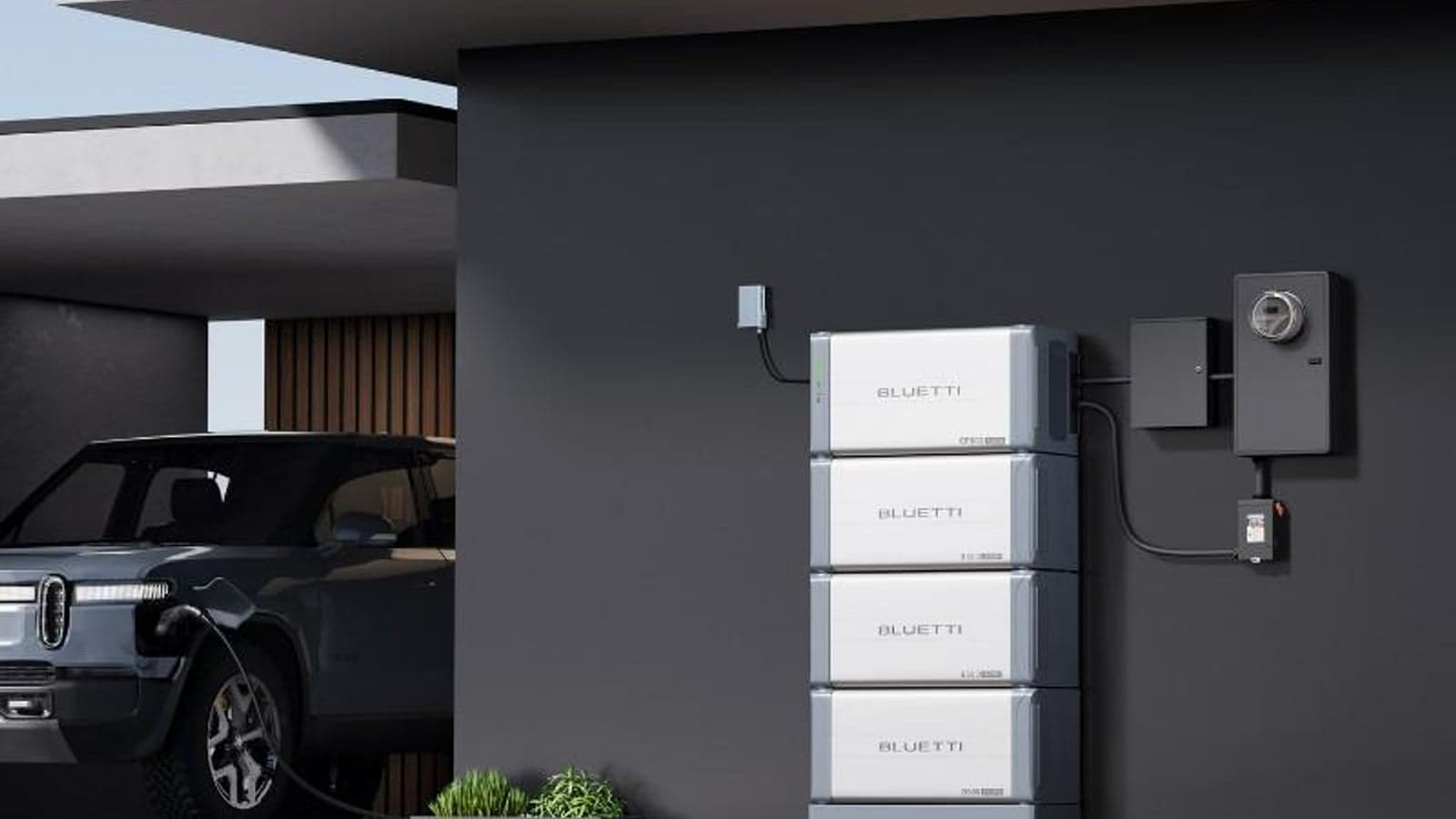
Back in Spain, localizing people’s energy supply has proven to be a popular solution. Since 2015, AMPERE has developed its ‘smart batteries’ that can store excess energy generated by solar panels. Energy stored in these batteries can then be used 24 hours a day. Their AI-powered software predicts solar production, analyses prices in the electricity market and the user’s consumption patterns. This saves money for consumers and makes it easier for energy operators to manage the grid.
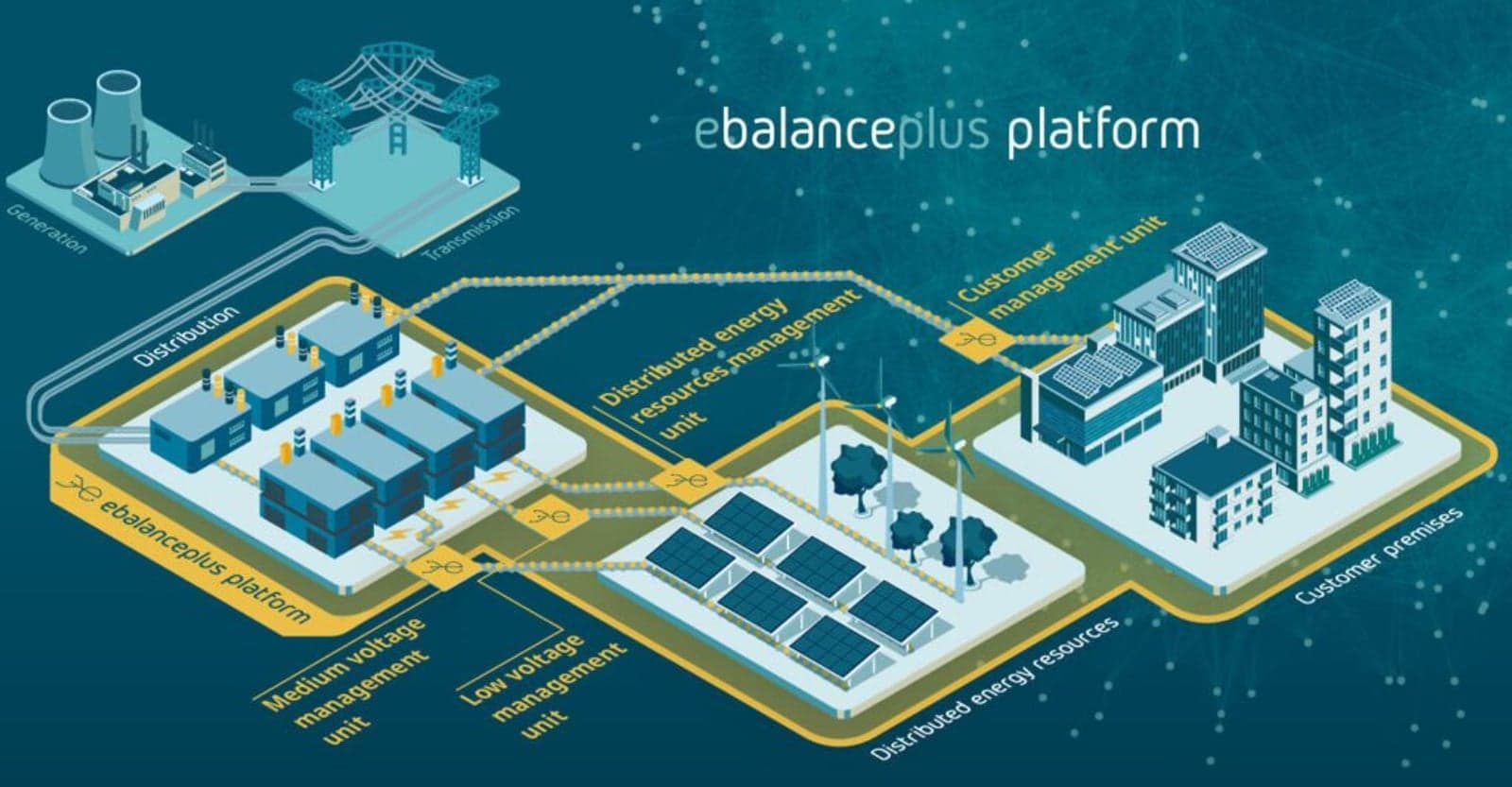
The company is now working on pilot installations at the University of Málaga. This is part of the EU-wide ebalance-plus research project, which is finding ways to use smart energy grids to ‘balance’ energy networks. The project aims to empower people with more ways to interact with local grids and manage energy flows. Alongside Málaga, ebalance-plus has demo sites in Italy, France, Denmark and Spain.
“Until recently, the customer has not been considered in the electricity grid from the management point of view,” says Jacobo Peralta of Spanish civil engineering firm CEMOSA and the project’s innovation manager.
“Now it is absolutely necessary that the customer is integrated into the management system.”
The project is developing both physical devices and algorithms to control the technologies. For example, many grids work via AC power, but DC power has certain benefits when managing and controlling an energy system. The project is developing silicon carbide-based AC/DC based power converters, which can modify some parameters of the electricity supply to make it more efficient. Other technologies include new vehicle-to-grid technology (using electric vehicles as batteries to balance the local grid) and smart batteries such as those developed at AMPERE.
Algorithms developed in the project will manage the energy flexibility in these technologies from both the economic and environmental points of view, while also increasing the resilience of the local grid. This can help Europe’s flourishing ‘energy communities’ - decentralised energy grids using renewable energy from local sources, such as solar panels on people’s roofs.
Combining both the physical and digital technologies is the project’s unique selling point, says Peralta.
“Many projects right now are dealing with digitalisation of the grid. Our focus is different -we are not operating with the market only,” he said.
“We are distributing the control of the grid to all levels, so that these levels can coordinate with each other.”
Cui bono?
The end, Peralta explains, is a system that benefits both consumers and those operating the distribution systems.
“I think it's a win-win approach,” he says.
“The customer will have access to new services and more reliable electricity supply. For the Distribution System Operators, this kind of system might seem more complex at first, but at the end they won't have to invest more in the infrastructure.”
Consumers also need to rethink where their energy comes from, another focus of the project.
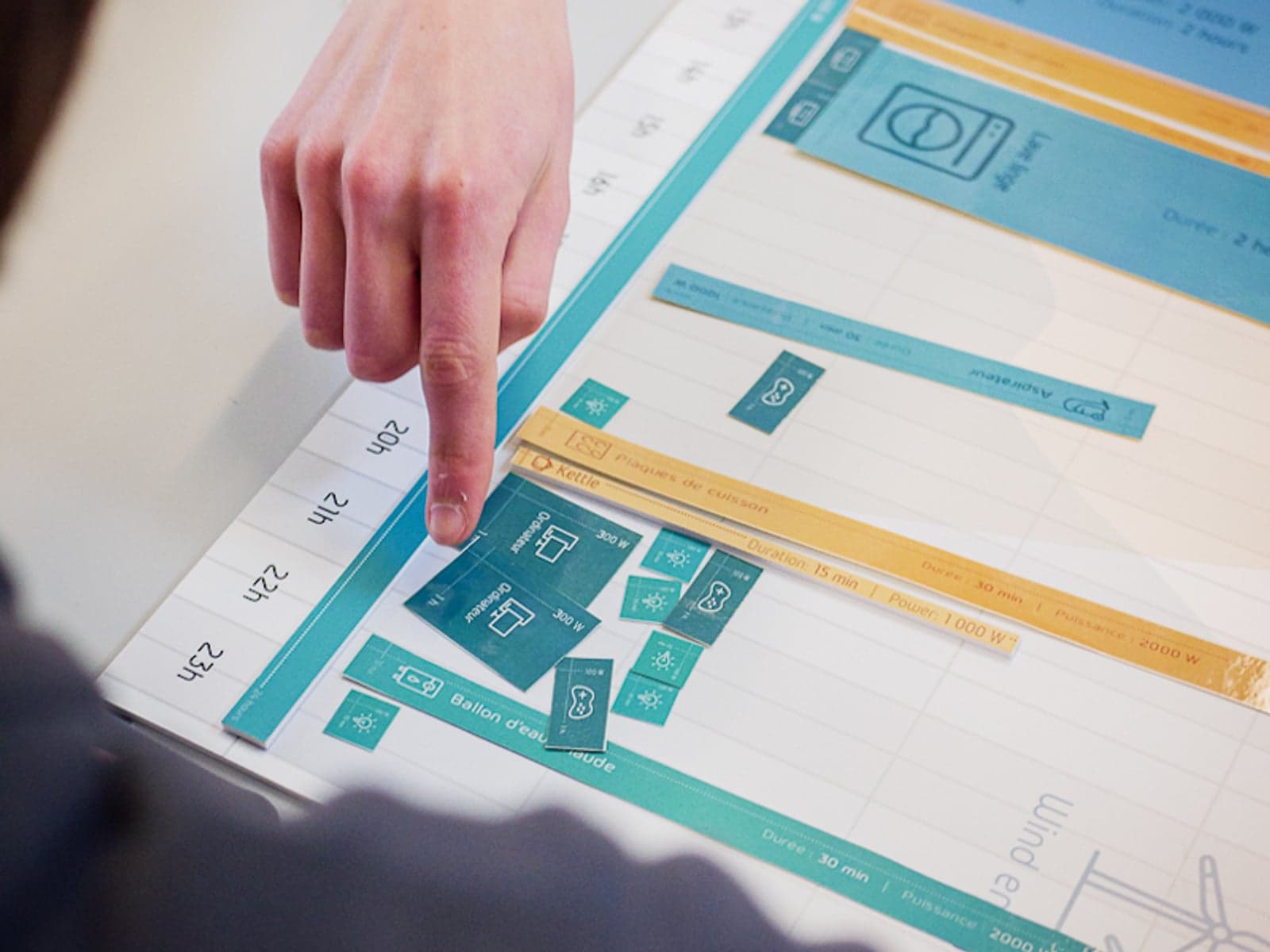
“Consumers should stop thinking of energy as a big reservoir to draw from and understand that the energy we use will be produced on the fly,” says project partner Jaroslaw Kowalski from the National Information Processing Institute in Poland. They are helping to find ways how behaviour change interventions can boost the green transition.
"A change in energy consumption should go along with a change in how energy is produced.”
Another motivation to embrace locally-generated renewable energy comes from local politics, explains Guerrero.
“There is a very powerful argument blossoming here in Spain; what if towns generate their own energy and share it with the local population?” he said.
He explains that mayors in some regional towns view energy communities as a way to attract new industries. Mayors can ask for national funds to set up a local energy community, such as solar panels and batteries. Locals do not need to invest anything upfront. Businesses then have a source of cheap and sustainable power, locals benefit from more jobs and lower energy bills and, Guerrero notes, if done successfully, mayors can get and keep votes.
The future
According to the European Commission, there are roughly 9000 energy communities in Europe, though as the energy transition gains momentum, this number is expected to grow. Those in the ebalance-plus project are already starting to see attitudes change on the ground.
“After COVID and the invasion of Ukraine, people say they don't care if they have to pay more, they just want a fixed price to avoid the stress of not knowing whether they can pay their next energy bill,” said Guerrero.
But the energy transition will still need help from those who can afford to ignore energy prices, argues Kowalski.
“The new paradigm of electricity use involves a change for consumers: from a status quo in which calculating the benefits and optimality of decisions is unnecessary; to one in which decisions must be made actively,” he said.
“We want to shift the perception of electricity usage from the market world where it is 'a commodity I use when I want'-to the social world, where it is a shared, common resource that affects other people and our environment.”
At the EU level, Spain is continuing to push for EU-wide policies to help the energy transition. The technology and services developed in ebalance-plus need such long-lasting, international policies to avoid obsolescence, says Peralta.
“If there are no rules that deal with these issues, most probably we’ll indeed be suffering the effects of fast obsolescence,” he said.
For example, the European Commission could pass initiatives to support upgrades to legacy equipment.
Fortunately, the ebalance-plus platform was built to be system agnostic, scalable and totally replicable because it follows the structure of the electricity grid, making it extremely adaptive says Peralta.
“I cannot assure that our devices will be there in 10 years because systems are evolving month by month, but the concept will still be valid,” said Peralta.
“And in this sense, we do offer a framework that will not become obsolete.”