Sri Ellen Hollema designs heating solutions with human impact
Kamogelo Motse
Posted on: 21 August 2025
Sri Ellen Hollema discusses her journey from prototype to field deployment, the lessons learned through on-the-ground trials, and the values that continue to guide Mat Zero’s evolution.
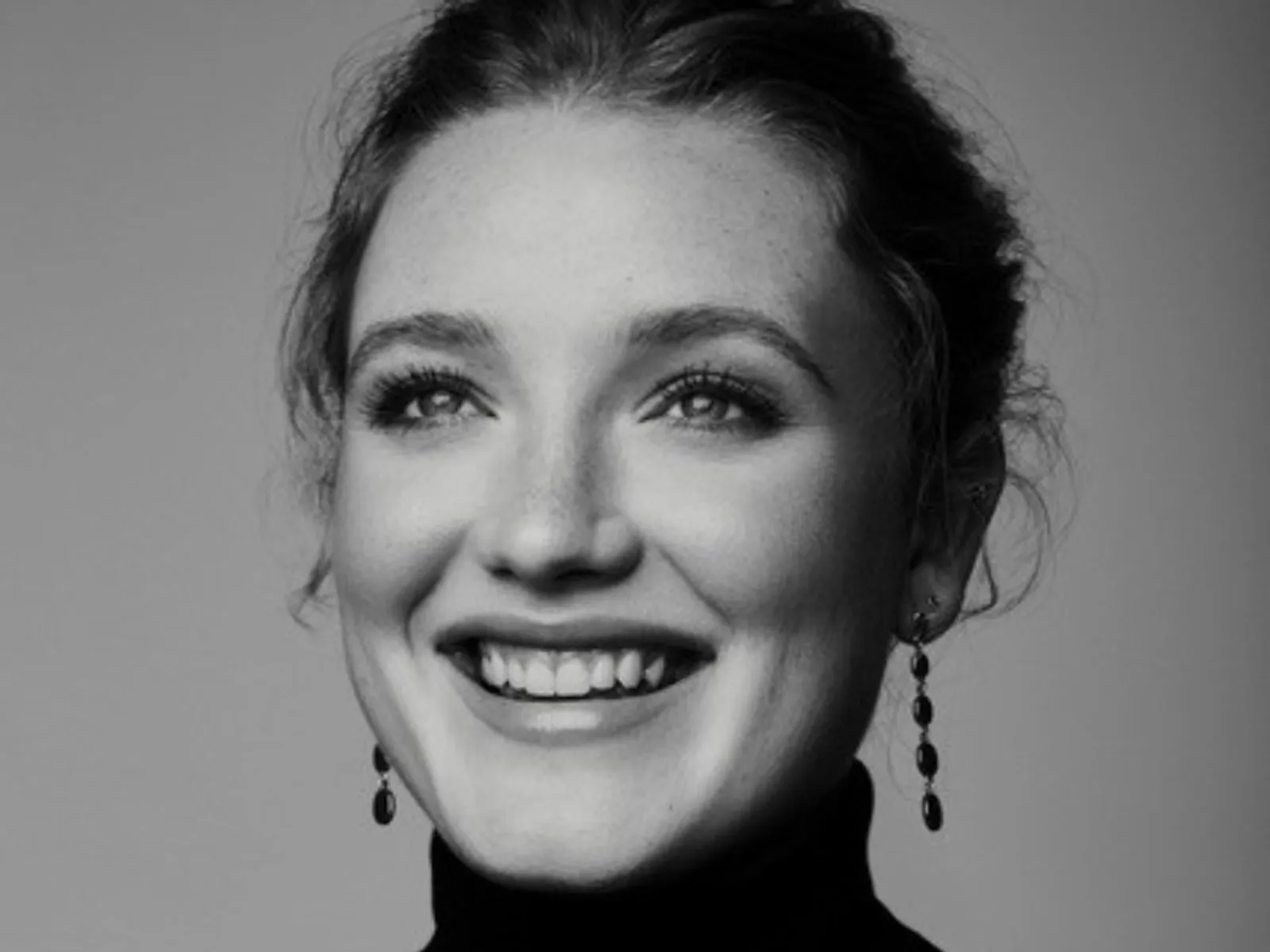
Sri Ellen Hollema speaks to Kamogelo Motse about her journey from prototype to field deployment, the lessons learned through on-the-ground trials, and the values that continue to guide Mat Zero’s evolution.
Having spent her formative years across Nepal, Bangladesh, Singapore, Thailand, Indonesia, and Italy, Sri Hollema developed an early awareness of global disparities in energy access, which would later shape her design philosophy and entrepreneurial mission.
Drawing on these lived experiences and a background in product design and technology, she founded Mat Zero, a mission-driven company pioneering clean, scalable heating solutions for underserved communities.
The first product, a heated mat, features advanced wire-free heating technology to provide efficient and reliable warmth. The mat can be powered by the energy hub, a portable battery that can itself be recharged using solar panels, ensuring sustainable and off-grid functionality.
You’ve lived in many different developing countries, which gave you direct insight into energy insecurity. What catalysed the leap from awareness to action?
Firstly, I was in those countries as a child because of my parents' jobs. And growing up in those countries, you see a range of people in different economic circumstances.
As I was studying product design and technology, which I call a problem solving degree. I wanted to have a design identity, so I drew on my past experiences, and that was the catalyst. I wanted my designs to be impactful with real world purpose, not only for people but for the planet.
Can you walk us through the technical journey from your university prototype to the current field-ready mat?
It was quite an interesting and fun experience, to say the least, working on the prototype at the university. We started prototyping with different materials to get to a system of a working mat. Then we worked closely with manufacturers to understand the form and how that would all come together in an actual manufacturing setting.
As a winner of Innovate UK’s Women in Innovation Award, how has the £75k grant and programme support influenced Mat Zero’s development and scale-up plans?
We were fortunate to win that award. For me, as a female entrepreneur, it's a personal great achievement.
The grant was very good to help the development and commercialisation of the company. An award like that has been quite game-changing in giving credibility to the product, the business and me as the CEO as well.
What lessons have you learned from your field trials so far, and how are they shaping future product versions?
Nepal, where we began our field trials, was interesting in terms of learning what the good things are about the mat and what needs improvement.
One of the key learnings was that the mat was a pain reliever; using it as a heat system reduced a lot of joint pain, back pain and pelvic pain.
So in the context of Nepal, where they burnt wood to stay warm in their home, they could now use the mat. This was one of our predictions, which ended up being true. But in the circumstances where they still needed to cook, they still had to burn wood.
For me, it was interesting to see how clean heating is all part of the bundled package of just clean energy access. So you can't have clean heating or clean cooking on its own. It's all part of a system that needs to come together, and that was very highlighted in the Nepal trials.
Have you read?
Jo Cox: A new kind of energy leader
Jeanette Gitobu on leading women in wind and shaping energy policy
Mentorship and networks are often key for women founders. What kind of support system have you built, and how important has that been during both setbacks and pivots?
Firstly, I'm very fortunate to have an array of mentors around me and a fantastic team as well. My board of directors act as mentors to me. You always learn so much from people who have walked the walk and have years of experience in the industry. I haven't got the years behind me yet, so I'm trying to learn as much as possible from people who have.
Access to funding remains a hurdle for women-led enterprises. What strategies have you used to unlock capital for Mat Zero, and what advice would you give other women entrepreneurs navigating early-stage funding?
I think what's been key to our success is that we haven't tailored our business for any funding opportunities. With the grant that we got, we haven’t changed ourselves to fit the mould of the grant. We've all always looked at what we are fundamentally trying to achieve. Does the grant accelerate that in any way? If it does, it's a grant worth applying for and worth pursuing. If it doesn't, then it's not worth your time.
Finally, what does “mission-driven innovation” mean to you personally? How do you balance product performance, social impact, and commercial viability as you guide Mat Zero forward?
For me, I hope that Mat Zero exists beyond my time and that it becomes the innovation space for human-centred technology, innovating safe and sustainable heating solutions and empowering communities across the globe.
Latest content
+1
Why connection and confidence are key for women in engineering
The engineering profession is evolving rapidly and requires collaboration, creativity, and the inclusion of perspectives that reflect the world we’re designing for. That’s where team culture and diversity play a central role.
- Guest/partner contributor
- 23/06/2025