Turning yesterday's waste into tomorrow's energy resource
Pamela Largue
Posted on: 3 June 2026
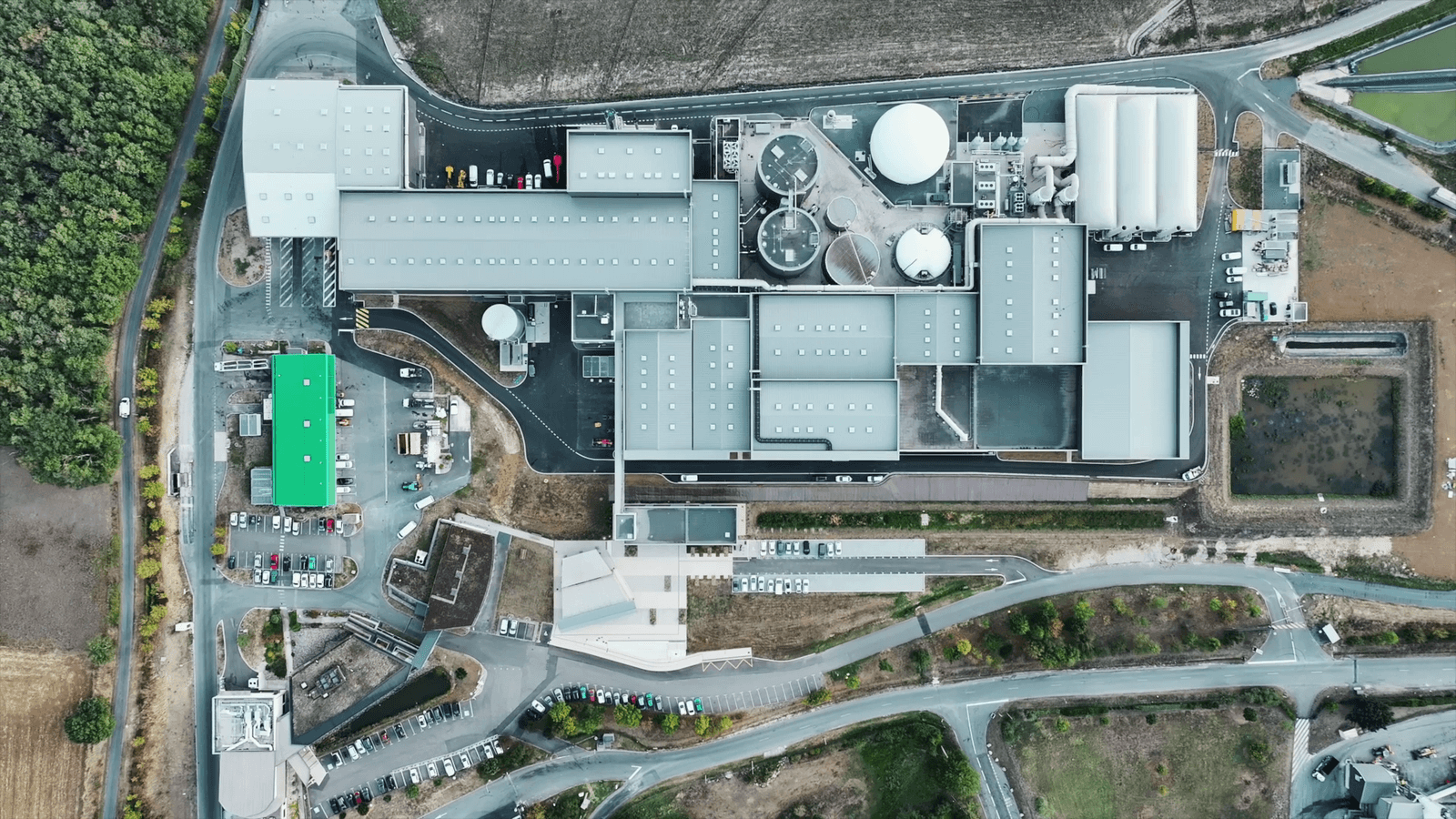
The Trifyl waste treatment facility is transforming household waste into biomethane, heat, solid fuel and even future solar generation.
The Trifyl waste treatment facility in southern France is demonstrating how to extract maximum value from the rubbish generated by the citizens of the Tarn Department.
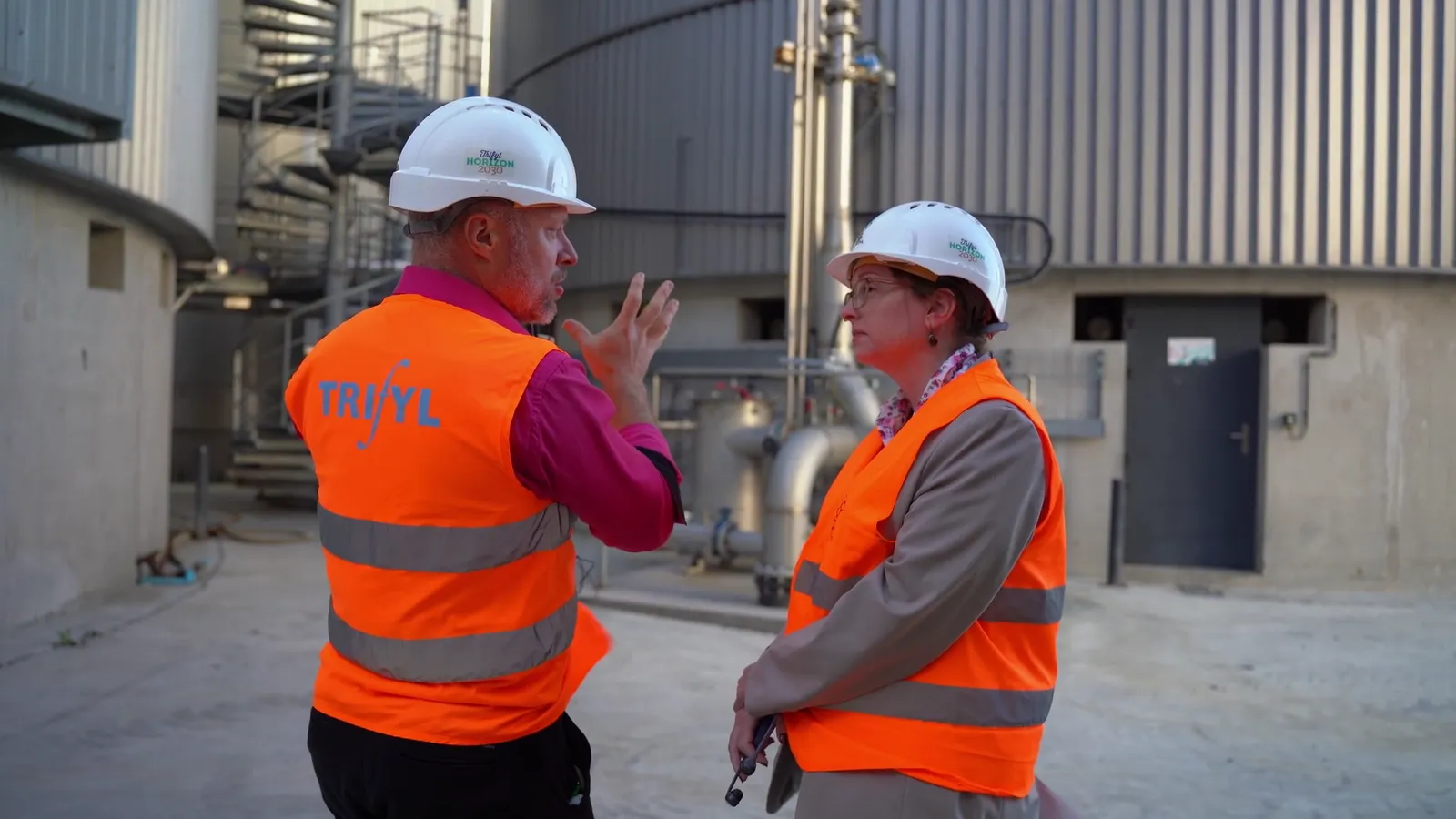
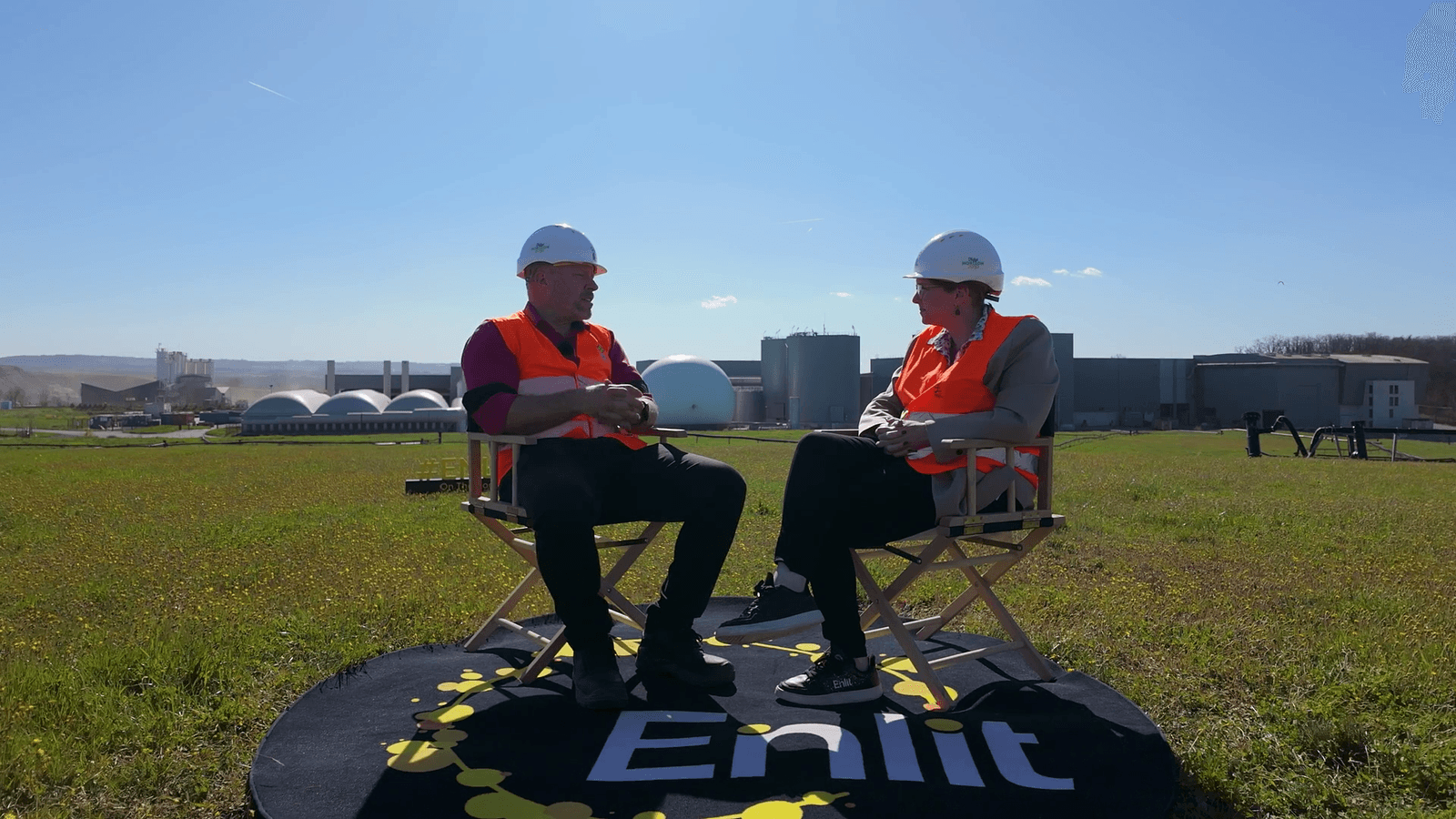
Enlit On The Road visited the facility and spoke with Philippe Henry, Director of Energy Recovery at Trifyl, about how the site is transforming household waste into biomethane, heat, solid fuel and even future solar generation, while also creating new revenue streams and improving local energy resilience.
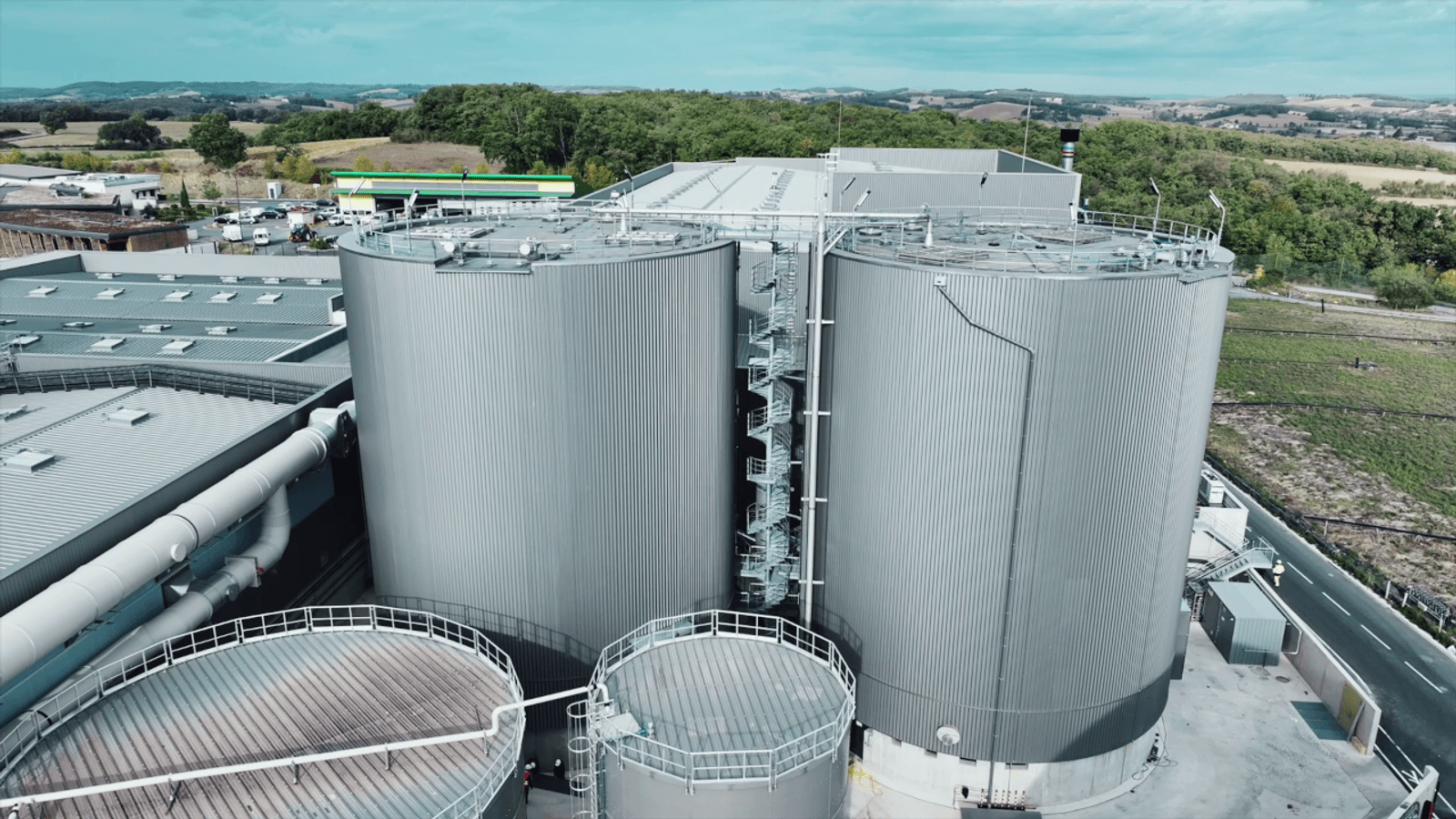
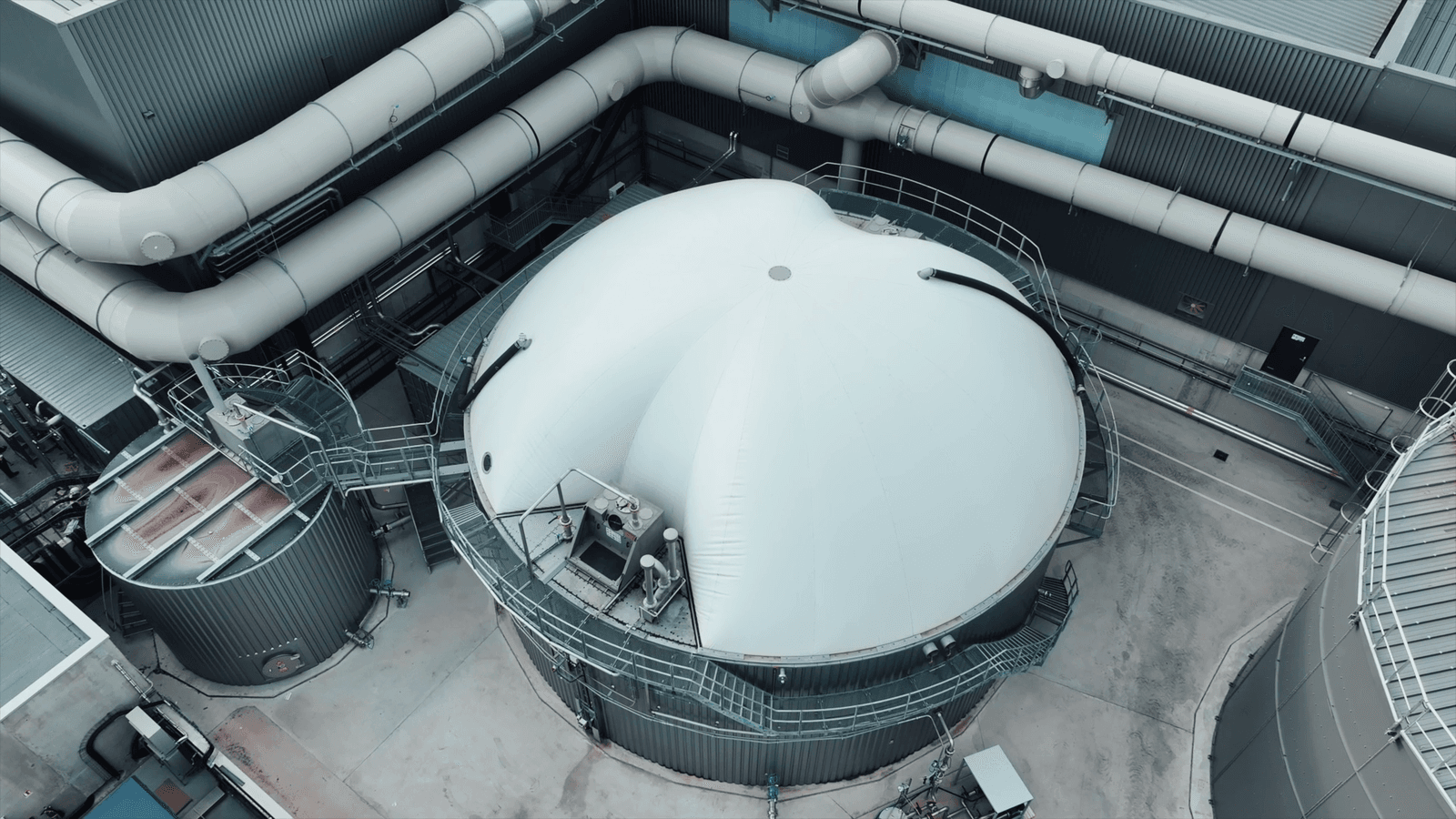
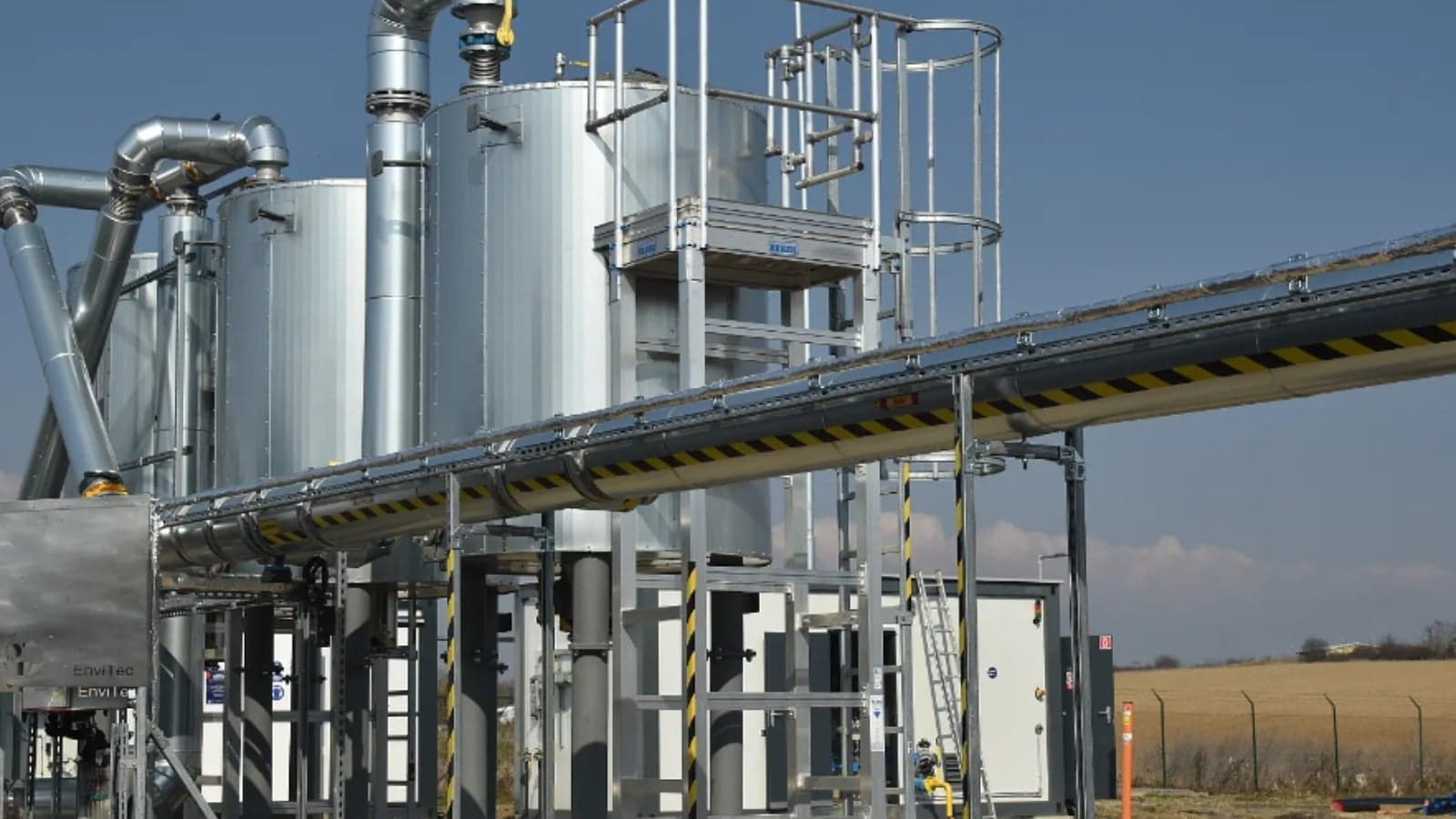
Henry explains that rather than burying waste as was the process in the past, Trifyl now extracts value from it through a recovery process that combines mechanical sorting, anaerobic digestion and refuse-derived fuel (RDF) production.
“The waste is collected from the houses, and then it arrives in the pit of the plant,” Henry explained. “All that is valuable as a material, and then we produce gas from it with anaerobic digestion.”
The process does more than reduce landfill volumes. It also creates tangible economic benefits for the Tarn territory.
According to Henry, biomethane injected into the regional gas network provides a direct revenue stream, while RDF significantly reduces landfill costs by turning residual waste into fuel rather than disposal material.
More from Enlit On The Road Toulouse
France anchors its future in floating offshore wind
How Terega is greening gas molecules in southwest France
“The first revenue is the gas, which is sold when it is injected to the region,” he said, adding the facility already supplies around 10% of the local population’s natural gas demand through waste-derived biomethane.
“It’s a way of getting autonomy in this territory: you reduce your dependency on importation.”
Henry also highlights the improvement in efficiency compared with traditional landfill gas capture. Historically, landfill cells containing around 200,000 tonnes of waste would produce gas slowly over 20 to 25 years. With Trifyl’s modern anaerobic digestion system, the same gas production can now happen in just weeks.
Also of interest: How Australia’s waste-to-energy sector can overcome community resistance
The facility reflects the region’s vision for circular land use. Once sections of the landfill are fully closed, Trifyl plans to install solar PV across the unusable land.
“When the landfill is closed, this surface is useless. You cannot build anything on it,” Henry said. “We will install solar panels to valorise this surface to produce solar electricity.”