Steel symmetry: Enhancing efficiency with digital twin tech
Yusuf Latief
Posted on: 21 February 2024
Yusuf Latief and MCC Capital Engineering & Research's He Zhang discuss a steel factory's use of digital twin tech for enhanced efficiencies.
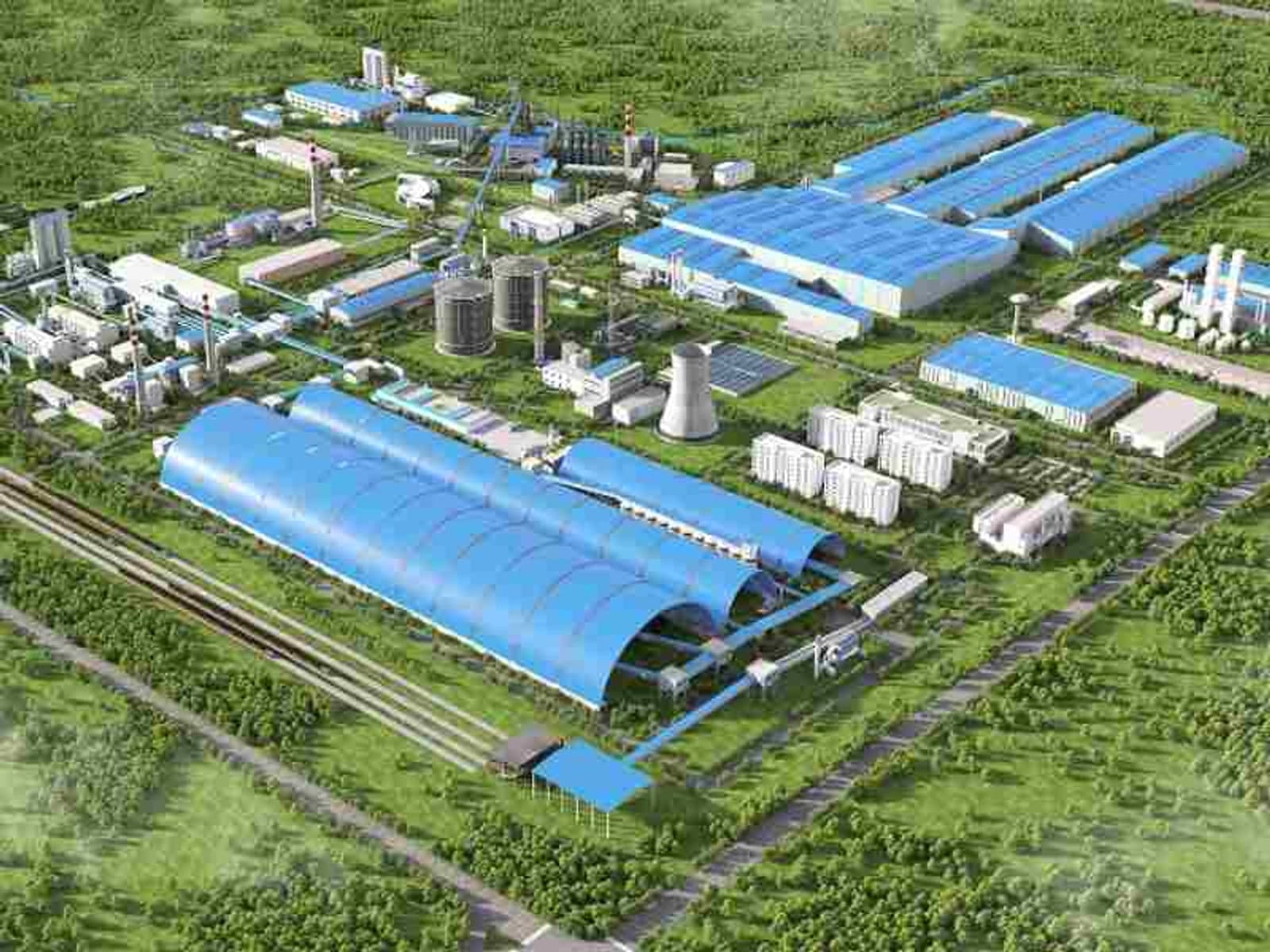
Notoriously difficult to decarbonise, the steel sector continues to prove a thorn in the sole of the energy transition. He Zhang, MCC’s Deputy Director of Engineering Digitalization Center, told Yusuf Latief about a project attempting to decarbonise while increasing efficiencies with a Bentley-powered digital twin.
The project - Green and Digital Plant Construction Project of Linyi 2.7 Million Tons of High-Quality Special Steel Base - serves as an industry demonstration to build an intelligent green steel production factory through synchronous design, construction, delivery and operation of digital and physical factories.
Responsible for the integration and application of key digital technologies for energy savings and emissions reduction, MCC oversees the project, which covers 214.9 hectares, consists of complex process systems and a difficult layout, and presents several challenges within a tight construction schedule.
The project team selected Bentley Systems’ ProjectWiseto build a full-process digital twin platform, saving 35 days of design time and shortening construction by 20%. The digital plant facilitates intelligent equipment maintenance and operations, reducing downtime by 20% to 25% and carbon emissions by 20%.
Have you read:
Harnessing waste heat to decarbonise cement and steel
ArcelorMittal Nippon Steel India gets efficiency upgrade with ABB
Tell me about the factory and some of the measures you used to decarbonise.
The project is a steel production joint factory, implementing more than 20 processes such as raw material processing, sintering and steelmaking.
We needed to complete the design and construction of the entire factory and build a digital chemical factory; then, based on this, build a new generation of green, intelligent and rendered steel facilities.
This project can be said to be a typical demonstration project - both a green steel factory and a digital steel factory.
We will be using all these byproducts, such as waste gas, accumulating them and using it to generate more power.
In the past, all these supplies would’ve just been emitted, but because we now recycle this supply of emissions, we can reduce the carbon by 210,000 tonnes, using it to generate electricity - approximately 600 million kwh.
And because of this high capacity, we found it difficult to use technology such as battery technology to store the electricity. Rather, we used AI to balance out the collection and emission.
What digital solutions were deployed for the project and what have been the results?
With a digital twin, we made use of the digital design, construction and delivery to construct our digital factory, accumulating all the data from our factory to a central or control area to manage.
We are making use of this centralised management system to reduce manpower and eventually aim to have no one on the ground doing any operations.
With the technology, personnel can make use of operational data to help them make decisions fast, increasing by 55%. Additionally, we are able to accumulate a lot of operational data from the past and that helped us to improve our processes and give us a quality product that is stable and predictable.
When it comes to decarbonisation in hard-to-abate sectors such as steel, how can digitalisation and automation assist?
In the global low-carbon production environment, our new low-carbon clean production processes are rapidly developing.
For example, using hydrogen based on vertical furnaces instead of the traditional blast furnaces and using hydrogen as the reducing agent can greatly reduce the carbon emissions in steel production processes.
Using digital and automation technologies in these new processes, based on data-driven process production, can promote and improve these new processes, contributing immensely to global carbon reduction.
Also of interest:
German steel company commissions wind-powered hydrogen project
Pixelating aluminium with its first plant-wide digital twin
What are the next steps for the demonstration?
We are moving towards digital factories on digital grids and, to make full use of big data, the internet of things as well as AI to create more value for our customers and factories.
If we can apply all the data properly, we can convert from being human driven to fully data driven. And if any elements should change in the process production, the AI can quickly adapt and make the relevant changes to help us manage the plants without much human involvement.
How far in the future do you think it will be before these factories are entirely driven by AI?
We would love to see that beautiful future where all is driven by AI or data. But especially in the steel industry, as well as other industries, I believe that there are many unforeseen factors. There are many variations.
Of course, the number one concern is still safety. We must make sure that, to be data driven, the process must be 100% accurate. There should not be any error before we allow a situation to happen where there's no human personnel operating and where it’s fully automated.
But when will this happen? I cannot give the answer because it really depends on how far and how fast the technology of AI evolves.
This interview was conducted during Bentley Systems' Year in Infrastructure and Going Digital Awards, hosted in Singapore in October 2023.