Study to explore viable green hydrogen economy in South Africa
Power Engineering International
Posted on: 19 April 2024
Nelson Mandela University and Ikigai Group will explore the viability of green hydrogen production and export infrastructure from South Africa.
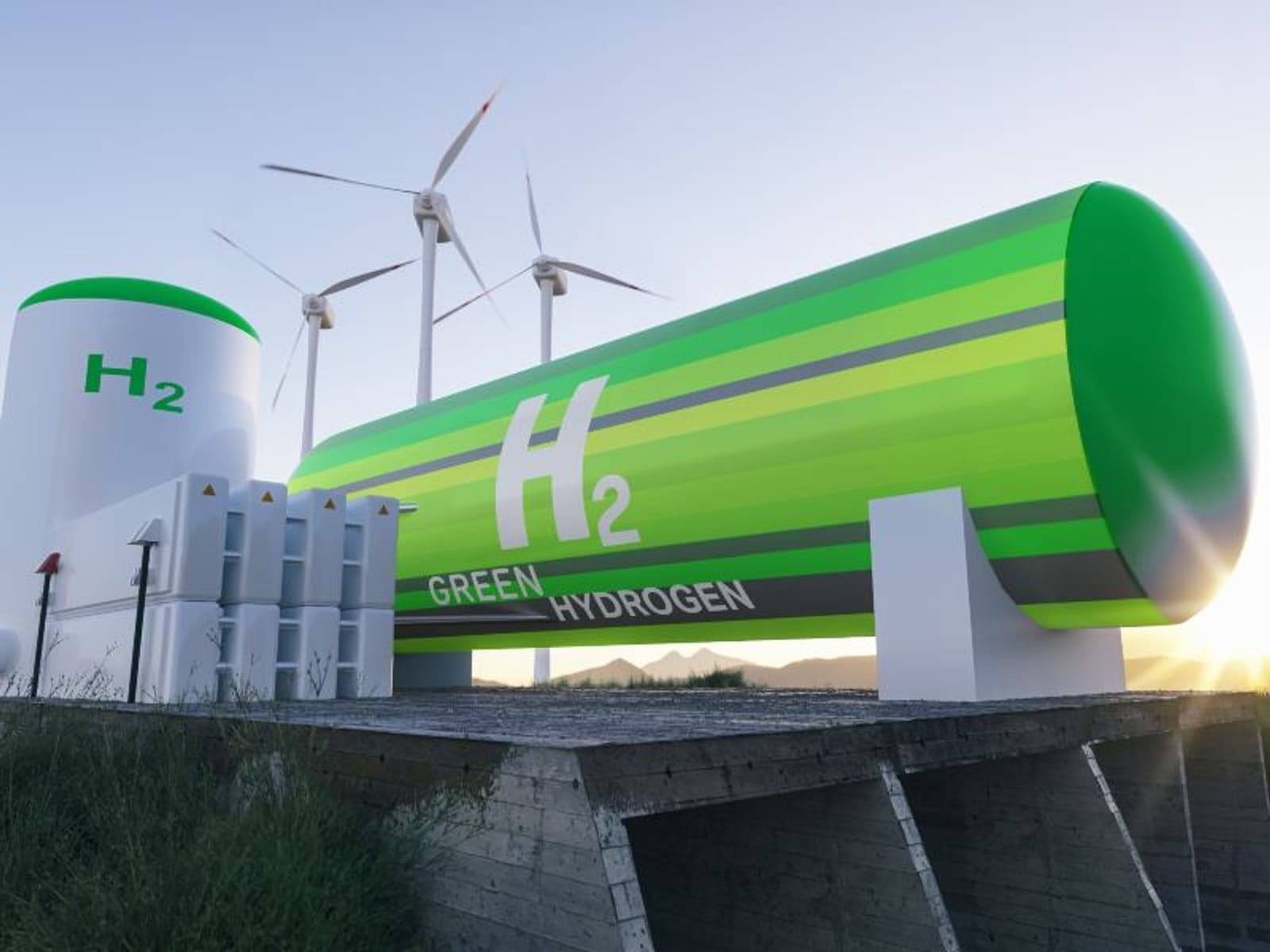
A consortium led by South Africa's Nelson Mandela University and UK consultancy Ikigai Group has won a grant to deliver a feasibility study to explore the viability of green hydrogen production and export infrastructure from South Africa.
The UK government will deliver the grant under the South Africa-UK PACT programme.
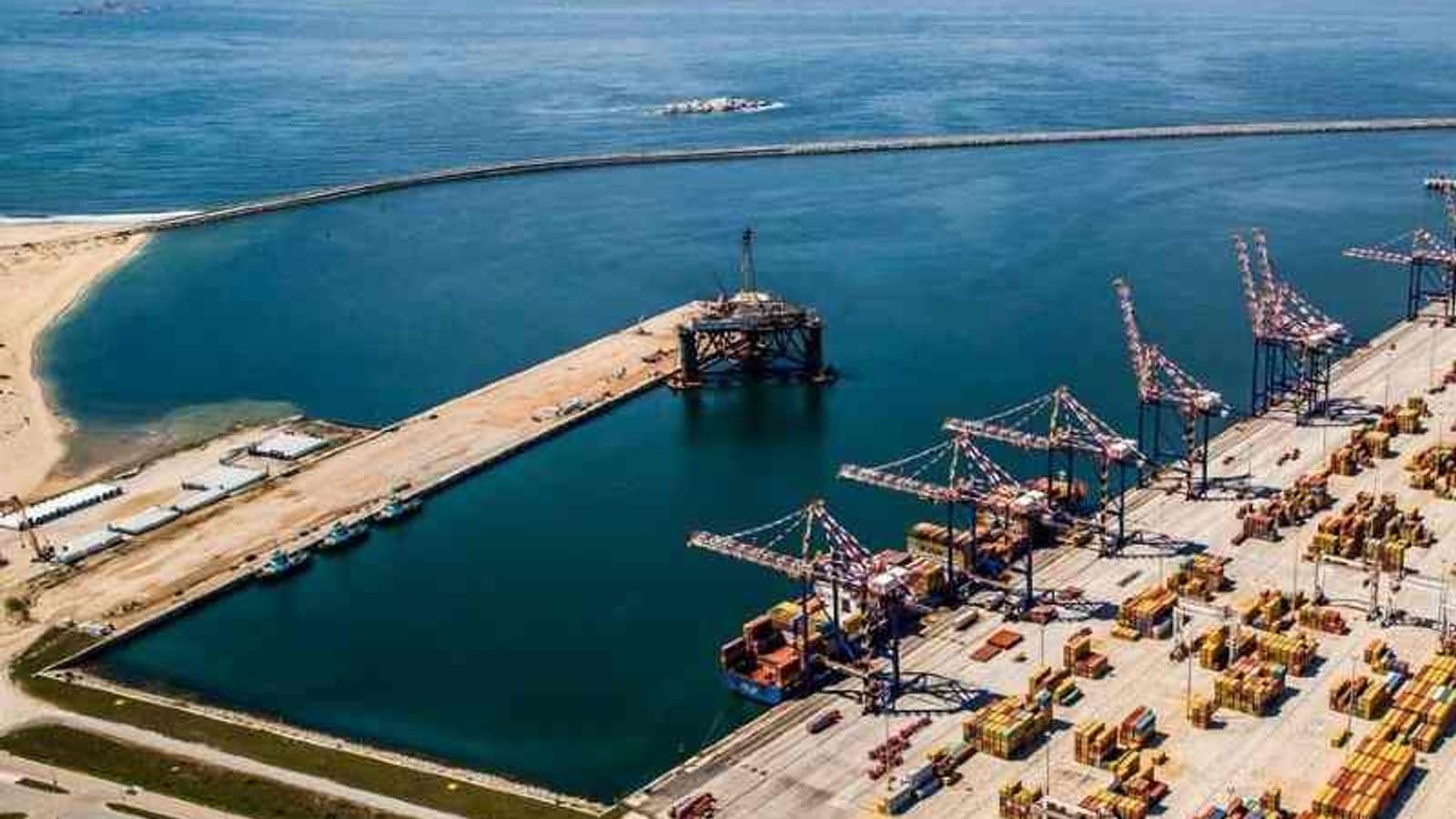
The feasibility study will evaluate the potential for establishing green hydrogen production facilities in South Africa's Eastern Cape region and developing the necessary infrastructure for export, including port facilities and transportation networks.
The export focus of the project is key not only to maximise the valorisation of abundant renewable energy resources in the Eastern Cape and surrounding provinces, but also to provide a diversification of revenue streams via the sale of green hydrogen and green ammonia to international markets, which is critical to ensure the bankability and ultimately the delivery of the overall project.
Helena Anderson, co-founder & COO at Ikigai commented in a statement: “The missing links in hydrogen moving from an inter-regional to an inter-national commodity are import and export ports receiving, converting, and onwards distributing infrastructure and the hydrogen carriers from a HSE and total lifecycle cost perspective.
Have you read?
‘There is no energy transition without creation of value’
Ikigai COO on clean energy investment
Ikigai joins Coca-Cola consortium to decarbonise transport
"This green hydrogen corridor project is looking at all these aspects. It's focusing on a large-scale green hydrogen project in South Africa, comparing it with ammonia as a counterfactual carrier, and exploring how we can deliver hydrogen to places like Japan, Europe, and the UK. The goal is to show that exporting hydrogen can also boost local demand,” concluded Anderson.
The project delivered by the consortium will be working with the Industrial Development Corporation (IDC) of South Africa in support of the country’s wider development and just energy transition plans.
The consortium comprises University College London, DNV, National Gas, University of Kent, and the Thames Estuary Growth Board.
The consortium is also supported by key delivery partners, including Hive Energy, the Nedbank Group, the Development Bank of Southern Africa, and Advantage Partners, who will provide fund management services to the Japan Hydrogen Association’s new fund dedicated to hydrogen related investments.
Professor Sibongile Muthwa, vice chancellor at Nelson Mandela University stated: "South Africa generally and the Province of the Eastern Cape in particular experience high levels of poverty, inequality, and unemployment. South Africa is committed to deliver economic growth through a just transition from, inter alia, dependence on fossil fuel-based energy production. This feasibility study aims to inform strategic decisions for the production and export of green hydrogen from the Eastern Cape, potentially reshaping South Africa's economy for inclusive growth.”
Mr Antony Phillipson, British high commissioner to South Africa stated: “This project strengthens the UK’s support to South Africa as part of the Just Energy Transition Partnership. We are excited by the potential impact of the outputs of this study, which will play a key role in accelerating efforts to advance the green hydrogen export agenda in the Eastern Cape and the green hydrogen economy across the country.”
Stakeholder engagement will be integral to the process, to ensure alignment with local communities, government agencies, and industry partners.