Summer energy poverty: The growing threat we can no longer ignore
Guest/partner contributor
Posted on: 9 April 2025
For years, when we spoke of energy poverty in Europe, the conversation focused on winter. Cold homes, high heating bills, damp walls.
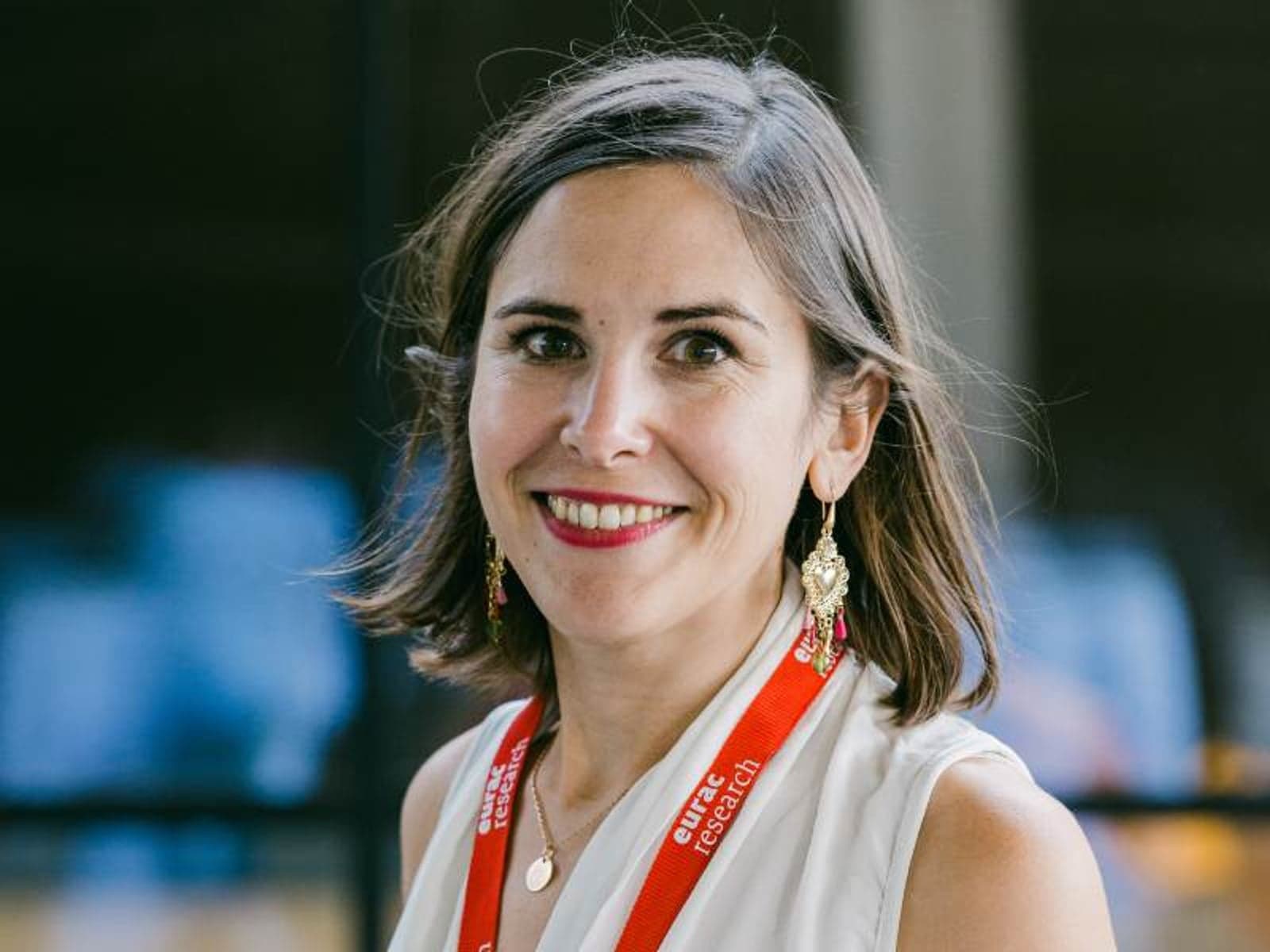
For years, when we spoke of energy poverty in Europe, the conversation focused on winter. Cold homes, high heating bills, damp walls. The notion of “being energy poor” was linked to the inability to keep warm. But summer tells a different story, one that is rapidly unfolding and still widely overlooked, writes Marine Cornelis, Founder of Next Energy Consumer.
As Europe warms, the story of energy poverty is no longer one of comfort but of survival. Yet our policies, business models, and understanding of energy needs are still shaped by a winter-centric mindset. That is a problem, and it is costing lives.
Heat has a social gradient
Not everyone suffers the same during a heatwave. People living in well-insulated homes with access to efficient cooling, green space, and healthcare may experience discomfort. But others, especially those living in poor-quality housing in dense urban areas, often experience danger.
You can buy relief if you can afford it. You can install an air conditioner, upgrade your windows or your roof, or retreat to the beach or the mountains, i.e. cooler parts of the country. But if you can’t, because your income is low, your home is not energy efficient, or if you are in poor health, you endure. You try to rest in a stifling room. You keep the lights off. You avoid switching anything on. You lie awake at night, watching the fan oscillate, doing its best.
This is what summer energy poverty looks like. It is not just about temperature. It is about inequality. And it is happening against a backdrop of escalating electricity demand. According to the International Energy Agency, global electricity demand rose by almost 1,100 terawatt-hours in 2024 alone, with cooling identified as a key driver. Nearly 60% of this growth came from buildings. The pattern is clear: rising temperatures drive up cooling needs, especially in cities where the urban heat island effect intensifies the impact. This leads to more energy consumption, which in turn fuels further warming.
We are in a vicious cycle. And those least able to protect themselves are paying the highest price.
The scale is hard to measure but impossible to ignore
According to the European Commission, between 35 and 72 million people in the EU live in energy poverty. In some Member States, more than one in five people are already affected by energy poverty in some form. These figures mostly reflect winter needs. When it comes to overheating in the summer, we have very little systematic data.
Have you read?
Action plan to lower Europe’s energy bills
Time to redefine energy security in an era of renewables – IRENA
The last time consolidated data was collected, in 2012, 19% of Europeans couldn’t cool their home properly. But over the years, as we’ve experienced the warmest years on record, feedback has piled up. People know when their homes are too hot to sleep when their bodies are no longer coping, and when they are forced to choose between staying safe and keeping the bills manageable.
In urban areas, the heat island effect compounds the problem, particularly for those in low-income housing. But even in countries with milder climates, the combination of an ageing population and degrading housing stock, poor ventilation, and socio-economic inequality creates pockets of extreme vulnerability. In 2023, close to 48,000 people died from heat-related conditions.
What is missing is a framework that bridges the gaps between climate and energy challenges and takes heat seriously as a present and growing threat. Most EU indicators still assess a household’s ability to afford heating, not cooling. Financial support schemes are seasonal and often tied to winter energy use. But with climate change accelerating, the notion that energy poverty is a cold-weather problem is dangerously outdated.
And while policymakers are beginning to acknowledge this, through the Renovation Wave, Fit-for-55, and the Social Climate Fund, for example, implementation will require more than retrofitting targets. It will require better coordination, meaningful community involvement, and private sector engagement that goes beyond compliance.
Why this matters for business
The implications are far-reaching for the energy sector and the wider business community. Summer energy poverty is not a separate issue: it is part of the same structural picture that shapes energy access, demand, infrastructure planning, and public trust. It shapes users’ consumption patterns and affects how people use electricity. It affects how they relate to providers. And it increasingly affects how they judge the credibility of the transition.
When companies fail to recognise these pressures, they miss important signals. Households under summer strain may delay bill payments, reduce essential consumption, or disengage entirely from programmes designed to support efficiency. They may resist renovations that promise savings in winter but worsen insulation against heat. Or they may simply feel that the transition is not for them, that the energy system is something to fear, not something that supports their well-being.
This is not just a communications issue. It is a systemic one. Because if the transition does not include everyone, if it does not reflect what people actually need in their homes and lives, all year long, it will falter.
Changing how we see energy
The European Commission’s framing report on summer energy poverty makes a clear point: our current approach is misaligned with the lived realities of millions of people. Most policies, funding streams, and market solutions still treat energy as a commodity to be consumed rather than a form of care and protection.
But what people need, especially during extreme weather, is exactly that: care. They need homes that keep them safe, tariffs that do not punish them for staying cool, and services that recognise their specific circumstances, not blanket solutions.
This is where businesses have a chance to show leadership. Not by selling more devices, but by rethinking what energy services are for. That could mean supporting passive cooling designs in renovation projects, co-developing flexible payment schemes with local actors, or designing products and offers that respond to summer conditions, for example, with lower prices during the warmest hours of the day to encourage people to use electricity when it’s abundant and cooling most needed.
It could also mean helping to shift the conversation away from a narrow focus on efficiency and towards one that includes dignity, well-being, and resilience.
Cooling without carbon, equity without exception
Of course, expanding access to cooling must not come at the expense of the climate. Adding more inefficient air conditioners to the grid without addressing housing quality or demand-side flexibility will only make things worse. But there are better options.
There are already inspiring initiatives, some coming from outside Europe, centred on nature-based solutions, passive architecture, community-led adaptation, or low-tech innovations. There is room for investment in district cooling, green roofs, decentralised energy, and storage systems that work with the rhythms of heat and light.
None of these are silver bullets. But they point towards a future in which people do not have to choose between staying cool and staying afloat.
What happens next depends on us
Heat is no longer an exception. It is becoming the rule. What is still optional is how we respond. We can continue to treat summer energy poverty as a side concern or recognise it for what it is: a signal that our systems are not yet working for everyone.
This is a choice: about who we build for, who we listen to, and what kind of transition we want to lead. For the business world, especially in the energy and housing sectors, this is not a time for neutrality. It is a time for integrity and care.
Summer energy poverty is not just about overheating. It is about being seen, being safe, and being part of the future we are trying to build. It’s about resilience, adaptation, and mitigation, that prioritise justice.
And that, surely, is something we can all get behind.