Synchronous condensers start operating at UK's Greener Grid Park
Pamela Largue
Posted on: 29 March 2023
ABB has completed the installation of two high-inertia synchronous condenser systems at the Lister Drive Greener Grid Park in Liverpool| UK.
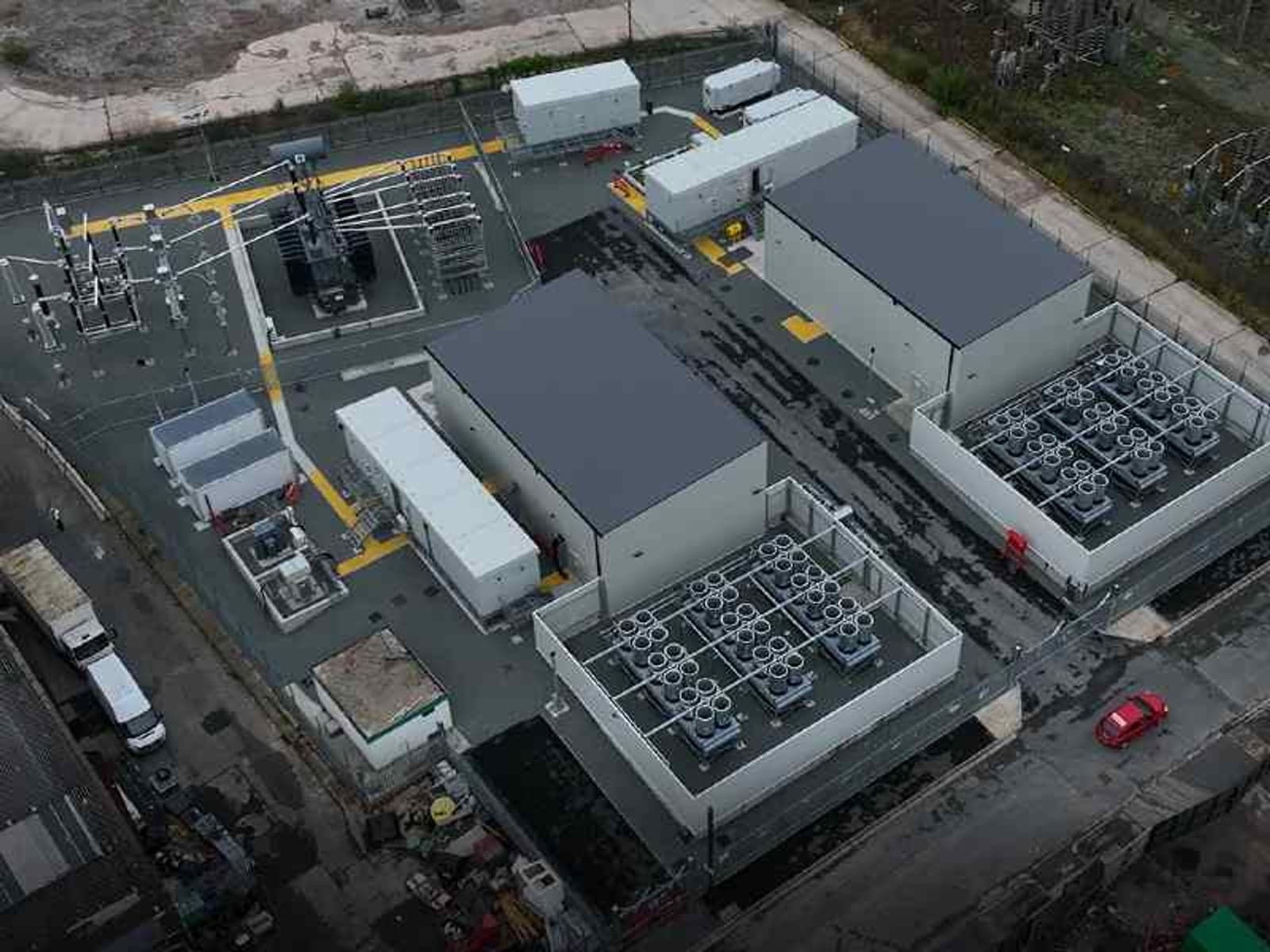
ABB has completed the installation of two high-inertia synchronous condensers at the Lister Drive Greener Grid Park in Liverpool, UK.
The systems are now operational and, according to ABB, are supplying around one percent of the UK’s projected inertia requirement for 2025.
The Greener Grid Park project was completed for Statkraft and includes a 10-year service agreement with ABB.
Have you read?
Synchronous condensers spin back grid inertia
ABB sells UK engineering consultancy to TÜV Rheinland
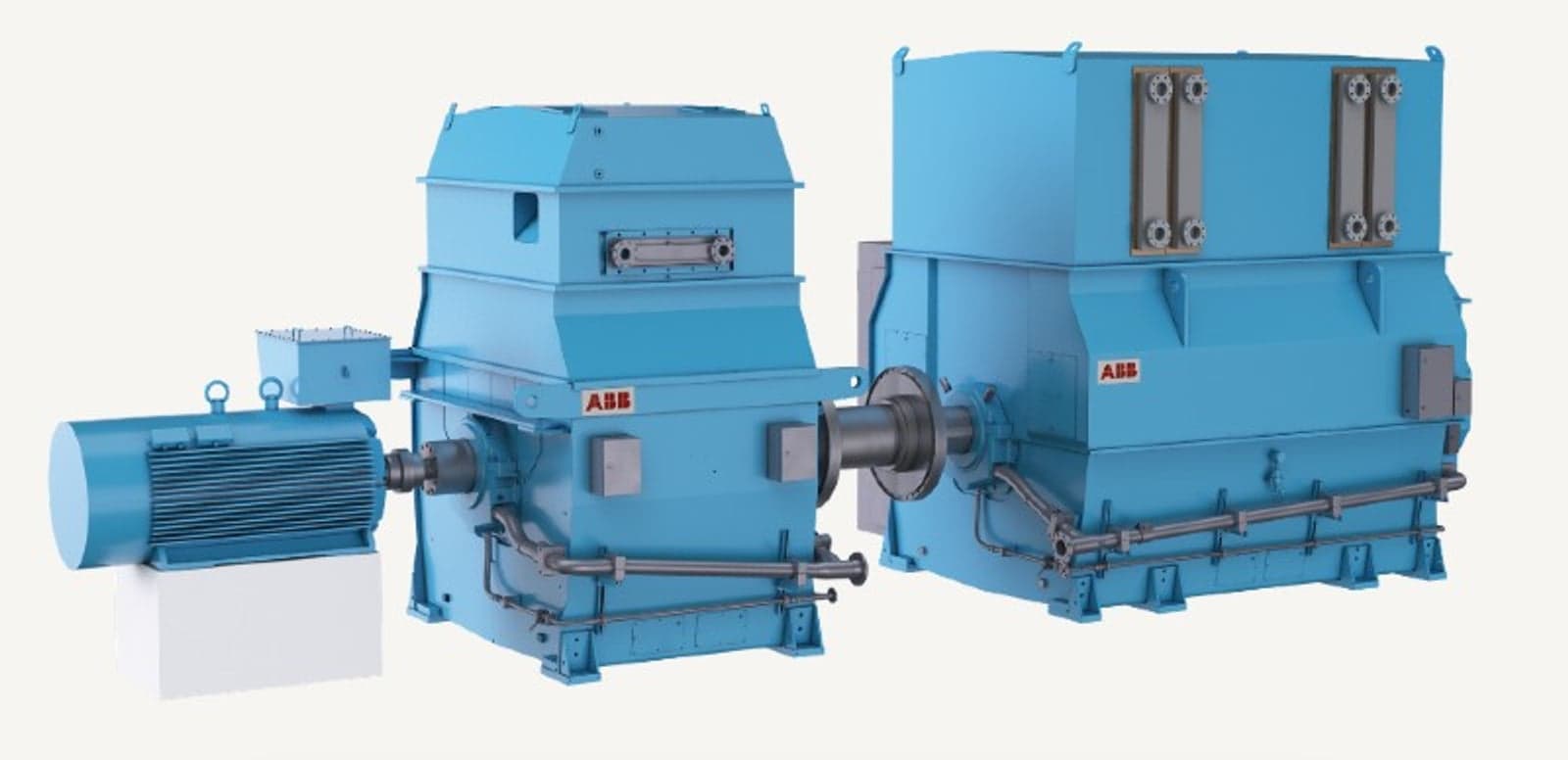
Synchronous condensers are large rotating machines that provide alternative spinning inertia as coal and gas-fired generators are taking offline. The Lister Drive project is unique, as it features a high-inertia configuration that couples a synchronous condenser with a 40 tonne flywheel.
According to ABB, this approach increases the instantaneously available inertia by 3.5 times to ensure the network frequency and voltage are held stable to maximise grid reliability.
Heikki Vepsäläinen, division president of ABB Large Motors and Generators, said “Decarbonisation of power generation is a vital element in the world’s journey to net-zero. Our challenge is to achieve this ambition while maintaining stable and reliable power networks. This is where synchronous condensers are set to play a key role.
"So, we are delighted to have worked with Statkraft on this ground-breaking project that is already demonstrating how innovative technology can address the inertia challenge.”
Statkraft’s return to Northern Europe’s “challenging and exciting” offshore wind space
Solutions like Greener Grid Parks are part of a broader scheme in the UK to restore the inertia that would be provided by five coal-fired power stations.
The Parks, according to Statkraft, are a collection of small buildings, usually located near substations, containing innovative technology designed to increase the amount of renewable energy transmitted through the national grid.