System integration key to absorbing price shocks says EASAC
Yusuf Latief
Posted on: 16 April 2026
The European Academies Science Advisory Council says system integration is a strategic imperative for Europe to mitigate the impact of energy price crises.

The European Academies Science Advisory Council (EASAC) has published commentary arguing that for Europe to mitigate soaring energy prices and ensure security of supply, energy system integration is imperative, with home-grown renewables and grid modernisation forming its backbone.
EASAC’s commentary emphasises that radical energy system transformation and integration has become a strategic imperative, providing a roadmap as debates intensify on how Europe can manage soaring energy prices, ensure security of supply, and restore affordability and industrial competitiveness.
It highlights how integrating renewable energy sources and modernising grid infrastructure can enable faster decarbonisation, reduce dependence on volatile fossil fuel markets, alleviate grid congestion, and lower energy costs.
EASAC, a network of National Science Academies of EU member states, cites how the closure of the Strait of Hormuz removed a significant supply of oil and liquefied natural gas from global markets, leading to what the International Energy Agency referred to as the “greatest global energy security challenge in history.”
This comes as Europe is making insufficient progress on strengthening power grids and deploying flexibility management systems, which are key to fully integrating renewable energy, says the council.
Additionally, electricity price spreads across EU borders, a proxy for congestion, remain significant in many areas, with highly congested borders showing persistent price divergence above €30/MWh, reflecting deep structural bottlenecks in the internal energy market.
Europe is facing simultaneous compounding pressure on energy security, cost-of- front, competitiveness of European industries and the impacts of climate change…we can solve all of these problems with one solution.
It is in light of these issues, as well as distributed social consequences, that EASAC advocates for energy system integration, which it defines as coordinated planning and operation of the energy system as a whole, across multiple energy supplies, carriers, infrastructures, and consumption sectors.
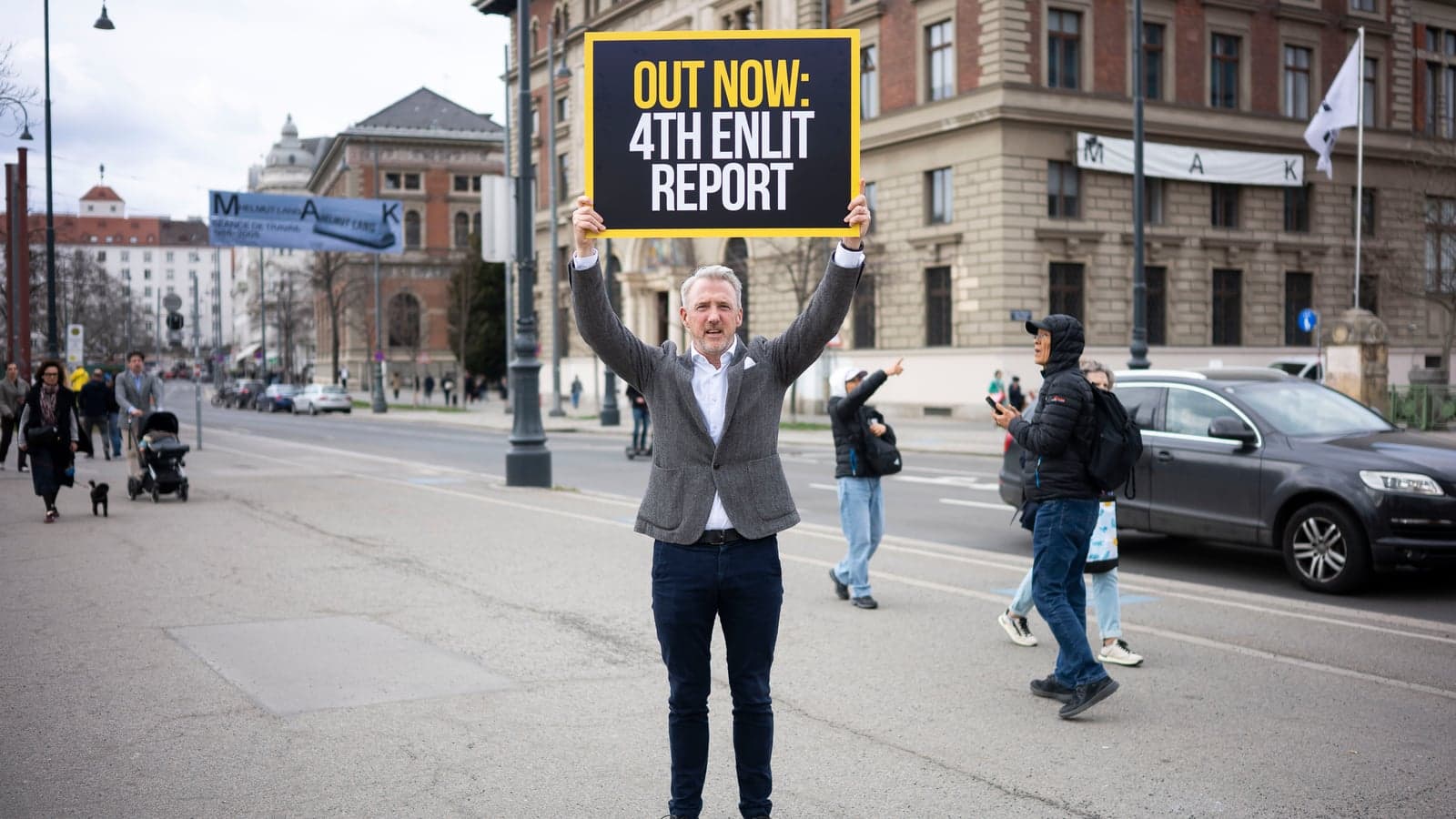
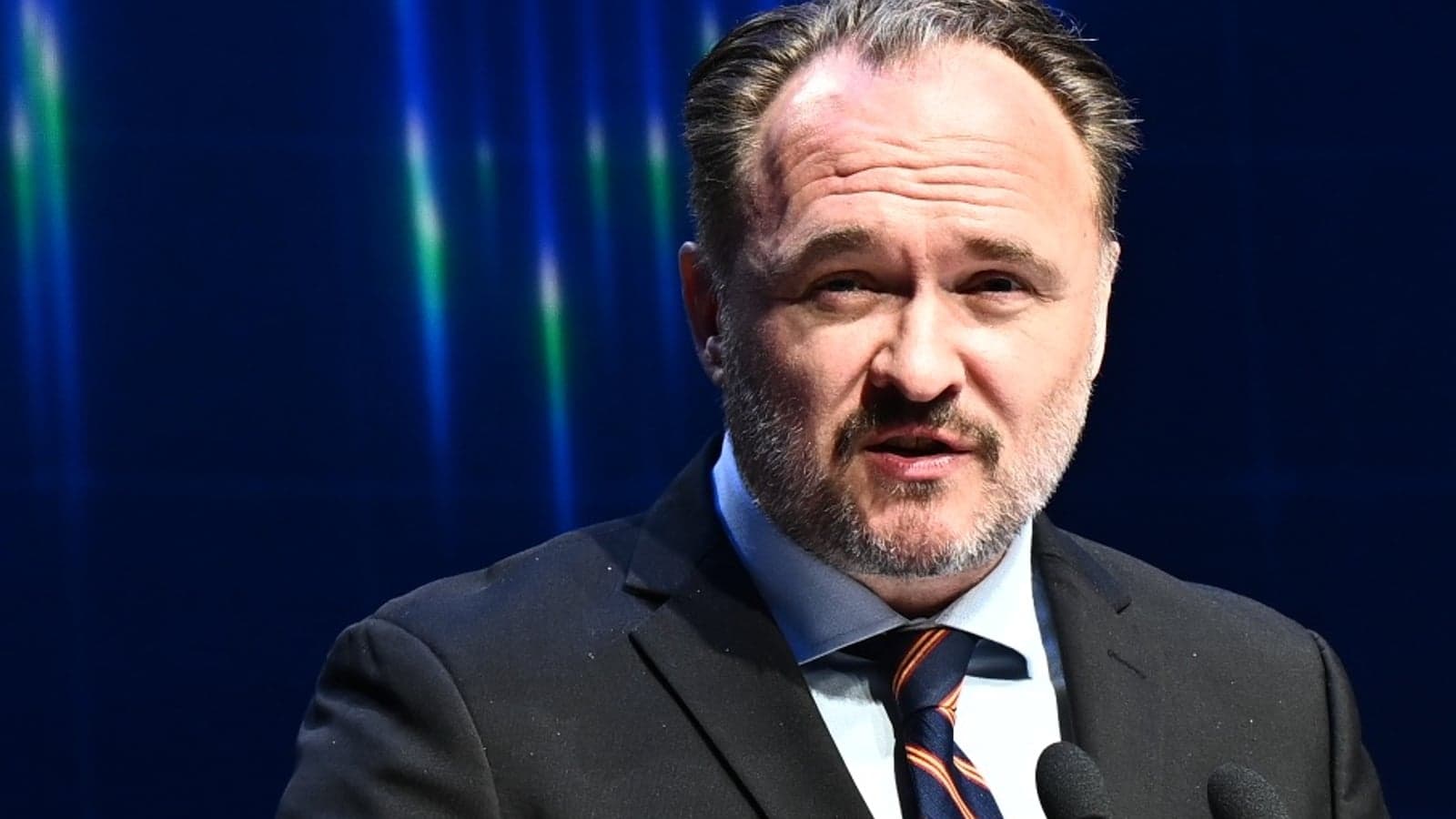
In a press briefing, Professor Neven Duić, Co-Chair of EASAC’s Energy Steering Panel, said: “Europe is facing simultaneous compounding pressure on energy security, cost-of- front, competitiveness of European industries and the impacts of climate change; all of this demands urgent policy action.
“Our commentary is quite clear that we can solve all of these problems with one solution.”
Indeed, according to EASAC, energy system integration can resolve these challenges in numerous ways:
- Coupling end-use sectors through electrification of heating, transport, and industry, as well as the integration of thermal energy storage, reduces the use of fossil fuels and thus costs;
- Implementation of grid flexibility management measures and appropriate voltage and frequency controls decreases dependency on backup generation from fossil fuels;
- Smart systems can match daytime loads with the available solar photovoltaic generation and optimise storage for night-time use, thereby reducing the needs for grid reinforcements with their associated costs and permitting delays.
Duić said: “Modelling studies confirm that integrated energy systems are more cost-effective and secure than independent sector-specific approaches. Importantly, electricity sector-only models that ignore interactions with the wider system can produce misleading results and generate artificial concerns about energy security.”
Barriers to integration
According to the commentary, several barriers abound that prevent energy system integration in Europe.
For example, not enough progress is being made in reinforcing transmission and distribution grids. This bottleneck, says EASAC, risks limiting the integration of variable renewable energy and increasing dependency on fossil fuel backup.
Additionally, increased digitalisation of the energy system raises its risk profile significantly. According to the commentary, ICT systems for grid management must be procured only from trusted suppliers, and operators require regularly updated cyber-protection training. Without this, integration itself becomes a source of cyber vulnerability.
According to EASAC, another big barrier is that of resistance from incumbent fossil-fuel suppliers. Duić said: “Incumbent fossil fuel suppliers…have to satisfy their shareholders, and they are pressuring for continuation of fossil fuel business models. These actors have financial incentive to resist the changes required for decarbonised, integrated energy systems, and they have quite a lot of finances, so they are using it to lobby against the fast change.”
Also of interest:
Strengthening European resilience to combat energy shocks
How should Europe think about energy sovereignty post-Hormuz?
Final ENTSO-E report sheds light on 'multiple factors' that caused Iberia blackout
The commentary also lists outdated institutional remits; regulatory and administrative bodies, it says, that were designed to manage a sector-based, largely fossil-fuel energy system. Their mandates, market rules, and governance structures require updating to reflect and support a more integrated approach.
There is also an unfair cost-benefit distribution, states the commentary. The benefits of integration accrue broadly, while the costs and disruptions can fall disproportionately on communities, small businesses, and households, creating opposition and political resistance that delays progress.
Finally, the commentary cites investor confidence. Duić said: “We need to have long term confidence, because long term infrastructure investment requires stable, credible, long term policy frameworks. Lobbying by industrial groups or political groups with vested interest to weaken existing frameworks must be actively resisted by policy makers at all levels.”
EASAC’s recommendations
To overcome these barriers, EASAC urges rapid implementation of the EU Strategy for Energy System Integration (2020), with emphasis on seven areas.
First and foremost, says EASAC, energy efficiency needs to be emphasised as integration encompasses not only energy supplies but also demand, with energy efficiency the first step across buildings, industry, and transport.
Professor Paula Kivimaa, Co-Chair of the EASAC Energy Steering Panel, said: “It's really a foundational no-regrets option that benefits energy security, affordability and sustainability at the same time.”
According to Kivimaa, this is because such measures reduce overall energy demand, reducing dependence on global fossil fuel supply chains.
What is always puzzling for me as a policy researcher, is that despite these obvious benefits of energy efficiency, it has been quite low on the policy agenda.
Additionally, she said it then reduces the need to build electricity infrastructure, which applies across buildings, industry, and transport - the main users of energy and electricity.
“This needs to be coupled with smart digitalisation systems, which are the backbone of integration, and have this load match with available generation and optimise storage, which is really vital now that we have increasing wind and solar generation.”
“What is always puzzling for me as a policy researcher, is that despite these obvious benefits of energy efficiency, it has been quite low on the policy agenda. In many member states, the implementation is low.”
Another recommendation highlighted by Kivimaa is that of citizen support and engagement. “While we progress with the energy transition, it's vital that energy justice and a just transition is a prerequisite.
“For instance, increasing distributed energy sources such as solar energy or the use of heat pumps means that we can have more active energy consumers that can produce their own energy partly or fully. This also improves citizens’ energy resilience in times of high prices or energy crisis.
“However, energy systems and markets are quite complex. So one important factor is to create more accessible knowledge and information for the general public on how energy systems and markets work, and also what energy system integration actually means and what opportunities it provides.”
Other recommendations from EASAC include:
- Protect ICT and enhance cyber security. Digitalisation, says the commentary, must be accompanied by robust, regularly updated cyber protection systems procured from trusted suppliers, and skilled operators trained to use them;
- Incentivise heat and electricity storage, and demand response. Time-of-use tariffs and market mechanisms for flexibility services (storage, demand response, backup generation) must be developed and harmonised across Member States;
- Foster interconnections. Cross-border grid interconnections must be expanded and reinforced; congestion is a persistent structural problem that cannot be solved by market measures alone;
- Enable time-of-use tariffs and demand response. These are essential for mobilising the flexibility potential in buildings, transport, and industry; their absence in many Member States continues to limit uptake;
- Commission independent monitoring. Progress with energy system integration must be tracked independently and by Member States through their National Energy and Climate Plans. What is not measured cannot be managed, says the commentary.
Kivimaa said: “We're arguing that integrating renewable energy sources and modernising grid infrastructure can enable not only faster decarbonisation, but can reduce our dependence on volatile fossil fuel markets, alleviate grid congestion and lower energy costs for everyone.
“What we have really seen during this decade is that it's not enough that we just replace one natural gas source with another. We really need to move fast with grid integration and also energy system integration, which is a pre-condition for the European Commission successfully delivering on the EU Clean Industrial Deal.”