The energy crisis: "It's like George Clooney's The Perfect Storm"
Pamela Largue
Posted on: 18 January 2023
What makes the energy crisis particularly challenging is Russia's market manipulation| drought and missing nuclear capacity in France.
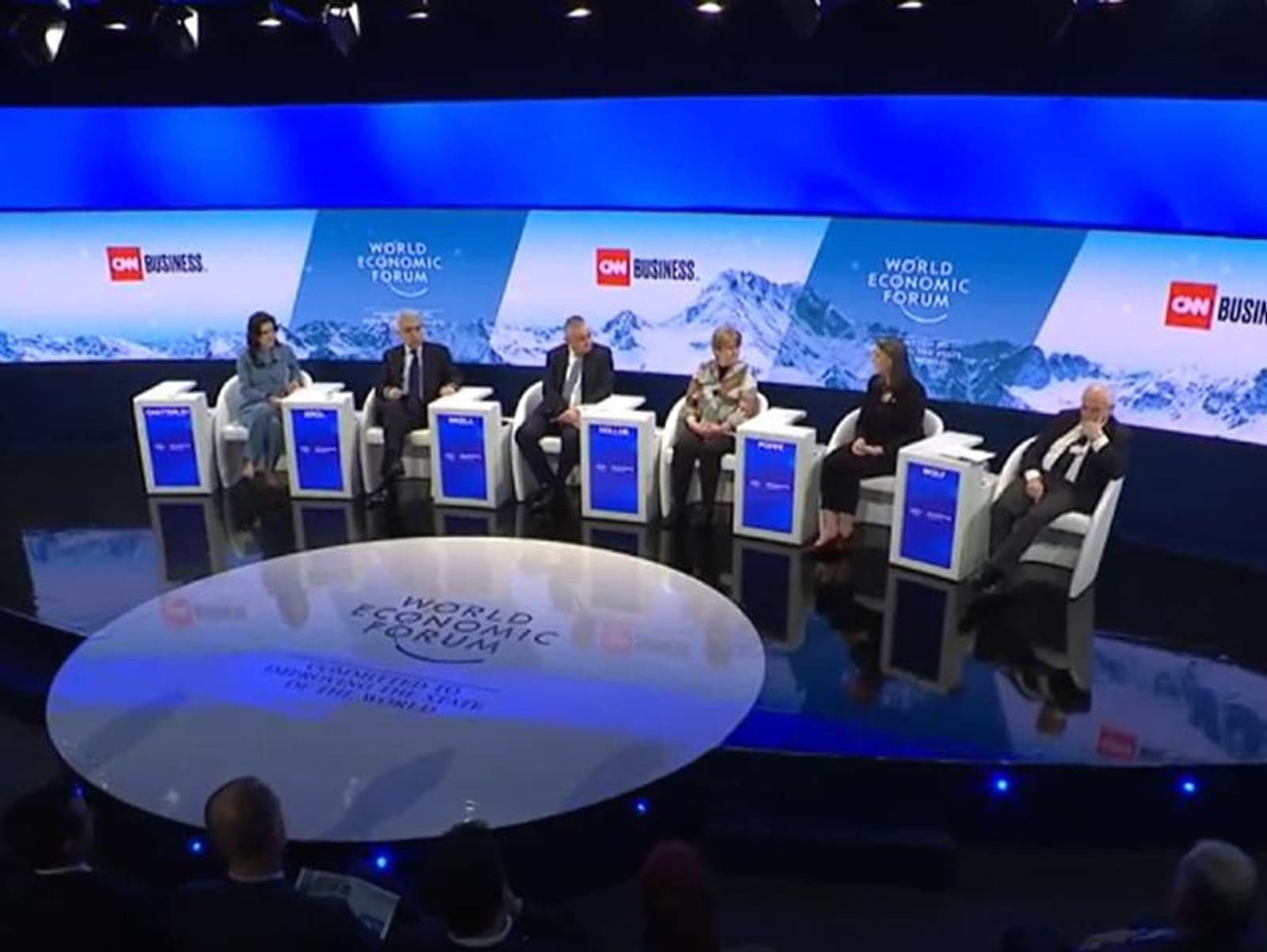
What makes the energy crisis particularly challenging is Russia's market manipulation which began before the war, drought impacting hydropower output, missing nuclear capacity in France, and record price highs caused by filling gas storage before winter.
These were the sentiments expressed by Jozef Sikela from the Ministry of Industry & Trade, Czech Republic at the World Economic Forum in Davos, who compared the current crisis to a movie, "It's like George Clooney's The Perfect Storm".
He emphasised that the situation has been particularly dire for a landlocked country such as the Czech Republic, which was completely reliant on Russian fuel.
However, unlike the movie where the fishing vessel sinks and there are no survivors, the panelists in the session, Mastering New Energy Economics, believe there is a light at the end of the energy crisis tunnel.
Also of interest?
French nuclear fleet failure, drought and war to blame for record power prices in 2022
Delivering a more efficient and resilient energy system
According to Sikela, Europe has demonstrated its propensity for solidarity, resulting in packages to balance supply and demand and reduce prices. Furthermore, the need for energy security has boosted clean energy development. Energy security is now one of the biggest drivers of renewables growth, added Sikela, "renewables are the energy of peace."
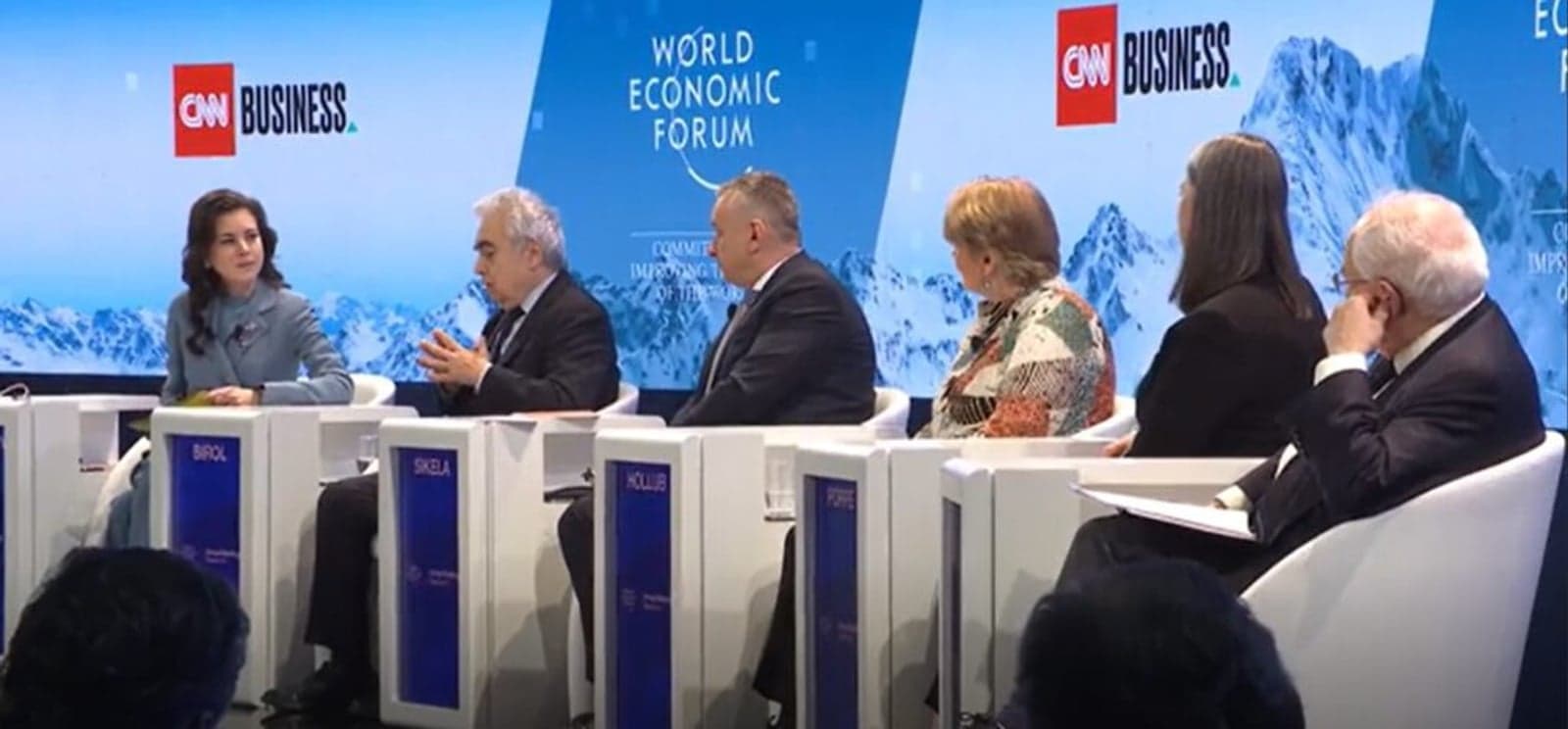
This was reiterated by Fatih Birol, executive director of the IEA, who stated renewables grew 25% in 2022 showing unprecedented growth resulting from significant new industrial policies.
Big storms raising ambitions
Patricia K. Poppe, CEO of PG&E, added a positive spin by highlighting the innovative solutions coming to the fore in response to the climate and energy crises.
According to Poppe, California is on the front line of the war on climate, with increasing floods, storms, snowfall and wildfires hitting the state. However, as the challenges rise, so too do the climate ambitions and Poppe made it clear, "[we are] looking to lead the climate transition in a systems mindset - optimising the system with the lowest societal cost".
"I see a clear and specific pathway to the lowest societal cost of the transition by optimising distributed resources along with central station traditional sources of supply but optimised in a very specific way ... Demand management with modern technology can be automated with smart devices, wifi communication and electric vehicles as a bi-directional power resource...
"We can now manage demand and have the right use at the right time ... to smooth out the demand curve and have distributed, variable resources that can deliver. "
No time for complacency
Martin Wolf, associate editor and chief economics commentator of The Financial Times, agreed that an entire systems approach is required, as only a systems mindset would help achieve the sizable emissions reduction required by 2030.
According to Wolf, even though the renewables technology is becoming increasingly cost-competitive, the magnitude of the challenge means we can't only rely on market forces to get there in the time we have.
Keeping to 1.5 degrees "is just not on the horizon", said Wolf.
"Let's not be complacent, we need a massive acceleration of the transformation from where we have been and that will require dramatic changes in policy, serious incentives, and serious derisking of investment across the world and not just in our own countries...
"We've got to a more comfortable position technologically and economically than most thought 20 years ago, but we haven't got the world into a more comfortable position and we should not pretend we have."
Solving the energy crisis and promoting energy security are key topics of discussion at the World Economic Forum, taking place until 20 January.