The EU Green Deal turns five: is it a happy birthday?
Guest/partner contributor
Posted on: 12 October 2024
On the fifth anniversary of the Green Deal, Eurelectric Secretary-General Kristian Ruby evaluates the highs, lows and unforeseen turns.

On the fifth anniversary of the Green Deal, Eurelectric Secretary-General Kristian Ruby evaluates the highs, lows and unforeseen turns.
A roller coaster: that’s what the last five years have been like for the European power sector.
The massive push for decarbonisation and electrification with the EU Green Deal got complicated soon after its launch by the COVID-19 pandemic, which challenged supply chains and disrupted investment plans. The pandemic was followed by the energy crisis, which rocked markets and forced the EU to rethink its approach to energy security. Mounting foreign competition from China and the US on clean energy technologies has been the ultimate wakeup call. A decarbonised economy cannot do without a competitive domestic industry.
The EU responded with ambitious renewable and climate targets, a reformed electricity market to address volatile energy prices and a heightened focus on security and industrial competitiveness.
What has come out of these measures? Let’s have a look.
Highs: record green generation, lower emissions and phasing fossils out
On the bright side, the electricity industry is decarbonising at an astonishing pace.
Eurelectric’s latest Power Barometer shows that in 2023, the power sector slashed emissions by 36% compared to 2019 – the highest decrease compared to all other sectors – and is well on track to reach carbon neutrality by 2040. The sector was also the main driver behind the 15.5% record emissions reduction attributable to the EU’s Emissions Trading System (ETS) experienced last year, as confirmed by the European Commission.
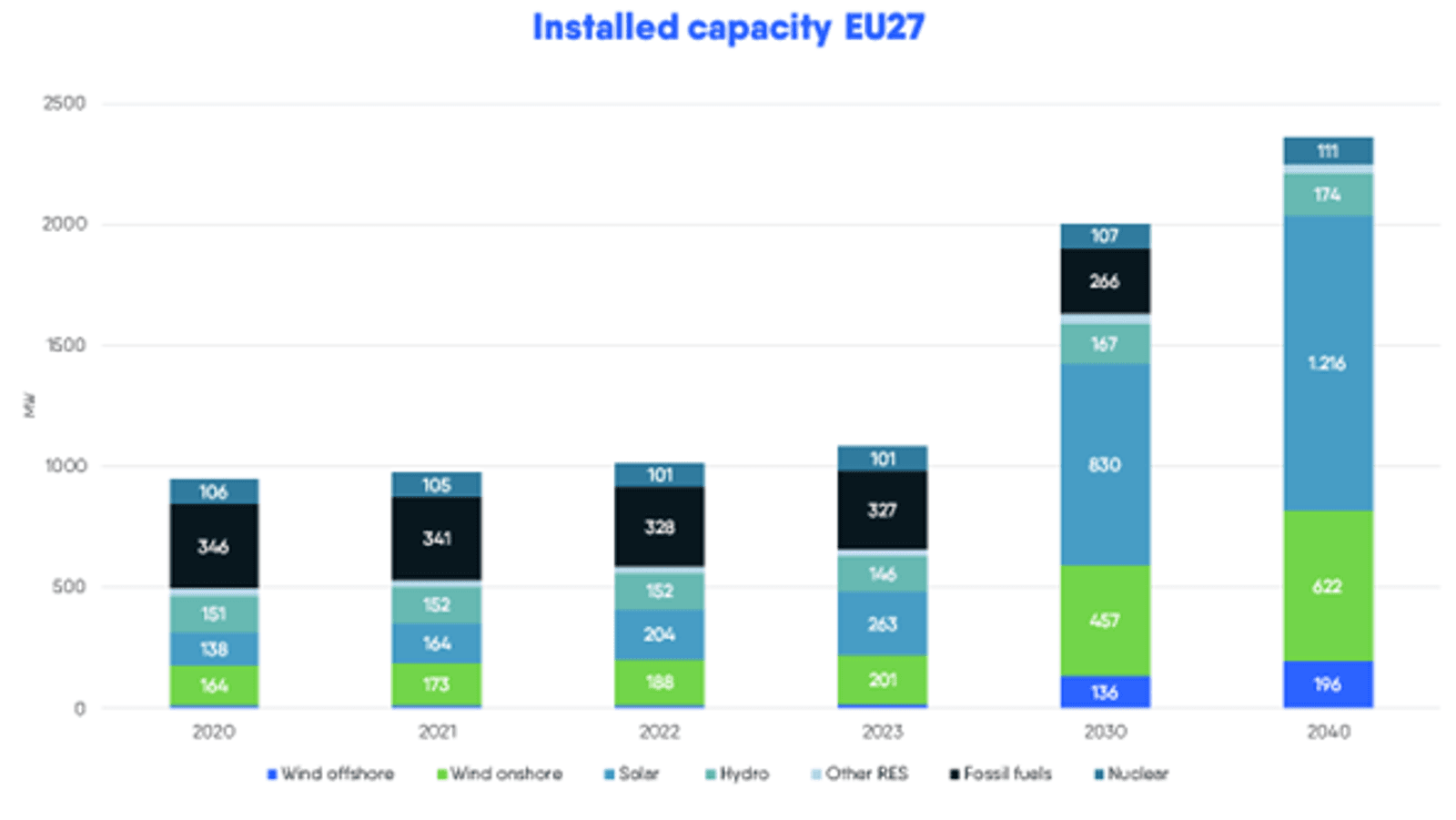
2024 is another year of records as the EU registered the greenest power generation mix ever with renewables accounting for 50% of all power production. Nuclear remains the single largest source of power generation in Europe, with a share of 24% so far.
We are also kicking fossil fuels out of our broader energy mix, although not yet at the desired speed. The EU significantly reduced its dependence on Russian gas imports from 45% in 2021 to 15% in 2023, axing 55 billion cubic metres of gas. To put the numbers into perspective, Europe eliminated gas consumption corresponding roughly to Turkey’s entire gas demand in 2023. The import bill, however, remains much too high. In 2023, the EU spent around €451 billion on fossil fuel imports, confirms Eurostat.
Overall, we can safely say that the decarbonisation of the power sector is a success story. But as in any story, unforeseen perils are right around the corner.
More insights from Eurelectric:
Europe’s economy not electrifying fast enough – Eurelectric
Eurelectric chief Ruby issues ‘67 billion or bust’ warning on grid investment
Lows: declining power demand, industrial slowdown and misleading taxation
Electricity is supposed to make up 50% of final energy consumption by 2040, powering transport, heating and energy-intensive industry sectors. Nonetheless, demand has been declining. After stagnating at 23% of final energy consumption for the last 15 years, electricity demand started declining due to a strong bout of industrial curtailments following the pandemic and energy crisis. Today, there are early signs of demand recovering, but nothing like in other parts of the world.
While the reasons for the decline span from higher energy efficiency to milder weather, more than 50% is due to industrial slowdown. During the energy crisis, factories were shutting down and relocating abroad because of uncompetitive energy prices in Europe. The political response should be climate compatible and should foresee a bigger role for clean electricity across manufacturing industries.
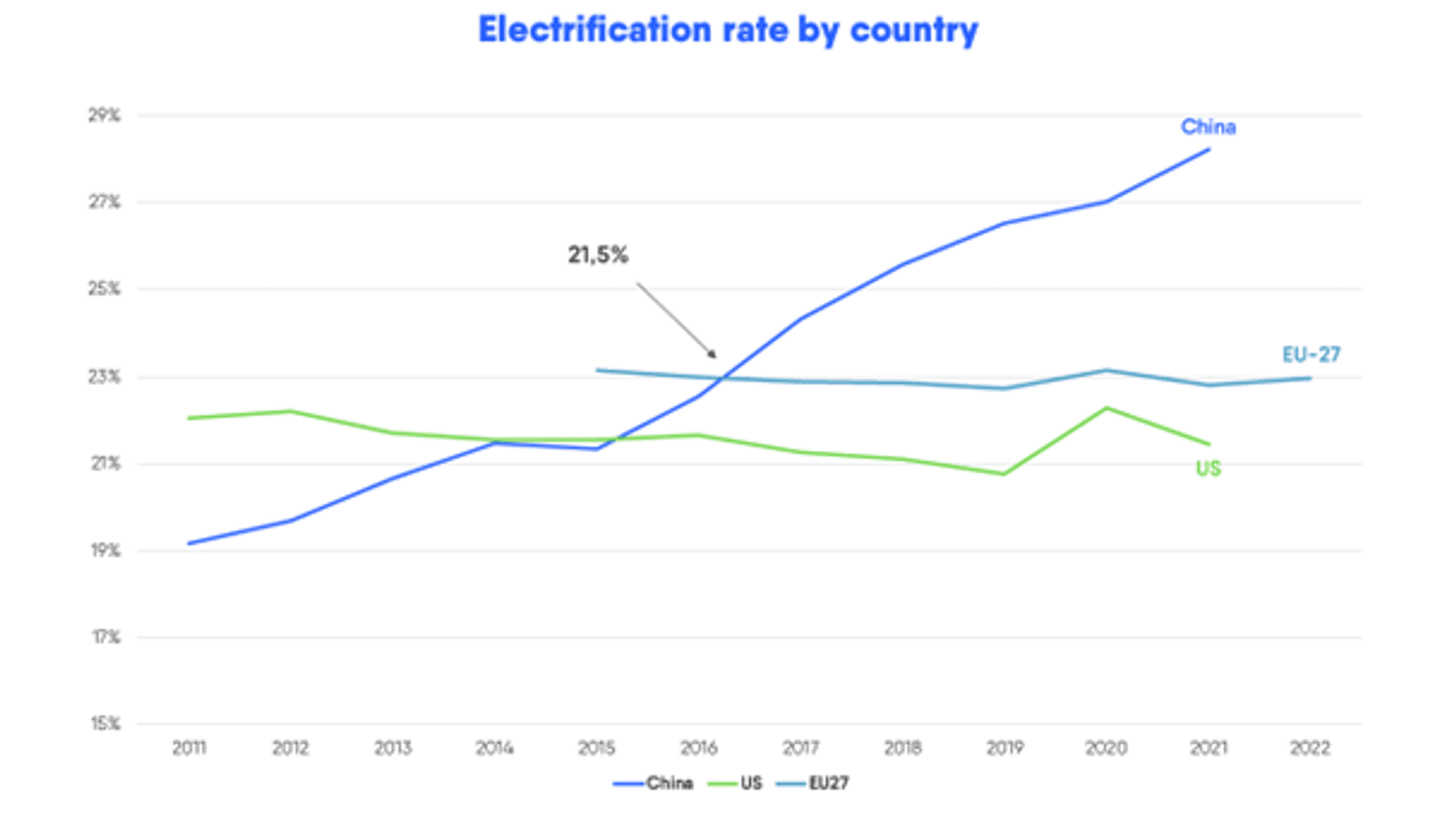
There is a widespread misunderstanding that direct electrification cannot power industrial processes. It’s time to correct this misconception. Heating for various industrial processes uses 63% of industries’ energy consumption. Today only 4% is electrified, but many of these processes could be directly electrified with multiple technologies already available for various temperature ranges. These include electric boilers, arc furnaces, heat pumps, induction heating, plasma torches and more.
According to a recent study by McKinsey, at least half of the fuels used by industries for industrial processes up to 1,000°C could be replaced with electricity. Taking the electric turn does not require a structural change in the setup but rather minor replacements of equipment. For industry to take this turn, however, electricity prices must be competitive.
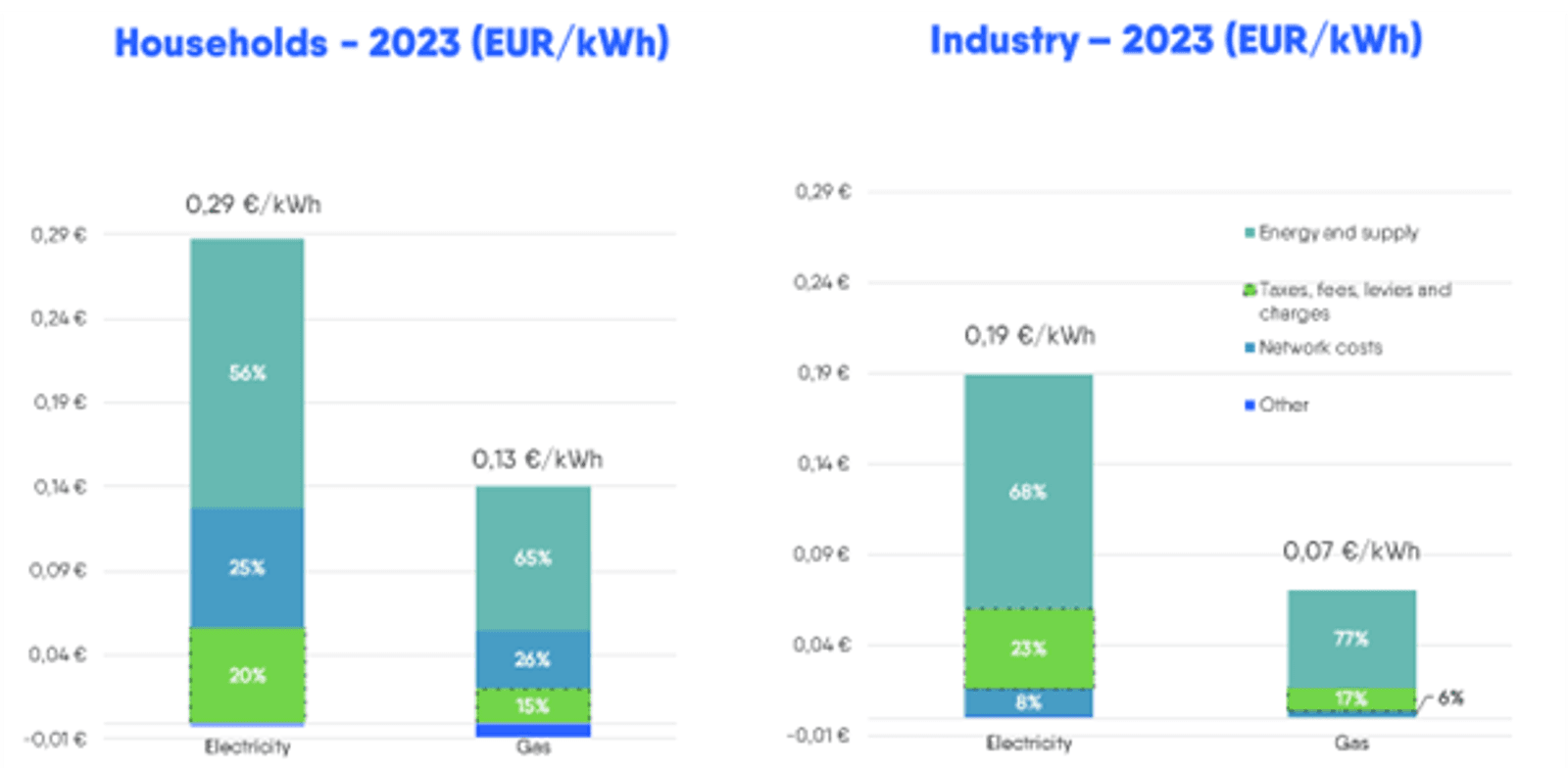
Electricity must be taxed more fairly. Europe currently has a taxation policy which still favours gas over power. Even with the lessons learned from the energy crisis, Europe’s electricity is twice as expensive on average as gas, for both households and businesses, with taxes making up 1.4 times more of the electricity bill compared to gas. Fixing this imbalance is critical to aligning energy bills with the energy transition.
Unforeseen turns: negative prices and capital costs
We live in a world where capital is not as cheap as it used to be. This is affecting power companies’ balance sheets and directly impacting their investment decisions. Several of Europe’s major utilities are either planning to or have already scaled back investments in renewable energy due to high capital costs and waning demand.
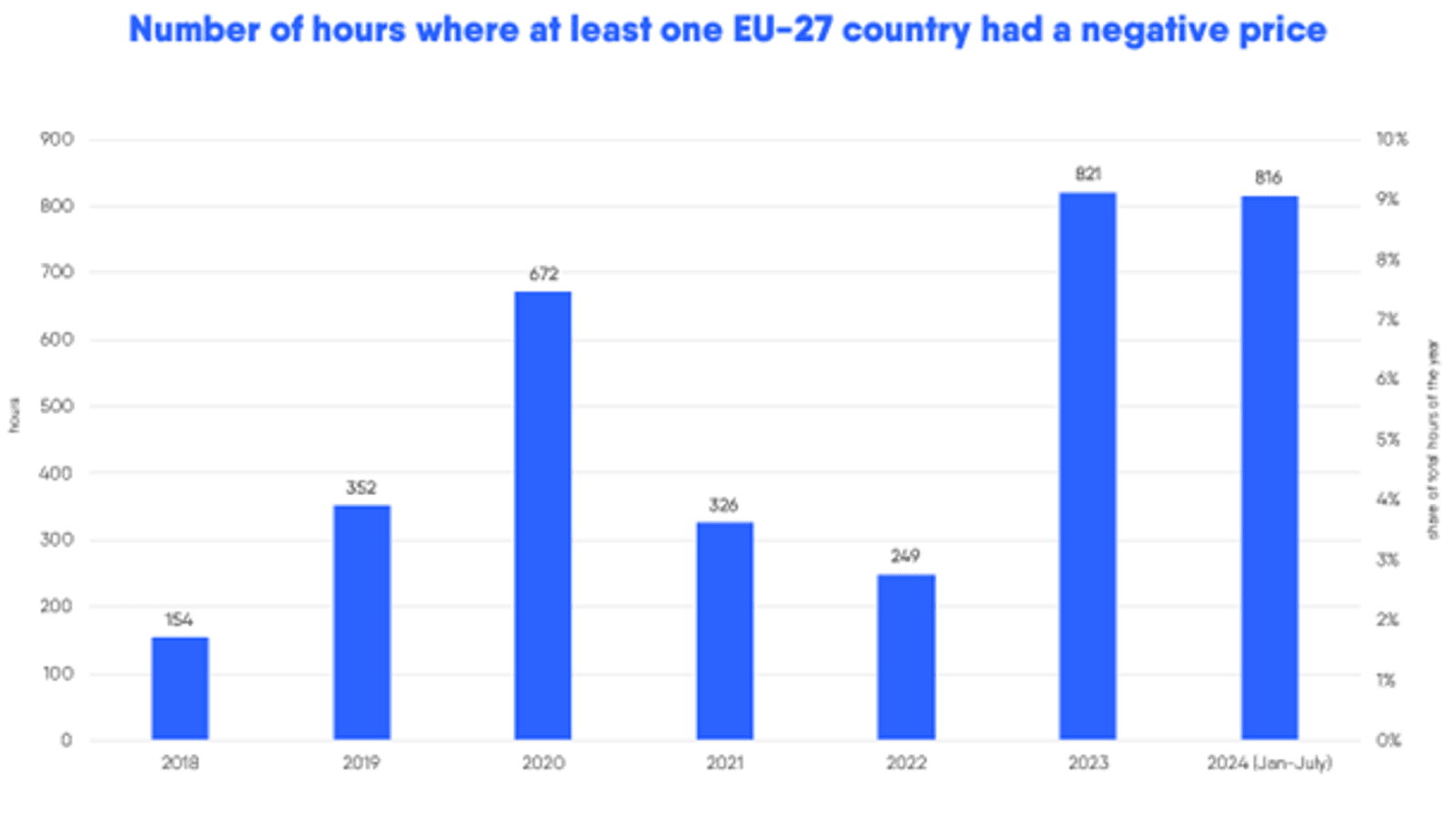
On top of this, the influx of weather-dependent renewables means that negative price occurrences are on the rise in Europe. As of July 2024, prices went below zero almost 6000 times across the EU, with renewable and nuclear suppliers paradoxically having to pay to supply electricity to the grid.
Beginning a new ride at the right speed
As the EU begins a new legislative ride, four ‘I’s are crucial to address unforeseen turns, level out the lows and aim for even greater highs:
• Implementation of the existing EU legislation and regulations at the national level must be monitored and ensured, without rolling back on what was passed in the prior legislative term.
• Infrastructure development should be facilitated by building out the power grid while modernising what already exists to ensure timely grid connections and accommodate the unprecedented increase in variable renewable capacity. Succeeding in this infrastructure overhaul will require €67 billion in annual investments from 2025 to 2050, as shown by a study modelled by Imperial College London on behalf of the electricity industry. Forward-looking investments, optimal asset management and grid-friendly flexibility are all necessities to lower the infrastructure investment need.
• Investment must be incentivised to develop new clean generation capacity as well as firm and flexible resources via innovative derisking mechanisms, increased access to EU funds and the creation of a Savings and Investment Union.
• Industrial competitiveness driven by electrification is key for the EU to achieve strategic autonomy and decarbonisation of industries and raise demand for electricity. Economic barriers to increased electrification of industrial processes need to be addressed in a Clean Industry Deal to complement the EU Green Deal.
Get this combination right, and our energy rollercoaster will hopefully offer a slightly smoother ride.