Home
/
The EU Projects Zone Podcast: Project TRINITY – addressing southeastern Europe's energy market challenges
The EU Projects Zone Podcast: Project TRINITY – addressing southeastern Europe's energy market challenges
Jonathan Spencer Jones
Posted on: 10 June 2022
Project TRINITY is designed to enhance cooperation and coordination among the transmission system operators (TSOs) of southeastern Europe.

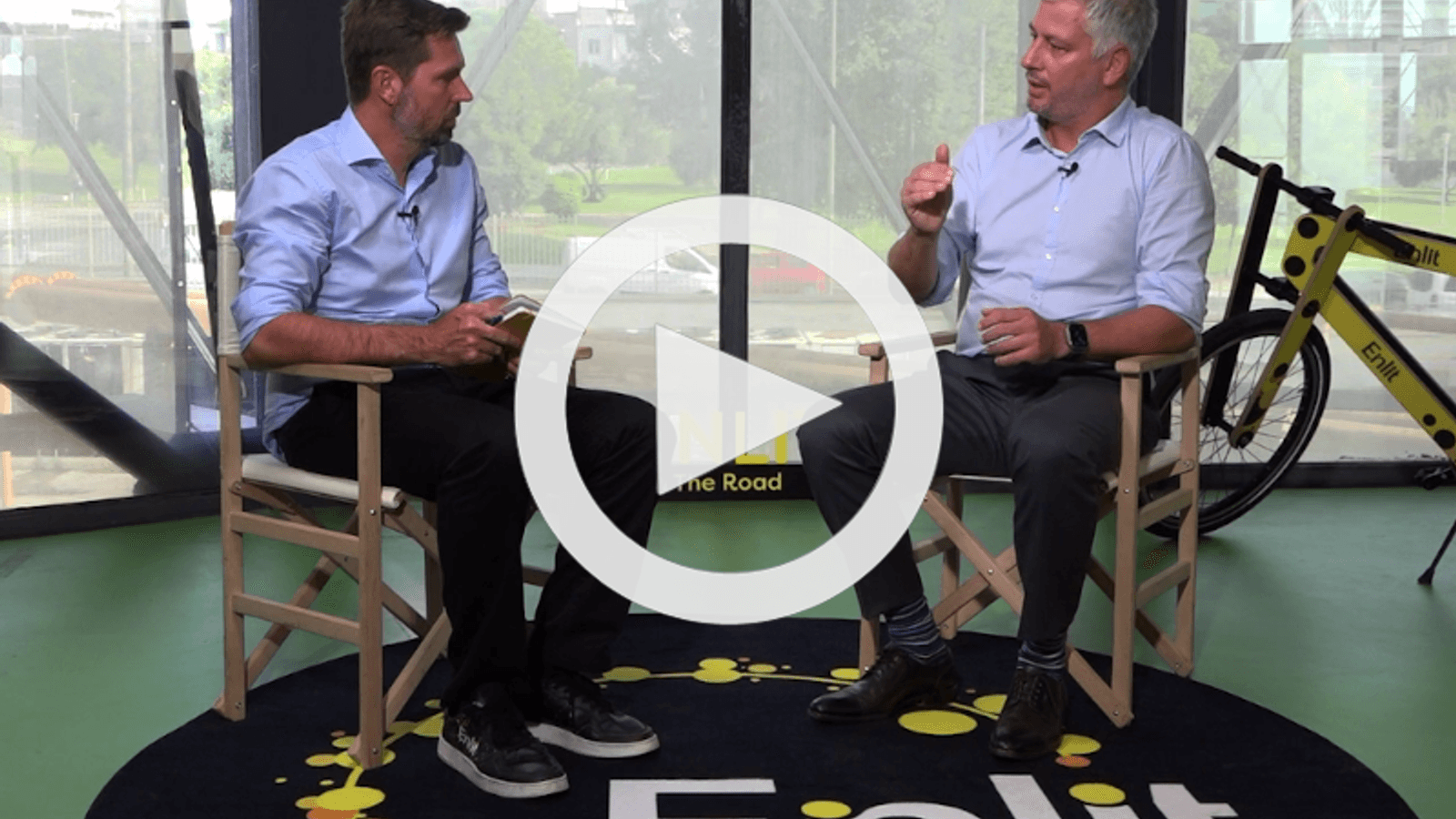
In this episode of The EU Projects Zone Podcast, Areti Ntaradimou speaks with Álvaro Nofuentes Prieto to find out more about project TRINITY, which is designed to enhance cooperation and coordination among the transmission system operators (TSOs) of southeastern Europe.
Project TRINITY (TRansmission system enhancement of regIoNal borders by means of IntelligenT market technologY), supported by the Horizon 2020 programme, has at its heart the closer integration of the electricity markets of the nine countries in the region – from north to south Hungary, Croatia, Bosnia and Herzegovina, Montenegro, Serbia, Romania, Bulgaria, North Macedonia and Greece.
In a podcast, Álvaro Nofuentes Prieto, an engineer with Grupo Etra who is coordinating the project, explains that while countries in northern and western Europe have made progress in the adoption of a single electricity market, in southeastern Europe there are barriers that need to be tackled.
“These countries don’t have the economic resources or economic power of other parts of Europe and they are missing some relevant technologies that could increase their potential,” says Nofuentes.
He notes that the project’s intention is to fill this gap and that the countries share characteristics that make them suitable for interconnection.
“Some of these countries were part of the former Yugoslavia and have internal transmission system connections and for example the interconnection between Serbia and Bosnia is among the greatest in Europe and could facilitate the integration among themselves.”
As an example of how TRINITY is supporting cooperation, Nofuentes cites improved communication channels between the TSOs.
Based on the demonstrations, we will provide recommendations and a roadmap for the evolution of regulation to make it more homogeneous and to facilitate the harmonisation work by regulators.
“When there is an issue between TSOs, they normally aim to solve it via phone and email. It is a way to perform this action but we are developing a powerful communication platform to enable them to solve it very quickly. They have to have cooperation and we want to facilitate it via technology.”
Regarding the different regulatory regimes in the various countries, Nofuentes says that as a research and innovation initiative, it has the flexibility to address that.
Listen also to other episodes of The EU Project Zone Podcast:
FITGEN with Michele de Gennaro
GIFT with Igor Steiner
Project POLYPHEM with Alain Ferriere
Project MERLON with Antonis Papanikolaou
“Based on the demonstrations, we will provide recommendations and a roadmap for the evolution of regulation to make it more homogeneous and to facilitate the harmonisation work by regulators.”
He adds that these also should facilitate interconnection of the region with the rest of Europe.
Looking ahead, Nofuentes says that projects like TRINITY are important and should continue to be funded by the European Commission, which also will need to facilitate the regional integration at the legal level.
He also suggests integrating these countries into some of the main harmonisation projects currently under way in Europe.