The role of a TSO in the energy transition: RTE in Hauts-de-France
Enlit Editorial Team
Posted on: 25 September 2023
RTE plays an essential role in the energy transition across France, and particularly in one of Europe's most energy-intensive regions.
Transmission system operator RTE plays an essential role in the energy transition across France, and particularly in one of Europe's most energy-intensive regions, Hauts-de-France.
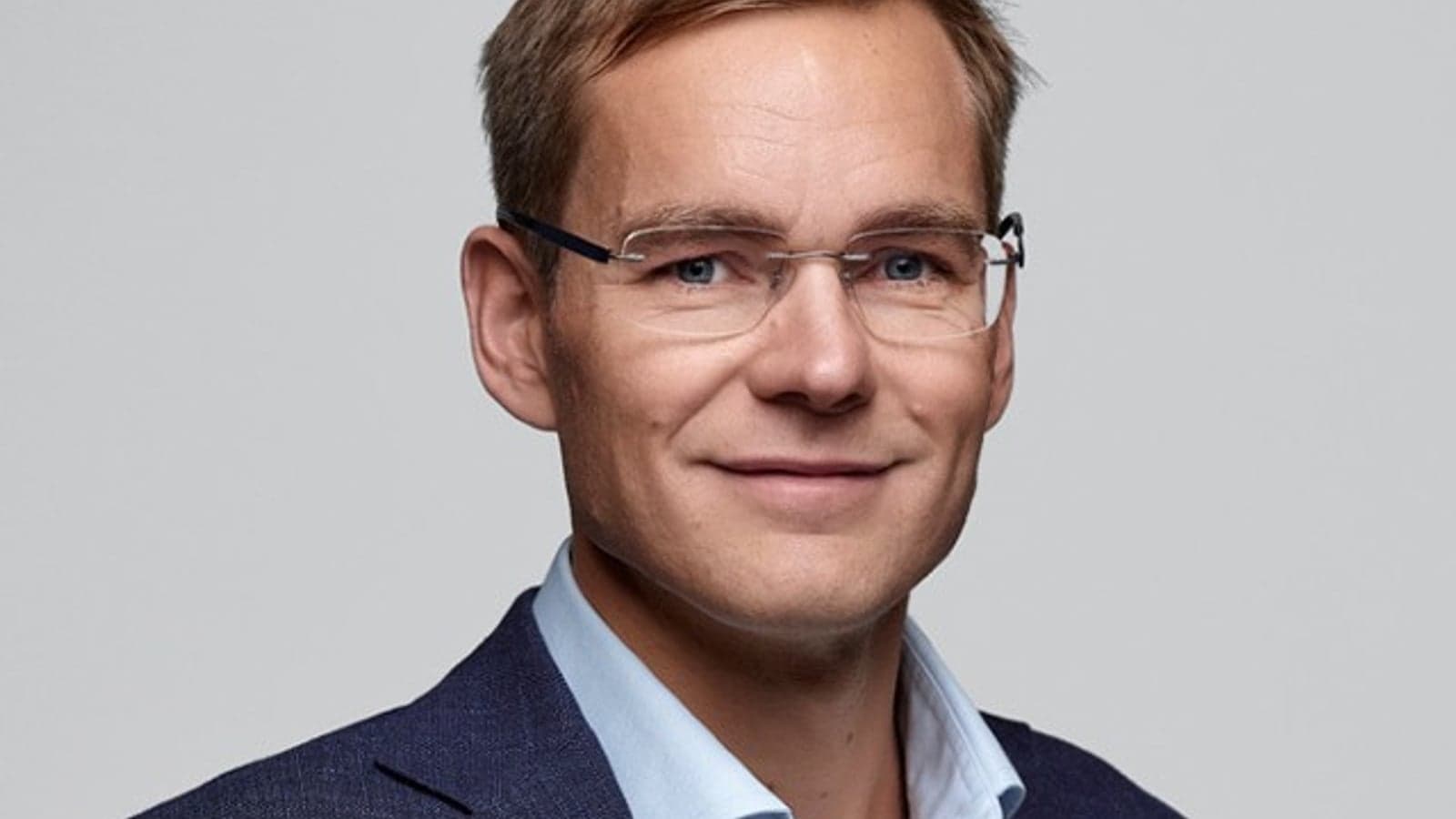
In an exclusive interview with Enlit on the Road, Laurent Cantat-Lampin, the Regional Delegate for RTE in Hauts-de-France, provides valuable insights into the significant evolution of the region, which acts as a key transmission point in connecting Europe today, and in the future.
RTE manages the high and extra-high voltage electricity network in France, with three fundamental missions: ensuring electricity availability, facilitating the energy transition, and providing expertise to inform public decisions.
On a European level, transiting energy between the wind-intensive regions of northern Europe and the solar-rich regions of the south leaves the French TSO with a crucial role.
Read more:
How Enedis is accelerating regional development in Hauts-de-France
Site visit: France’s first EV battery gigafactory
Hauts-de-France: A region focused on an energy revolution
Facilitating the energy transition
“Our first mission is to ensure that electricity is always available to everyone. As electricity is still difficult to store on a large scale, RTE is responsible for balancing production with French consumption every second,” Cantat-Lampin explained during Enlit on the Road’s visit to the RTE showroom in Lille.
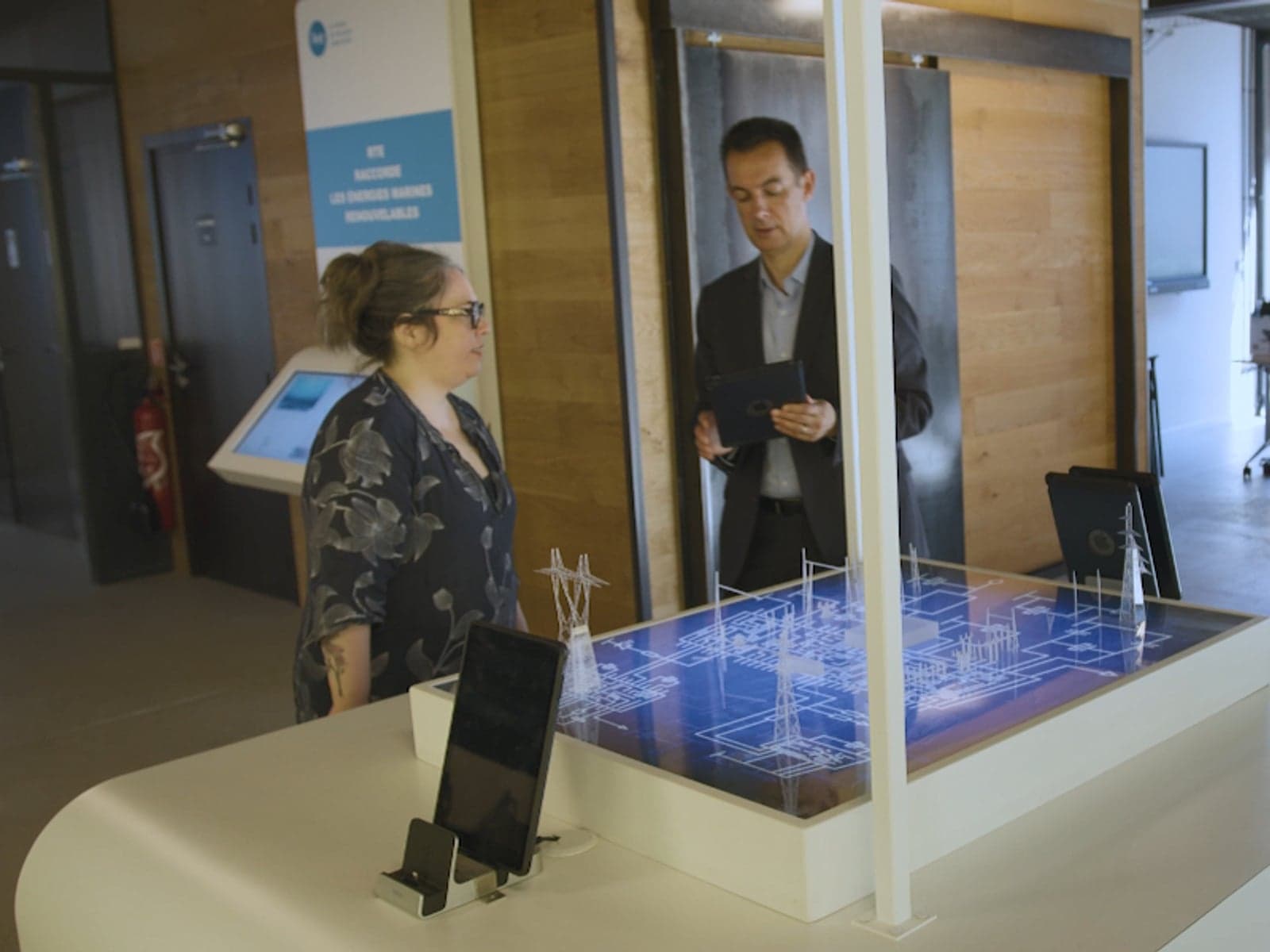
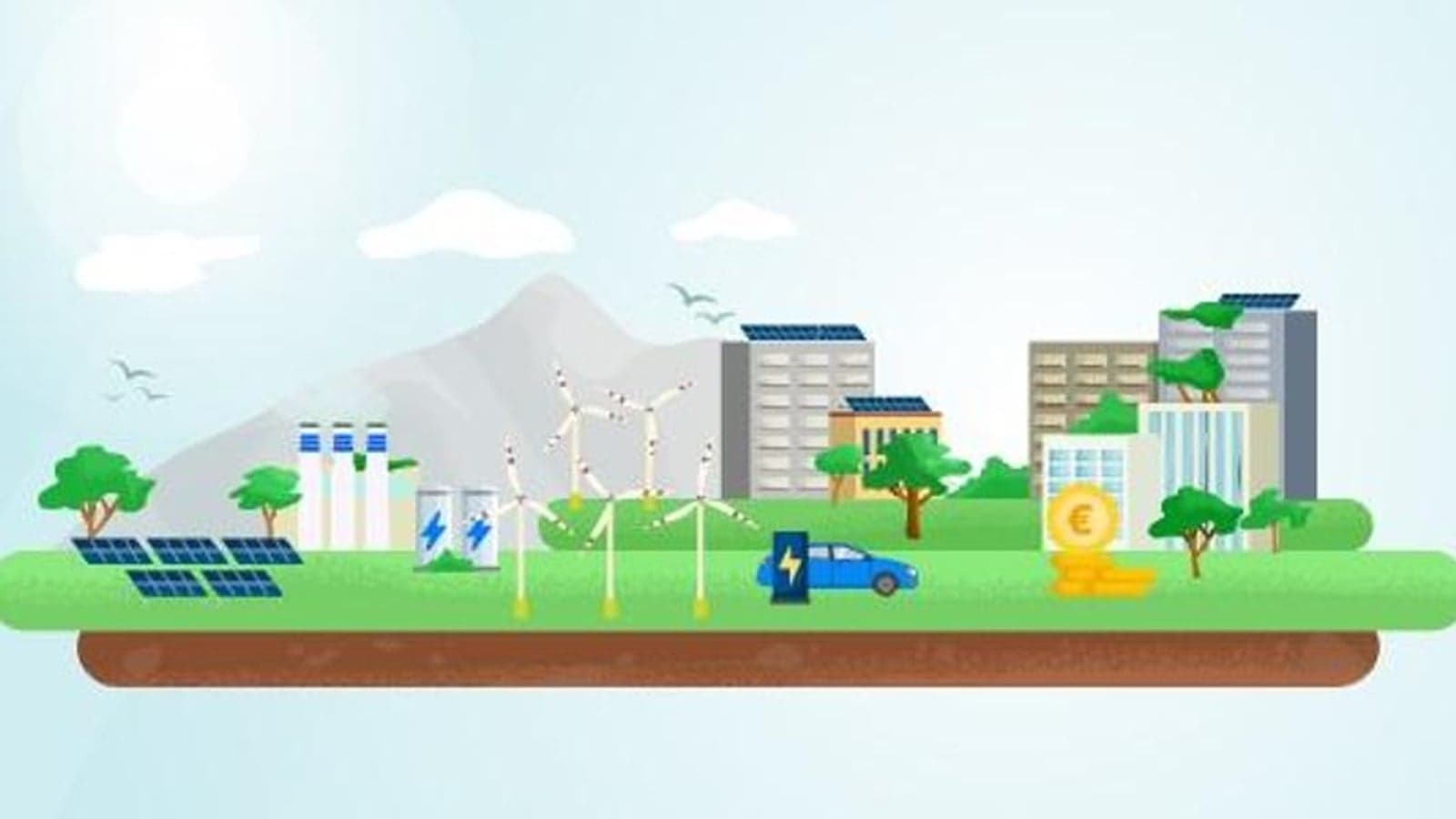
“Second is to make the energy transition possible by adapting the power grid. We must respond to the development of renewable energies and decarbonization industries.
“Our mission is also to inform the decisions of public authorities on energy issues. We make our data and expertise available to all.”
Cantat-Lampin underscores the importance of transitioning away from fossil fuels to achieve carbon neutrality by 2050, a goal set not only by France but also by Europe. Electricity, emerges as a pivotal tool in this endeavour.
As Laurent explains, “Fossil fuels still account for 60% of France's energy consumption. The main lever for moving away from fossil fuels is electricity, which is virtually decarbonized in France."
This shift towards electrification necessitates the development of electricity production facilities while promoting energy efficiency and conservation.
In Hauts-de-France, this transition is already underway, with industrial sectors like steel and cement working to decarbonise their processes.
“As an example, ArcelorMittal Dunkerque has already launched its project to convert furnaces currently fuelled by coal to electric furnaces. This will save a considerable amount of CO2,” he explained.
The addition of four battery gigafactory projects to the region marks a substantial step towards electric mobility.
“All these upheavals are leading to the development of a new industry based on electric mobility, vehicle batteries, and green hydrogen. Finally, the Hauts-de-France Region is experiencing significant growth in renewable energies, particularly wind power. For RTE, all this is leading to an increase in requests for connection to the power grid,” added Cantat-Lampin.
Interconnectivity and Collaboration in Europe
Cantat-Lampin also emphasizes the interconnected nature of the European electricity market, highlighting that 300,000 kilometres of transmission lines operate at the same frequency, and over 400 interconnections link European countries.
“Over the past 25 years, an integrated, interconnected, and interdependent European electricity market has gradually been built up. As a result, the European electricity market is one of the largest in the world,” said Cantat-Lampin.
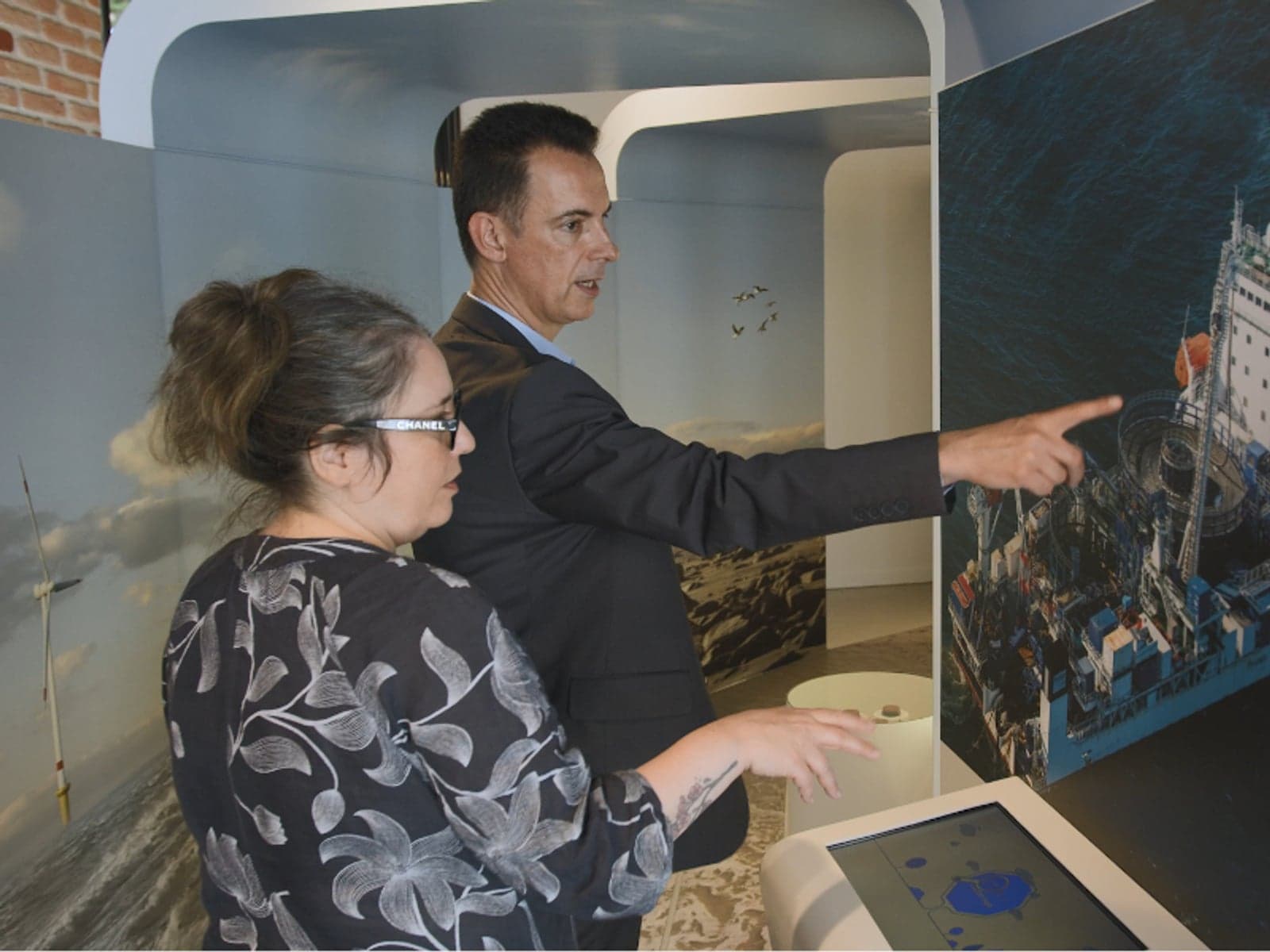
“This interdependence, managed in real time by transmission system operators such as RTE, not only means that each country avoids the risk of power cuts, but also ensures that European consumers benefit from the most competitive, low-carbon electricity possible. These exchanges enable the development of renewable energies, which by their very nature are intermittent and cannot be stored, as well as complementing each other between northern and southern European countries. RTE is set to double its electricity interconnections with neighbouring countries by 2035.
Technological Advancements
Managing the complexities of the modern power system requires advanced technology. With millions of parameters changing every second due to factors like weather conditions, electric vehicle charging, and industrial consumption, RTE leverages digital technology and artificial intelligence to optimise grid operations.
“We're doing this, for example, with batteries connected to our network, or with automated systems that optimise the injection of renewable energies into our grid,” explains Cantat-Lampin.
“Tomorrow, we'll be doing the same with the millions of batteries that will be connected to the grid, or with the electrolysers that will produce green hydrogen.
“We are, of course, working on these issues with the different French distribution network operators such as Enedis.
“A centre of excellence like MEDEE also helps us to forge links with other players in the Region, whether from industry or research.”