Partner content
Three trends shaping motor management in manufacturing
Guest/partner contributor
Posted on: 9 February 2026
Matteo Crespi of Schneider Electric explains how industrial automation is changing gears to accelerate resilience and sustainability and competitiveness.
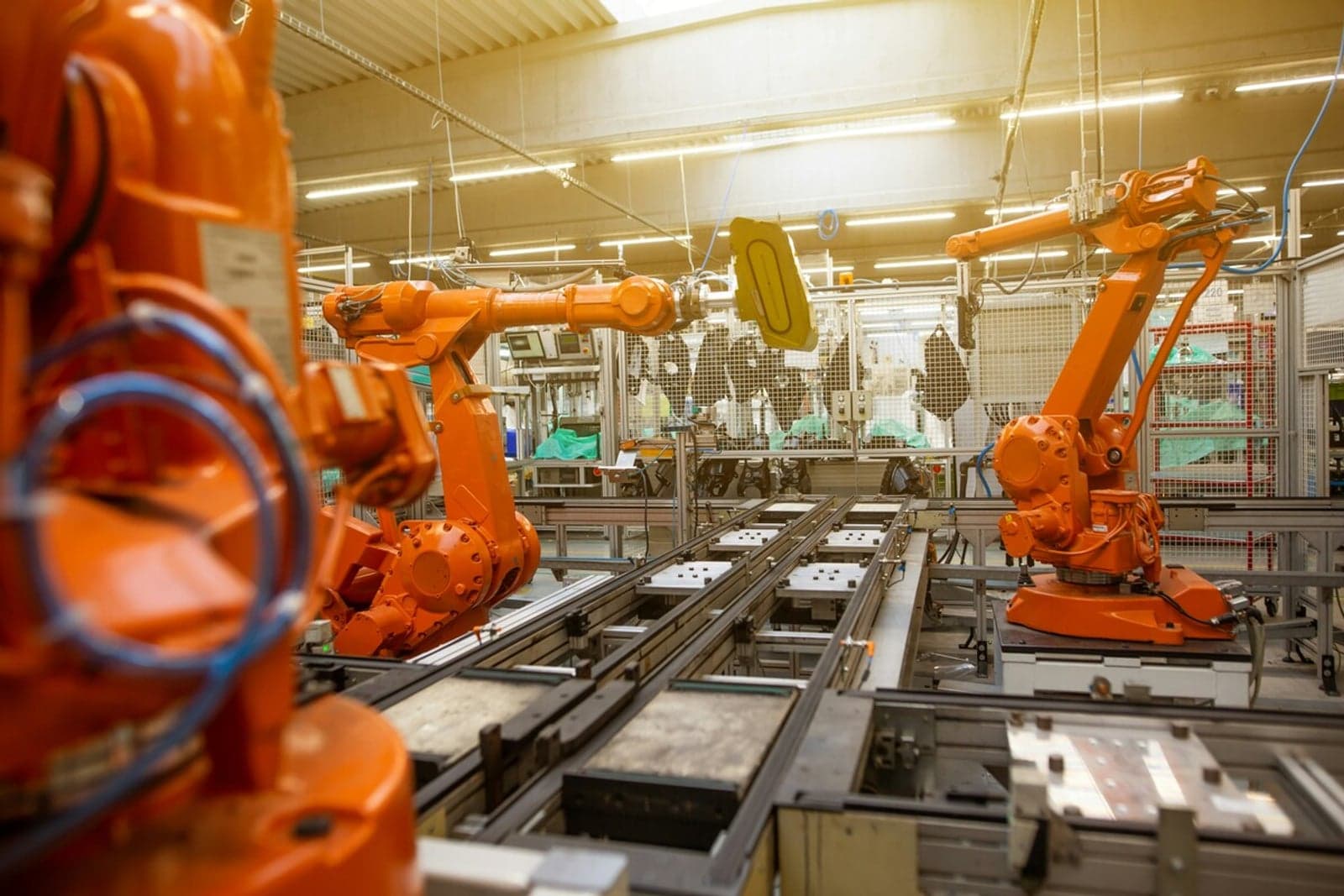
The rise of technologies like Internet of Things and artificial intelligence will continue to redefine operational resilience and sustainability across manufacturing, enabling predictive maintenance, optimising production lines in real-time, and reducing energy consumption.
Manufacturers will have to navigate the complexities of electrification, digitalisation and the transition to renewable energy – trends that will define industrial competitiveness in 2026.
This changing landscape is elevating motor management from a background function to a strategic lever for efficiency and competitiveness. This is because unplanned downtime is becoming a major drain on the bottom line. In 2025, downtime costs for UK and European manufacturers were estimated to have exceeded $105 billion.
As a result, manufacturers and machine builders today are looking for solutions that can improve machine efficiency, reduce system downtime, pre-empt maintenance requirements, and improve the energy performance of motors.
Given these shifts, it’s clear that the future of motor management holds huge potential for transforming industrial operations. In this article I’ll be diving a little bit deeper into where motor management is headed in 2026, how it’s reshaping the industry, and how organisations can seize emerging opportunities.
Strategic partnerships are increasingly vital in today’s rapidly changing industrial landscape.
How AI and IoT are redefining motor management
AI is increasingly becoming the backbone of predictive maintenance, quality control, and process optimisation. Recent research from Omdia and Schneider Electric underscores the rapid evolution of motor management and automation, driven by AI, IoT, and digitalisation. In the 2025 global survey of 150 manufacturers and original equipment manufacturers, 87% said integrating digital technologies is important or critically important to achieving operational efficiency.
With electricity now accounting for over 90% of a motor’s lifetime cost, rising energy bills are making efficient, sustainable motor management critical for manufacturers and utilities. As such, enhanced operational efficiency and reduced downtime are now top benefits of integrating digital controls, IoT, and AI into motor management, and will become increasingly important in the years to come.
Read: Schneider Electric to become the Official Energy Technology Partner of McLaren Racing
Human-machine collaboration and strategic partnerships
As automation technologies evolve, OEM and manufacturing teams are shifting from reactive maintenance to predictive, data-driven strategies, minimising downtime and maximising equipment lifespan. While technology is crucial, at the heart of this transformation are the people and partnerships that drive successful implementation.
Strategic partnerships are increasingly vital in today’s rapidly changing industrial landscape. Manufacturers and OEMs are seeking trusted collaborators who offer both technical expertise and proven reliability to help them navigate the complexities of electrification and the transition to renewable energy. While the majority recognise the importance of this shift, many still feel unprepared, underscoring the need for ongoing collaboration and support in 2026 and beyond.
At Schneider Electric, partnerships are central to our business and sustainability strategies. As a global technology leader, we blend deep technical know-how with cutting-edge solutions in AI and IoT, empowering organisations to optimise energy usage, reduce emissions, and build resilient, future-ready operations.
For example, in collaboration with a wastewater management utility, we implemented our TeSys motor control solution to address connectivity and remote monitoring challenges. This enabled operators to access real-time data on pump health and performance, leading to more efficient, informed maintenance and improved operational efficiency.
Sustainability-driven innovation
Sustainability has emerged as a key catalyst for innovation in industrial operations, with manufacturers placing greater emphasis on energy-efficient solutions to minimise their environmental impact.
Regulatory compliance and cost reduction were the two biggest reasons for this shift,
but electrification is an equally important factor, with 95% of respondents stating the shift from traditional power sources to electrification is important for their business operations over the next three to five years. Despite this, only 41% feel fully prepared for this transition, highlighting a significant opportunity for partners with technical expertise in renewable energy integration.
Smart motor management solutions are key enablers for sustainability, providing real-time energy monitoring and predictive maintenance to reduce energy consumption and emissions. In fact, 84% of respondents said they are extremely or very likely to prioritise energy-efficient motor management solutions in their future investments, reinforcing the growing importance of sustainability as a business driver.
Over a century of innovation
For over a century, Schneider Electric’s TeSys range has set the standard for innovation in motor protection, monitoring, and control. Our legacy began in 1924 with the industry’s first bar contactor, paving the way for a series of breakthroughs, including the first enclosed motor starter, the first modular contactor, and the first modular three-in-one motor starter.
In today’s digital era, TeSys solutions empower industries to reach new levels of efficiency and resilience. With 40 million controllers installed across 50 sectors—from automotive and food & beverage to mining and water treatment—our technology delivers up to 30% energy savings and a 30% reduction in downtime, thanks to advanced controls and predictive maintenance.
Adhering to 25 global compliance standards, TeSys is not only shaping the present but also defining the future of motor management, supporting our customers as they navigate the demands of Industry 4.0 and the energy transition.
Download: Motor Management that Powers the Next Generation of Industrial Operations
The trends shaping industrial automation in 2026 signal a future that is intelligent, interconnected, and sustainable. Success will depend on a commitment to advanced technologies, strategic collaboration, and a deep integration of sustainability into every aspect of operations.
With this approach, manufacturers today can set the standard for efficiency, innovation, and sustainability, paving the way for a stronger, more resilient future in 2026 and beyond.
Matteo Crespi is Senior Vice President, Power Products Europe Hub, at Schneider Electric.
Author
Matteo Crespi, Senior Vice President Power Products Europe Hub, Schneider Electric