Time for Spain to flex or fail says Charlotte Johnson of Kraken
Pamela Largue
Posted on: 17 November 2025
Spain needs to match its enthusiasm for renewables with sufficient flexibility to avoid curtailment woes in the future, she explains.

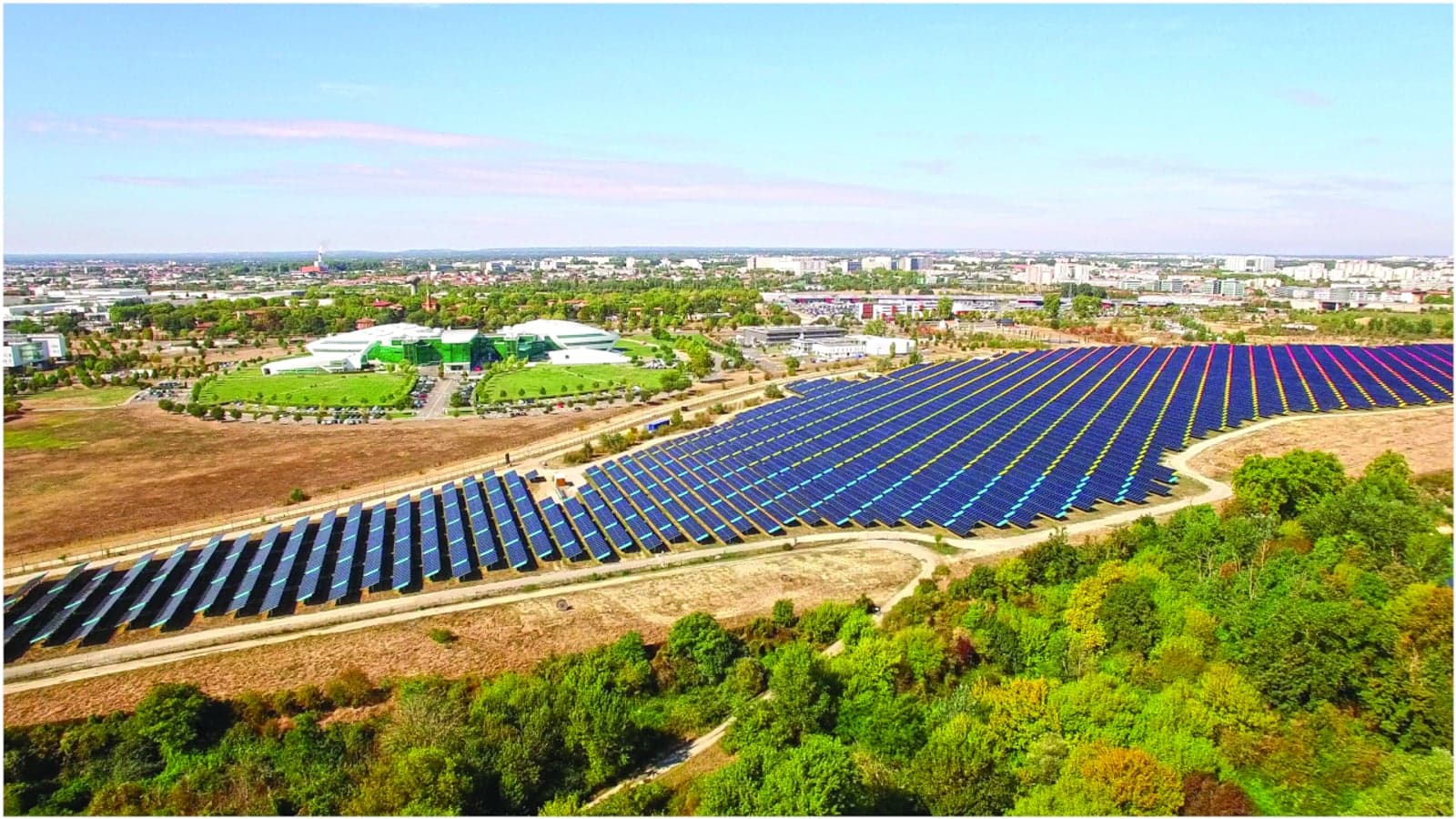
Spain can be considered a renewable energy deployment success story, however, only with sufficient flexibility can this story secure a happy ending.
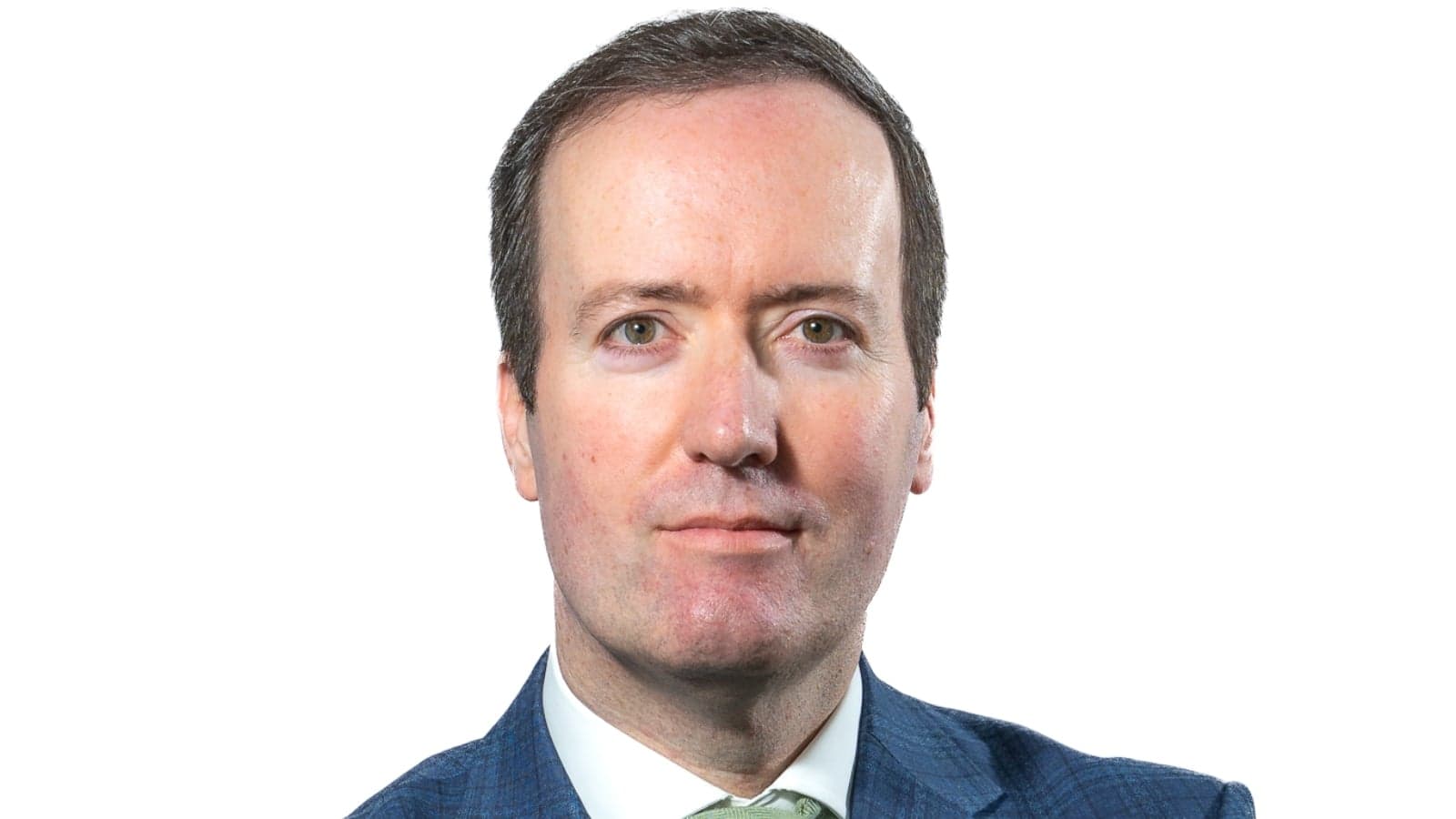
This is what Charlotte Johnson, General Manager of Generation Flex at Kraken, believes and she is calling for the country to up it’s flex game to ensure grid stability and avoid curtailment in the future.
“The way I think about it is this: it doesn't matter how successful you are at decarbonising your generation mix.
“The fact is that we need more stability services, and we also need to find a way to integrate flexibility and integrate renewables onto the system.”
It’s important to bolster the business case for grid scale flexibility so that people participate
Spain is looking to achieve 74% of electricity generation from renewables by 2030, and unless that renewable generation can be integrated onto the system so it can run without being curtailed, it’s wasted, she explains.
Curtailment rates in Spain are nowhere near curtailment rates in the UK, says Johnson. However, she warns that it will get to that point with such high levels of renewable generation coming online.
“In the UK last year, we paid a billion pounds to curtail wind and turn on gas in different parts of the country, and this year we've already spent 1.25 billion and we're only in November.
“It's only going to keep increasing unless you can integrate that flexibility, large and small scale.”
The blackout as a starting point
Johnson believes that the blackout that occured in Spain this year proved to be a transformative point.
“Spain’s market has woken up now,” she says, adding that important questions are now being asked about ancillary services, connection, remuneration and access.
Energy Transitions podcast: Applying grid resilience lessons from Spain's blackout
While it has focused attention on how we use flexibility to integrate renewables, there’s still a lot of progress needed on the grid scale flexibility side.
“I think this will be an area where there's going to be a lot of growth.”
What Spain can learn from the UK
According to Johnson, the UK has implemented two key mechanisms that could help Spain advance towards its flexibility goals.
Firstly, the implementation of local flexibility markets. “It’s interesting that we don't see these kinds of markets in Spain,” says Johnson.
She explains that in the UK, the distribution system operators run local markets that allow flexibility from both C&I and residential customers. Customers can turn up or down when required providing a valuable stream of demand side flexibility, flexibility that isn’t participating in many other kinds of “fancy markets”.
Have you read?
Spain passes royal decree to boost power system resilience
Why storage is the missing piece in Europe’s energy transformation
“It's worked well in the UK because it's allowed residential flexibility to participate in markets where they don't have to meet stringent metering requirements. They don't have to be aggregated up into big portfolios.”
Johnson suggests that this kind of system raises market access and at the local level, it allows the DSO to be more strategic about where they're buying flexibility.
Ultimately, the DSO can use that flexibility to defer network investment, she adds. In order to make this work, however, Johnson emphasises the role of the regulator in incentivising the DSO. “They have done this in the UK by emphasising a flexibility first approach, which would be a valuable strategy for Spain.”
The second system involves demand-side management. Johnson refers to the UK’s demand flexibility service, a system that was introduced two years ago to manage peak demand.
Exclusive insights from Kraken: Empowering utilities to serve their own tech needs
“At 5pm, when everyone is charging an EV or cooking dinner, someone turns on a gas plant and the cost rises to 6000 pounds/MWh just to be online. Imagine you could send a notification out to customers through their energy supplier or aggregator and them to turn down usage instead.”
According to Johnson, this is a powerful way of getting consumers engaged in the market and provided between 300 and 600MW of response, which was five times cheaper.
“The fact is that consumers can respond, and they do care about price. They're willing to move consumption if they know they're going to get something for it.”
It’s behavioural flex, which Johnson believes is a powerful tool that Spain could benefit from.
Besides these two mechanisms, Johnson highlights a key starting place, changing the fact that Spain’s frequency services are not currently renumerated.
“It’s important to bolster the business case for grid scale flexibility so that people participate,” concludes Johnson.
Charlotte Johnson will be speaking at Enlit Europe in Bilbao, Spain, taking place 18-20 November. Register to learn more about the state of renewables and flexibility in Iberia.
Related tags
Latest in Markets & Policy
All articlesMembers only content
+3
Cybersecurity and digital infrastructure resilience for a complex grid
Cybersecurity is considered the second most significant threat facing the energy sector after geopolitical issues including conflicts, trade wars and access to critical minerals.
- Enlit Editorial Team
- 03/06/2026