Spain passes royal decree to boost power system resilience
Pamela Largue
Posted on: 7 November 2025
The decree is a legislative intervention to address key vulnerabilities identified post blackout by increasing storage, electrification and system oversight.
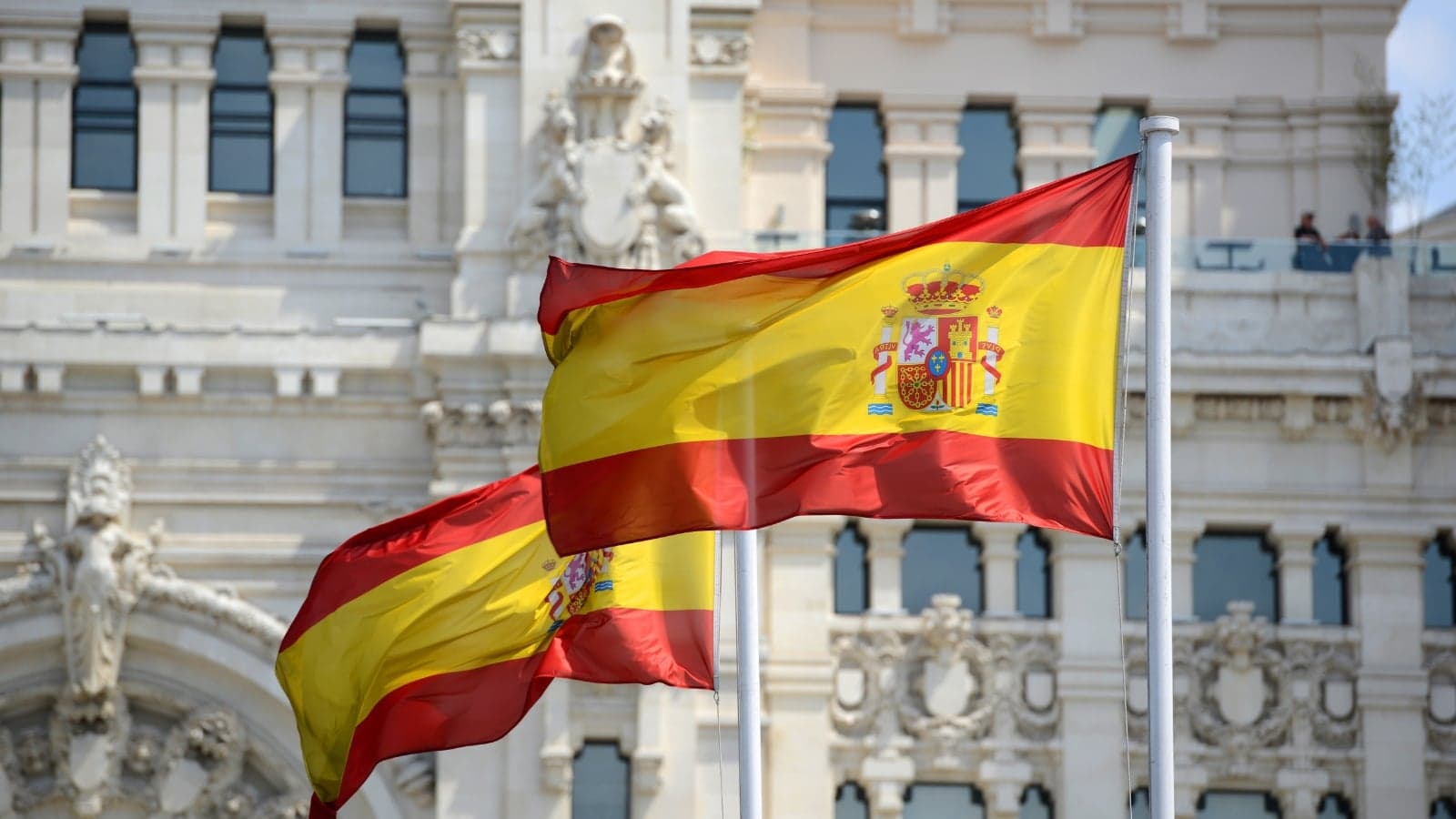
Spain’s Council of Ministers has approved a Royal Decree designed to increase the resilience of the country’s electrical system.
The new regulation incorporates provisions from the Royal Decree-Law 7/2025, which aims to strengthen the power system following the blackout that took place on 28 April 2025.
The decree, initially rejected for political reasons, focuses on increasing energy storage capacity, electrification and facilitating the repowering of existing plants.
In terms of energy storage, the decree states that capacity must reach 22.5GW by 2030. It also streamlines permitting processes with a focus on hybrid storage and generation plants.
The regulation aims to secure more industrial grid connections “by setting the expiration of access and connection rights for demand at five years after they are granted, thus preventing hoarding and speculation”.
And, according to the Ministry for Ecological Transition and the Demographic Challenge (MITECO), the decree also demands that a national repowering roadmap be developed within the next nine months. This roadmap, states MITECO, must include “technical, regulatory, and financial measures to incentivize equipment replacement and increase efficiency and energy production”.
Have you read?
What Spain’s blackout means for the US grid and its energy storage future
Energy storage is 'strategic imperative for Europe' says EU's Jørgensen
The emphasis on deploying storage and reinforcing the grid is good news for the country’s system resilience. According to Ember, Spain lags behind its European peers in grids and battery storage. As Europe’s fourth biggest power market, it only has the thirteenth largest battery storage fleet and is also one of the continent’s least well-connected systems.
However, increased storage capacity and electrification are not the only good tidings this decree brings.
Importantly, it will allow for significantly greater oversight and management of voltage control obligations of electricity sector agents.
The National Commission for Markets and Competition will now be required to submit a quarterly report in this regard and the regulator will also complete an inspection of supply restoration capacities every three years.
According to the decree, system operator Red Eléctrica will need to prepare proposals for regulatory modification on responses to power oscillations, focused on the speed of voltage variation, scheduling of technical restrictions and definitions of procedure monitoring, etc.
These measures are in response to the blackout that impacted the Iberian Peninsula and gave rise to a thorough investigation into the state of Spain’s grid.
The Spanish government released a report that concluded the incident had a “multifactorial origin”. The three key elements that stood out in the report included insufficient voltage control capacity, oscillations creating difficulties to stabilise voltage and ‘apparently improper’ disconnections of generation plants.
The decree passed this week aims to directly address those key vulnerabilities.
In a recent podcast conversation with José Luis Adanero López, Head of Planning, Regulation & Investment Office at Iberdrola, Spain has managed to respond to the April blackout decisively and with a view to future-proofing the grid.
Since the incident, Adanero López notes that the country has been working towards increasing inertia in the system, with the system operator requesting more combined cycles and hydro.
More specifically, he believes what happened in Spain this year will result in a revising of the policy frameworks. “Talking about regulation you have to adapt it. All this regulation about real-time voltage and reactive power management…we are going to review it and make it up to date on what the clear processes are.”
José Luis Adanero López was speaking alongside Simona Rossetti, Senior VP of sales Europe for Grid Technologies at Siemens Energy, in an episode of the Energy Transitions podcast. They unpack the Spanish blackout in more detail and provide insights into the lessons learned from technology, policy and investment perspectives. Listen to the episode below.
Latest content
+4
What Spain’s blackout means for the US grid and its energy storage future
EU grids tend to be centrally managed whereas the US runs a patchwork of regional systems. Barrett Bilotta of Agilitas Energy examines what can one learn from the other to counter the threat of cascading blackouts.
- Guest/partner contributor
- 31/10/2025