Tony Blair calls for UK to refocus energy strategy to make power cheaper
Kelvin Ross
Posted on: 24 October 2025
Former prime minister’s think tank says UK “needs a generation mix optimised for cost and reliability, not just speed”.
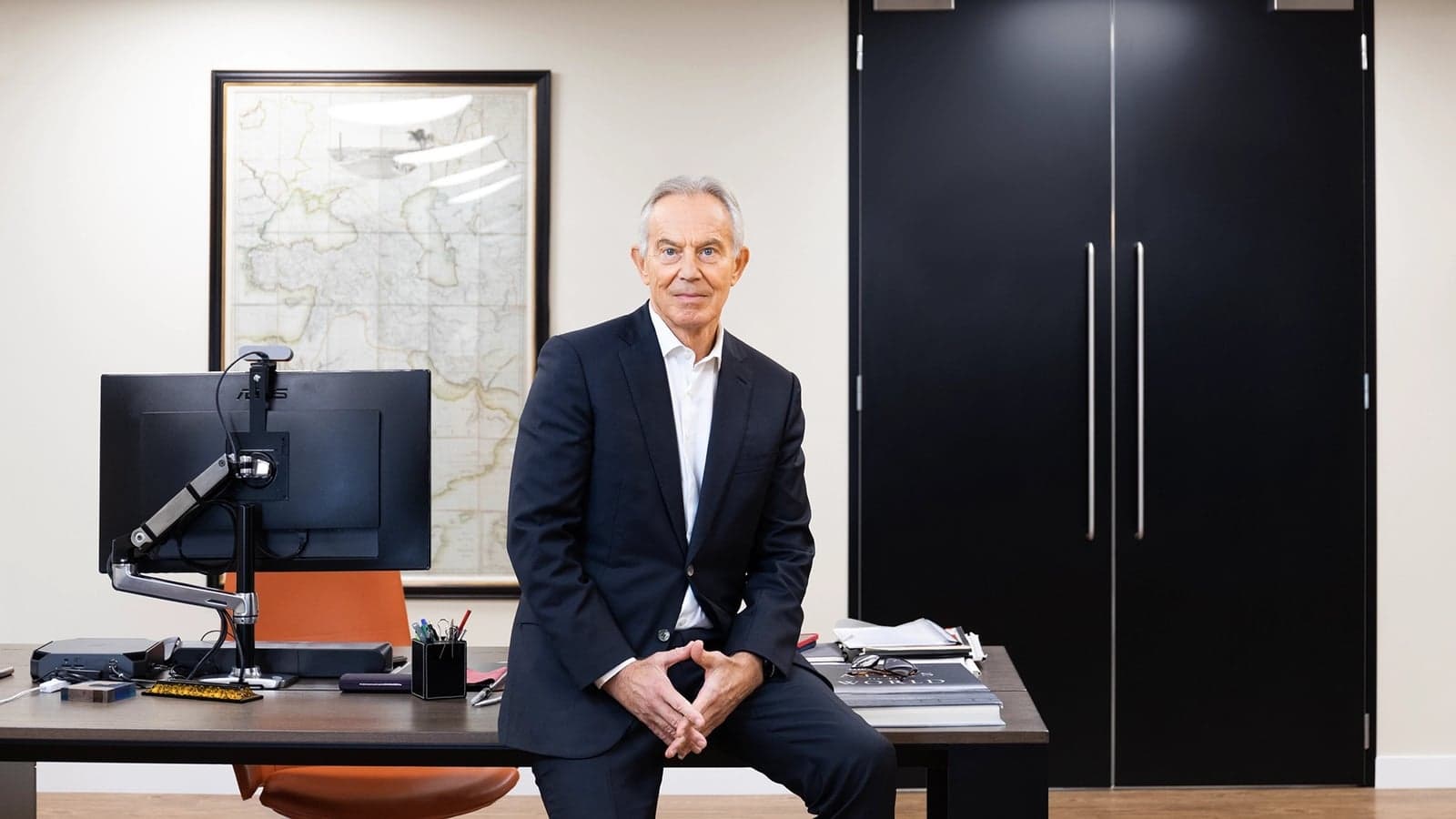
A paper published by Sir Tony Blair’s think tank argues that the UK’s current clean energy strategy risks failing “both politically and practically” and calls for a recalibration to focus on cheaper power.
It argues that the government’s policies are out of balance with recent geopolitical events and will not bring down Britain’s current sky-high electricity costs.
The paper from the Tony Blair Institute for Global Change stresses that shortcomings in energy strategy are not the fault of the current Labour government, which came to power last July.
However, it urges ministers to “focus on what matters most for growth, for consumers and for the climate”. That is, it states, “reducing the cost of electricity in a renewables-based system and creating the conditions for the full electrification of the economy”.
“The immediate task is not squeezing out the final emissions in the power sector, but delivering electricity that is both cheap and clean, so it becomes the obvious alternative to fossil fuels for households, transport and industry alike.”
'Full-spectrum energy strategy'
The paper argues that the UK needs “more than a decarbonisation plan: it needs a full-spectrum energy strategy built on growth, resilience and abundant clean electricity. This means prioritising cost, flexibility and long-term stability – the real building blocks of electrification – not just short-term emissions cuts.”
The institute argues that the UK “needs a generation mix optimised for cost and reliability, not just speed”. While it says offshore wind will remain central, “rising costs and grid limits demand a stronger focus on value for money”.
It calls for regulatory reform to accelerate new nuclear says support for “high-cost options such as power-sector carbon capture and storage and biomass should be phased out”, with investment instead going towards energy storage, flexibility and industrial decarbonisation”.
It also calls for measures to make gas cheaper until 2030. It says that today, the main effect of carbon pricing “is to raise bills, since gas sets the wholesale price most of the time. With renewables already cheaper than gas and with coal gone, suspending some of the carbon taxes on gas until 2030 would not undermine decarbonisation, but would deliver immediate savings and ensure gas remains available when renewables are scarce. Beyond 2030, carbon pricing can be reintroduced to provide long-term investment signals.”
If these and other measures, including planning and market design reform,s are introduced, the institute says “the prize is enormous – both for the climate and the economy”.
“Cheaper, clean electricity would cut emissions while lowering bills in the middle of a cost-of-living crisis. It would attract new industries, such as AI data centres, to locate in Britain. It would accelerate electrification across households, transport and industry, raising efficiency and boosting productivity. And by proving that decarbonisation can be done affordably, Britain could lead abroad as well as at home – exporting not only clean technologies but also a model for others to follow.”
Climate backlash
But it warns that “unless the foundations are fixed, the risks are clear: higher costs, weaker reliability, lost public confidence and a growing backlash against climate action”.
The publication of the paper comes at a time when that ‘backlash against climate action’ is gathering pace in the UK. The Conservative leader Kemi Badenoch said this month that she would repeal the UK’s 2008 Climate Change Act if she won power, and the Reform Party – seen as the biggest current threat to the Labour government at local elections – have also pledged to rip up climate legislation.
It's not the first time this year Tony Blair has weighed in on the climate debate: in April, he said policies focusing on limiting fossil fuel consumption and production were “doomed to fail” without radical reforms.
The recommendations of the institute’s paper are at odds with the direction of UK Energy Secretary Ed Miliband, who served as a minister in Tony Blair’s government in 2006.
'Gas rollercoaster'
Independent climate change think tank E3G believes the Blair Institute’s strategy to make gas cheaper is mis-guided. Its UK Programme Director Ed Matthew said: "The gas price crisis since the Russian invasion of Ukraine has cost every UK household thousands of pounds in higher energy bills. The only solution to get off the gas price rollercoaster is to get off gas.
“Staying hooked on gas just puts UK households and the UK economy at the mercy of dictators like Putin."
Greenpeace UK’s political campaigner Angharad Hopkinson said that there is “no doubt that our dysfunctional electricity market is in need of urgent reform”.
But she said the Tony Blair Institute “is unhelpfully stirring the pot with divisive ideas. It’s entirely possible to deliver both lower bills and the renewable energy infrastructure and grid upgrades that will help tackle climate change and bring even cheaper, more secure and stable power over time.”
She said gas plants “must be moved into a strategic reserve to prevent them from setting electricity prices and ripping off bill payers. Next, Crown Estate seabed leasing costs for offshore wind should be slashed. Cutting VAT on energy bills and moving levies from bills into general taxation is a no brainer. Together these measures and more would knock hundreds off bills and help keep the clean power plan on track."
Latest content
+4
The cost of keeping warm: Delivering a just clean heat and cooling transition for European citizens
How the Emissions Trading System 2 (ETS2) raises funds for member states to invest in modernising their energy systems, offering a lifeline to millions of European citizens struggling to pay their energy bills, is explained by Delia Villagrasa, director the Cool Heating Coalition, and Beatriz Yordi, Director Carbon Markets and Clean Mobility, DG CLIMA, European Commission.
- Guest/partner contributor
- 15/07/2025