Top women in energy empower next generation with career masterclass
Riaan Mostert
Posted on: 13 February 2024
Seven senior women in the European energy sector came together to tell how they climbed their career ladder and offer advice to young women who want to do the same.
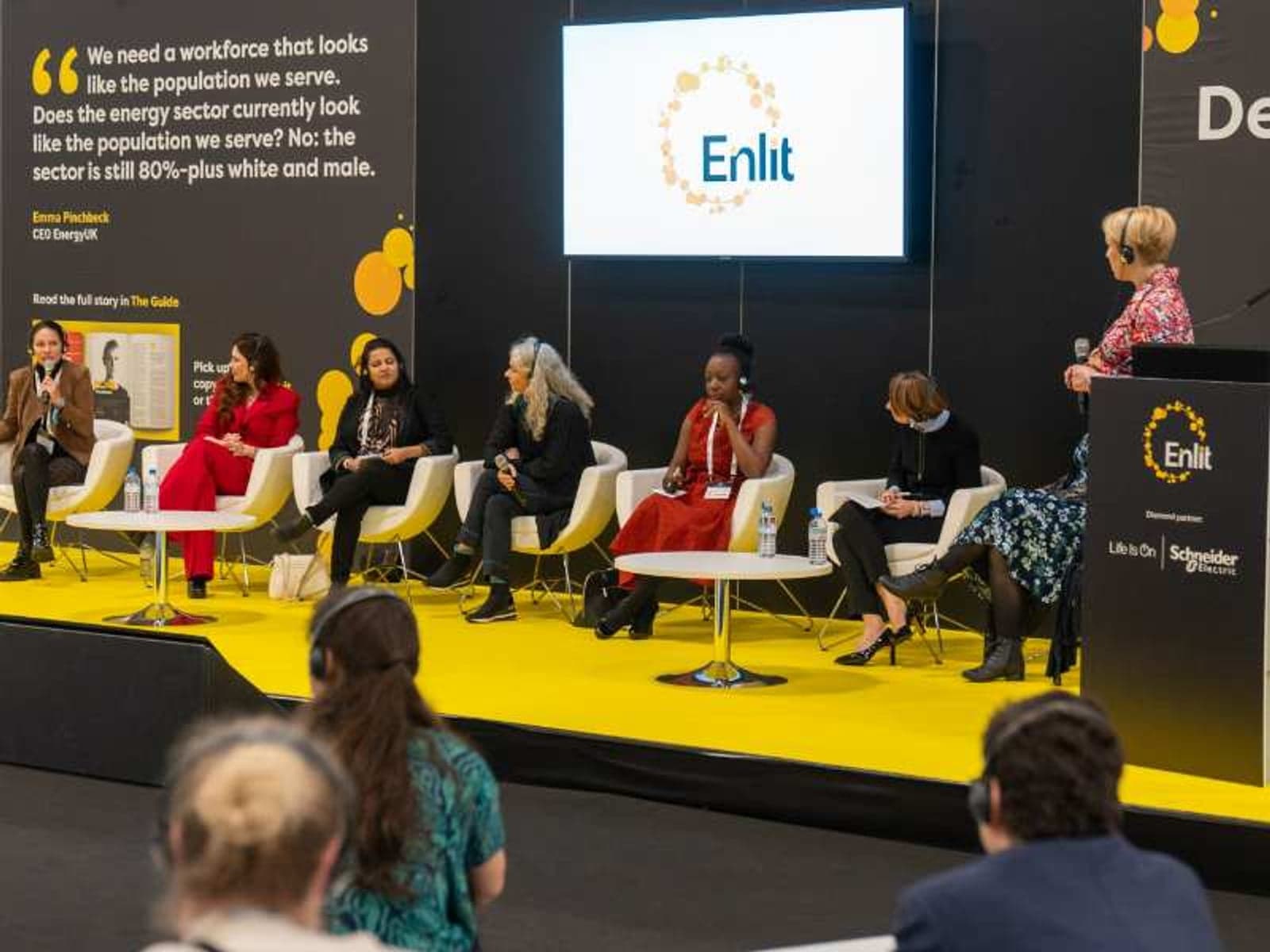
Seven senior women in the European energy sector came together to tell how they climbed their career ladder and offer advice to young women who want to do the same.
The energy sector has been known to be unrepresentative of the population it serves. Data has shown that the industry comprises just 16% of women and that women are paid 15% less than their male counterparts with the same skills.
Due to this, the IEA has called out the industry as being "one of the least gender diverse sectors of the global economy today".
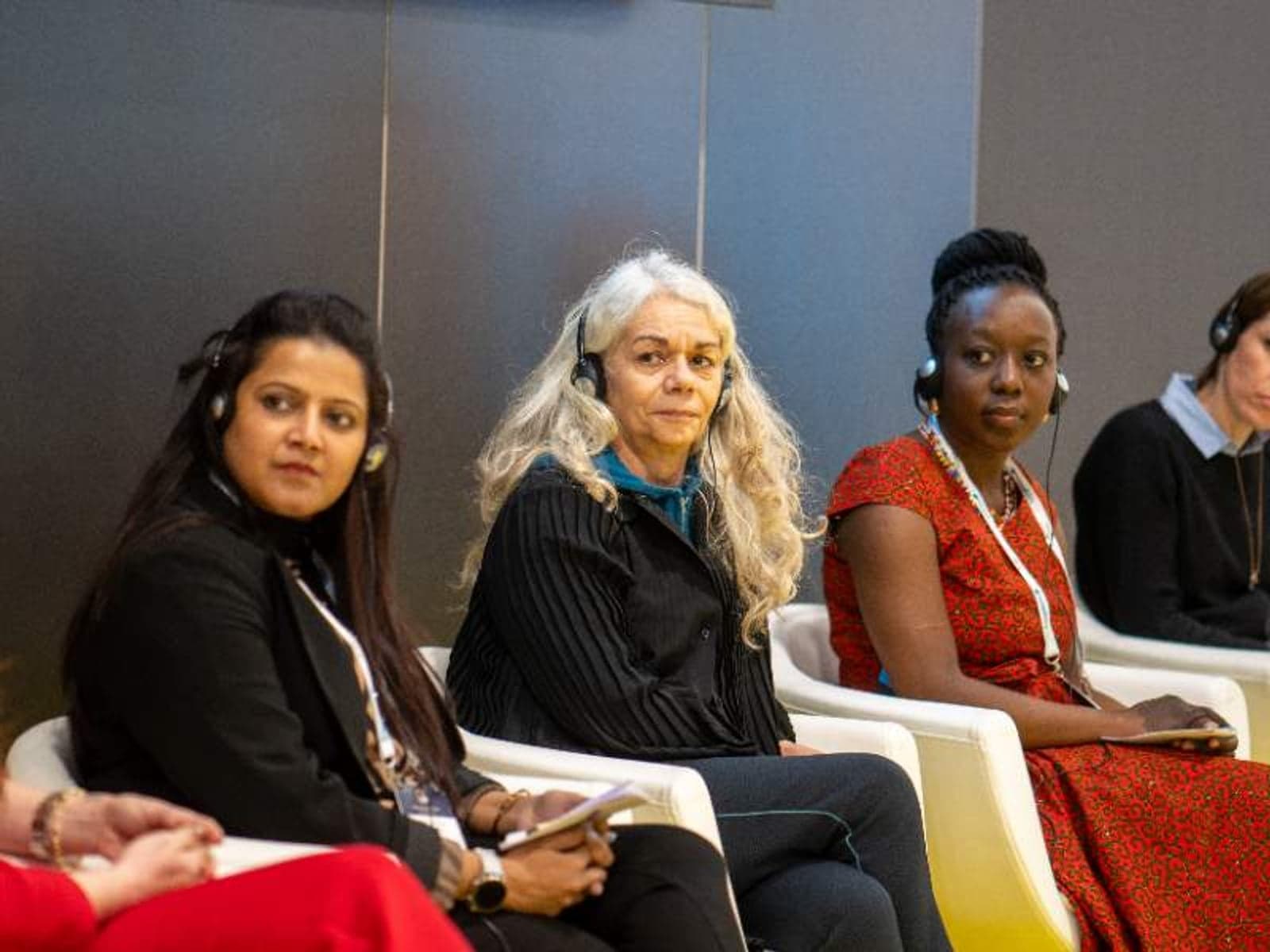
At Enlit Europe in Paris, a panel of senior women in energy discussed challenges faced by women in the sector.
The speakers were:
Elizabeth Donnelly, chief executive of the Women's Engineering Society;
Claire Waast-Richard, Global Head of Data & Digital at Enedis;
Wanda Buk, board member of the Polish Electricity Association (PKEE);
Alice Franz, Director EU and International Affairs at Union Française de l'Electricité;
Pritil Gunjan, Director at Guidehouse;
Laure-Aline Baheux, Power Project Manager at Omexom and member of the Women in Green Hydrogen association;
and Faith Natukunda, Regional Energy Strategic Planning Manager at National Grid ESO.
Gunjan pointed out that there were not just professional challenges that women faced, but personal challenges as well brought on by choosing to be career women.
However, the seven panellists agreed that they were not going to be bogged down by these challenges.
Instead, the discussion turned into a masterclass on what to do as a young woman coming into the energy sector.
Speaking up and amplifying other women's voices
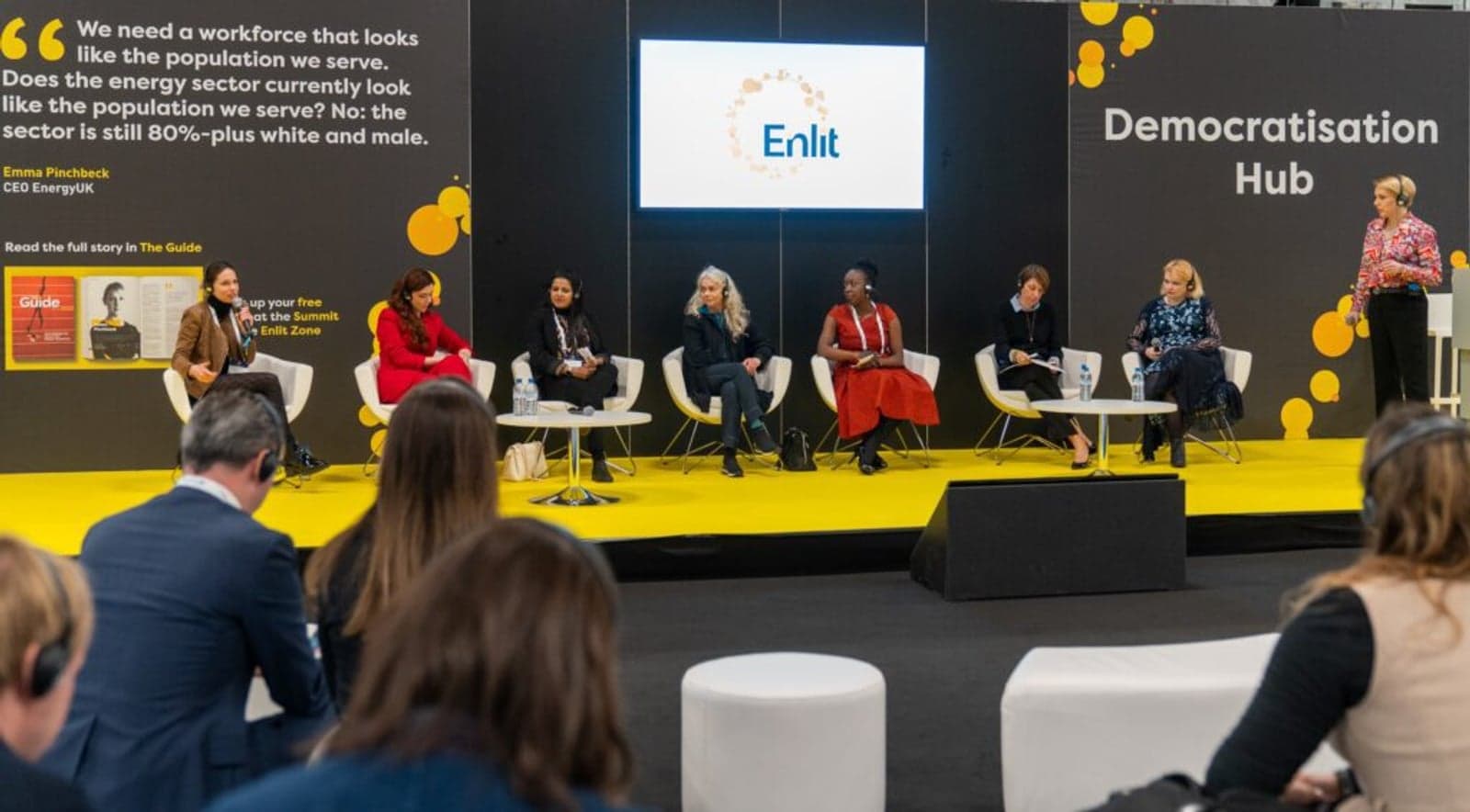
The women highlighted the importance of speaking up for yourself as well as amplifying other women’s voices in the room who go unheard.
Donnelly discussed not being afraid of being the first one in the meeting to ask questions because that sets the tone and the agenda of what is being spoken about.
When it comes to amplifying other women’s voices, she cited an example in the White House during the Obama administration: “Women realised that they were not being taken seriously. So they had this deliberate code of amplify that when a woman spoke, another woman immediately came in and said: 'What a terrific idea. I agree, can I help you'?”
Have you read?
Emma Pinchbeck: ‘We need an energy workforce that looks like the population we serve’
Turning the tide: How Inna Braverman is making waves in marine energy
Be proactive
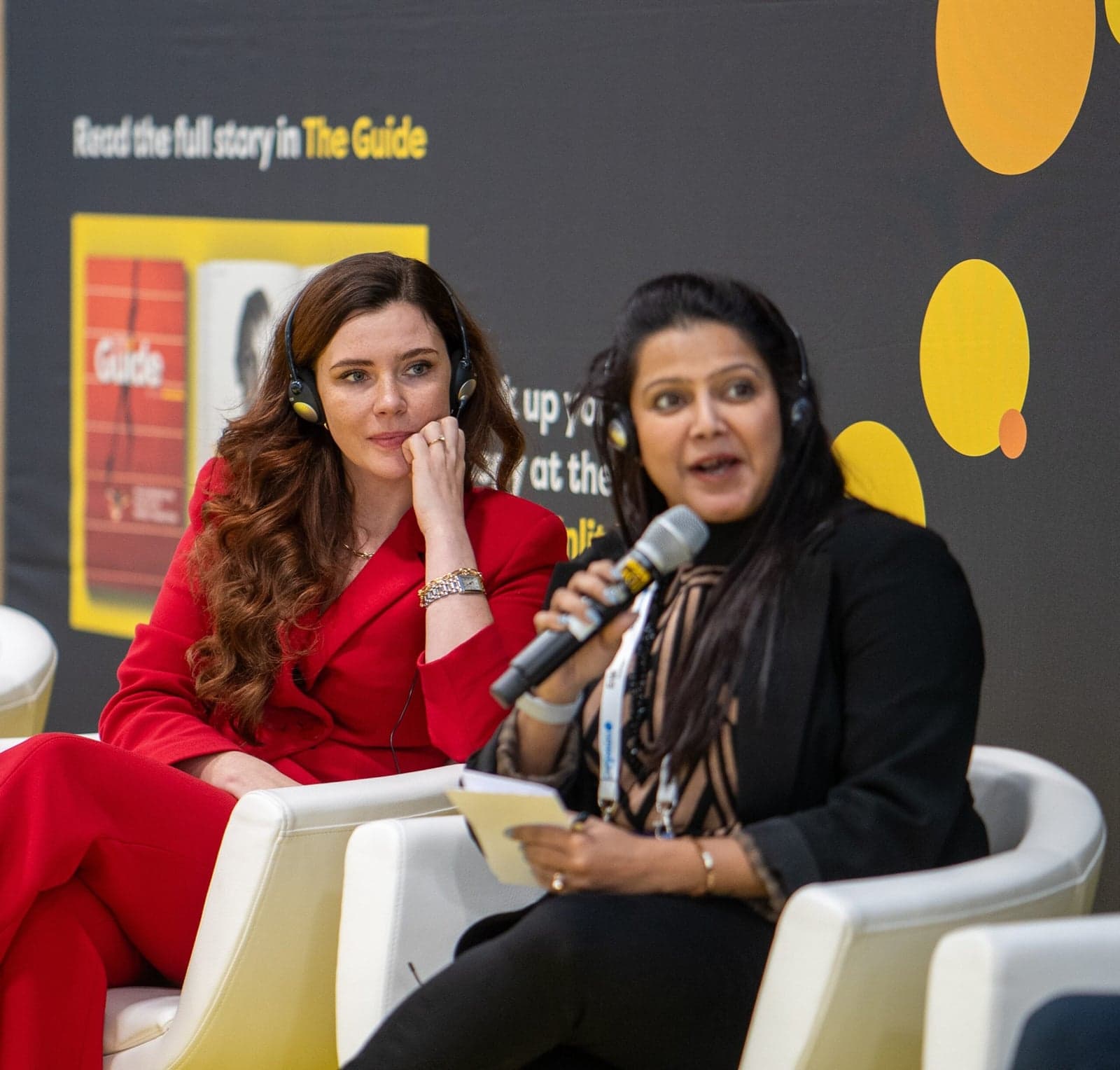
The panellists also shared how to approach the subject of being promoted.
An example was given by Buk, who spoke on how you can be proactive by looking at the gaps in your organisation and emailing the relevant people about how qualified you are to fill that role.
Her sentiments were echoed by Donnelly who recommended thinking about the consequences when frightened to ask or speak up. "Often I say: the worst that can happen is they'll say no.”
Waast-Richard cited an example of how at Enedis, some 30% of managers are women. She explained that Enedis has made a conscious effort to make sure that women are promoted to these roles.
Turn challenges into opportunities
The women also discussed how constantly being the only women in the room can be presented as a challenge, but they rather saw this as an opportunity.
Baheux spoke of the differences between men and women in meetings.
Men usually just speak without fear if they are wrong or not and women are more reserved, she said, adding that she started noticing these differences and started to act more like her male colleagues.
Importance of networking
The subject of networking and the importance of making meaningful connections outside of your immediate team was also raised.
Natukunda cited how it's always been said that your manager's manager should know about what you do - but how do you go about this?
She suggested this can be done by volunteering for things that are outside of your job role which will give other members of your organisation a chance to mention you in meetings that you have not been a part of before.
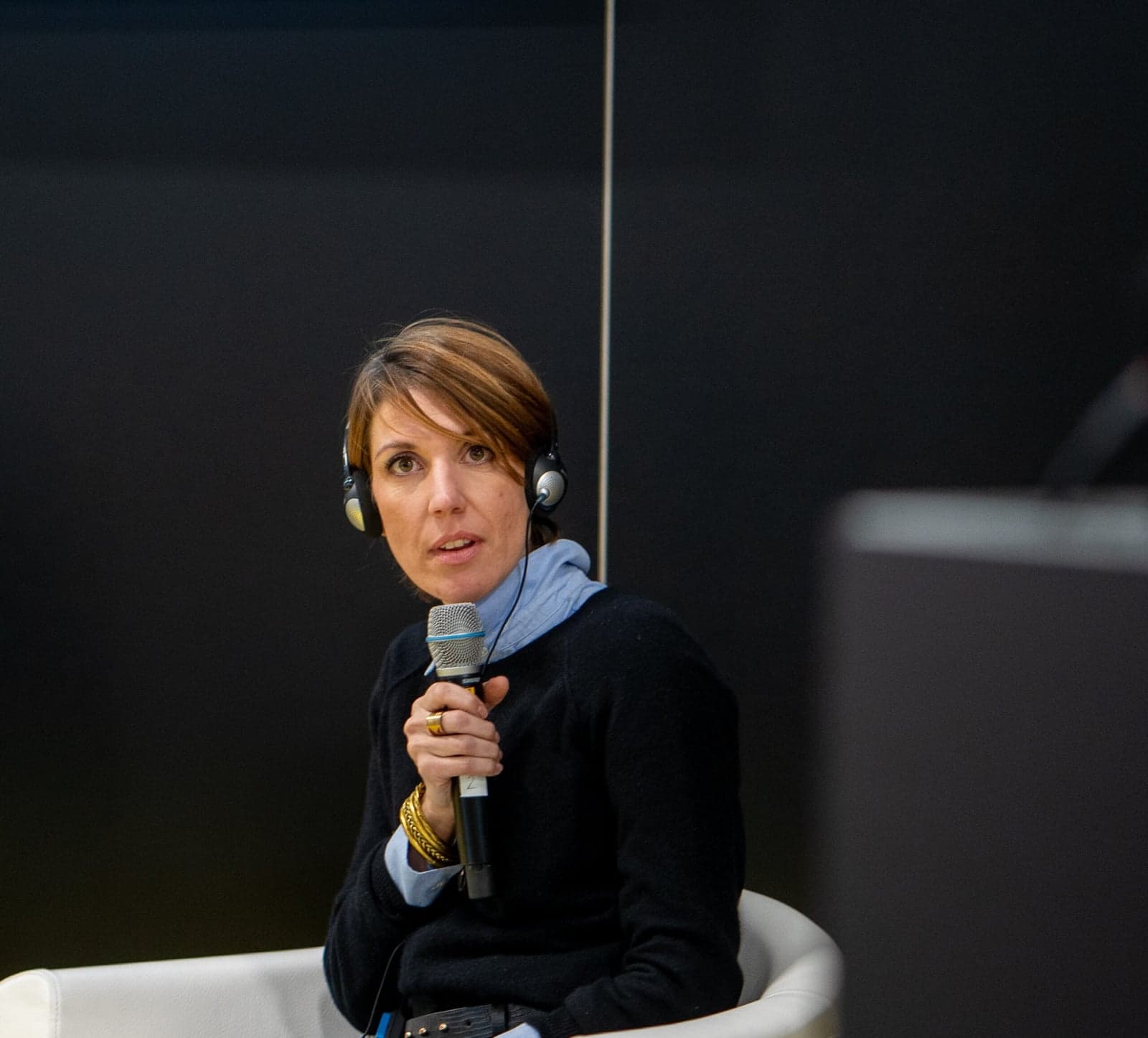
The discussion centred around the important message of 'when you've reached the top, send the elevator back down for the others.'
Franz shared the need to get more women in the industry: "If you show the variety of the jobs you have and the variety of paths to reach the sector, I think you can reach more women".
This echoed the general theme of this panel which gave anecdotes to the younger generation who are seeking a career in the energy sector.