Total investment in fusion industry tops $7.1bn shows FIA
Jonathan Spencer Jones
Posted on: 8 August 2024
The fusion industry has attracted over $900 million in new funding over the past year| the Fusion Industry Association’s (FIA) latest annual update reports.
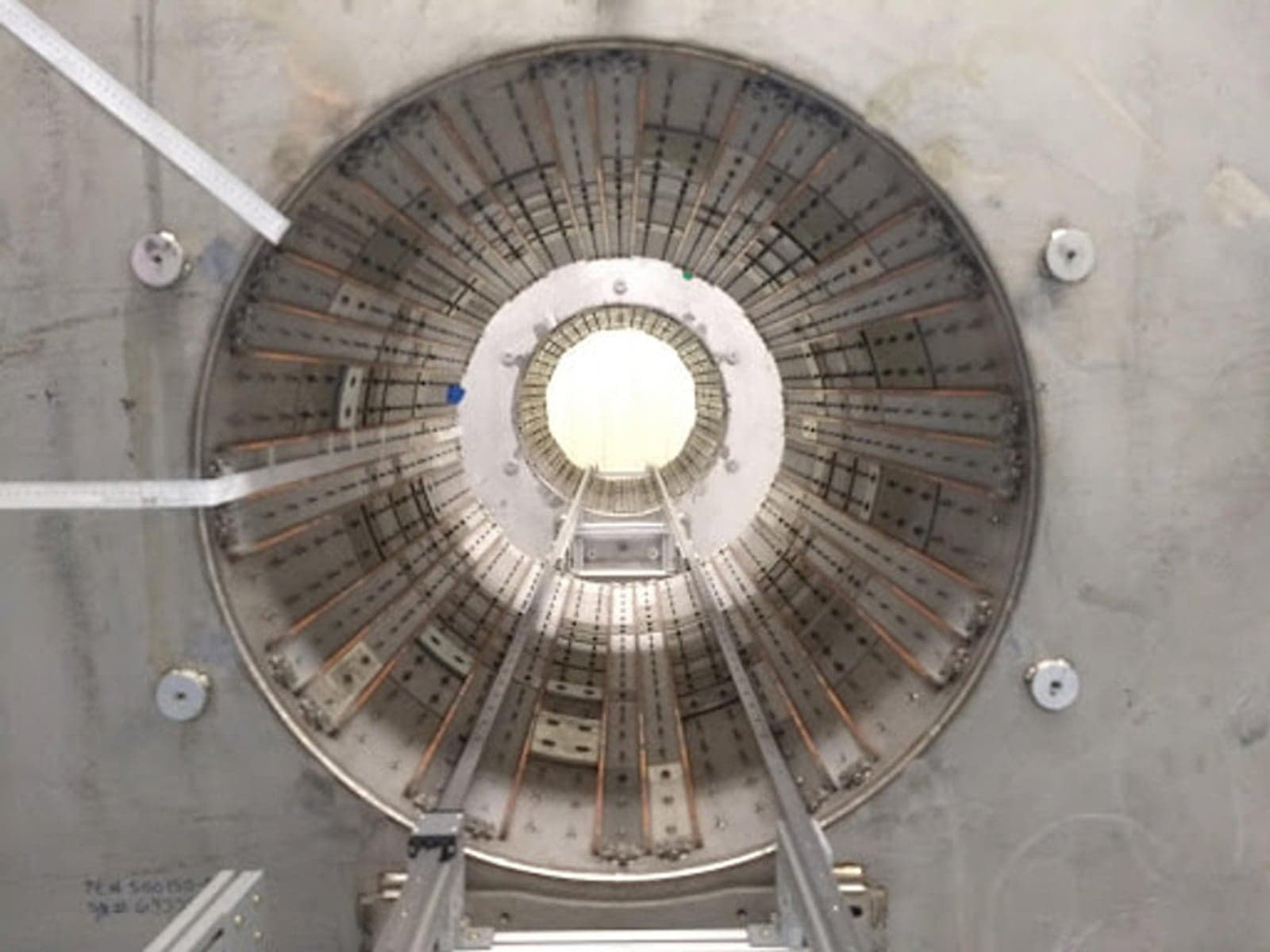
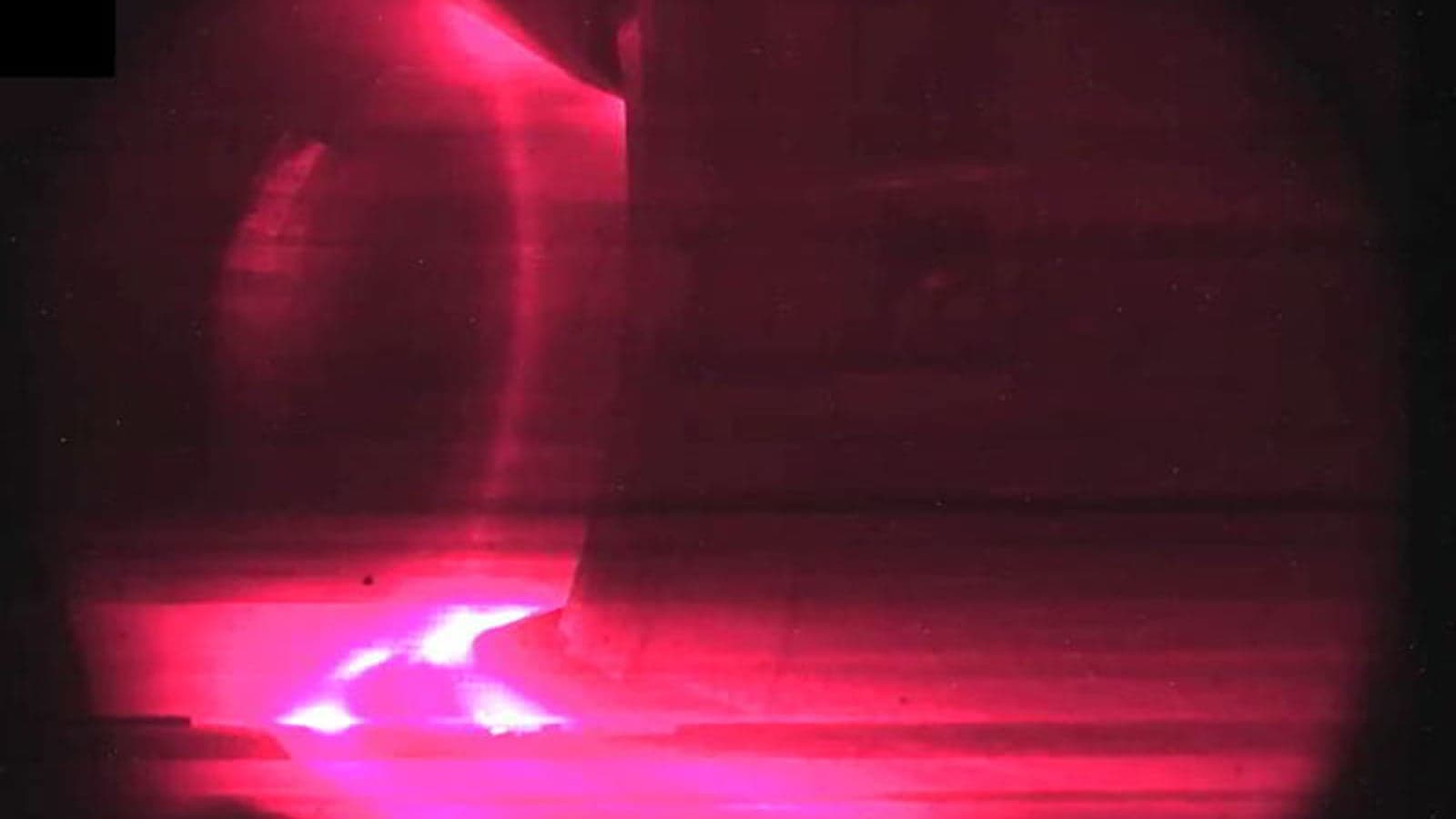
The fusion industry has attracted over $900 million in new funding over the past year, the Fusion Industry Association’s (FIA) latest annual update reports.
With this, the fusion industry has now attracted over $7.1 billion of investment, of which $426 million has come from governments.
With this too, the timelines for producing fusion generated electricity continue on track for the 2030s, with most companies aiming for fusion electricity generation in the first half of that decade although a few consider it is possible before 2030.
However, despite this growing confidence in the potential of fusion, two-thirds of the respondents in the survey consider that funding will be a major challenge in the next five years.
Have you read?
Use weaknesses as strengths to improve a fusion reaction
Five projects that make you fired up for fusion
Andrew Holland, CEO of the Fusion Industry Association, says that the year’s continued growth in investment along with a growth in employee numbers are “exactly what we should be seeing in a maturing industry”.
“In the face of continued challenges in raising capital for ‘deep-tech’ ventures, the additional funding underscores confidence in fusion technology’s potential to revolutionise the global energy landscape on a timescale that is relevant to investors.”
The report is based on input from the at least 45 companies working to commercialise fusion energy around the world.
This is up from 43 last year, with three new entrants – two of them in ‘stealth’ mode and the third the University of Maryland-based Terra Fusion Energy – and one withdrawal by General Atomics, although the company is still undertaking fusion research.
Fusion highlights
Highlights from the past year include the $100 million investment into California-based Xcimer Energy, $90 million into the only Dutch entrant Shine Technologies and $65 million for Washington-based Helion.
Another is the increase in public funding directed into private companies – 57% up in the last year – and indicative of the increasing role of public-private partnerships in commercialising fusion.
Sixteen companies reported being engaged in such initiatives.
Among those having moved forward in the last year include the Milestone-based fusion development programme in the US, the German government’s new ‘Fusion 2040’ programme, the Japanese government’s ‘Moonshot’ programme and the British government’s new ‘Fusion Futures’ programme.
Notably the fusion energy sector also is seeing a consistent increase in employment by about 1,000 people per year since 2021 and reaching a total over 4,100 in 2024.
Of these almost half are engineers and a quarter are scientists, with a quarter in other roles.
However, and despite these advances, the report points to the need for a step change in both investment and manpower, stating that if funding only grows at $1 billion per year over the next decade and the workforce only grows at 1,000 people per year, the industry will not meet its bold targets and there won’t be enough people to build the pilot plants.
In addition to funding the main challenge for fusion energy in the years ahead is reported to be power efficiency, i.e. achieving high enough gain, while longer term tritium self-sufficiency is expected to be the major challenge.
Fusion supply chain
In a separate publication the Fusion Industry Association details that the reported supply chain spend in 2023 approached $612.2 billion, but likely a significant undercount, up from $484.9 billion in 2022.
And fusion companies reported plans to spend 21% more on their supply chain in the current year than the last.
The companies also highlighted a variety of critical components as having current or future supply risks. These include cryogenic devices, high temperature superconductor wire, power electronics and vacuum chambers.
From the supply chain perspective the majority of the member companies reported investing in growing their capacity to support the fusion industry, with investments ranging from tens of thousands to several million.
They all also indicated planning to expand their work with fusion companies over 2024.
However, greater long term certainty around financing and policy is still needed for the supply chain to scale up to meet future needs of the fusion industry.