New fusion plasma record set in France with new promise for fusion
Jonathan Spencer Jones
Posted on: 20 February 2025
French atomic energy commission CEA’s WEST fusion machine has set a new record for plasma duration.
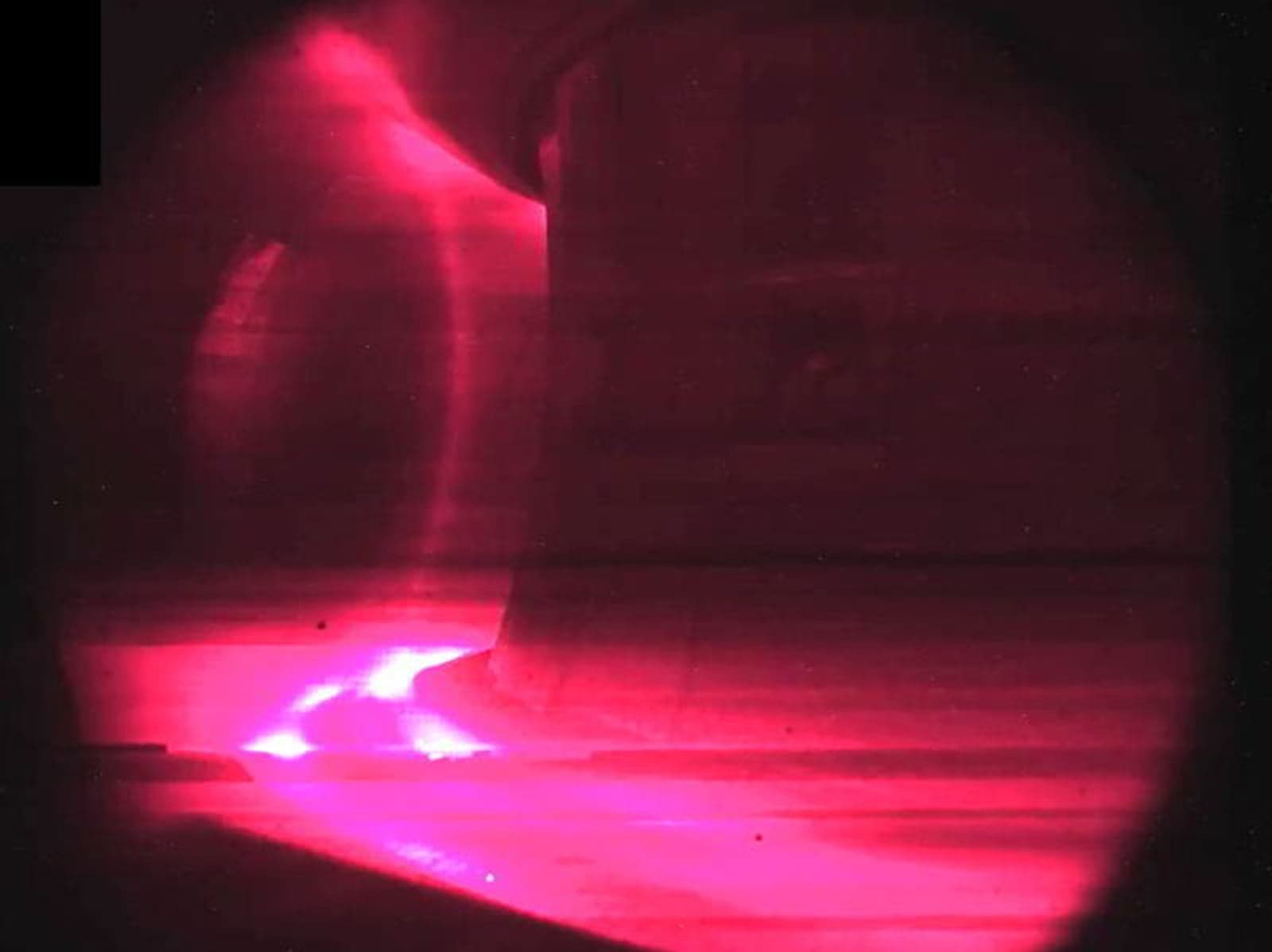
French atomic energy commission CEA’s WEST fusion machine has set a new record for plasma duration.
On 12 February, the WEST machine was able to maintain a plasma for more than 22 minutes – a total of 1,337 seconds.
In so doing, it broke the previous record achieved in January by China’s EAST machine of 1,066 seconds by over 25%.
In the process the plasma reached a temperature of 50 million oC.
Have you read?
Experts unite to secure funding and launch fusion energy consultancy
Energy Transitions Podcast: Why fusion energy is the ‘vaccine of climate change’
“WEST has achieved a new key technological milestone by maintaining hydrogen plasma for more than twenty minutes through the injection of 2MW of heating power,” commented CEA director of Fundamental Research, Anne-Isabelle Etienvre.
“Experiments will continue with increased power. This excellent result allows both WEST and the French community to lead the way for the future use of ITER.”
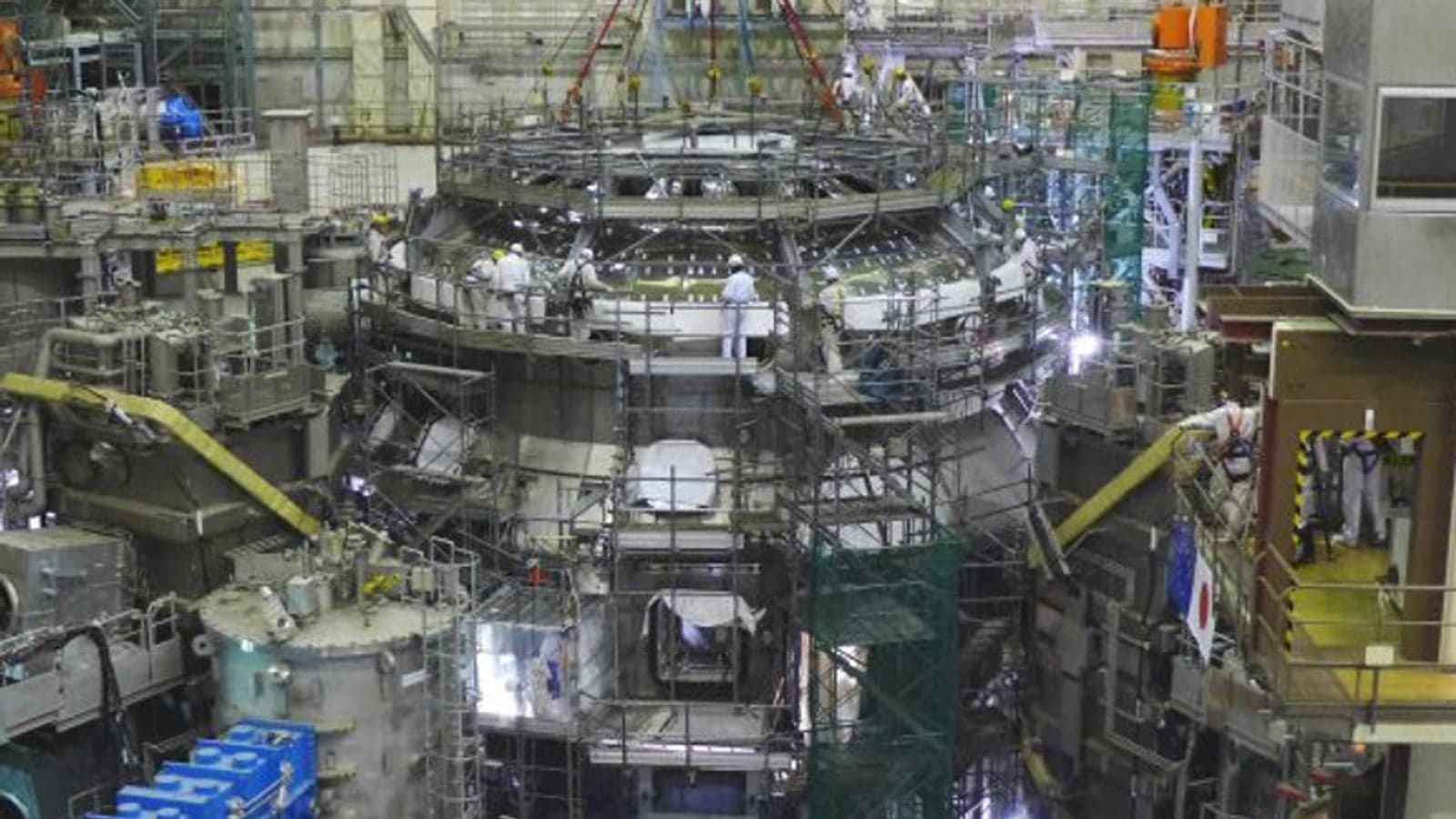
WEST (W (tungsten) Environment in Steady-state Tokamak) – and similarly EAST (Experimental Advanced Superconducting Tokamak) – is a testbed reactor for the next generation ITER machine, which is being developed on the same site in Cadarache in the south of France.
The increase in plasma duration is significant for two reasons. On the one hand it demonstrates increasing maturity in the knowledge of plasmas and their control and the hope that such stabilisation can be achieved for longer periods of time.
It also is necessary to ensure that all the plasma facing components are able to withstand the extreme high temperature, high pressure and high radiation level conditions within the tokamak without malfunctioning or polluting the plasma.
This is key for ITER, which is intended as a large scale research and demonstration device on the path towards commercial electricity generation.
Technology challenges
Over the coming months the WEST team intends to double down on efforts to achieve very long plasma durations – up to several hours combined – but also to heat the plasma to even higher temperatures with a view to approaching the conditions expected in fusion plasmas.
Notably the EAST record was achieved at 70 million oC, while a minimum 100 million oC is needed for continuous fusion and 150 million oC is intended for ITER.
The WEST machine is no stranger to records. As far back as 2003, under its former name Tore Supra, and form it achieved a plasma duration time of 390 seconds.
Preparatory for ITER operation, it achieved 364 seconds in May 2024 and 824 seconds in January 2025, just ahead of the latest record.
Alberto Loarte, head of the ITER Science Division, explains that successful long pulse tokamak operation requires a high degree of integration and control to ensure that neither physics processes nor technological limitations limit the pulse duration.
"Important issues in this respect are: the control of the magnetic field configuration, since sensors signals may drift over long timescales and the profile of the plasma current relaxes and can become unstable; maintaining good power exhaust from the plasma facing components by water cooling leading to a constant component temperature; and avoiding the contamination of the plasma by tungsten that can terminate it due to excessive radiation losses.”
He notes that not all the systems used in WEST and EAST are included in the ITER baseline, but their experience is valuable to identify where the key issues are so that they can be tackled with the ITER systems.