Transforming commercial structures into energy-optimising powerhouses
Guest/partner contributor
Posted on: 29 June 2023
With buildings accounting for a whopping 37% of global energy use and a third of US emissions| businesses are kicking sustainability initiatives into gear to advance the clean energy transition.

With buildings accounting for a whopping 37% of global energy use and a third of US emissions, businesses are kicking sustainability initiatives into gear to advance the clean energy transition, writes Bala Vinayagam, Senior Vice President of Microgrid Line of Business at Schneider Electric.
Commercial buildings, in particular, are a big culprit – with 30% of energy used in commercial buildings going to waste and European Commission claiming that 75% of EU buildings stock is energy inefficient.
It is abundantly clear that the built environment must transform in order to prevent any further contributions to irreversible climate impacts.

The next step forward? Creating smart, self-sufficient structures that pave the way for a greener future.
Executing this approach calls for investment in tools that improve energy flexibility and work alongside onsite renewables, such as localized batteries connected to buildings and scalable microgrids. This will ultimately allow buildings to generate and store energy with more independence from the grid.
Fostering sustainability and resilience
It is a common goal to make infrastructure climate-smart and resilient. The push towards a cleaner grid is backed by initiatives from the Biden Administration such as Executive Order 14057, the Federal Sustainability Plan, and most recently, nearly $1 billion in funding for federal agencies to advance particular net-zero projects. All in all, shifting the focus towards evolving the building-to-grid ecosystem will enable buildings to meet net-zero targets.
Sustainability and resiliency go hand in hand. A resilient built environment, backed by the digitization and automation of energy management, is a crucial component in reducing carbon emissions.
The promise of a net-zero future will require us to pivot from traditional energy systems to instead find an alternative way for buildings to store and consume energy.
Have you read?
Solar+storage microgrids replacing diesel at remote California water project
IKEA instals Australia’s ‘largest commercial microgrid’ in Adelaide
Integrating battery storage with microgrid systems is an innovative, cost-effective, and sustainable method to improve energy operations in buildings as they can optimize energy systems. The shift to decentralized, localized solutions that provide flexible energy services will enable resilience, regardless of disruption from the grid, like extreme weather patterns.
By embracing local power generation and energy storage, buildings themselves can become self-sustaining powerhouses.
Empowering energy independence with Microgrids
Microgrids are distributed energy resources that provide sustainability, resilience, and energy & cost optimization in buildings. By leveraging and working alongside onsite renewable energy sources such as solar, microgrids reduce a building’s reliance on fossil fuel-based grid electricity to lower carbon emissions.
With the US microgrid market expected to grow 19% annually through 2027, microgrids are forming an essential part of the emerging distributed energy infrastructure, making both utility grids and enterprise facilities more flexible and sustainable.
Microgrids play a crucial role in mitigating grid disturbances. For instance, in the event of a grid outage, microgrids can operate in “island mode” — meaning they can continue supplying reliable power within buildings even during outages on the main grid. This resilience ensures an uninterruptible power supply, reduces downtime and strengthens reliability.
Additionally, there are significant cost benefits linked to microgrid use. When businesses rely less on the grid and have access to a reliable power supply, they can leverage the advanced microgrid software to intelligently orchestrate energy distribution to avoid costly outages and fluctuations in electricity pricing. Thanks to the energy independence that microgrids supply, buildings can mitigate volatile or inconsistent grid energy production and rates.
Connecting BESS with Microgrids to create powerhouses
By leveraging the right technology in conjunction with microgrids, facility managers can tap into energy storage to generate and store power onsite and use it when it is needed most.
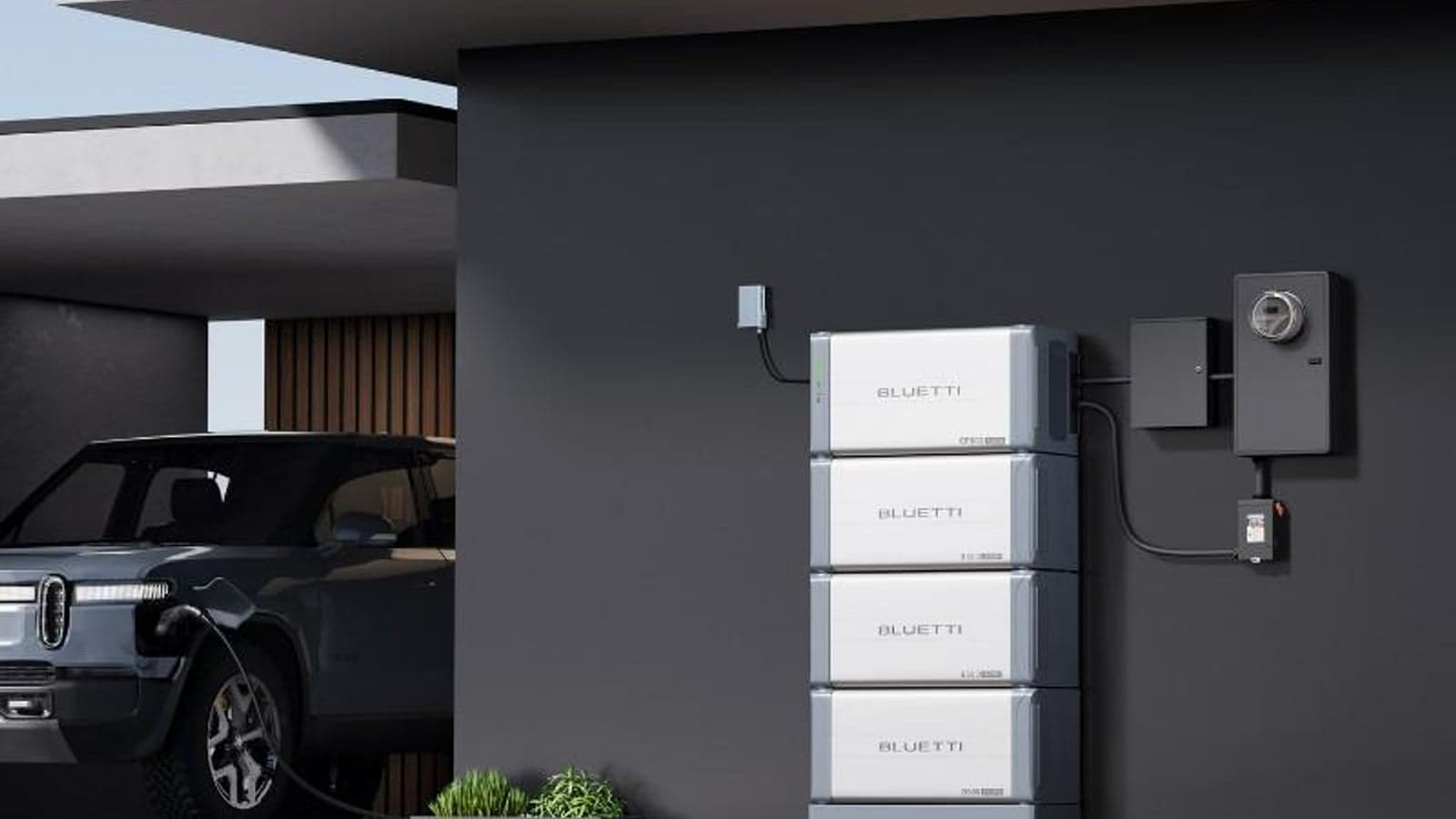
Battery Energy Storage Systems (BESS) are a fundamental component in building energy generation, and the most common form of energy storage system used in microgrids. Batteries enable increased levels of renewable energy integration into the building by storing energy from renewable sources, such as solar and wind, and seamlessly transitioning it back to the grid.
Utilizing BESS can help buildings optimize energy usage, manage demand, reduce energy costs and minimize the waste of excess energy. Through tariff management and onsite microgrid energy distribution, BESS accomplish the objective of storing clean energy in the most effective, efficient way.
Also of interest
Battery storage installations expected to snowball to 400GWh by 2030 – report
Art meets solar in Octopus Energy’s new community energy installation
Battery systems are also reliable resources for backup power. During a grid outage, they can withstand disruptions and keep a building running and can work with other backup generators to extend resilience during times of extended outage. As a more sustainable alternative to backup generators reliant on fossil fuels, battery systems provide cleaner and more reliable energy support.
Buildings can utilize several variations of battery storage in microgrids. Localized batteries, or “behind-the-meter" (BTM) batteries, are battery energy storage systems installed within buildings, closer to the point of energy consumption. BTM BESS includes rooftop batteries, which work in conjunction with solar panels to store excess electricity collected during the daytime to maximize self-consumption within buildings. In turn, buildings can use solar-generated electricity on site, reducing grid dependence and strain on the grid.
Implementation of BESS has started to gain momentum through government incentives such as California's new energy mandate, now requiring PV and battery systems to be installed on all new buildings.
Revolutionising commercial building energy generation
The advanced compatibility of battery systems with microgrids has made it possible for infrastructure itself to become a powerhouse or a battery while simultaneously reducing their carbon footprint. These technologies are the building blocks of energy optimization, working in tandem to enhance reliability, performance, and sustainability in buildings.
BESS are a key driver in clean energy generation, providing various functions like selling surplus energy back to the grid, connecting multiple buildings together in a microgrid block, mobilizing microgrid resources for numerous purposes – the list goes on.
Microgrids as a resource can change the entire energy profile of a structure, and with the support of BESS, buildings can see an increase in energy efficiency and grid-management flexibility.
Effectively facilitating the self-consumption of sustainable, clean, renewable energy generated on-site cannot be achieved by Microgrids alone and requires the capabilities and functions of advanced battery systems. This will limit reliance on the grid, increase integration of renewable energy, and achieve true sustainability.
The combination of BESS and microgrids is a revolutionary next step in the creation of smart, connected, sustainable cities – paving the way for a decentralized and net-zero future for buildings.
ABOUT THE AUTHOR
Bala Vinayagam is the senior vice president of the Microgrid Line of Business Division at Schneider Electric. His passion lies in advancing innovation and digital technology in the electric power industry — especially within protection, monitoring, automation, and control of the electric grid, from substations to enterprise.
He has held a diverse set of global senior leadership roles both at General Electric and Schneider Electric with functional expertise in product management, strategic marketing, sales and commercial operations.