Trump’s social media company merges with fusion power company TAE
Yusuf Latief
Posted on: 19 December 2025
Trump Media & Technology Group, which runs Truth Social, has entered the fusion power sector.
Trump Media & Technology Group (TMTG) and TAE Technologies have signed a merger agreement to combine in a transaction valued at more than $6 billion, creating one of the world’s first publicly traded fusion companies.
TMTG, US President Donald Trump’s Florida-based company that runs the Truth Social social media platform, said the deal combines their significant access to capital with TAE’s leading fusion tech.
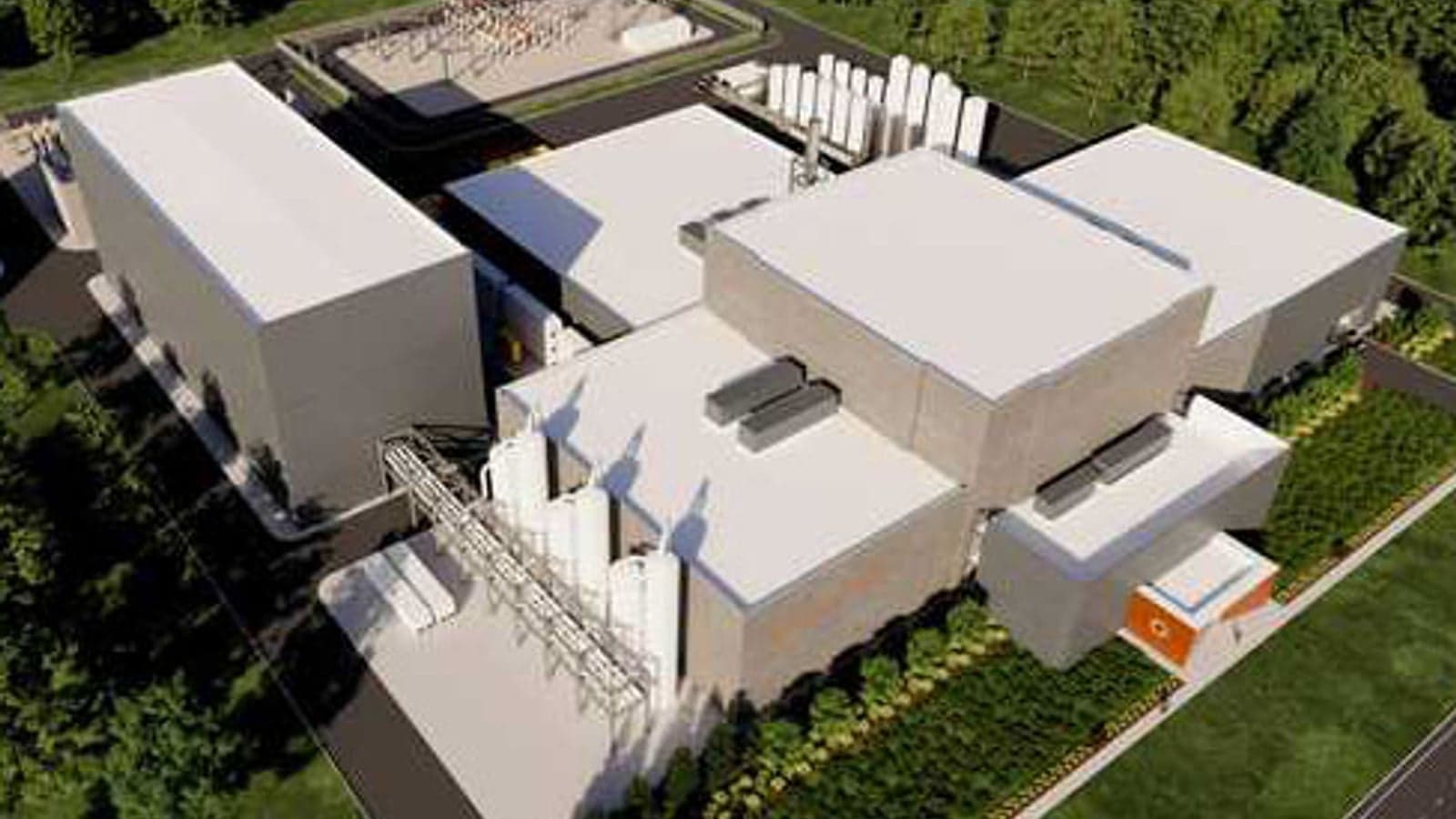
Upon closing, expected mid-2026, shareholders of each company will own approximately 50% of the combined company, which expects to site and commence construction of the first utility-scale fusion power plant in 2026.
The initial fusion power plant will have capacity of 50Mwe with additional fusion power plants planned and expected to be 350–500MWe.
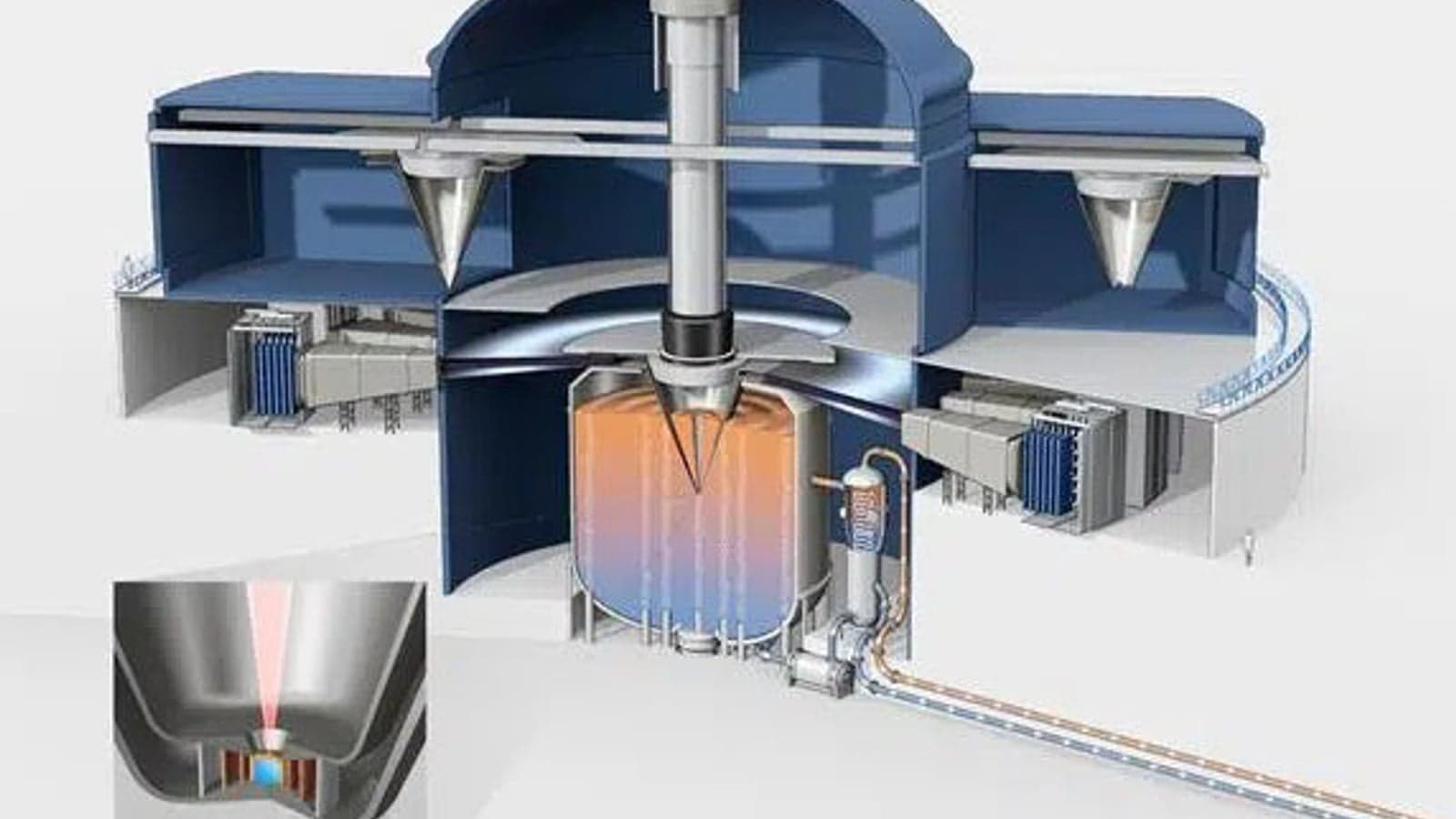
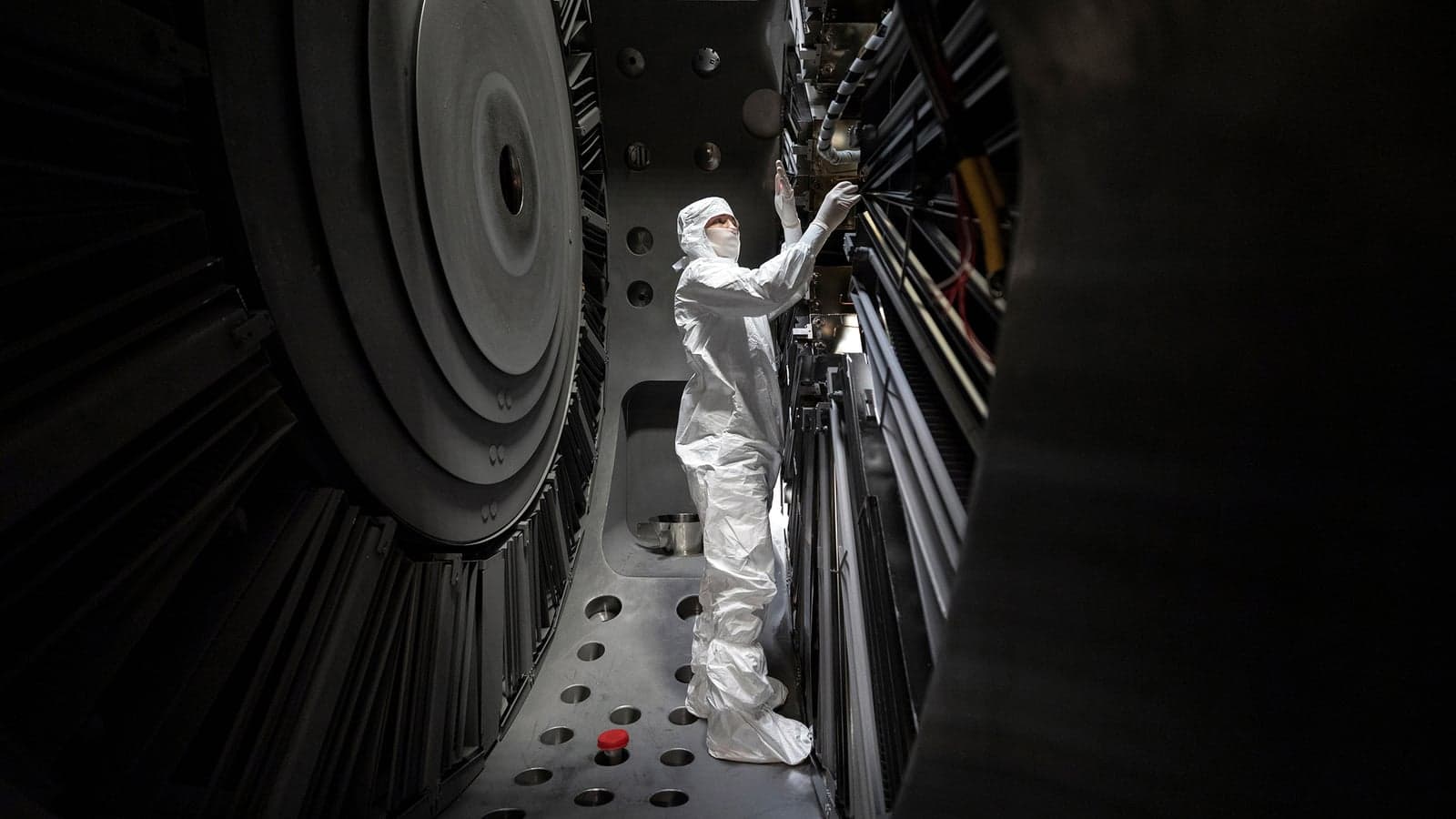
TAE in a release cites their tech’s significantly reduced fusion reactor size, cost and complexity. TAE has built and safely operated five fusion reactors and raised more than $1.3 billion in private capital to date.
Founded in 1998, TAE’s next phase focuses on deploying commercial, utility scale fusion energy. Planned power plants for this energy, says TAE, would provide carbon-free electricity and industrial heat without the risks of nuclear meltdown, radioactive waste, or proliferation.
In addition to its fusion business, TAE has two partially-owned subsidiaries — TAE Power Solutions and TAE Life Sciences. The power business has developed innovative energy storage and power delivery systems to serve multiple industries, including AI data centres, industrial users, and EVs. TAE Life Sciences has developed a biologically targeted radiotherapy to treat cancer patients.
Upon closing, TMTG will be the holding company for Truth Social, Truth+, Truth.Fi, TAE, TAE Power Solutions and TAE Life Sciences, among others.
Devin Nunes, TMTG Chairman and Chief Executive Officer, and Dr Michl Binderbauer, TAE CEO and Director, plan to serve as co-CEOs of the combined company. Michael B. Schwab, Founder and Managing Director of Big Sky Partners, is expected to be named Chairman of a planned nine-member board of directors.
Have you read?
Developing Europe’s next generation nuclear workforce
Enlit Europe 2025: power generation trends & takeaways
EU approves aid for Poland’s first nuclear power plant
The directors include two from TMTG, Nunes and Donald J. Trump Jr., two directors from TAE, including Binderbauer and Schwab, and five other independent directors to be selected and named later.
Said Nunes in a release: “Fusion power will be the most dramatic energy breakthrough since the onset of commercial nuclear energy in the 1950s — an innovation that will lower energy prices, boost supply, ensure America’s AI-supremacy, revive our manufacturing base and bolster national defense.
“TMTG brings the capital and public market access to quickly move TAE’s proven technology to commercial viability.”
Said Binderbauer: “Our talented team, through its commitment and dedication to science, is poised to solve the immense global challenge of energy scarcity. At TAE, recent breakthroughs have prepared us to accelerate capital deployment to commercialise our fusion technology. We’re excited to identify our first site and begin deploying this revolutionary technology that we expect to fundamentally transform America’s energy supply.”
Nuclear for AI
According to TMTG, TAE’s advancements in the fusion space position TAE to offer dispatchable, affordable energy at a time of surging power demand that comes from the increased use of AI.
This has been a significant focus for the Trump administration, which has highlighted the growing electricity demands of data centres, advanced manufacturing, and national security infrastructure as AI deployment accelerates.
Ensuring access to firm, domestic, and scalable power sources is thus a strategic priority, with nuclear technologies in a unique position to meet that demand. This has been recognised in the US especially, where nuclear power development has been reignited in a market that has become a hotbed of private investment in nuclear fusion technology.
Unlike intermittent generation, nuclear fusion is designed to provide continuous, dispatchable electricity, a characteristic that aligns closely with the needs of hyperscale data centres and AI training workloads, which require stable power around the clock and face rising scrutiny over their environmental footprint.
The US leads global fusion development with 29 companies pursuing various approaches to achieve commercial viability, according to a September report from ResearchAndMarkets.
According to their report, private and public investment globally into the tech hit $10 billion by September 2025. This surge represents a dramatic shift from the historically government-dominated research landscape.
Several approaches are competing for market dominance. Magnetic confinement fusion (tokamaks and stellarators) remains the most mature technology, with companies like Commonwealth Fusion Systems, TAE Technologies, and Tokamak Energy making significant advances.
Inertial confinement fusion has gained momentum following NIF's breakthrough, while alternative approaches like magnetised target fusion (pursued by General Fusion) and Z-pinch technology (Zap Energy) have attracted substantial investment.