Turning awareness into action: Smart tools for smarter energy use
Guest/partner contributor
Posted on: 11 November 2025
The EU-DREAM project sets the foundation for developing services that draw on cross-sectoral insights beyond the energy domain to empower consumers in the energy transition.
Economic barriers remain one of the most significant obstacles to consumer participation in the energy transition. The initial investment required for energy efficient and smart appliances is often prohibitively high, particularly for households in lower-income brackets. In addition, while financial support mechanisms such as subsidies and low-interest loans do exist, they are frequently difficult to access or poorly communicated.
This lack of clarity and consistency makes it challenging for consumers to understand their options and take advantage of available supportive measures.
Insights from end-user surveys of EU-DREAM's WP1, conducted under the leadership of ENSIEL, reveal a clear disconnect between consumer awareness and active participation in the energy transition. While thousands of respondents expressed support for climate action and recognised the environmental benefits of adopting flexible energy assets, many still face significant barriers. A lack of resources, limited incentives and insufficient knowledge prevent consumers from engaging meaningfully in providing flexibility services within the energy system.
Economic barriers are among the most prominent challenges. For instance, the upfront cost of energy efficient and smart appliances remains out of reach for many households, especially in lower-income brackets. Furthermore, access to affordable financing and subsidies is often inconsistent or poorly communicated, making it difficult for consumers to navigate their options.
Barriers to consumer engagement
A major barrier to consumer engagement in the energy transition is the lack of accessible, reliable information. Many individuals struggle to make informed decisions about their energy use due to the complexity of the market and the absence of clear guidance.
Consumers are often unaware of available incentives, the advantages of smart appliance choices, or the long-term financial impacts of their consumption habits. This lack of awareness can result in hesitation or continued reliance on conventional energy systems – even when more efficient and sustainable options are available.
- Technical: Interoperability issues between brands; complex setup and configuration; privacy and data security concerns; software bugs or unreliable performance.
- Economic: High upfront costs; unclear long-term cost savings.
- Psychological/behavioural: Resistance to change; lack of trust in data use or device reliability; perceived loss of control due to automation.
- Usability: Non-intuitive user interfaces and apps; poor customisation or adaptability.
- Infrastructural: Lack of an existing smart home ecosystem.
To ensure the success of the energy transition, it is essential to close the persistent gap between what consumers know and want and what is actually required to meet long-term sustainability targets. Many people are concerned about climate change and eager to support the energy transition, but often lack the tools and support to turn intention into action.
Bridging the divide
Bridging this divide involves a comprehensive approach that addresses economic, informational and behavioural barriers, while placing consumers at the centre of the transition process, as discussed below.
Access to information
One of the most fundamental steps is to enhance energy literacy among final energy users. Consumers often face confusion or skepticism when trying to understand their energy choices, particularly when faced with technical information, data, or conflicting advice.
Governments, non-profits and energy providers must work together to develop accessible, user-friendly platforms that clearly explain the benefits and costs of renewable energy technologies, energy efficiency practices, and available incentives. Educational campaigns – through schools, media, community centers, and online tools – can help demystify the energy landscape, empowering people to make informed decisions that align with their values and financial capacities.
Financial incentives
High upfront costs of smart appliances remain a significant barrier to consumer adoption of flexible assets. Governments should expand financial instruments that reduce the burden of these costs, including grants, rebates, tax credits and innovative financing options like on-bill financing or energy-as-a-service models. These incentives must be not only sufficient but also simple to access, especially for underserved and lower income consumers who are often excluded from clean energy opportunities due to lack of capital or credit.
Behavioural incentives
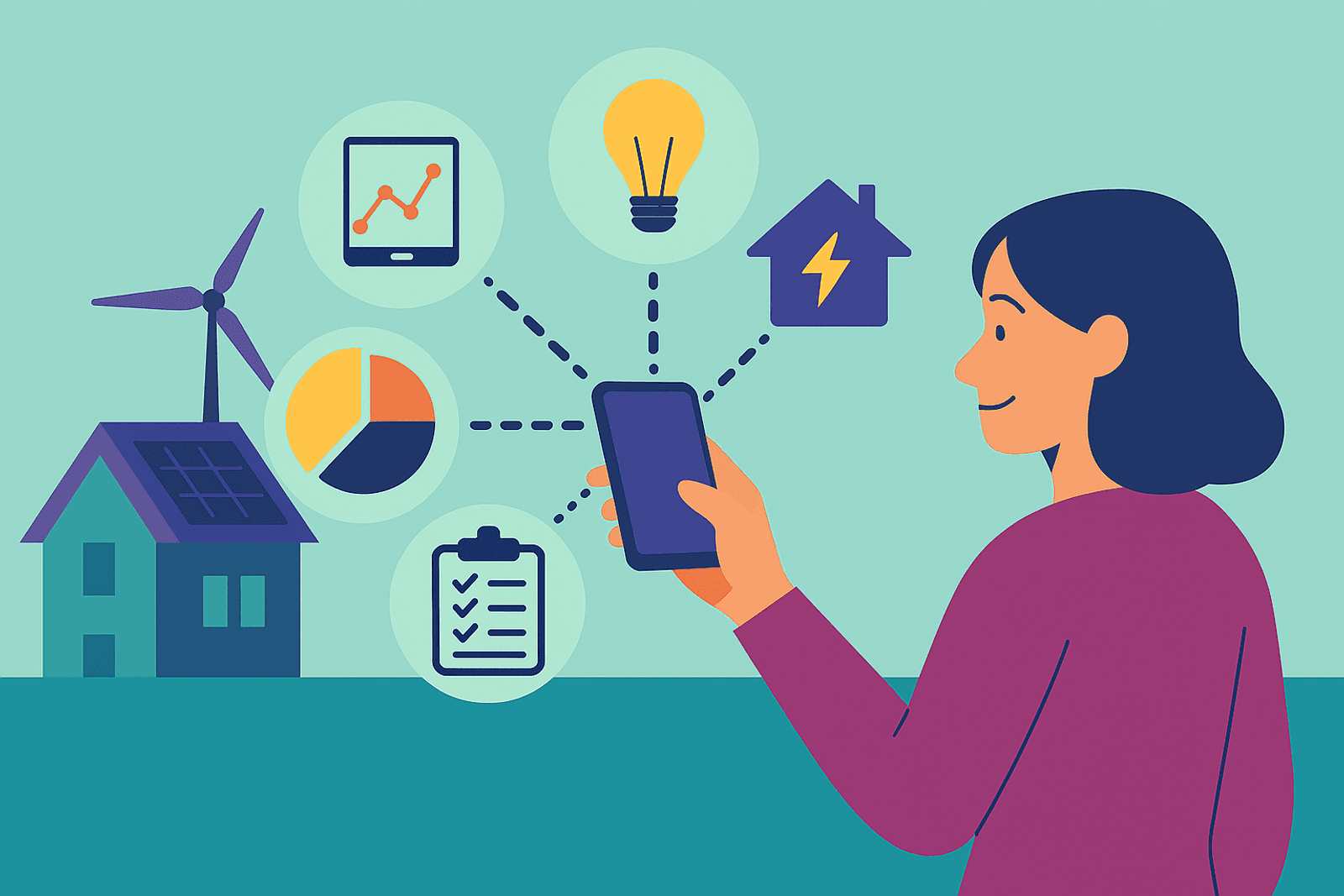
Behavioural incentives may offer valuable insights into how to influence consumer to be an active actor of the energy transition. Examples include offering time-of-use pricing that encourages off-peak energy consumption, or providing visual energy usage feedback through smart meters, apps and digital tools also based on AI. These tools can help consumers internalise the value of energy savings and build long-term habits aligned with environmental goals.
Community engagement and local empowerment
Energy transitions are more successful when they are community-driven. Localised energy initiatives – such as energy cooperatives and energy communities – not only increase adoption but also build trust and foster a sense of ownership.
Governments and utilities should actively involve citizens in planning and decision-making processes, ensuring that solutions reflect local needs and preferences. Empowering communities to co-design and co-manage energy projects increases transparency, boosts participation, and reinforces the perception of energy as a shared responsibility and opportunity.
Structural inequalities
Finally, all measures must be designed with equity at the forefront. Vulnerable populations – including low-income families, renters, elderly individuals and marginalised communities – often face the greatest risks from climate change while having the fewest resources to adapt.
A truly just energy transition requires targeted policies that address these disparities through inclusive financing and protection from rising energy prices. Ensuring fair access and representation in all stages of the transition builds societal resilience and reinforces the social license to accelerate change.
This is the driving vision behind EU-DREAM. By leveraging AI, the project aims to help households, businesses and prosumers actively contribute to energy system flexibility. Imagine having a virtual energy advisor – an AI-powered assistant that simplifies decisions, optimises appliance use, and translates complex energy concepts into everyday language.
EU-DREAM will introduce a smart intermediary using natural language processing, allowing users to express preferences in plain terms – like comfort, temperature or budget – while the AI handles the technical settings behind the scenes. This approach builds trust, boosts awareness, and makes energy management intuitive and accessible.
Practical applications
Practical applications include:
- Automated appliance control: AI adjusts devices like HVAC systems or EV chargers based on real-time energy prices and grid conditions. Example: A smart thermostat pre-cools a home when electricity is cheap and reduces usage during peak hours.
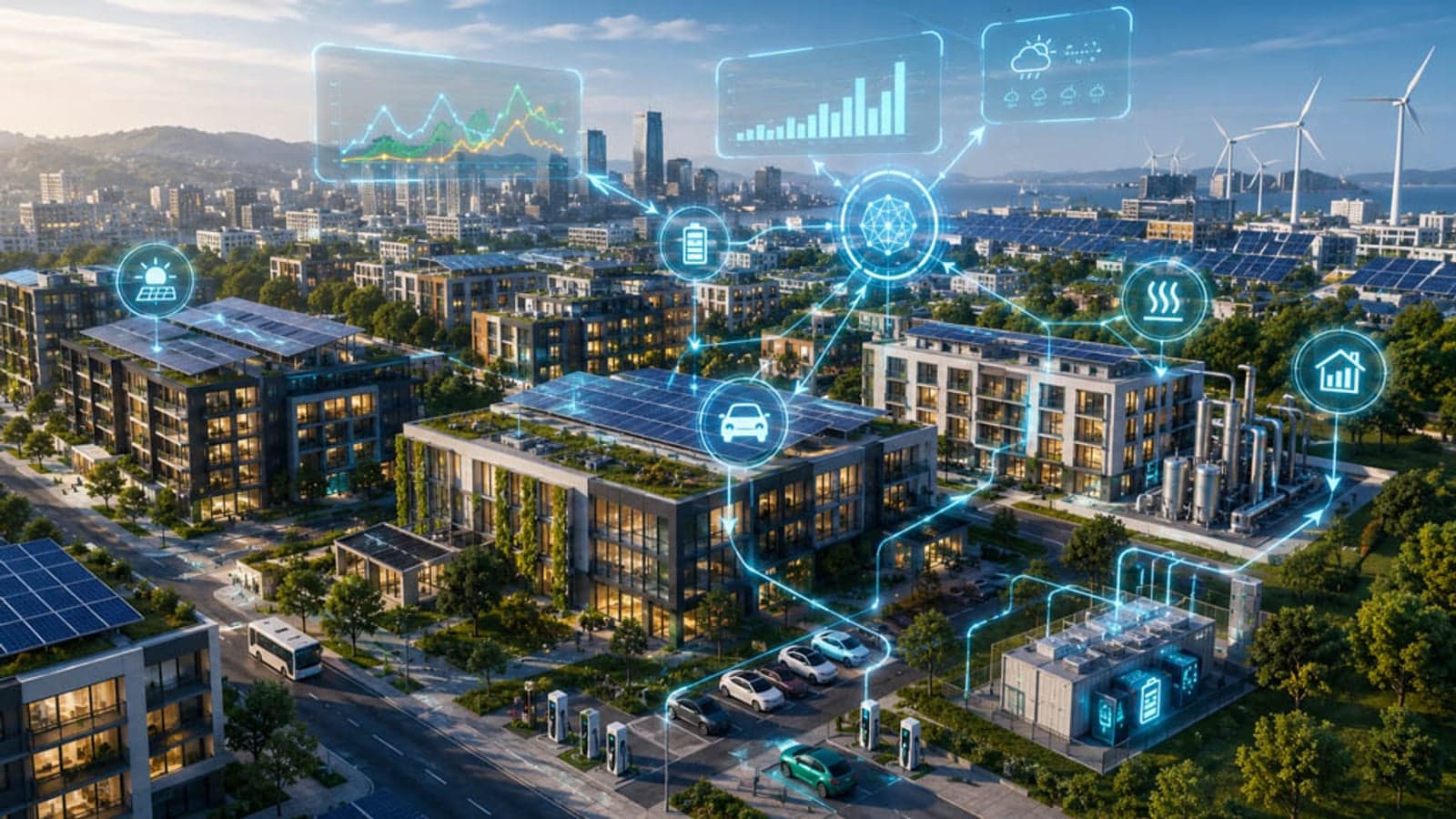
- Predictive energy management: AI forecasts consumption, solar generation and peak demand to optimise usage and storage.
- Personalised recommendations: Based on user habits, AI suggests when to run appliances, alerts users to reduce consumption, and tailors settings to individual preferences.
- Battery and EV optimisation: AI manages charging/discharging to reduce bills or earn from flexibility markets. Example: Charging a battery during high solar output and discharging during peak demand.
- Natural language processing-powered interfaces: Apps and voice assistants translate energy data into actionable insights, like alerts for high tariff periods or simulations showing savings from flexible energy use.
By simplifying complexity and centering user experience, EU-DREAM offers a pathway to real consumer empowerment – making the energy transition not just achievable, but inclusive and intuitive.
Learn more about EU-Dream: https://eu-dream.eu/
About the author
Marialaura Di Somma is Associate Professor of Applied Thermodynamics and Energy Systems in the Department of Industrial Engineering of the University of Naples Federico II with main research interests focusing on optimisation of DERs in the context of local multi-carrier energy systems. She has been involved in 16 national and EU projects as principal investigator, co-PI and work package leader.
Most popular
Join the community for freeAnd get access to all content
Related projects
EU-DREAM
+1
1 July 2024 - 31 December 2027
View projectLatest content
+6
DEDALUS: Empowering citizens to shape the future of energy
The DEDALUS project is redefining residential energy demand response by putting end-users at the heart of sustainable energy solutions. Through advanced technology and a user-centred approach, this Horizon project empowers residents to actively manage their energy consumption as part of the green transition, fostering a future where people and technology work together for a resilient energy ecosystem.
- Guest/partner contributor
- 03/02/2025
Latest in Digitalisation
All articlesPartner content
+1
Digital water management: Empowering utilities with scientific decision-making
As urban water distribution networks continue to expand and water resource management becomes increasingly complex, water utilities are facing growing operational challenges.
- Guest/partner contributor
- 03/07/2026