UK Infinity Fusion Consortium launched to commercialise fusion
Jonathan Spencer Jones
Posted on: 8 May 2026
Type One Energy and AECOM from the US and UK’s Tokamak Energy are joining forces to develop the first private sector led commercial fusion plant in the UK.
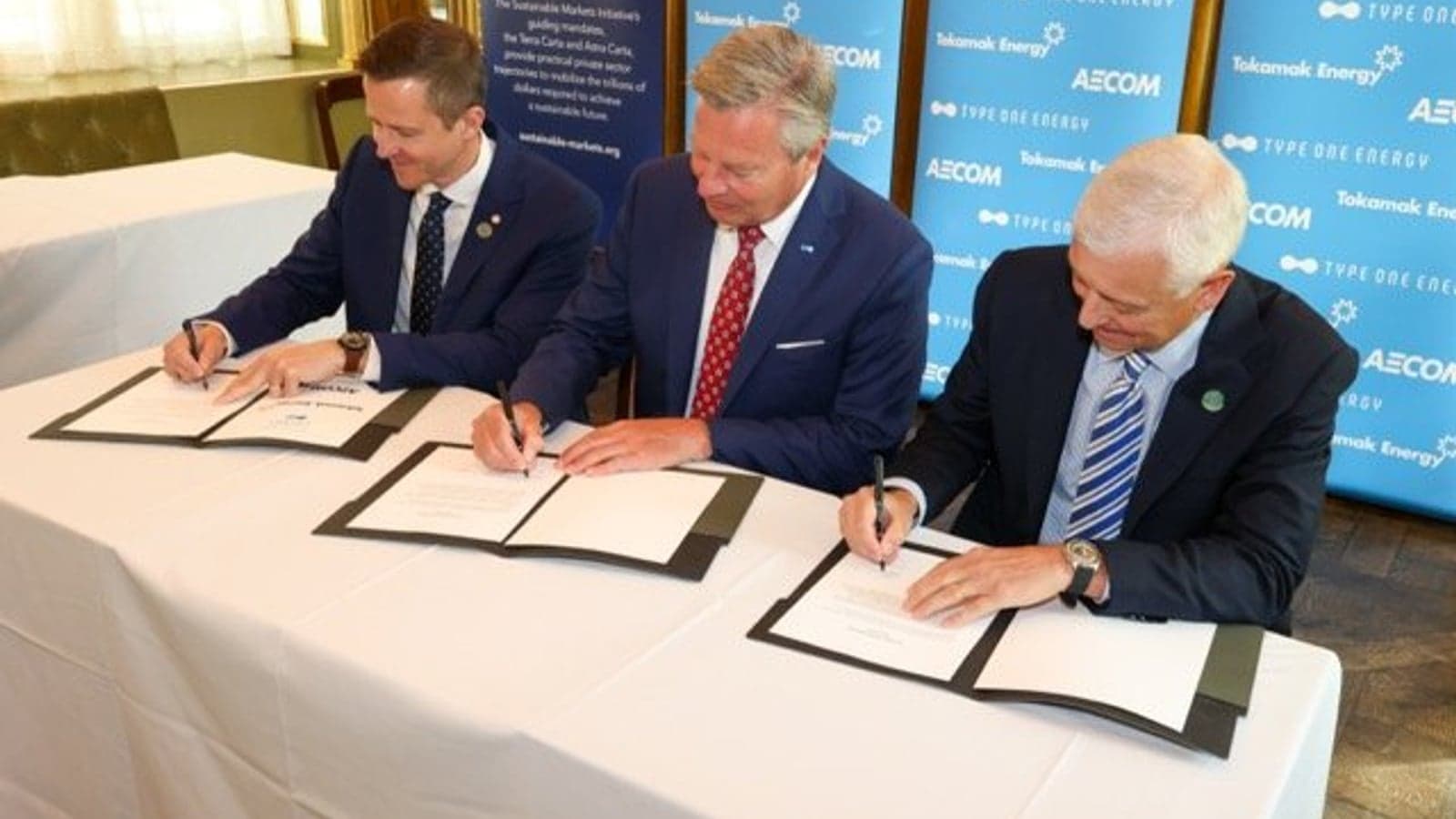
The new consortium combines Type One Energy’s 400MWe Infinity Two stellarator fusion power plant design with AECOM’s engineering capabilities and Tokamak Energy’s high temperature superconducting magnet technology and manufacturing expertise.
The aim is to develop a UK Infinity Two fusion power plant project, also including the participation of the broader UK fusion value chain spanning construction, finance, offtake among others.
The initiative is intended to complement the UK government’s STEP fusion programme and build on its significant investment in magnetic confinement fusion technology, supply chain capabilities, regulation and power plant siting.
Also of interest
Europe's fusion lead at risk without EU strategy warn CEOs
Collaboration critical as fusion developers push toward MW-scale pilots
It will also capitalise on the synergy and experience gained from the Infinity Two fusion power plant project at the Tennessee Valley Authority’s Bull Run site in the US, which is targeted for commercial operation in 2034.
The TVA Infinity Two project is being supported by the US government’s own fusion programmes and should provide a technical foundation for the UK Infinity Two project.
Currently an initial licencing application has been submitted, marking a regulatory breakthrough given the different risk profile of fusion versus fission.
Chris Mowry, CEO of Type One Energy, said that fusion needs to be delivered, not just developed.
“This consortium brings together the core industrial capabilities in the UK and US required to deploy real-world fusion power plant projects that are commercially viable. By aligning fusion technology, advanced manufacturing and power plant engineering, we are closing the gap between today’s energy innovation and tomorrow’s energy infrastructure.”
Together, the companies intend to develop a fusion project that is commercially credible, deployable using existing enabling technologies, and capable of attracting private capital and thus consistent with the long-term goals of the government’s recently announced fusion strategy, they say in a statement.
Warrick Matthews, CEO of Tokamak Energy, says that the consortium puts its magnet technology and manufacturing expertise in the centre of another world-class fusion programme – this following the April 2026 naming of Tokamak Energy as the magnet systems partner for the STEP programme.
“Together, we can accelerate towards commercialising a new form of limitless, clean energy and, in combination with our role as STEP magnet systems partner, strengthen the UK supply chain’s leadership in global fusion.”
Troy Rudd, Chairman and CEO of AECOM, adds: “Delivering on fusion’s potential requires disciplined engineering, well-established infrastructure delivery models and collaboration across the entire energy ecosystem. Through this consortium, AECOM is bringing its global experience in complex energy infrastructure to help lay the groundwork for commercial fusion projects that can scale with confidence.”
US-UK cooperation
The announcement comes at a time of increasing US-UK bilateral cooperation on fusion, following the establishment of a formal partnership between the two countries in November 2023 and highlighted during the visit of King Charles to the US in the first week of May.
This envisages bringing together scientists and engineers to address the technical challenges, allowing shared access for facilities, standardising international regulatory frameworks and codes of practice, developing the supply chains and promoting skills development.
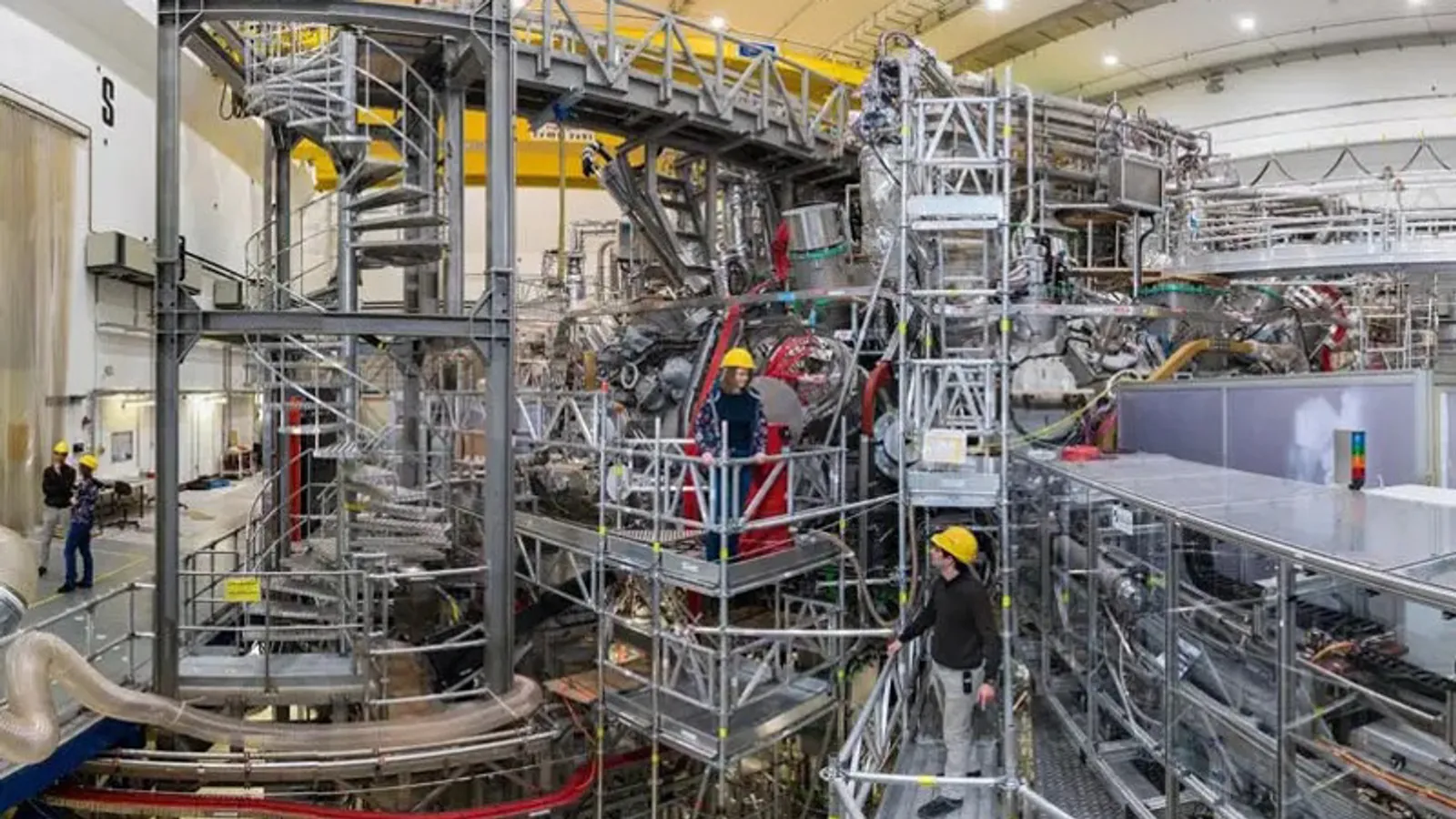
Type One Energy states that the stellarator is the only fusion technology demonstrated to operate in a stable, continuous manner appropriate for commercial baseload power generation and that the technology, using today’s most durable materials and advanced manufacturing techniques, is being developed to power the first generation of commercially viable, grid-scale, fusion power plants.