UK’s space-based solar gets £4.3m boost
Jonathan Spencer Jones
Posted on: 14 June 2023
The UK government is funding £4.3 million (US$5.4 million) in eight projects to advance technologies for space-based solar power.
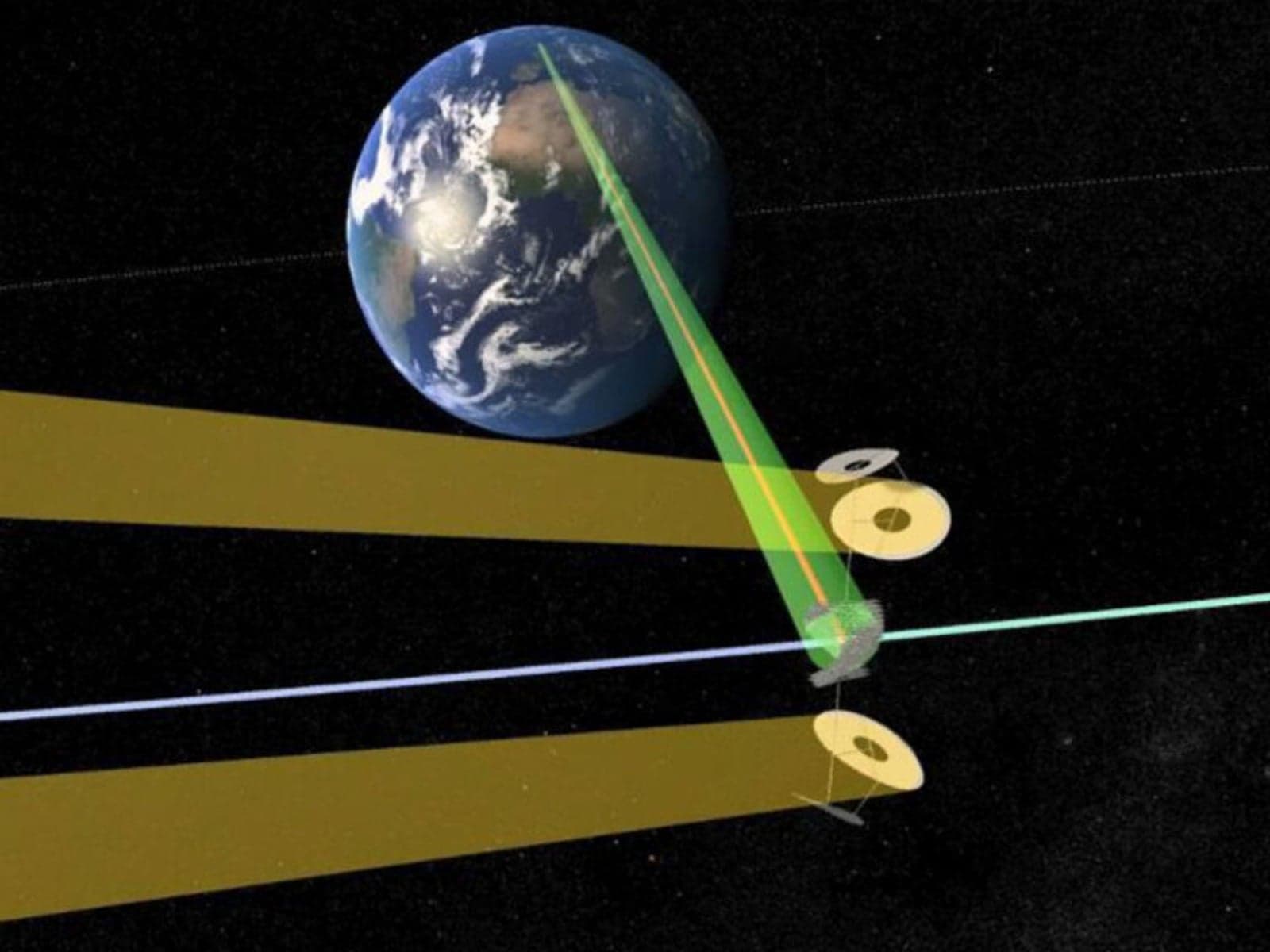
The UK government is funding £4.3 million (US$5.4 million) in eight projects to advance technologies for space-based solar power.
With space-based solar power still in the early stages of development there is much technology R&D required to advance the concept both to withstand the harsh environment of space and to deliver power to the Earth on a cost effective basis.
The UK, one of a few countries that have committed to space-based solar, already has taken several steps of advancement, including the formation of the Space Energy Initiative as a public-private industry body to advance its development.
Subsequently out of this has emerged Space Solar as a commercial entity to deliver the space-based solar power programme.
Have you read?
First wireless transmission of power demonstrated in space
Watch this space: solar power boldly goes into new niche
The eight projects awarded funding from the government are as follows:
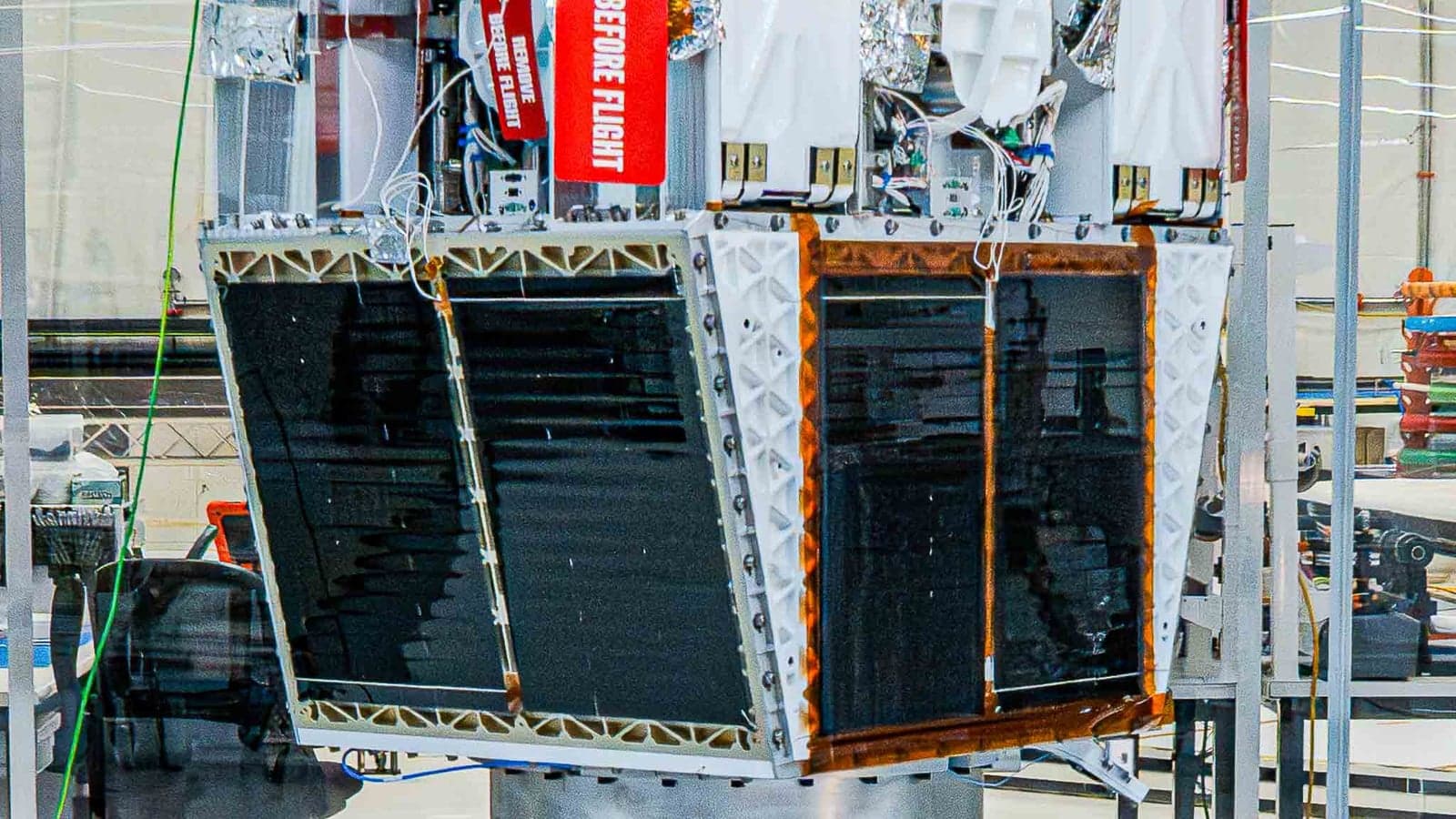
• The University of Cambridge – £770,000 ($971,000) to develop ultra-lightweight solar panels that can survive long periods in the high radiation environment of space, which should help to increase the lifetime of the satellites, improve energy yields and lower the cost of the energy.
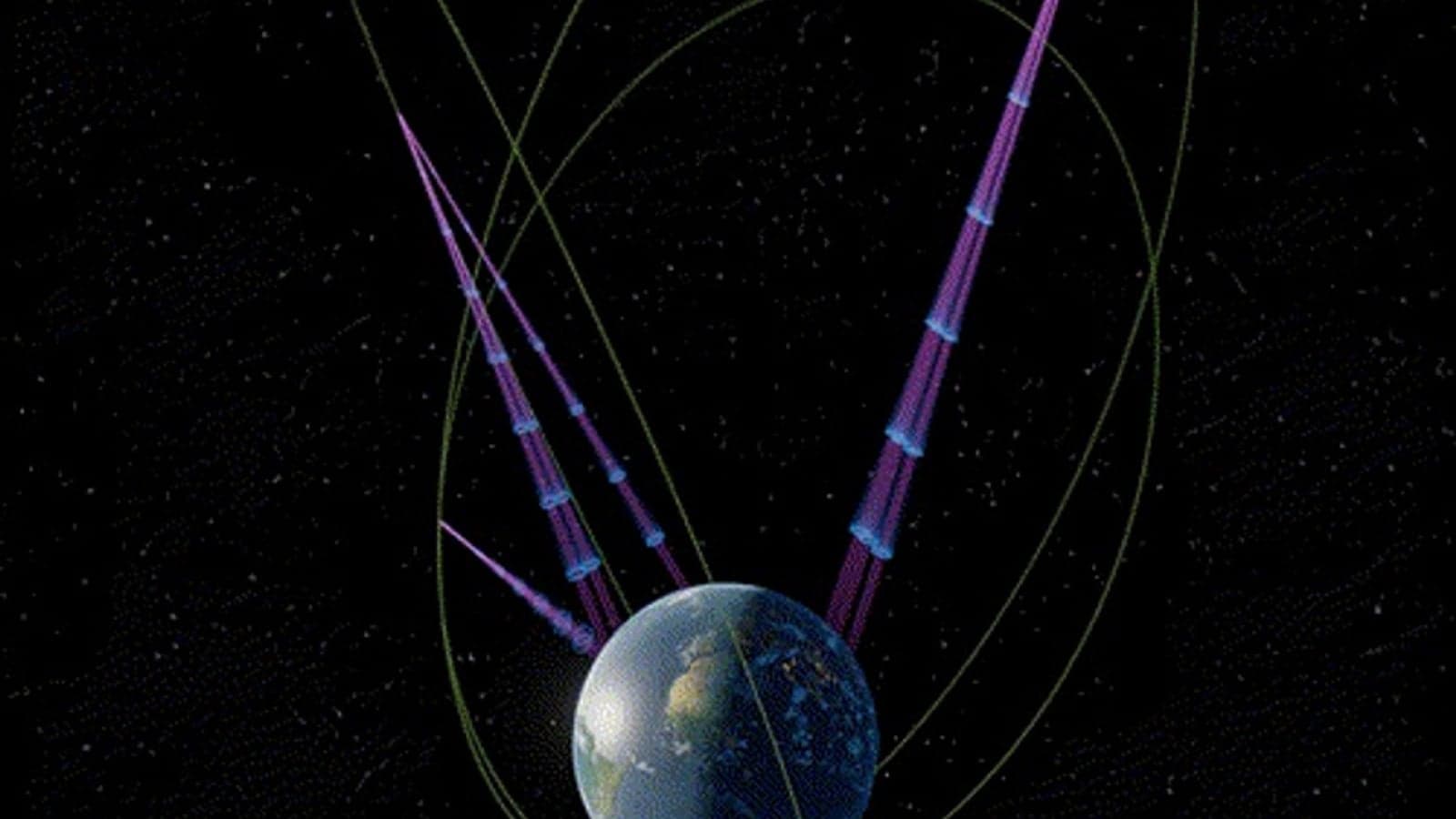
• Queen Mary University, London – £960,000 ($1.2 million) to develop a wireless power transmission system with high efficiency over a long range, to support the technology to beam solar power from the satellites back to Earth.
• MicroLink Devices UK, a South Wales-based solar array developer – £449,000 ($566,000) to develop the next generation of lightweight, flexible solar panels that could be used for solar satellites.
• University of Bristol – £353,000 ($445, 000) to produce a simulation of solar space wireless power transfer capability to explore the possibilities of this technology and provide further evidence on the performance, safety and reliability of space-based solar.
• Satellite Applications Catapult – £999,000 ($1.2 million) for an experiment to test the electronical steering and beam quality of its space satellite antenna technology; and £424,000 ($535,000) to study how to advance commercial space-based solar power to provide a reliable source of electricity for the UK.
• Imperial College London – £295,000 for a study to assess the key benefits and impacts of space-based solar, including how solar energy from space could be integrated into the electricity grid alongside other low carbon energy sources.
• EDF Energy UK R&D – £25,000 ($32,000) for a study to improve knowledge of the value of introducing space-based solar power into the UK grid.
“I want the UK to boldly go where no country has gone before – boosting our energy security by getting our power directly from space,” said Secretary of State for Energy Security and Net Zero Grant Shapps, of the funding awards.
“We’re taking a giant leap by backing the development of this exciting technology and putting the UK at the forefront of this rapidly emerging industry as it prepares for launch. By winning this new space race, we can transform the way we power our nation and provide cheaper, cleaner and more secure energy for generations to come.”
A September 2021 independent study by Fraser-Nash Consultancy found that space-based solar is technically feasible and could be developed by 2040 as a new source of economically competitive baseload electricity.
Modelling was based on the CASSIOPeiA concept from the Oxford-based International Electric Company of a kilometre scale lightweight helically arranged phased array, on to which solar radiation is concentrated by a system of mirrors.
The concept is estimated to generate a little over 3GW of electricity on the satellite and should deliver around 2GW into the grid.
The Satellite Applications Catapult has already been investigating some ‘enablers’ for space-based solar power, including how to deliver a high altitude demonstration of wireless power transfer, tools for assembly and servicing of modular structures in space, standards and regulatory requirements and the security aspects.