UK to join Horizon Europe research programme
Yusuf Latief
Posted on: 8 September 2023
As of 1 January 2024, UK researchers and organisations will be able to participate in the EU’s €95.5 billion Horizon research initiative.
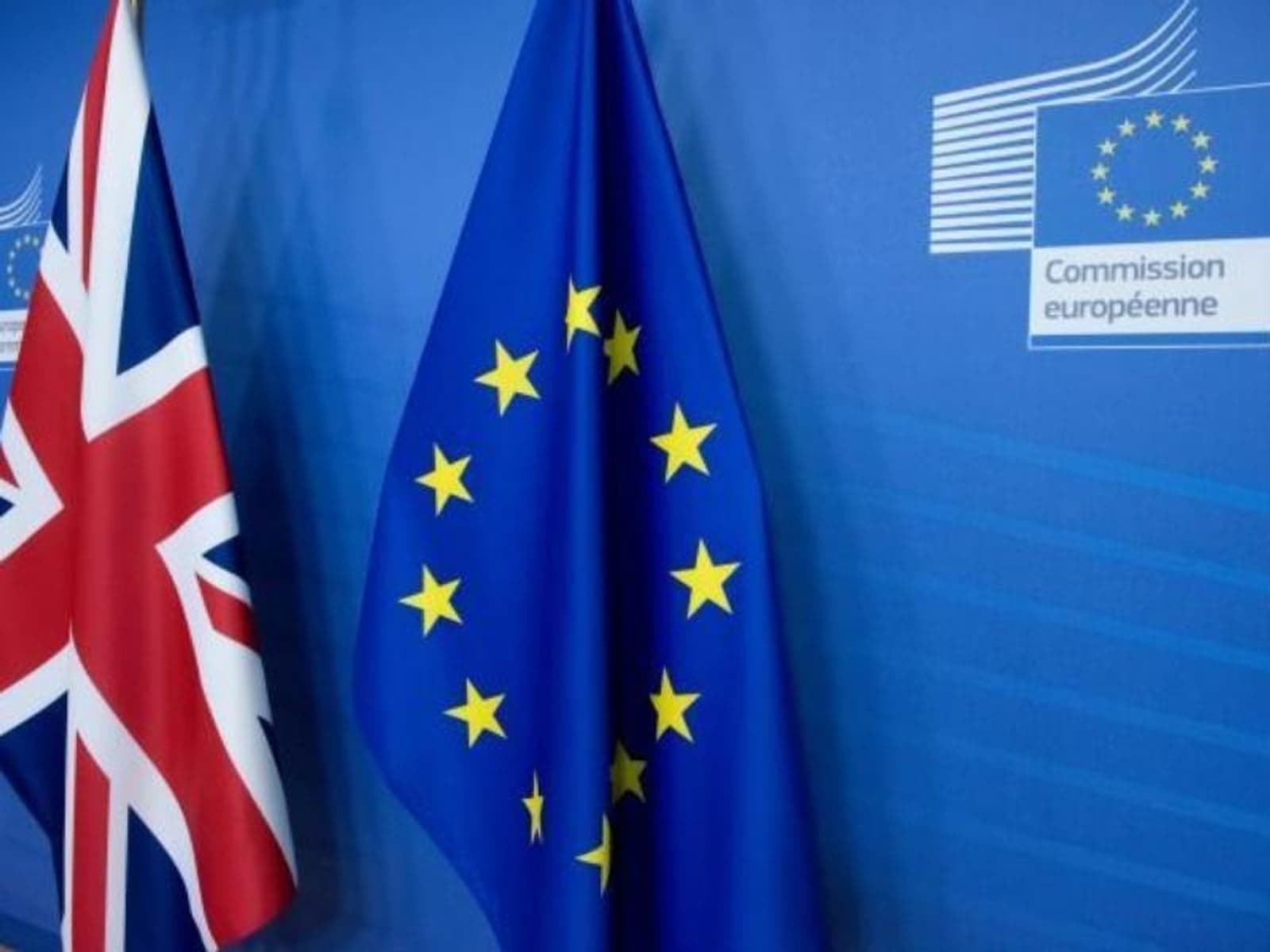
As of 1 January 2024, UK researchers and organisations will be able to participate in Horizon Europe, the EU’s €95.5 billion ($102.3 billion) scientific research initiative.
The European Commission and the United Kingdom have reached a political agreement on the UK's participation in the programme, which aims to fund initiatives tackling global challenges in energy, climate, mobility, digital, industry and space, health, and more.
UK researchers can now apply for grants and bid to take part in projects under the Horizon programme, which will continue running until 2027.
Horizon will give UK companies and research institutions opportunities to develop new technologies and research projects across the programme’s designated priority areas.
According to the European Commission, the agreement is in line with the EU-UK Trade and Cooperation Agreement and the UK will be required to contribute financially to the EU budget.
Have you read:
New Zealand joins EU’s Horizon research programme
Europe’s grids need anticipatory planning and investment – Eurelectric
Overall, it is estimated that the UK will contribute almost €2.6 billion ($2.8 billion) per year on average for its participation to both Horizon Europe and Copernicus - the Earth observation component of the EU’s Space Programme, monitoring the Earth and contributing to the European Green Deal and net-zero objectives, states the Commission.
Once adopted, the UK will also be able to join the governance of EU programmes – which the UK has been excluded from since its exit from the EU.
Energy research under Horizon
Under cluster five of the programme, energy is one of the core areas of research under Horizon’s banner.
Coupled in the same cluster as climate and mobility, approximately €15 billion ($16 billion) was made available for cluster five when the programme was launched in 2021.
In this cluster, projects can apply for funding under the eligible categories of:
- Energy supply
- Energy systems and grids
- Smart mobility
- Energy storage
- Buildings and industrial facilities in energy transition
- Communities and cities
- Climate science and solutions
- Industrial competitiveness in transport, clean, safe and accessible transport and mobility
However, according to a UK-released statement, the UK will develop fusion energy strategy domestically, opting to not associate with the EU’s Euratom programme and making available a new £650 million ($812 million) programme for fusion development and commercialisation as an alternative.
The agreement must now be approved by the Council before being formally adopted in the EU-UK Specialised Committee on Participation in Union Programmes.
Secretary of State for Science, Innovation and Technology Michelle Donelan stated: “Today is a fantastic day for UK science and our whole economy. We have listened to the sector, and through hard work and negotiation, we have secured an excellent deal for researchers, taxpayers and businesses.
“The Horizon programme is unrivalled in its scope and opens up a world of opportunity for cooperation on science that delivers real-world benefits for the UK - creating jobs, boosting our economy and opening up collaboration for the sector with some of our closest partners (…) This deal is a crucial step forward on our mission to become a science and tech superpower by 2030.”
Related tags
Latest content
+4
European partnership on solar PV unites leading minds from research and industry
The European Partnership for Solar Photovoltaics (EUPI-PV) has been formalised in an MoU between the European Technology & Innovation Platform for Photovoltaics (ETIP PV) and European Commission.
- Jonathan Spencer Jones
- 21/05/2025