Underground infrastructure completed for US wave energy test facility
Elizabeth Ingram
Posted on: 7 June 2023
Jacobs has completed underground infrastructure engineering work for the PacWave South commercial-scale| ocean wave energy testing facility.
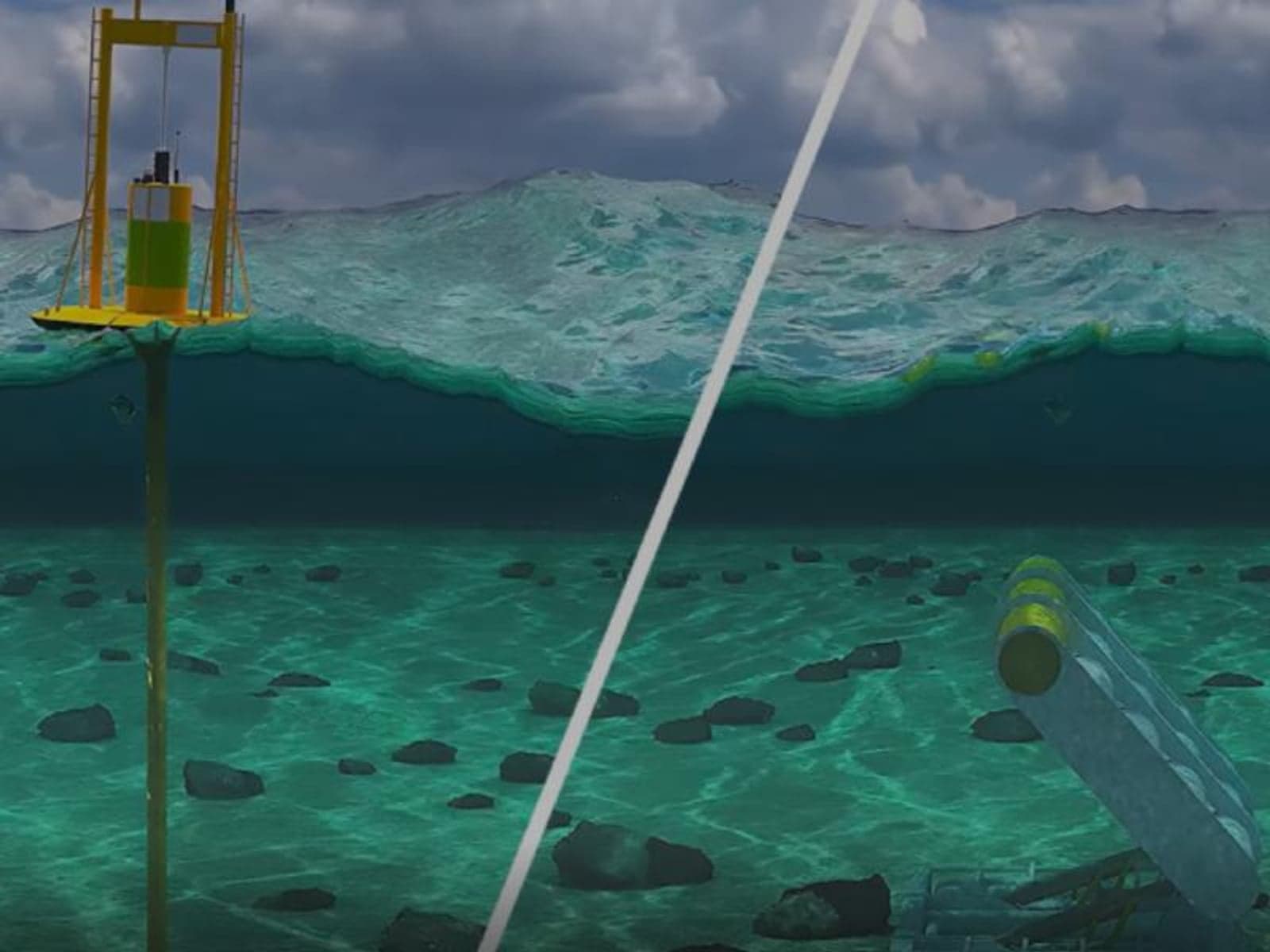
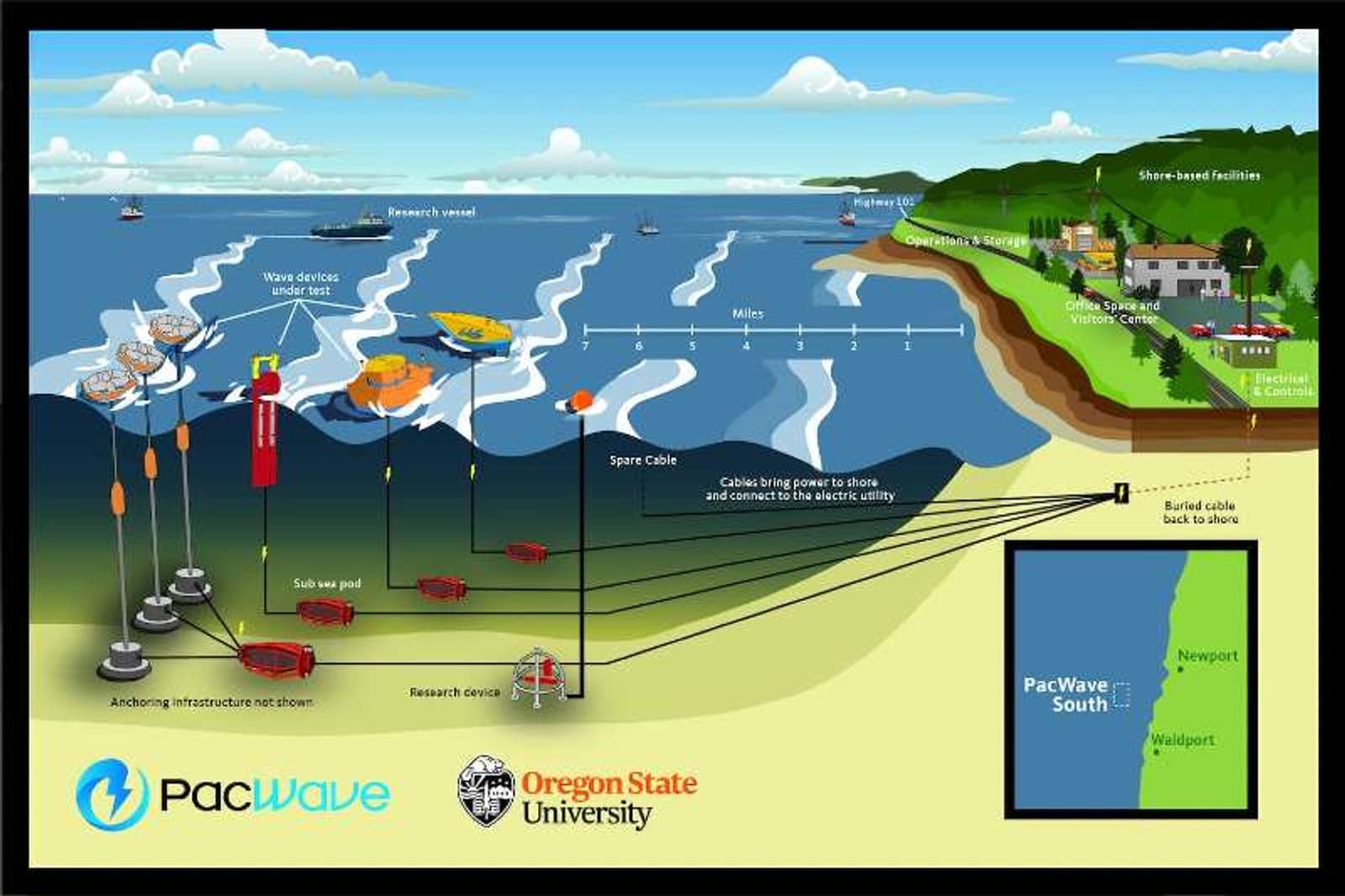
Infrastructure firm Jacobs has completed underground infrastructure engineering work for the PacWave South commercial-scale, ocean wave energy testing facility seven miles off the coast of Seal Rock, Oregan, US.
The PacWave South project will be the first pre-permitted, full-scale test facility for wave energy devices in the US, according to Jacobs, and was delivered for Oregon State University (OSU).
Jacobs led engineering services for HDD Company, the design-build contractor for the project, to support the evaluation and testing of new energy generation technologies to turn offshore ocean waves into renewable electricity.
PacWave South allows up to 20 wave energy converters (WEC) to be tested in real-world, open-sea conditions.
Have you read?
Eco Wave Power designs technology for Greek port
Ireland’s OceanEnergy partners with EMEC to test floating wave technology
The project includes four offshore steel conduits up to 120 ft below the seafloor and extending 1 mile offshore, connecting to a bundle of five onshore high-density polyethylene (HDPE) conduits, all installed using horizontal directional drilling (HDD) methods and connecting to PacWave’s Utility Connection and Monitoring Facility. The HDD method was chosen to avoid disturbing sensitive wetlands and beach areas and because it allowed the work to be conducted year-round, Jacobs said.
"The engineering for this project was complex, requiring our team to overcome coastal geology challenges, working in the near-shore environment around sensitive coastal wetlands, and meeting a tight schedule to obtain regulatory approval," said Jacobs People & Places Solutions senior vice president for Global Business Units, Koti Vadlamudi.
“Throughout design and construction, the Jacobs team continued to create innovative solutions, bringing value to the community in the development of resilient, sustainable energy sources for the country,” said PacWave’s Deputy Director Dan Hellin. “For instance, the collaboration on disguising the large concrete vault built at the state park, which was designed to splice and transition energy from offshore to onshore conduits as a reconstructed parking lot, ensured beachgoers would not see any disruption from the added wave energy testing infrastructure.”
This project received a National Recognition Award in the American Council of Engineering Companies’ (ACEC) 2022 Engineering Excellence Awards (EEA) competition, Jacobs said.
Originally published on hydroreview.com