University of York completes solar farm to boost robotic research
Power Engineering International
Posted on: 2 May 2024
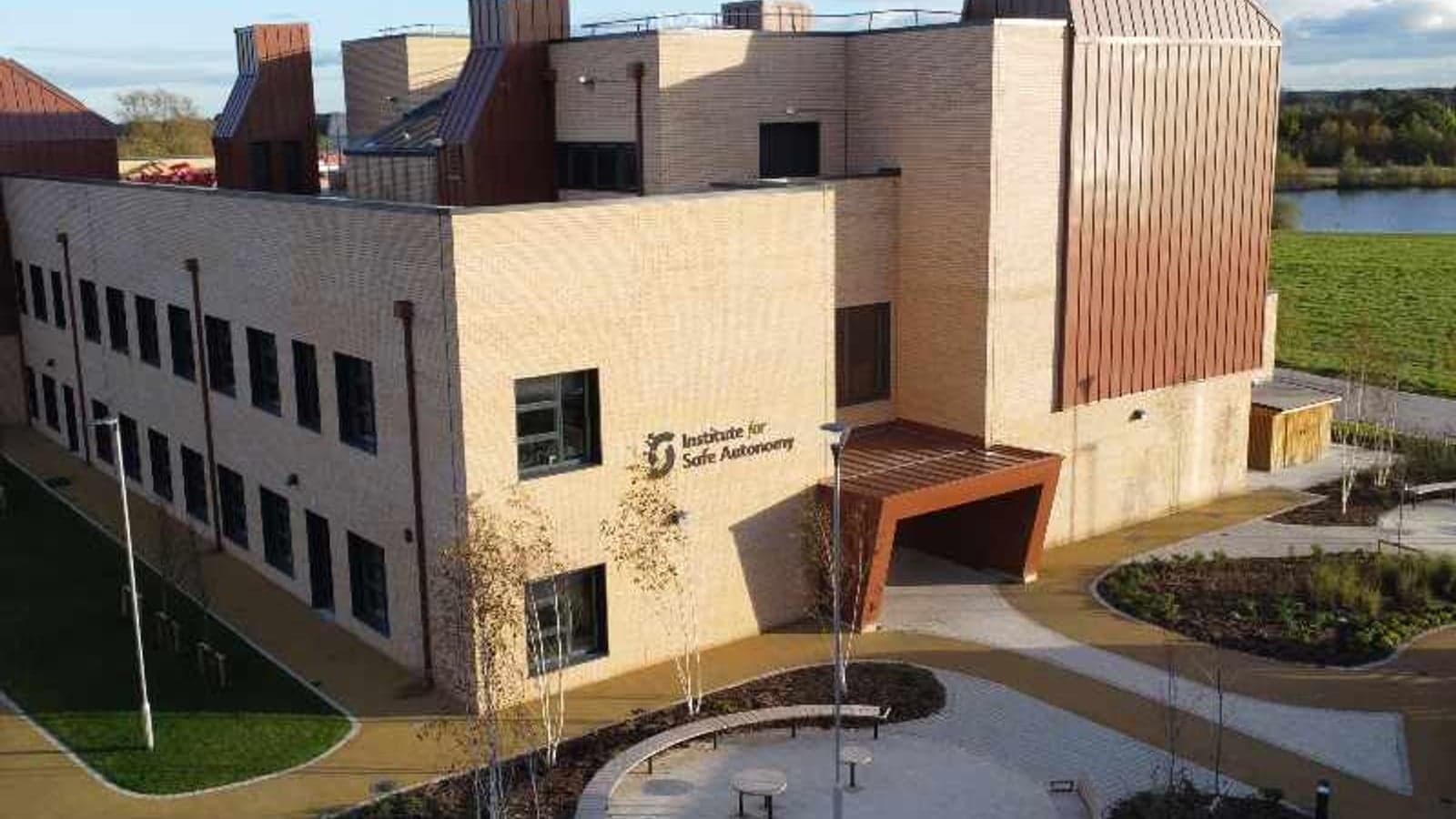
Siemens has completed work on a 200kWp solar farm for the University of York located at the University’s new Institute for Safe Autonomy.
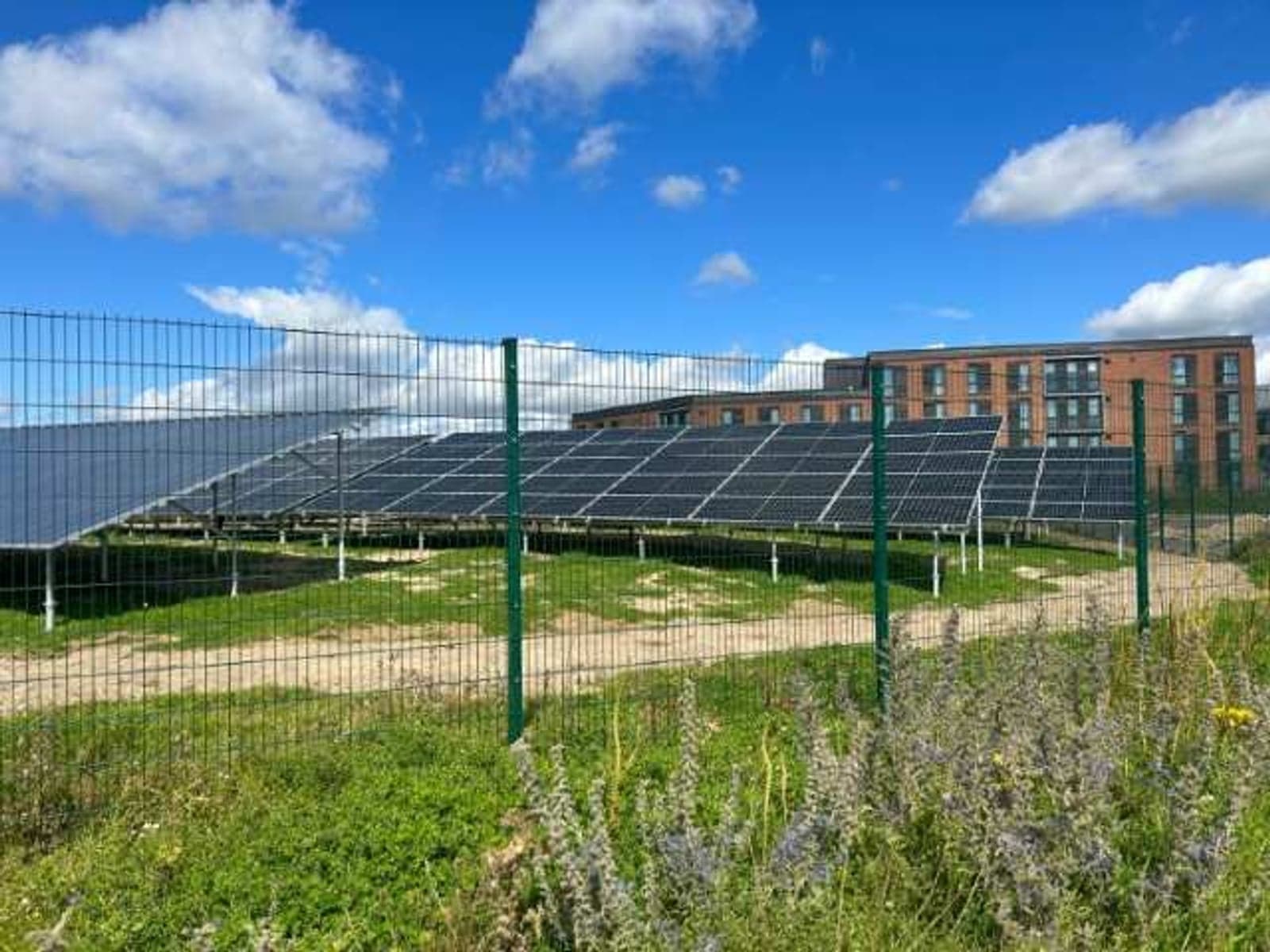
Siemens has completed work on a 200kWp solar farm for the University of York located at the University’s new Institute for Safe Autonomy, as part of £1.5 million ($1.8 million) research project.
Funded through the UK Research Partnership Investment Fund (UKRPIF), the project will enhance the Institute’s research capabilities to develop and test robots and other autonomous systems for the inspection and maintenance of solar arrays.
The solar farm will create a living lab for the Institute to give insight to landowners and operators of solar farms on how best to integrate robotic technology in the field. It will also enable the Institute to become net zero for energy by 2025, generating power for more than 80% of the building’s 600kWh expected daily use.
Have you read?
NREL study shows path to easier recycling of solar modules
Puerto Rican solar and battery project to boost grid reliability
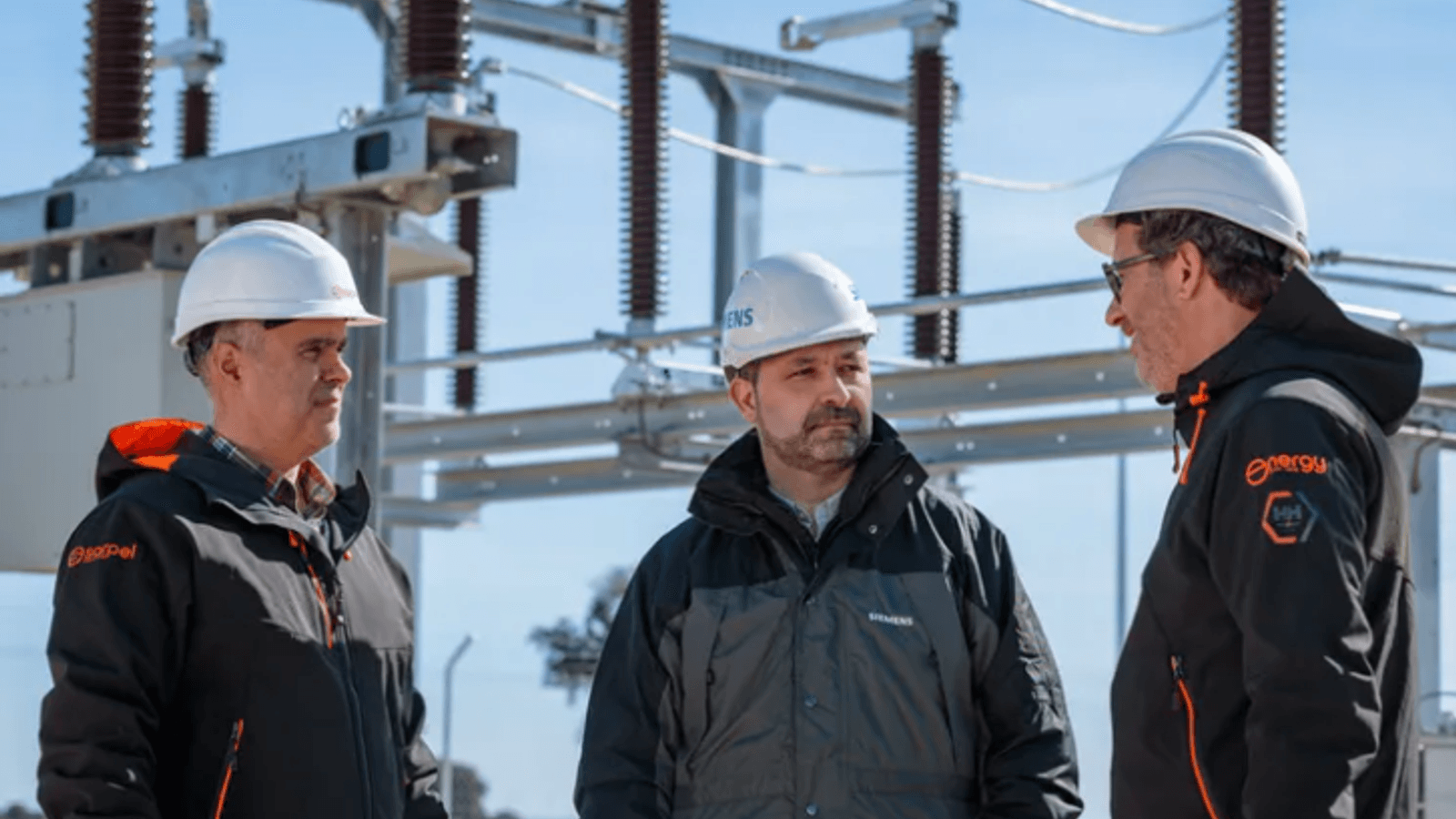
The Siemens’ team was supported by consultancy services to design, commission and optimise the solar arrays for the robotic technology being used. The team also set up a data collection system for the panels, which will underpin research projects at the Institute.
The farm, which spans more than 1,400 square metres, consists of a range of different panel configurations, including static ground installations and a sun-tracking array.
Some solar panels are also mounted onto the side of the Institute’s building and its rooftop as building-integrated photovoltaics (BIPV) to achieve a wide range of installation positions.
Faye Bowser, vice president for the Higher Education Vertical at Siemens, said: “Universities, as centers of knowledge and innovation, are uniquely positioned to lead the charge in addressing climate concerns. Through the solar farm the University will gain valuable insights to enhance the use of robotic technology in driving a sustainable energy future. We were delighted to partner with them on realising this project as we look to broaden the integration of such innovative technologies into our everyday lives.”
Professor Miles Elsden, director of the Institute for Safe Autonomy, added: “Robotics, autonomous systems and AI have the potential to transform the way we live, travel and work in the future. Integrating them with the production of renewable energy will ultimately play a key role in the journey towards net zero.
“This innovative research project marks an important milestone for the Institute since we opened earlier this year and reaffirms our commitment as a university to sourcing sustainable energy."
The Institute for Safe Autonomy is a new initiative at the University of York that takes a safety critical approach to the design, development and testing of robotics and connected autonomous systems. The purpose-built facility provides collaborative work and test spaces for more than 100 researchers across a variety of disciplines.