Vattenfall to deploy ZX 300 wind Lidar fleet in Germany
Power Engineering International
Posted on: 29 April 2024
European energy company Vattenfall has confirmed a fleet of ground-based ZX 300 wind Lidars will be deployed for wind resource assessments.
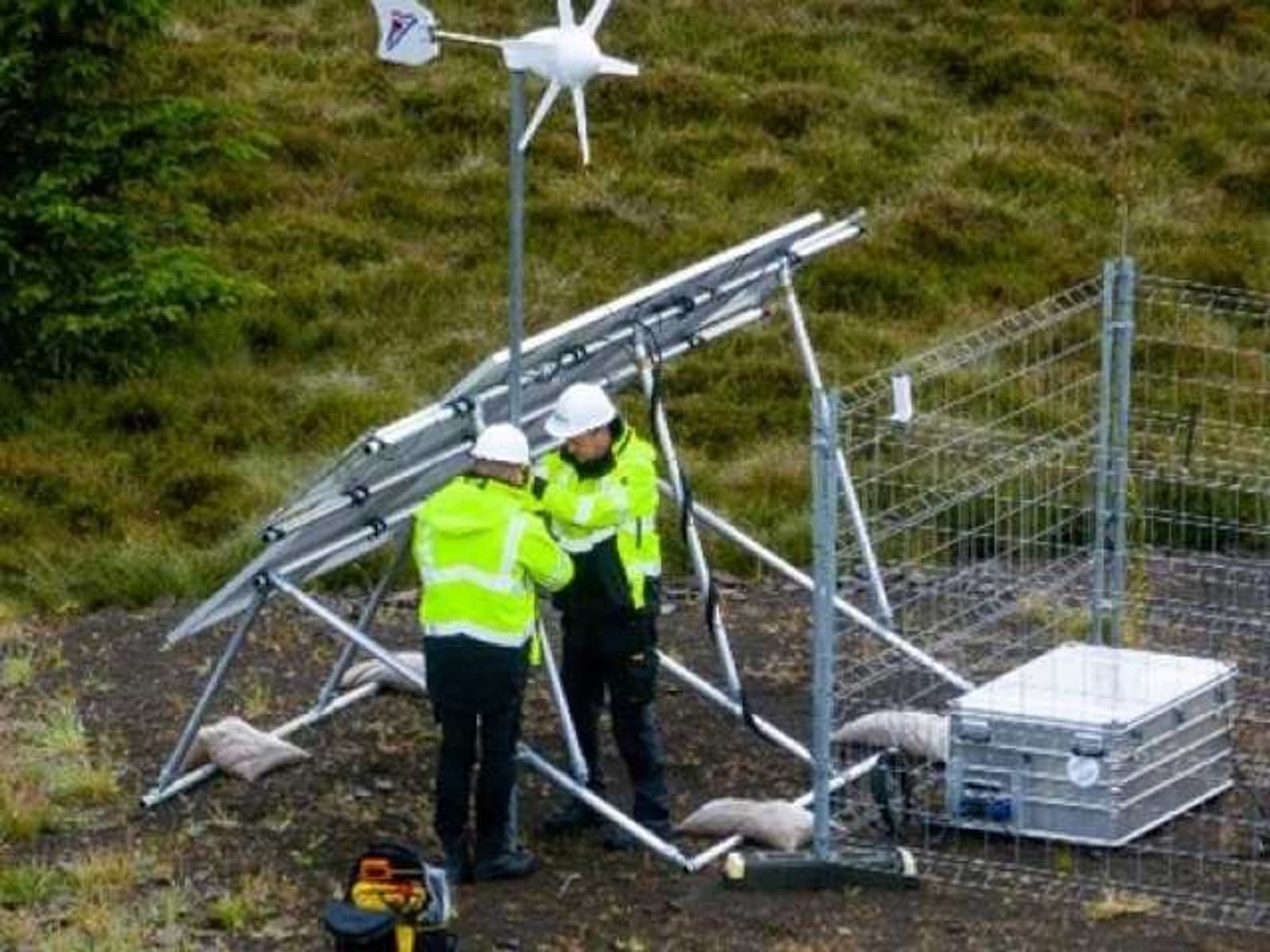
European energy company Vattenfall has confirmed a fleet of ground-based ZX 300 wind Lidars will be deployed for wind resource assessments.
The Lidars remotely determine the available wind characteristics including wind speed from ground level up to 300m.
Supporting Vattenfall, ZX Lidars’ service provider Ge:Net will provide power supplies and mobility solutions to support the wind measurement campaign.
Have you read?
Onshore wind targets drive demand for wind Lidars
GE approves nacelle-mounted Lidar for performance testing
The fleet of ZX 300 is subject to validations against the tallest available met masts at local remote sensing test sites in Germany, operated by wind and site experts Pavana.
ZX 300 is approved for use within the TR6 guidelines published by the German FGW (Fördergesellschaft Windenergie und andere Dezentrale Energien). The guideline focuses on wind measurement considering wind met masts as well as Sodar and Lidar devices.
Jim Hough, senior data manager at Vattenfall said: “Our fleet of Lidars offer real advantages in terms of project development speed and cost. As well as the best-in-class data quality, Vattenfall welcomes the low cost of ownership of the ZX300 and the product’s robustness in the field.”
With over 15,000 deployments in 100 countries globally, the ZX 300 wind Lidar is built to operate in extreme environments, simple and complex terrain, and in clear air.
Light detection and ranging (Lidar) systems can measure the speed of incoming wind before it interacts with a wind turbine rotor and are replacing met masts as the primary source of the wind data used in assessments on which the planning and operation of wind farms are based.
According to Peter Clive, Principal Wind Energy Consultant, Black & Veatch – Europe, with lidar we gain detailed insights into phenomena such as wakes and complex shear which can have a significant effect on the bottom line of a wind project throughout the asset’s lifecycle, from demonstrating project bankability pre-construction right through to optimised operations and maintenance. As wind turbines and arrays get bigger, the impact of these phenomena are becoming more important.