Video: How Denmark became a European leader in district heating
Enlit Editorial Team
Posted on: 4 April 2023
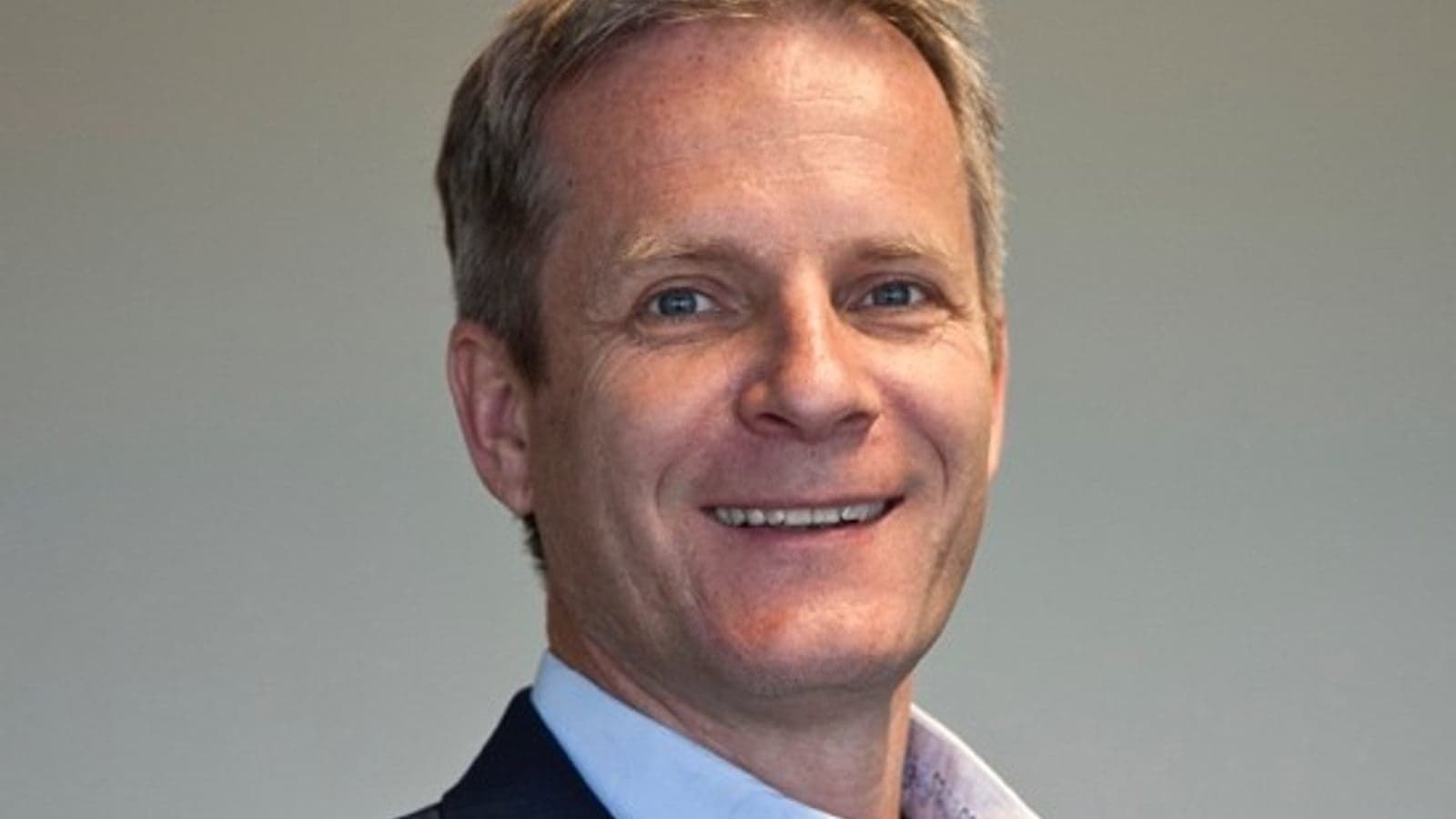
Enlit on the Road interviewed Birger Lauersen, International Affairs Manager from the Danish District Heating Association about why Denmark is a European role model in the district heating sector.
Enlit hit the road and interviewed Birger Lauersen, International Affairs Manager from the Danish District Heating Association, about why Denmark is a European role model in the district heating sector.
According to Lauerson, one of the key factors contributing to Denmark's district heating leadership was that the country was an early mover in the sector, spurred by the first energy crisis that occurred several decades ago.
"It hit Denmark hard in the 70s and we never forgot that lesson as far as heating is concerned," said Lauersen.
Read more about Enlit on the Road Denmark
In response to the crisis, Denmark started developing district heating infrastructure. The country is now reaping the benefits of those early moves, allowing them to transition existing infrastructure rather than transitioning individual buildings
"1.8 million households are covered with district heating. All we have to do is change the supply in 500 networks, not 1.8 million buildings," explained Lauersen.
Have you read?
Why heating and cooling is the missing piece of Europe’s energy transition
Vattenfall to trial new heating solution in Berlin
Besides being an early mover, existing geothermal potential and the renewed interest in its development are giving impetus to the country's sustainable heating strategies. Players like Maersk and Danfoss recently formed a consortium to develop geothermal district heating, a sign of growing interest and the progress to come.
Watch the full interview to learn more about Denmark's district heating plans for the future.