Virtual power plants empowering industrial efficiency - A Finnish case study
Yusuf Latief
Posted on: 27 December 2023
Virtual power plants, a key point of innovation, have been transforming how buildings manage their consumption - Yusuf Latief investigates.
Virtual power plants, a key innovation within the energy sector, have been transforming how buildings manage their consumption to drive home the energy transition. Especially the case in Finland, where Siemens Smart Infrastructure has been developing the tech for years. Yusuf Latief visited to investigate.
Virtual power plants are aggregations of small-scale energy resources that, when managed through an intelligent system alongside grid operations, can be leveraged to provide relief to the grid.
When aggregated at scale, they can provide similar reliability to the grid as traditional, physical power plants.
Taking the name literally, they are the virtual, smarter equivalent of a power plant.
Virtual power plants (VPPs) tend to run on the basis of storing energy when renewables are abundant and cheap, and then later returning this energy to the grid when demand is at its peak and renewables might stumble into the intermittency pitfall.
2023 has in many ways brought VPPs onto the scene as a shining resource; for operators managing the network; for businesses who can use the platform as an energy market entry point; and for consumers, whose energy assets are activated towards net zero.
Specifically, storage developer sonnen in August announced a 250MWh VPP in Germany, claiming the title of ‘Europe’s largest’ and is hoping to expand the capacity to 1GWh in the coming years.
Before this, in February, telecommunications company Elisa announced a grant from the Finnish government to develop a 150MWh VPP, which they had claimed as the largest before being outpaced by sonnen.
These figures are likely to continue their upward trajectory and although VPPs have recently come alive in many ways, the concept has been in testing for quite some time, particularly in the case of Finland.
Have you read:
Greening the grid is vital for energy transition says Schneider’s Lawrence
‘We need to think smart and fast’ to future-proof the grid
Virtual power plants: Finnish innovation
I attended a trip to Finland hosted by Siemens Smart Infrastructure, where I was able to see how the company has been innovating in the energy sector through VPPs.
During my time in the country, two sites stood out: Sinebrychoff microbrewery and Sello Shopping Centre.
Located in Finland’s picturesque capital of Helsinki, both make use of VPPs, tapping into the potential offered by flexibility while creating a space for industrial consumers to make their mark within the energy transition.
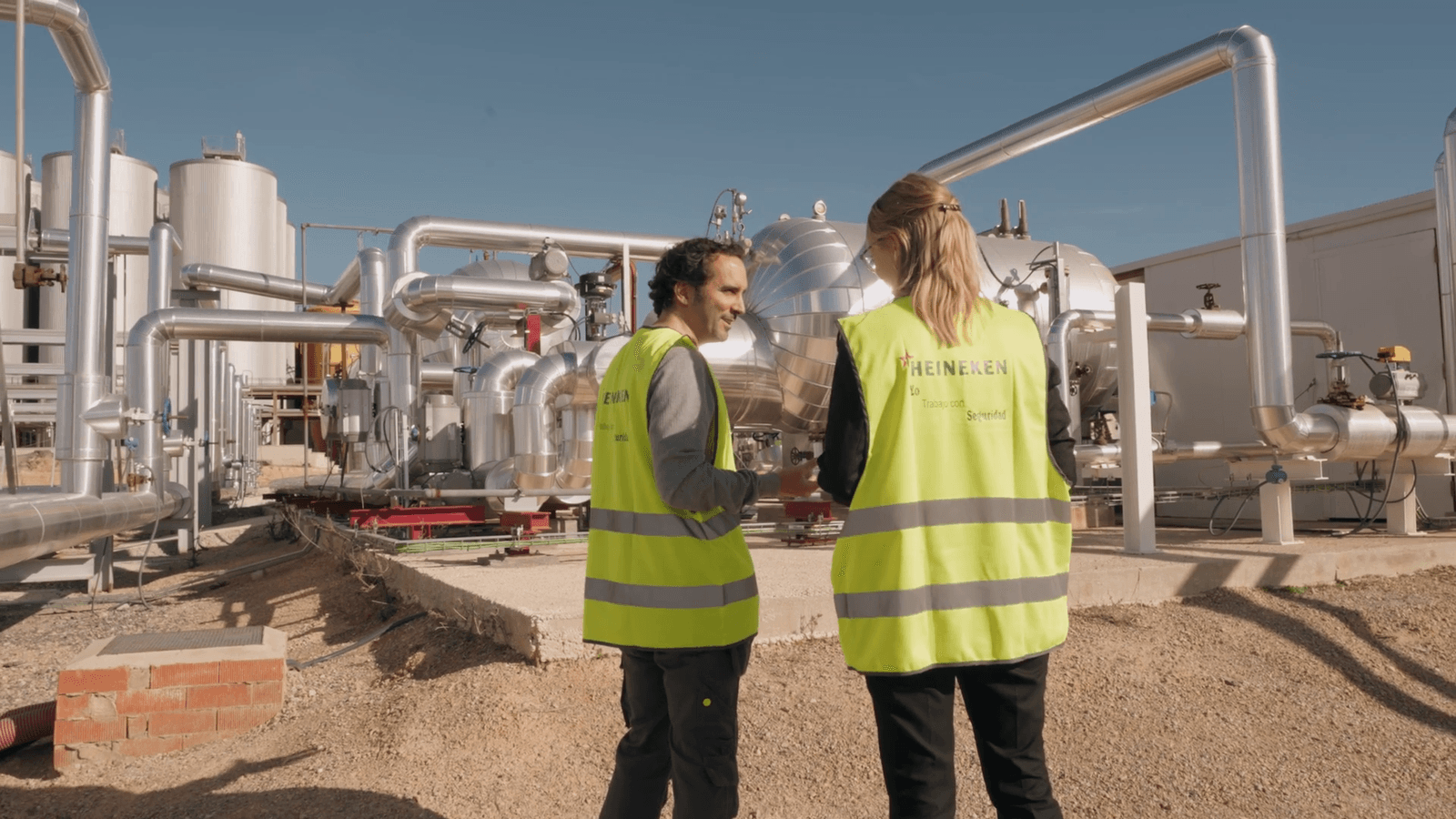
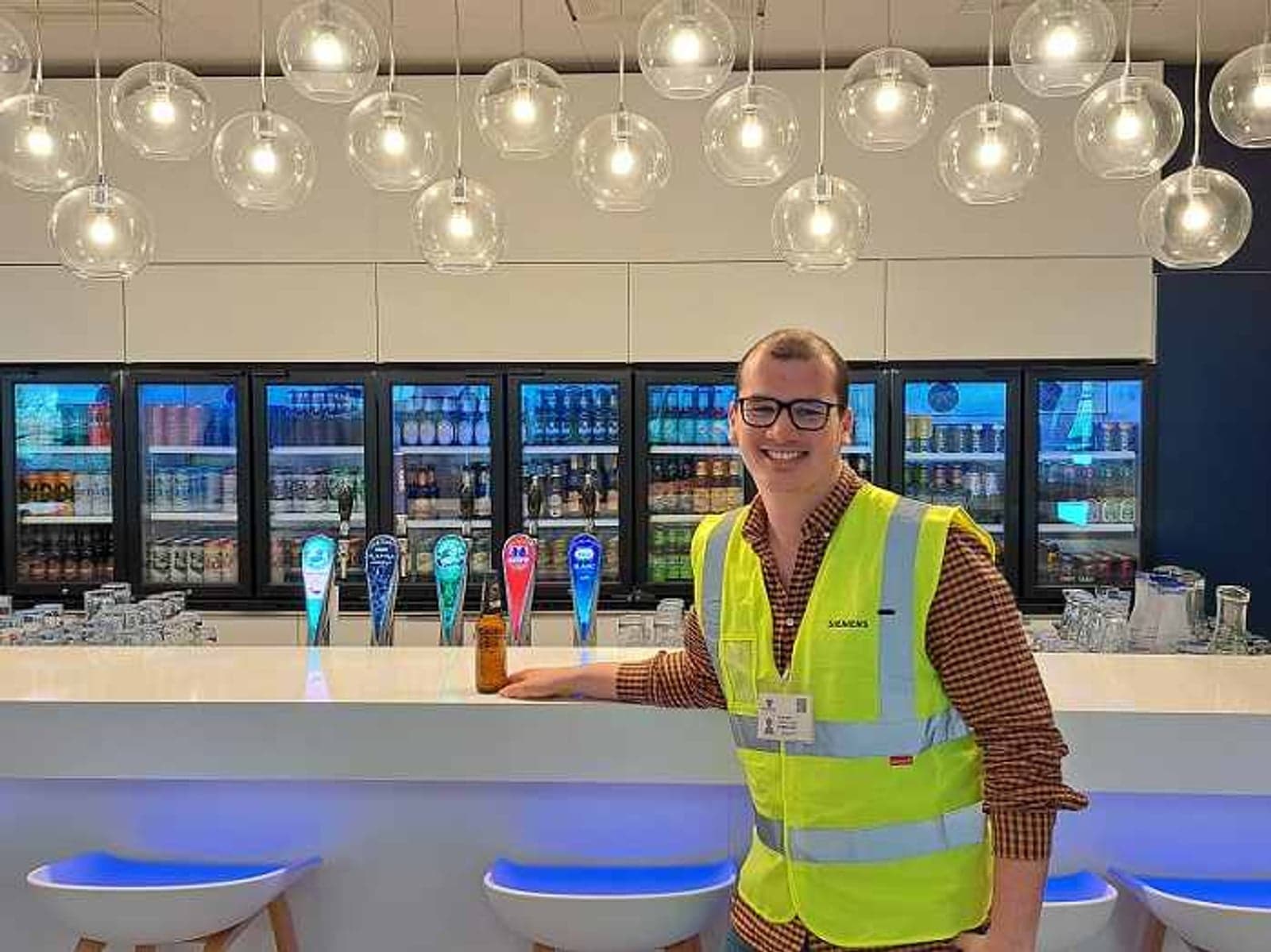
Sinebrychoff brewery, which started piloting Siemens’ VPP in 2019, is touted by the tech giant as one of the first examples of power flexibility at an industrial site.
Annually producing 300 million litres of different beer, cider, soft and energy drinks, the brewer’s management system makes use of a modular electricity storage facility half the size of a football pitch, consisting of 2m x 2m x 2m batteries, adding up to 20MWh of storage capacity.
This battery acts as a storage-as-aservice model: the brewery provides access to the grid and, in return, can use the energy storage system to improve its energy efficiency and power quality.
Purchase, installation and operation of the system are handled by third parties while Finnish TSO Fingrid purchases additional services, such as primary grid frequency regulation, that are supported by the storage system.
All of this is enabled by the VPP and the battery-based energy storage, which acts as the ‘sweet spot’.
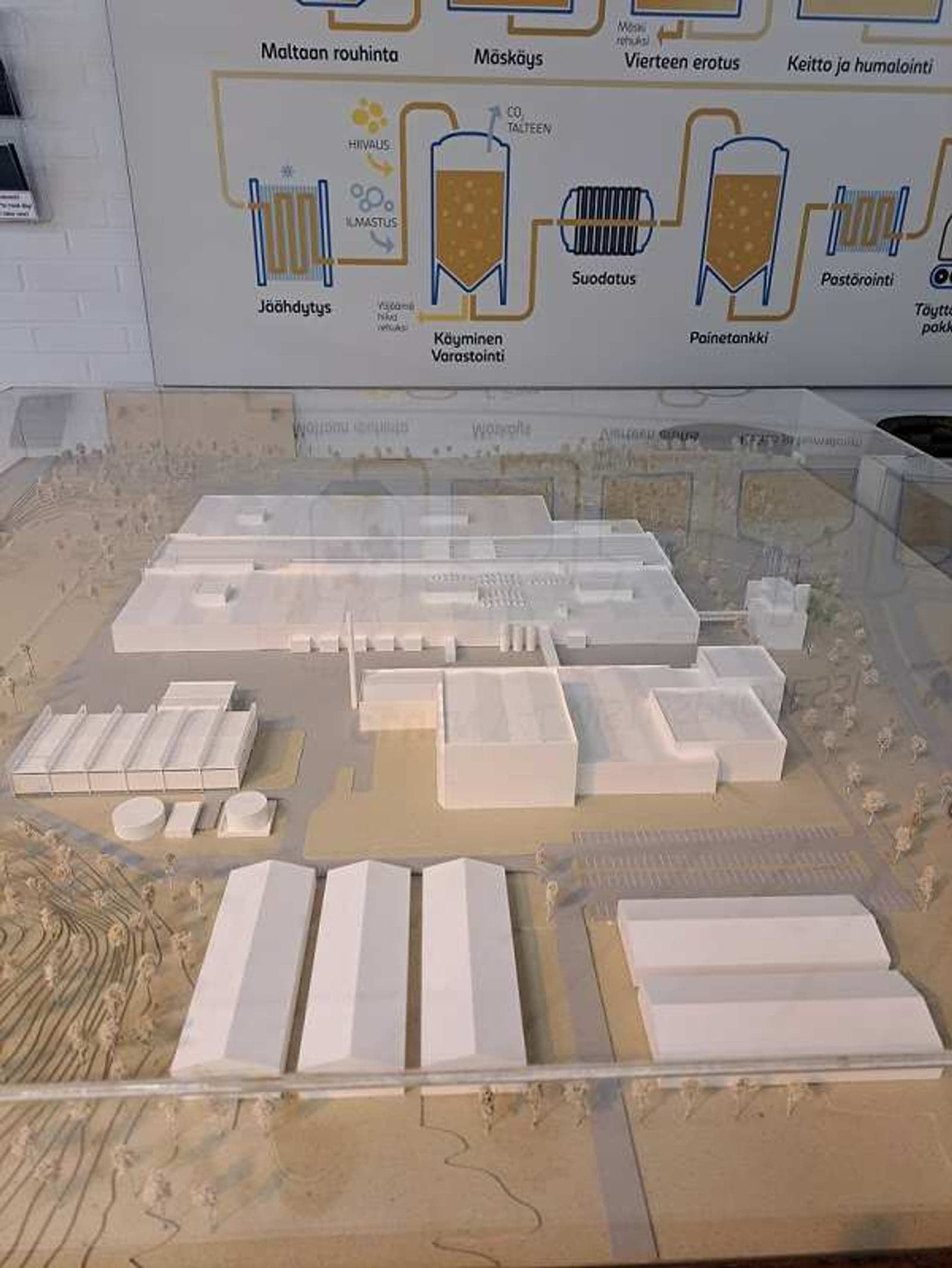
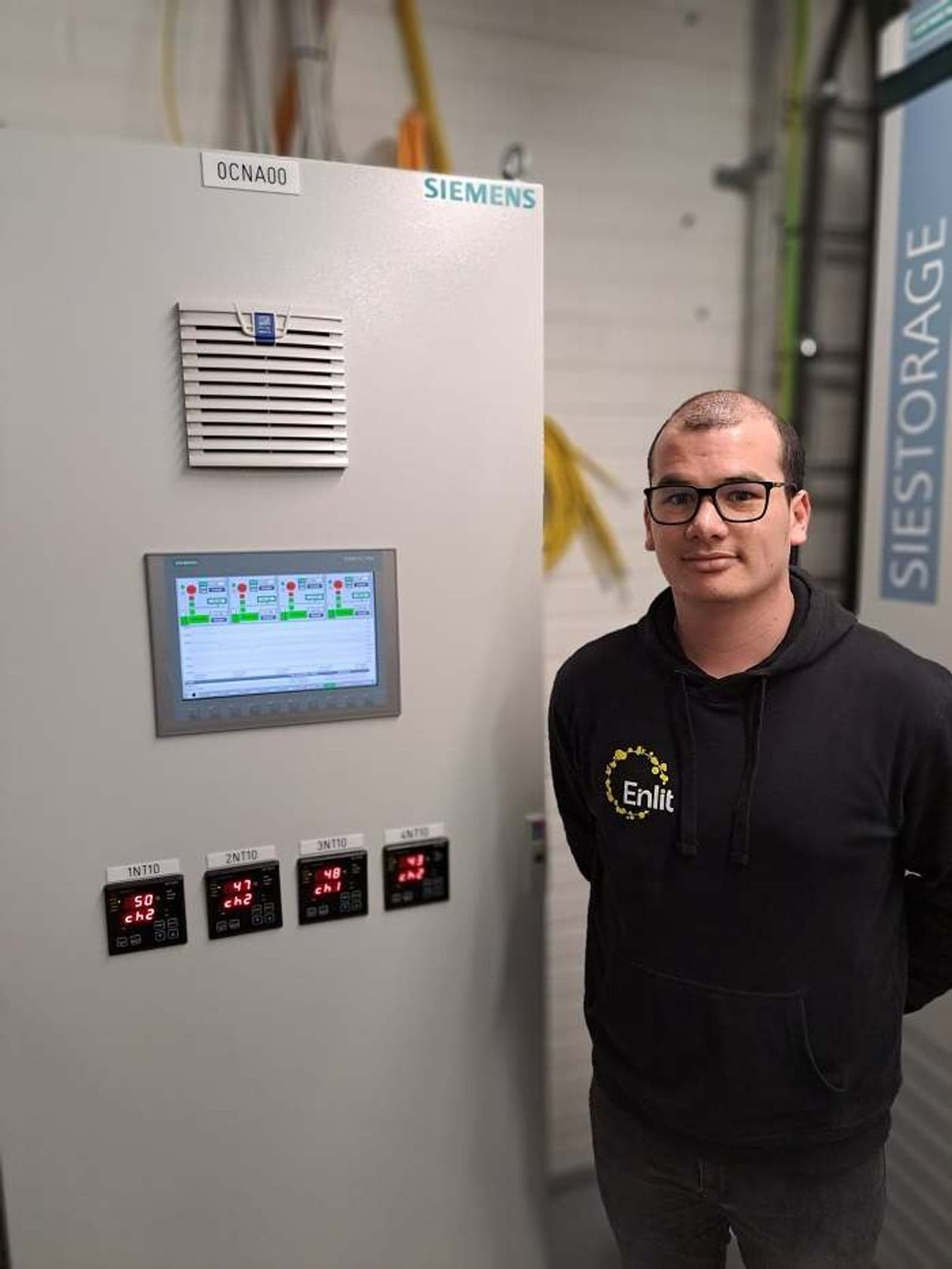
After walking through the halls of the facility, passing beer brewing tanks to then see smart energy management software, Siemens’ Constantin Ginet, Head of Energy Performance Service, explained how the Sinebrychoff model represents a technologybased ecosystem approach.
Namely, CO2 consumption in the country’s network is reduced, additional revenue streams are generated by monetising the energy market and energy costs are brought down via on-site storage.
However, when it comes to grid balancing, the next step is horizontal expansion. “Most of the use cases that we are operating right now are short term, fast reactions, which means we play with power more than longterm energy,” explained Ginet.
The power grid is of course quite large, he added, and although providing a balancing mechanism on one part will make a difference, it would need to be replicated in different places for a more wide-scale impact.
“The system needs to replicate with storage at other sites, rather than expanding here. It’s also not only about electricity storage, but other storage types.
“In more and more cases, also here in the brewery, we see that utilising thermal storage and other storage capacities means we can be quicker on the market with other types of loads.
“And the beauty of batteries is that you can play with very different timeframes — very short term, medium term or even very long term — which is a very good complement.”
Therefore, he added, when it comes to utilising this tech to its full potential, “we need to look horizontally, with different customers in different places.”
Sello shopping centre
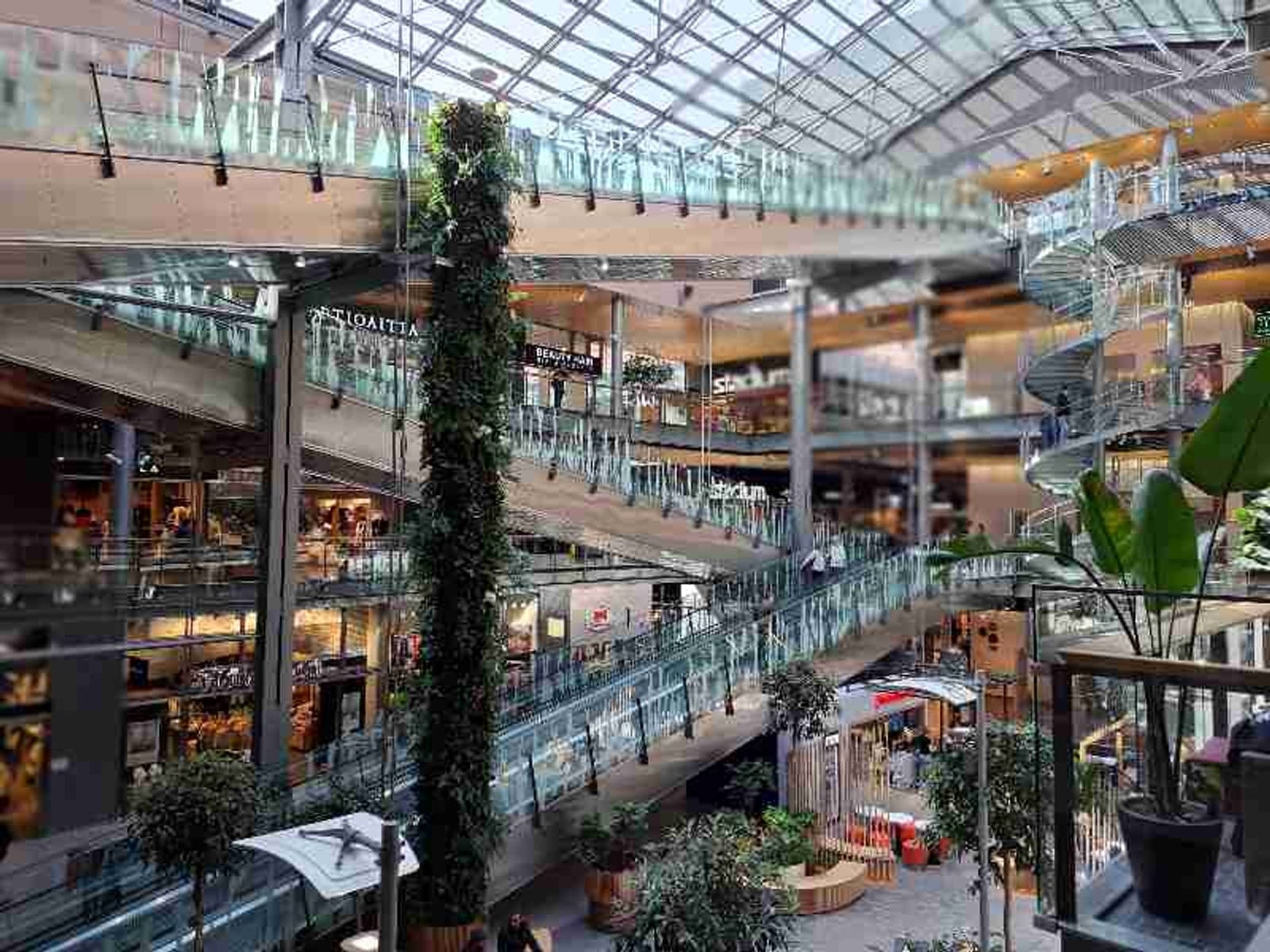
Sello, considered the country’s most sustainable shopping centre and one of the European continent’s smartest buildings, welcomes over 21 million visitors a year.
The centre’s operators espouse a community approach, something we were able to observe while walking along the ground floor’s hustle and bustle to the top floor’s solar panels and garage-located battery storage system.
To hit home the pitch of community engagement, the centre accesses data from more than 1,500 HVAC and energy data points to coordinate visitor experience and energy consumption.
Accessed via a Siemens-developed optimisation programme, smart lighting, snow-melting systems and smart building management are optimised to reduce energy consumption while the roof’s solar panels enable on-site energy generation.
And to contribute to the bigger picture, the VPP integrates the centre into Finland’s energy markets, contributing to grid stability and district heating network demands.
Harald Schnur, Siemens’ Head of Smart Infrastructure for Finland and the Baltics, emphasised the importance of data for these kinds of systems.
“We collected data from the beginning, from all corners of the shopping mall and analysed to understand how this big asset we found out is, if you build it traditionally, a building is simply a passive asset. But if you add smartness, you add life. The building then becomes a living organism.
“So that’s what we did: we developed this building for the people; to have more of a function. And we integrated the building into the wider environment and into the energy networks. The result is a building that offers much more than just a space where people happen to be doing activities.”
Through this, a value proposition is generated for the building. And to enable this, explained Anssi Laaksonen, Head of Siemens Smart Infrastructure Sales in Finland and Baltics, a critical model is the value of flexibility.
“We analysed how much of these elements — heating, snow melting systems, HVAC, lighting etc. — can be used for flexibility without having a negative impact on elements like indoor climate or user-friendliness.
“On top of that, there were also these generators installed alongside Sello’s establishment in 2003 that we analysed to see if we had opportunity for additional revenue or additional ways to support the DSO grid.”
"The beauty of batteries is that you can play with very different timeframes..."
Laaksonen said that Siemens came up with a solution of adding energy storage into the garage and can now integrate the building into the DSO market.
“In total, we have more than 3.5MW flexibility offered by the whole building. Within seconds the building itself can change from charging to discharging this capacity from the site, which is a huge number.”
Schnur added: “Since we implemented the VPP, we have generated benefits of €2.4 million ($2.6 million) for Sello.” He said annual savings from the integrated solution, including aspects like energy, maintenance and flexibility, are €550,000 ($601,414), of which €350,000 ($382,718) comes from the Fingrid flexibility market.
The VPP system thus provides numerous benefits: a business model for companies, integrating clean assets for the good of the cause while earning a decent Euro; a way for grid operators to expand their portfolios of leverageable DERs as demand alleviating assets; a way for industrial users to add more value to their proposition, accessing the network as a form of business proposition.
Jukka Ruusunen, chief executive of Fingrid, said virtual power plants are enabling customers to “really go into the centre of the electricity system and the energy system as a whole.
“The European Union has been talking about putting customers into the centre for 20 years or more: this is the revolution from that point of view.”
Latest content
Partner content
+4
Project WeForming: Revolutionising intelligent grid-forming buildings
WeForming is an EU-funded project that envisions a revolutionary approach to energy management, where buildings play a strategic and active role in supporting and shaping the energy networks of the future.
- Guest/partner contributor
- 19/11/2024