When the lights are out – our future lies in the grids
Guest/partner contributor
Posted on: 29 September 2025
Recent blackouts around the globe have shown just how disruptive the loss of electricity can be and together, these crises underline a stark reality: in an increasingly electrified world, the security of power systems is not a given but a constant challenge, writes Massimiliano Garavalli.
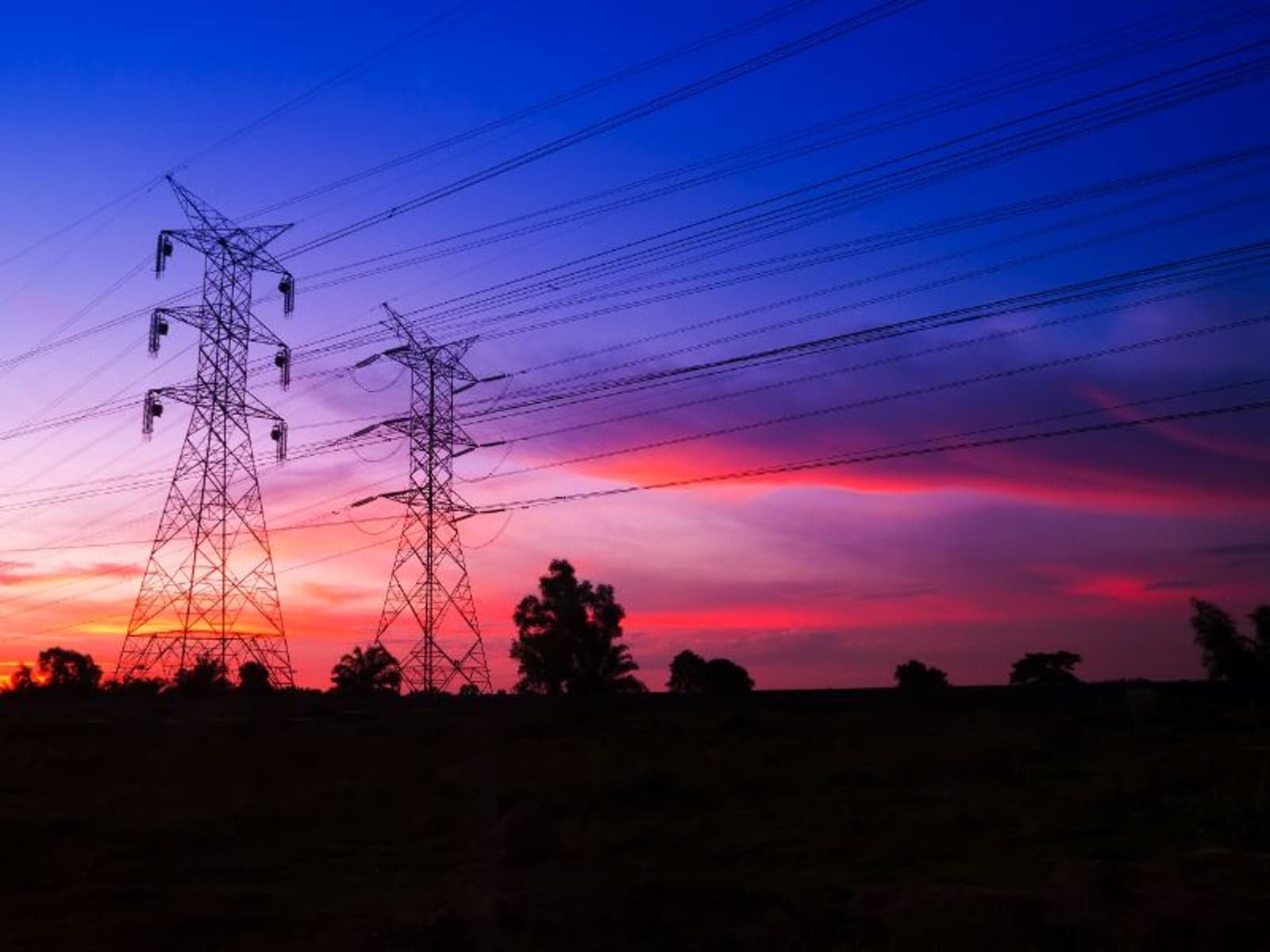
Recent blackouts around the globe have shown just how disruptive the loss of electricity can be and together, these crises underline a stark reality: in an increasingly electrified world, the security of power systems is not a given but a constant challenge, writes Massimiliano Garavalli.
In February 2025, a failure in Chile’s transmission system cut power to 99% of the country’s 20 million residents, plunging nearly the entire nation into darkness for 17 hours. In Texas, a brutal winter storm in 2021 left almost five million people shivering without electricity for days. South Australia endured a similar shock in 2016, when violent storms knocked out power to 850,000 customers, while an earthquake on Japan’s northern island of Hokkaido caused a complete shutdown after a single coal plant went offline, affecting three million households.
The most recent blackout in the Iberian Peninsula on April 28 lasted hours caused by a dramatic drop in demand, grounding flights, paralysing transport and forcing hospitals to suspend operations.
Recovery times have varied, from a few hours to days, but the economic costs are always staggering, running into billions.
The present and the future of the European grid
Modern electricity grids are increasingly interconnected and complicated, making any failures difficult to predict. Most of Europe now runs off a massive interconnected power grid – probably the largest in the world – that supplies more than 400 million customers in 24 countries. Moreover, the European grid is part of the Continental Europe Synchronous Area (CESA), one of the largest synchronous electrical grids in the world which comprises 32 countries. This giant web allows power to flow across borders, balancing demand and supply in real time. It has been estimated that this integration brings savings estimated at €34 billion each year to EU consumers.
But beneath this success lies a challenge: the EU grid is the oldest in the world, with much of the infrastructure ageing and more than half in need of basic distribution and modernisation upgrades. Much of its equipment is approaching the end of its normal 50-year lifespan, which increases energy losses and risks of grid failure.
According to the European Commission and the IEA, future electricity prices in Europe will be shaped mainly by grid costs, making forward-looking investment crucial to affordability and industrial competitiveness. Today, EU power prices remain far higher than in the US or China, while over 10% of Europeans still face energy poverty. Moreover, another challenge is posed by the EU Action Plan for Grids demand for the deployment of 700-800GW of new renewable energy capacity by 2030, most of it decentralised, digitalised, and resilient.
The scale of required investment is unprecedented. The European Commission estimates that nearly €584 billion must be mobilised to upgrade and expand transmission and distribution assets. Massive interventions will be needed to cope with the expected electrification, the future energy demand, the increasing share of renewables within the energy systems and the modernisation of the infrastructure.
Building on that, the European Commission has issued new guidance on anticipatory investments in Europe’s electricity grids, stressing that over €1.2 trillion will be required by 2040 to modernise distribution and transmission systems. The document urges member states, regulators and operators to adopt long-term, scenario-based planning aligned with national climate strategies, while involving stakeholders early in the process. Stronger regulatory capacity, clear risk-sharing mechanisms and stable remuneration frameworks are highlighted as essential to attract investment.
As highlighted by the Draghi Report, the energy sector needs more streamlined procedures and permitting to speed up the investments, and this involves also the grids. Building on that, the Commission pushes for streamlined approval procedures to accelerate projects, ensuring networks can keep pace with electrification, renewables integration and offshore development without undermining affordability.
In particular, as renewables are set to be a bigger share of the energy mix (forecast to increase from 48% in 2024 to 56% in 2027 of the EU power supply according to IEA, gradually replacing fossil fuels), integrating them into the grids still remains a big issue. In countries with high renewable penetration such as Germany, Spain and the Netherlands, network constraints are forcing RESs curtailments, driving up costs for consumers and industry, and undermining the economics of power purchase agreements. Curtailment payments alone reached €3.1 billion in Germany in 2023, a symptom of what the Commission warns is a “vicious circle” that could stall further renewable growth.
Lights on – make the EU more electric
But it is not only a matter of improving the grids. As mentioned above, electricity demand is poised to grow massively in the coming years, after almost 20 years of a flat trend. The IEA Electricity Report 2025 estimated that electricity demand in the EU is projected to rise by 60% in 2030, pushed by the projected increase of electric vehicles charging, cooling (especially air conditioning) and the rapid expansion of data centres as a result of the AI sector booming, requiring an additional 64GW of grid capacity.
Concerning renewable integration, the picture looks overall promising. In the first half of 2024, figures from the Eurelectric electricity data platform, Elda, showed that Europe had the greenest electricity ever with 74% of electricity generation coming from either renewables, which constituted 50% alone, and nuclear which made up another 24%.
On the other side, the increasing electrification is another important part of the game, particularly in the industry. Electrification currently accounts for ~23% of final energy use in Europe, with projections of ~35% by 2030 and ~60% by 2050, meaning that increasing the flexibility of the grids will be paramount.
The bricks to build the grid
However, the cornerstone of the grid's energy upgrade will be the 'pieces' of the infrastructure, namely the materials with which we build it. These raw materials are becoming (and have already become) one of the most contested arenas on the global stage. While global reserves are abundant, mining, processing and refining capacities remain highly concentrated, mainly in China, creating significant supply risks. The EU’s Critical Raw Materials Act, proposed this March, aims to boost self-sufficiency by diversifying supply and developing domestic industrial capacity.
Despite these efforts, European grid projects are already facing delays and rising costs due to component shortages and surging raw material prices, with copper deficits expected and transformer demand set to double. Divergent product standards across member states further hinder manufacturers from achieving economies of scale, complicating the deployment of infrastructure essential for electrification. The 'battle' for a resilient EU raw materials market is therefore not just a matter of technical efficiency but also of strategic autonomy in a world where major powers such as China and the US increasingly compete rather than cooperate.
Is the EU industry ready to meet this challenge? Apparently not. Some industry representatives argue that reliance on imports (especially from China) remains massive. While the critical raw material act aims to level the playing field for essential raw materials, it lacks enforceable measures to boost domestic mining and reduce dependency on imports. Unlike the US, which imposes strict local content requirements through policies such as the Inflation Reduction Act, the EU offers few incentives or penalties to encourage European sourcing. Consequently, companies continue to rely on China, which has spent nearly two decades securing global mining assets and now dominates lithium refining and battery component production.
Amid this uncertainty, exacerbated by US commercial tariffs, the EU responded with the Net Zero Industry Act (NZIA) and the Clean Industrial Deal. Both initiatives highlight the growing uptake of clean technologies while maintaining competitiveness. The NZIA, in particular, calls on Europe to produce 40% of the technologies it installs each year, from solar panels and wind turbines to hydrogen systems, batteries and carbon capture.
For Europe’s grids, this Act is pivotal: it puts grid technologies on the same footing as renewable generation, speeding up permits, securing investment and granting strategic project status. By requiring public tenders and energy auctions to consider resilience and sustainability, the NZIA encourages member states to prioritise European supply chains. This translates into not just more renewables feeding the network, but smarter, more resilient grids capable of handling demand surges. The Act is as much an industrial strategy as an energy one, linking Europe’s climate targets with economic sovereignty.
These initiatives aim to build the EU’s industrial capacity by providing funding, risk-reduction instruments, and regulatory clarity, while emphasising competitiveness. Enabling industry also requires creating a truly competitive market. Retail competition remains weak in many EU countries, and barriers persist for small-scale producers such as rooftop solar, despite mandates under the Electricity Directive. OECD reports show that long-term risk markets remain underdeveloped even in the most liquid markets, such as Germany, where contracts beyond one year are scarce and almost nonexistent after three years.
This lack of incentives reflects a structural competition issue: national incumbents, often both producers and retailers, are naturally hedged against financial risks through wholesale and retail profits. Expanding long-term contracts, including Contracts for Difference (CfDs), could provide risk coverage and stimulate investment in emerging technologies, such as carbon capture, where private-sector appetite is low.
Complementary measures, such as extending the EU Emissions Trading System to carbon removals, could further support these strategically crucial technologies. Regulated retail prices, often set below market levels, further distort incentives, discouraging investment in clean generation and slowing demand flexibility.
Cooperation with other industries will be crucial to enable the energy transition. As highlighted by ACER, planning must incorporate cross-sector interactions and economic risks before grids are even built. It should be based on system needs and multi-vector scenarios that consider hydrogen networks, storage capacity, EV charging infrastructure, and CO₂ transport.
Better together – achieving cross-border integration
But beyond regulatory, technical and economic considerations, building the grids of the future will be a political matter. The EU grid, while being a notable example of interconnection between member states, is still fragmented. The pace of cross-border integration lags far behind what is needed for a fully connected energy market, many projects face several delays or do not see the light. The level of investments announced or underway for 2030 cover only about a quarter of the estimated €6 billion annual requirement , reflecting that many projects are commercially unattractive due to regulatory mismatches and disputes over cost-sharing.
National grid operators, who dominate project proposals and decisions, often prioritise domestic interests over pan-European efficiency. While ENTSO-E’s ten-year network development plan highlights border connections with the highest cost-benefit potential, EU funding alone cannot overcome entrenched national priorities. In times of diminishing collective trust, OCSE suggested a greater empowerment of European bodies like ACER to propose and coordinate cross-border projects could help align incentives and unlock investment in the most strategically important connections.
Overcoming the challenges for the future grids is indeed a matter of cooperation, other than competitiveness. This involves not only cross-border collaboration between member states, but also tighter coordination between transmission and distribution operators. ACER and CEER argue that distribution-level assets must be fully visible to TSOs through standardised data protocols and APIs, enabling advanced management of distributed storage and other flexible resources.
Regulatory targets, such as the 70% utilisation of cross-border capacity by 2025, remain behind schedule because national operators can apply derogations that limit foreign access, reducing competition and market efficiency. In fact, while technical solutions exist, the main obstacles to integrated planning across voltage levels are institutional and political, not technological.
With this regard, a notable initiative has been the establishment of ETIP SNET, a project put in place by CINEA with the aim of putting together stakeholders across all the grids value chain, from TSOs and DSOs to energy storage companies, technological providers and representatives from academia.
A fit-for-citizens grid – from consumers to participants
The other side of the coin should also not be left outside: the consumers. Improving the grids and making it more sustainable, while also maintaining competitiveness, has implications on the energy bills. Unlike conventional infrastructure, grids are regulated assets, meaning every investment in expansion or maintenance is ultimately paid for by consumers through network tariffs. Rising costs risk pushing up bills, making tariff design a key tool for policymakers.
ACER emphasises that tariffs must reflect real costs, fairly separate transmission and distribution expenses, and integrate feed-in costs without shifting burdens unfairly between consumer groups. But tariffs are more than a billing mechanism. They are a lever to shape consumer behaviour. Real-time pricing, location-based rates and power-based models can encourage households and businesses to use electricity when capacity is available, smoothing demand peaks and boosting grid efficiency. In fact, ACER pointed out that even when wholesale prices fall thanks to cheaper renewables, the benefits are rarely passed on to consumers.
Smart grids and grid enhancing technologies, along with the integration of AI in the energy system, are helping to make this transition from a fixed-price and static energy demand system to a more 'consumer-centred' one.
Ultimately, while grids are very complex infrastructure where the control has been centralised for optimisation reasons, there is still a need to consider (and integrate) the energy democracy and decentralisation discourse. The European energy transition is reshaping who controls electricity. Centralised, privatised grids can create a disconnect between citizens and energy decisions: where the formation of energy bills and the control over it and the general energy policy framework ignore local communities, who ultimately bear the environmental and social costs, this can create a dangerous social rift.
This is where the concept of energy democracy seeks to reverse this imbalance, empowering citizens through cooperatives, community energy projects and remunicipalisation of distribution networks. By giving local stakeholders decision-making power and a share of the benefits, energy democracy fosters transparency, higher public support for renewables and fairer pricing policies.
Notable examples of these are microgrids and energy communities, which can enhance resilience, reduce energy poverty and connect people to the broader benefits of clean energy. In particular, the large-scale rollout of energy communities (and more generally energy sharing mechanisms) in Europe could transform electricity grids by better integrating distributed resources such as rooftop solar, batteries and electric vehicles, while boosting democratic participation and transparency. Nevertheless, as for renewables, energy communities pose technical and organisational challenges for grid operators. Current market structures, designed for large power plants and few players, are ill-suited for fully integrated communities.
On the other hand, given the technical complexity of these topics, empowering citizens will also be a matter of upskilling. A recent ETIP SNET report warns that educational programmes are struggling to keep pace with industry demand, leaving gaps in AI, big data analysis, data-driven learning and cybersecurity. Current workers also lack sufficient upskilling opportunities. The paper calls for higher education and vocational curricula to modernise, combining advanced digital skills with solid engineering foundations. A flexible 'model' curriculum, adaptable to regional and national needs, could help bridge the gap and prepare the workforce for the energy transition.
The upcoming grid package, along with the electrification action plan and the strategic roadmap on AI, will hopefully address the required challenges to face the uncertain future ahead, where the grids will be more essential than ever.
About the author

Massimiliano Garavalli, Associate Consultant at PwC, works on sustainable mobility, energy and EU transport policy. Founder and President of Sistema Critico, he graduated in Economics in Bologna and contributes to Orizzonti Politici, Il Caffè Geopolitico and IARI, focusing on US politics, economics and Latin American geopolitics.