Why data-rich companies must learn to spend it wisely
Guest/partner contributor
Posted on: 21 August 2025
John Campbell of ABB explores the significant organizational and cultural shifts needed to unlock the full potential of digital tools.

John Campbell of ABB explores the significant organisational and cultural shifts needed to unlock the full potential of digital tools.
"You're flaring money." I say this to companies all the time. It's blunt, but it's true. Across energy-intensive industries, I see companies burning through resources they don't even realise they're wasting.
The problem isn't lack of data. These operations generate millions of data points every second. The problem is visibility. Walk into most facilities and ask where all their energy is going. You'll get blank stares. They can generate reports on last week's performance – if they spend 10 to 15 hours pulling data together. Real-time visibility? That's still a pipe dream for most.
This matters now more than ever. Capital projects are largely frozen. But efficiency projects? They're getting green lights. The economics are simple because these solutions pay for themselves in three to six months, sometimes less.
I frame optimisation around three fundamental questions every operation must answer: Where are you operating? Where should you be? How do you get there?
It might sound simplistic or obvious, but it's not. Most plants run "a safe distance" from optimal because operators won't push boundaries. They're meeting requirements, keeping things stable. That conservative margin costs money – sometimes serious money.
The first question – where are you? – requires accurate visibility into your processes. Not reports generated after the fact, but continuous, real-time understanding of what's happening across your operation.
The second question – where should you be? – means identifying the optimal operating point that operates safely, maximises profit, minimises emissions, or delivers the highest quality product.
The third question – how do you get there? – is the tactical piece: building a strategic plan that gets you there while managing disturbances, changing prices, and shifting demand.
This is what optimisation software does better than human operators. It understands a wider scope and processes more variables much, much faster.
Have you read?
Equinix looks to next-gen nuclear to power AI-ready data centres in Europe
Platform to transform robot-collected data into preventative maintenance strategies
Having data doesn't equal having insight. Too many companies have created ‘data swamps’ where they've dumped everything into a data lake and expected magic to happen. Instead, they're drowning in information they can't use or see.
The key is organising that data meaningfully.
Technology is only part of the equation. The bigger challenge is organisational. When we talk to control engineers about advanced process control, we can convince them fairly quickly that these solutions will help. But if we want to discuss maintenance optimisation, we need to find the maintenance team. Safety and alarm management? That's another group entirely.
What organisations need is an advocate higher up who says: "We're going to use digital solutions across the board." Without that C-suite vision, you end up with isolated pockets of optimisation instead of coordinated transformation.
The most successful implementations I've seen start with visibility – shining a light on processes so everyone understands what's really happening. Once you can see the problems, the conversation about solutions becomes much easier.
Industry priorities shift, but efficiencies never go out of style. In the 1990s and 2000s, it was about producing more with existing units and maximising throughput meant maximising profit. Now, the focus is on energy efficiency and carbon footprint alongside production metrics.
These optimisation solutions adapt well to changing objectives. When corporate focus was on digital transformation, we helped companies use their data better. As priorities shifted to sustainability, we showed how the same data helps meet environmental goals. Sustainability and profit work together.
Every company has rich data. Most aren't using it effectively. The solution isn't complicated: start with specific applications that deliver clear returns. Efficiency projects fund themselves and create momentum for the next initiative.
We're not talking about blockchain for refineries or AI solutions that over promise, but we are talking about proven techniques of modelling the plant, optimising the plant, repeating continuously. The tried-and-true approach, enhanced with modern forecasting and pattern recognition using AI technology, adds real value.
Whether it's a $70 million opportunity or the 10% energy savings we're delivering consistently, the wins are there for companies ready to organise their data meaningfully.
About the author:
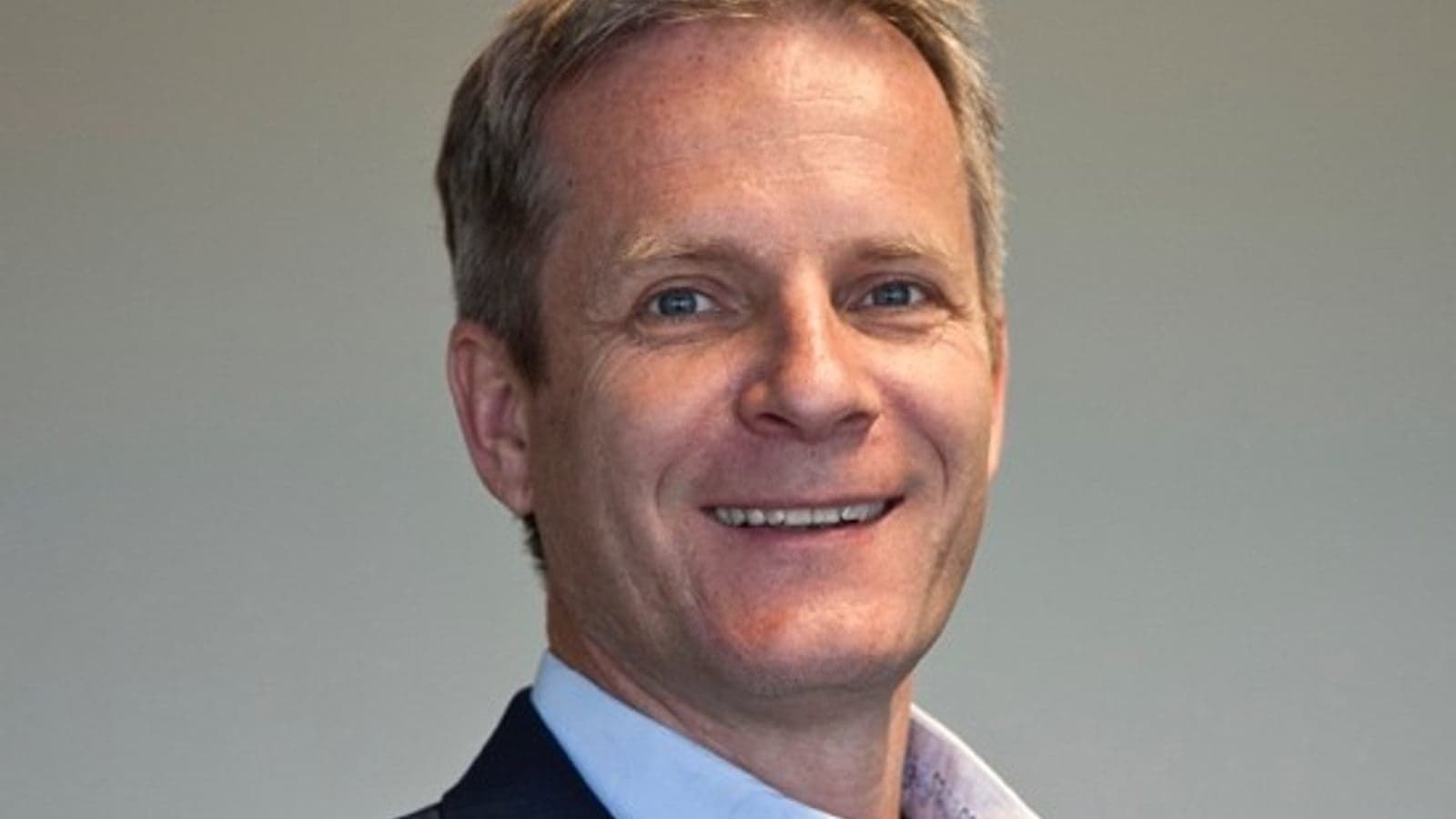
John Campbell is Global Product Manager for Advanced Process Control at ABB.
Related tags
Latest content
Partner content
+2
Innovations to accelerate the decarbonisation journey
ABB’s Marco Tellarini, Senior Vice-President – EMEA Region, Electrification Service, delves into the innovations that are enabling utility and industrial customers to accelerate their decarbonisation.
- Enlit Editorial Team
- 22/10/2024