Why electrification alone won't achieve zero emissions on our roads
Guest/partner contributor
Posted on: 30 September 2025
As policymakers in Brussels will imminently start reviewing the EU’s CO₂ standards for light-duty vehicles (LDVs), now is the moment to have a frank conversation about how we can realistically and competitively decarbonise European road transport, writes Stefano Murace of Eurogas.

As policymakers in Brussels will imminently start reviewing the EU’s CO₂ standards for light-duty vehicles (LDVs), now is the moment to have a frank conversation about how we can realistically and competitively decarbonise European road transport, writes Stefano Murace of Eurogas.
The sector is accountable for nearly a third of all CO₂ emissions, of which road transport makes up 73.2% of transport emissions. As it is also responsible for providing 13 million jobs and over €1 trillion – 7% – of EU GDP, getting this right could not only make or break the EU’s environmental, but economic aspirations.
Policymakers are right to push for ambitious regulation of emissions, but beyond this, a fundamental question arises: are we making use of all the resources at our disposal to cut emissions?
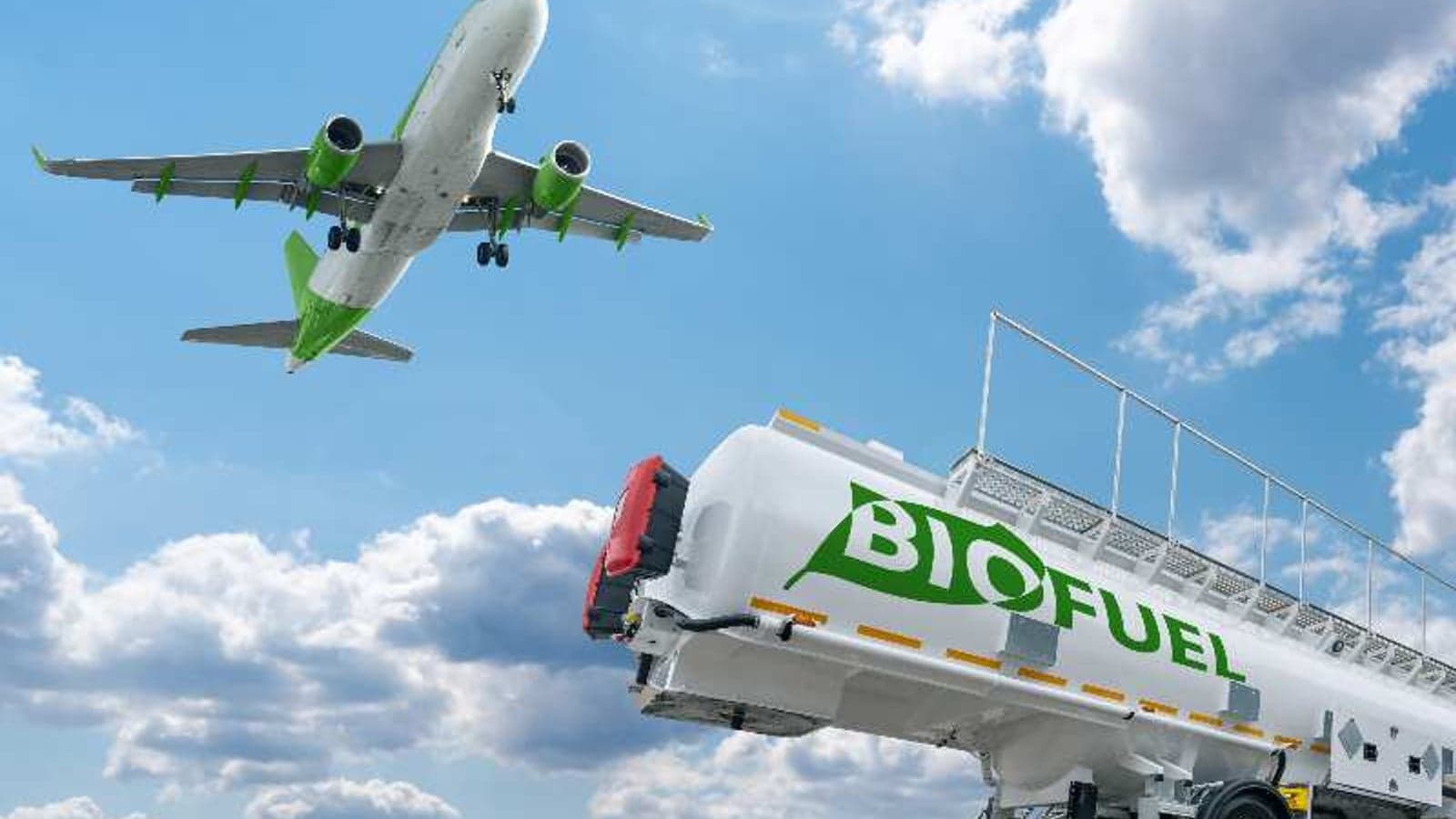
At present, EU rules measure emissions exclusively at the vehicle’s tailpipe, without taking into account the fuel's origin. This approach ignores whether or not they are derived from renewable sources, excluding a crucial set of climate-neutral fuels such as biomethane, advanced biofuels, and synthetic fuels – all of which are fully recognised under the Renewable Energy Directive (RED) and the EU Emissions Trading System (ETS), and even count toward Europe’s 2030 climate targets. Yet currently, the LDV standards regulation completely overlooks where the carbon comes from and what makes it carbon neutral. This inconsistency risks sidelining technologies that can already deliver fast, cost-effective decarbonisation, not only in new vehicles, but across Europe’s existing fleet.
No one-size-fits-all for a trillion-euro industry
The European automotive industry is a pillar of Europe's economy. Taking Spain as an example, nearly 2 million jobs there are linked to the automotive sector, which represents about 10% of the country’s GDP and 18% of total exports. Spain is the 2nd largest automaker in Europe and the 9th largest in the world. In 2024, the Spanish automotive industry exported over 2 million vehicles. Within Spain, the Basque Country holds a particular automotive weight, and the industry there is described as a ‘cornerstone’ of the Basque economy.
However, the European automotive sector faces global competition on its path to Net Zero, not least from China, which is leading the race in electric vehicle production. At the same time, growing domestic production of sustainable and renewable fuels such as biomethane could support other renewable transport technologies.
Spain’s biomethane production potential ranks among the top three EU Member States, with the IDAE (Spanish Institute for Energy Diversification and Savings) putting this at between 20 and 34TWh/year, representing 5-9% of annual gas demand. With over 200 biomethane plant projects in the works, there is an opportunity here to connect industrial strength with transport decarbonisation.
The current LDV regulation does not make this connection. A car running on biomethane in this situation would be registered as if it were burning natural gas, instead of reflecting the lifecycle emission savings that biomethane delivers as a renewable fuel. This blind spot undermines both Europe’s climate objectives and its competitiveness.
Energy Transitions Podcast miniseries: Spain's journey to greener mobility
Episode 1: Can Spain’s transport sector keep pace with decarbonisation?
Episode 2: Fitting EVs into Spain’s power system
Episode 3: How electric mobility can unlock business opportunities for Spain’s fleets
Episode 4: Spain’s battery manufacturing advantage on the road to net zero
From silver bullet to spread-shot
Europe does not need to reinvent the wheel; it simply needs a consistent approach. Other parts of EU legislation like the Renewable Energy Directive already provide a model by allowing renewable fuels to count toward compliance. Because of the weight of its emissions contribution, and amidst the backdrop of intense global competition, road transport cannot afford to fall behind.
A simple but powerful fix would be to introduce a Carbon Correction Factor (CCF), adjusting officially certified fleet emissions for newly registered vehicles according to the average amount of renewable fuels in the European fuel mix. This approach would correct the tailpipe measurement, rewarding real emission reductions, sending investors the right signals, and ensuring coherence with other EU legislation.
Another step would be to create a vehicle category for cars powered exclusively by CO₂-neutral fuels, allowing fully decarbonised Internal Combustion Engine (ICE) vehicles a favourable distinction from traditionally fuelled models. This would set a helpful precedent for the future Heavy-Duty Vehicle (HDV) CO₂ emissions standard review, expected in 2027.
Don’t leave the existing fleet in the rearview
One of the strongest arguments for renewable fuels is their ability to cut emissions from the cars already on the road. The average lifespan of a passenger vehicle in Europe is more than 11 years; for vans, it is often longer. Even if every new car sold in the EU tomorrow were zero-emission, millions of combustion vehicles will still be circulating on our roads for decades to come.
Plug-and-play renewables like biomethane can easily be blended into existing fuel supplies or used outright in dedicated vehicles, reducing emissions quickly without waiting for the entire fleet to turn over. Spain again illustrates the point: several biomethane projects already inject renewable gas into the grid, meaning the infrastructure is there to scale up if we can send the industry the right regulatory signals about its future.
Driving competitiveness through technology neutrality
Electrification will be a critical element for decarbonising transport. But excluding renewable fuels creates a false dichotomy and ignores consumer realities: affordability, infrastructure gaps, and the diversity of fleet needs across Europe.
Fleet operators, in particular, require flexibility. For many businesses, margins are tight and infrastructure uneven. A policy that recognises renewable fuels alongside electrification gives operators the ability to decide how best they can reduce emissions without sacrificing competitiveness.
In a world of intensifying global competition, Europe must avoid locking itself into a one-technology strategy. True technological neutrality means empowering all viable, market-driven solutions to contribute where they can.
A crossroad in the energy transition
Automotive industry initiatives to decarbonise fuels, from advanced biofuels to e-fuels to bio-CNG and bio-LNG, are already underway. What is missing is regulatory recognition.
The LDV review in 2026 will set the tone for Europe’s transport decarbonisation well into the 2030s, and will likely shape its sister review of HDV emissions standards in 2027. It must therefore be forward-looking, anchored in market realities, and coherent with the recognition of renewable fuels in other EU law.
This review is not just about cars and vans. It is about whether Europe has the courage to use every tool in the box to solve a complex problem.
Do you want to join the conversation about mobility? Visit the Mobility Zone at Enlit Europe.
Step into the heart of transport innovation at the Mobility Zone. Bringing together utilities, regulators, OEMs, charge point operators, and tech innovators, this dedicated space is where the future of mobility is shaped.
Register now to attend Enlit Europe, taking place from 18–20 November in Bilbao.
About the author:
Stefano Murace is a Policy Advisor at Eurogas in Brussels. With a background in transport, heating, and retail markets, his work focuses on decarbonising key end consumer sectors with gaseous fuels.