Why flexibility is 'king' for Central and South Eastern European power traders
Yusuf Latief
Posted on: 26 June 2025
European power trading continues to be pushed and pulled by the impacts of geopolitical conflict; how have traders had to adapt?
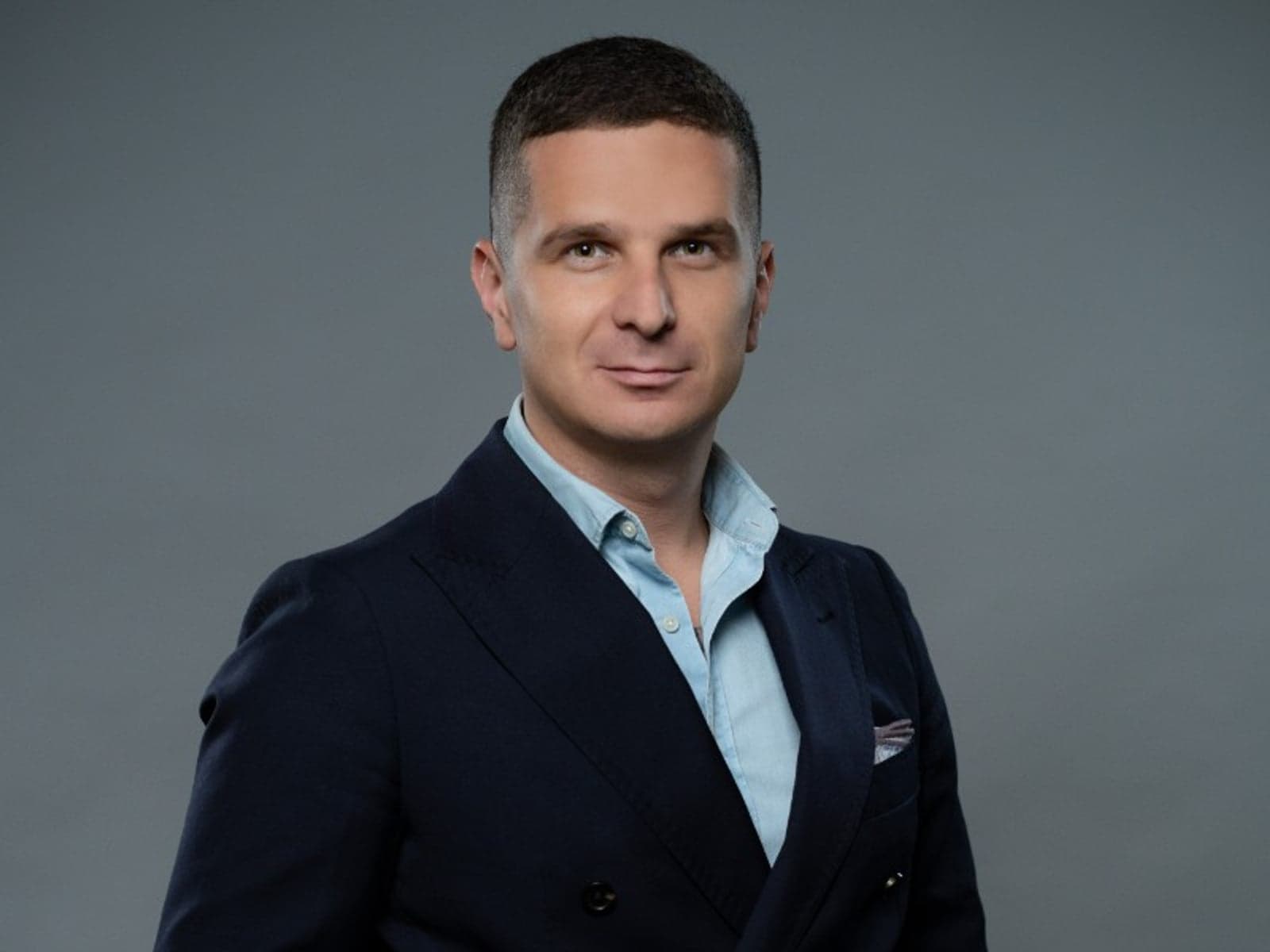
As global geopolitical conflict continues to push and pull European power trading, for Stanislav Dudka of D Trading, it is flexibility - both in instrument and mindset - that has proved key.
Global geopolitics continues to prove an unpredictable minefield for power trading across the European continent, especially for those operating in the Central and South Eastern European (CSEE) region.
So, how has this affected power traders, who need to adapt to fast and unpredictable circumstances?
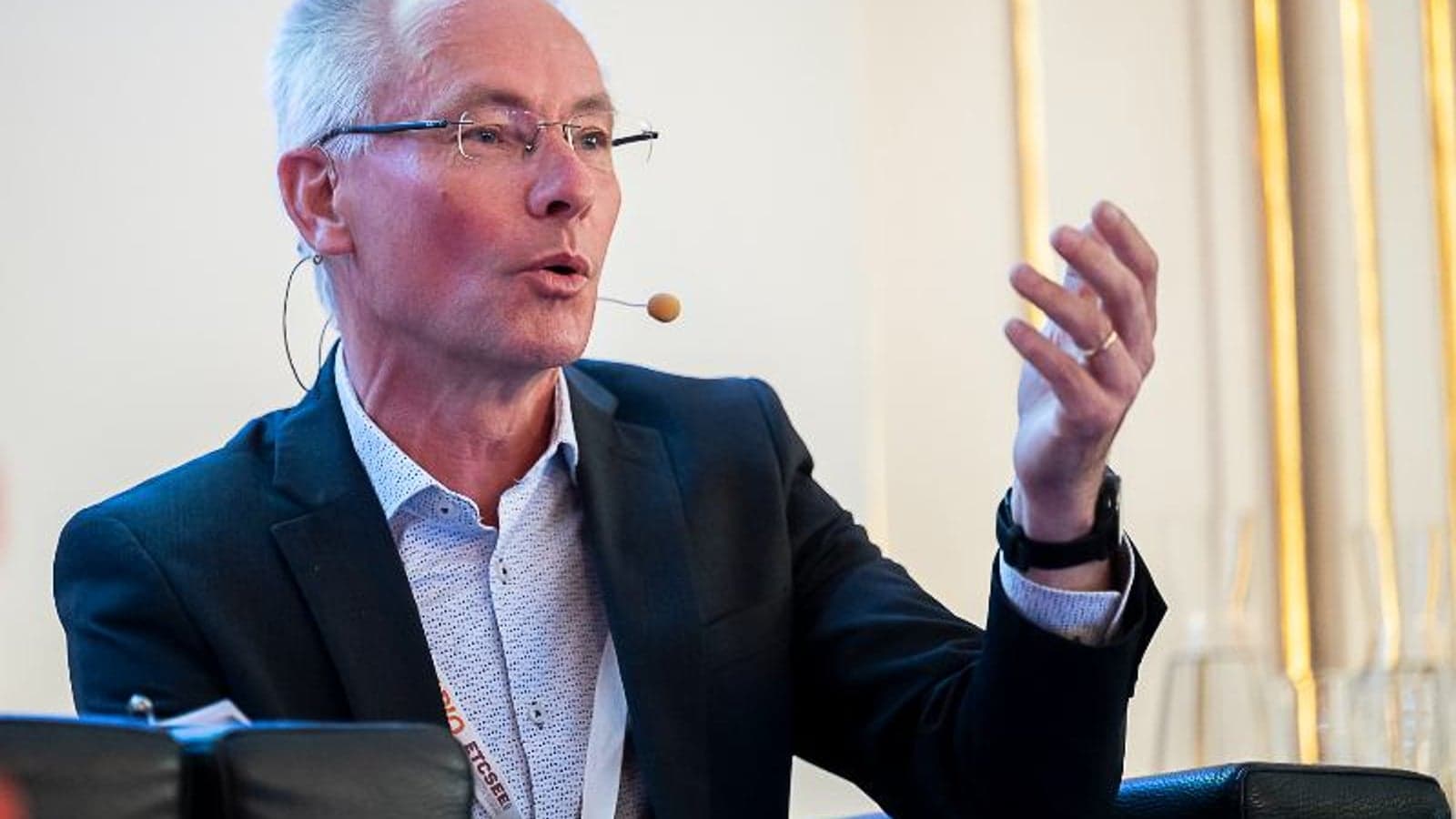
To find out more, I spoke to Dudka - Head of power trading international for the trading arm of Ukrainian energy company DTEK – who since 2021 has been developing expansion into CSEE, opening for activity in over 10 new countries.
How has the conflict in Ukraine impacted the mechanisms and strategies for power trading in the region?
I think we can only evaluate it properly and fully later down the line, but right now, we really feel it by how it has impacted flow.
The first six years of my career, we always saw big power flows from Ukraine to Europe of electricity. Everybody wanted to buy cheap Ukrainian power and bring it to the continent.
The reality of the war has changed this.
The region was relaxing because we had extra electricity, then in one day, with the bombing of energy infrastructure, the country turned into a net importer.
In just this one day, we went from 1GW+ in exports to -1GW – that’s a 2GW change in one day, just because of the bombing, which you simply cannot predict.
You can be the smartest guy in the room, but you couldn’t have predicted such a thing. It would have destroyed all of your strategies if you relied on this flow and didn’t take any such factor into consideration.
It’s the same story with gas - we see that the flows of gas are changing and they cannot be ignored.
For power trading, in this way, the war added extra complexity to the power trading puzzle, which needs to be accounted for.
This volatility is really unpredictable, because we cannot know when the next attack is going to come on energy infrastructure.
Also of interest:
Unpacking uncertainty: Market coupling and the EU Carbon Border Adjustment Mechanism
DATAMITE: Data monetisation, interoperability, trading and exchange
How much on-the-spot thinking has been needed considering all of this volatility and uncertainty?
What’s interesting is that a big innovation that almost resulted from the war is the decision-making process, which has had to become much faster.
We have had to innovate in how to manage responsibilities and how we make fast changes.
The market has been changing more rapidly than a company can adapt. In our case, we have been running an international business over the last five years with a team that is not the largest.
And if in the past we were thinking about strategies during the year - how we are going to earn, for example - now our main innovation has been to adapt to the market as quickly as possible.
Of course, there is still the need to have a vision of where the company is moving, but the mindset always needs to be in the market and adapted to its reality. Something important will be missed if one is very strictly following plans and decisions made two years ago.
It’s now about adapting quickly, rather than just letting circumstances control. It's almost impossible to control everything; you just need to be fast.
From your experience driving expansion, what have been the biggest challenges?
The biggest challenge is the diversity of regulations which exist in Eastern Europe.
There is no common regulation that can be used as the standard in each country, which is a problem, considering that Eastern Europe is a group of countries that are together, making it tough to operate.
For example, when going to Germany, you need to understand the laws and regulations of one country. But when you're expanding as rapidly as we are, you need to understand the regulations of a number of countries.
Language is also a challenge – English is not always the need-to-know.
What has been the best approach to address these challenges?
You need to combine your central approach, working with legislation and regulation, with local knowledge.
You always need to have local people on the ground in each region you are entering, which will help you navigate that system. It will help with understanding how it really works, not only on paper.
You need to be global and local at the same moment.
You need to always focus on the general view and how regulation in one country will change the general market, but together with that, you have to be local, having people who speak the local language will help with decision-making and with taking swift actions.
For power traders in southeastern Europe, what are the biggest opportunities?
The biggest opportunity would be in flexibility. If you try flexible generation, you will be the king for the next three years.
I cannot guarantee that you will be the king for the next 10, but the next three, probably.
People are continuing to invest into PV, but for me, batteries is the way to go.
If you don't want to use this modern technology, you can put some old flexibility in place. Whether a gas engine, hydropower plant, or even small hydro, so long as you can establish flexibility, it will help you be successful in the region.
The same goes for gas. The region is becoming a gas hub, and if you have flexibility in sourcing gas supply, it will be successful.
Currently, the war is creating more and more uncertainty. Our region is not an exception from this rule, and uncertainty is just increasing.
To work with uncertainty, you need to be flexible, both in your instruments and in how you approach business. This last point is relevant whether you're a developer, an investor, a consumer, or even an operator.
What advice would you give to companies that are looking to enter or even expand their power trading activities in the region?
Always consider yourself a beginner, even if you’ve started to earn money.
Even if you are 100% sure that you found your niche, your client, or your opportunity, which is already bringing results: always stay in your head as a beginner and ask yourself: okay, what is next?
That is the main thing that companies who are expanding or entering our business must think about.
If at some point you think that you are a king, believe me, in one to two years, it will be very hard to manage everything, depending on your mindset.