Why human-centred tech could make or break energy transition
Guest/partner contributor
Posted on: 26 May 2026
No grid is more resilient than the people responsible for building, operating and maintaining it, says Vincent Dessale of Nexans
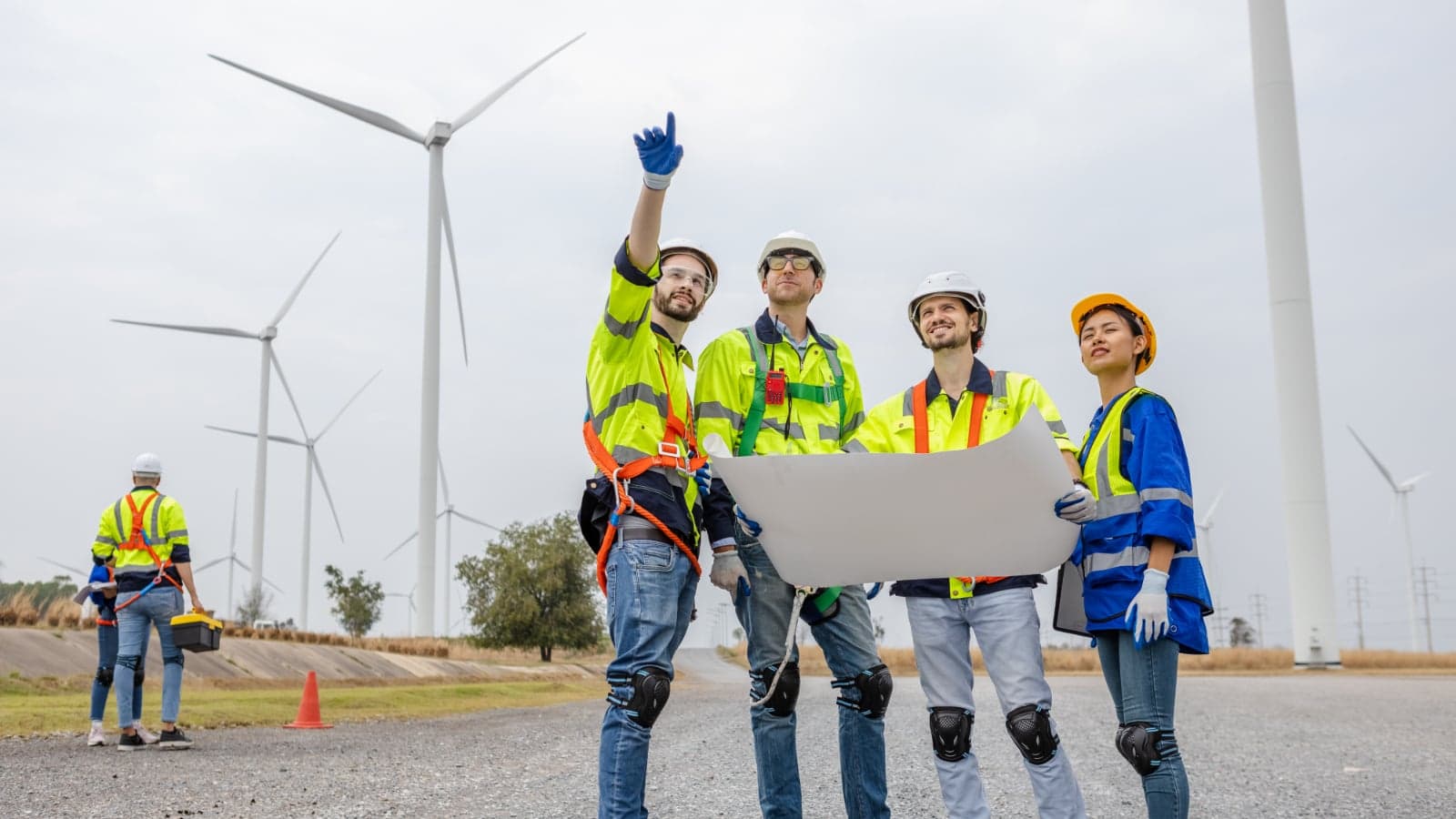
As nations accelerate electrification efforts through renewable energy expansion and grid modernisation, it is becoming increasingly apparent that the success of the energy transition depends as much on people as it does on infrastructure.
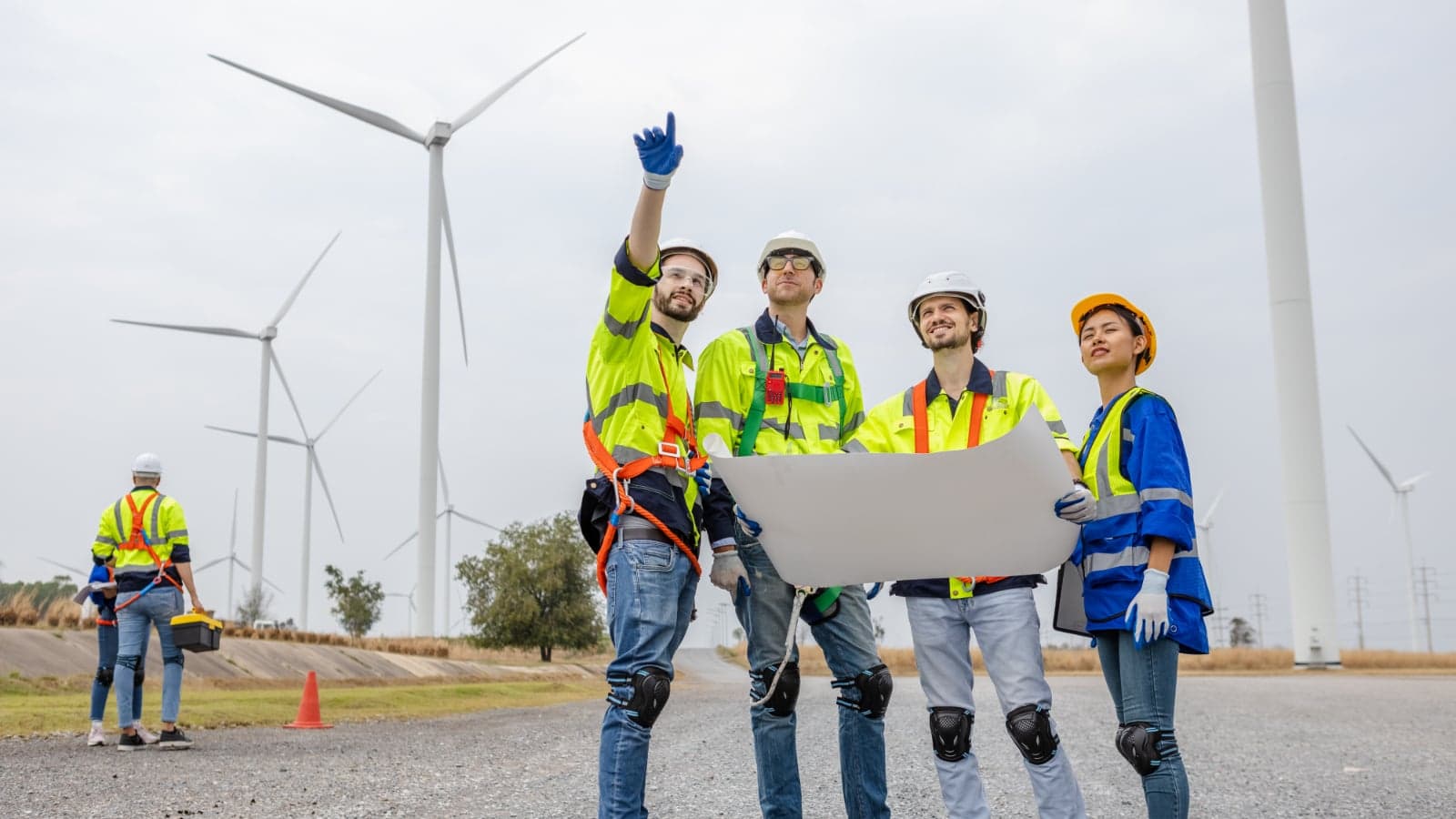
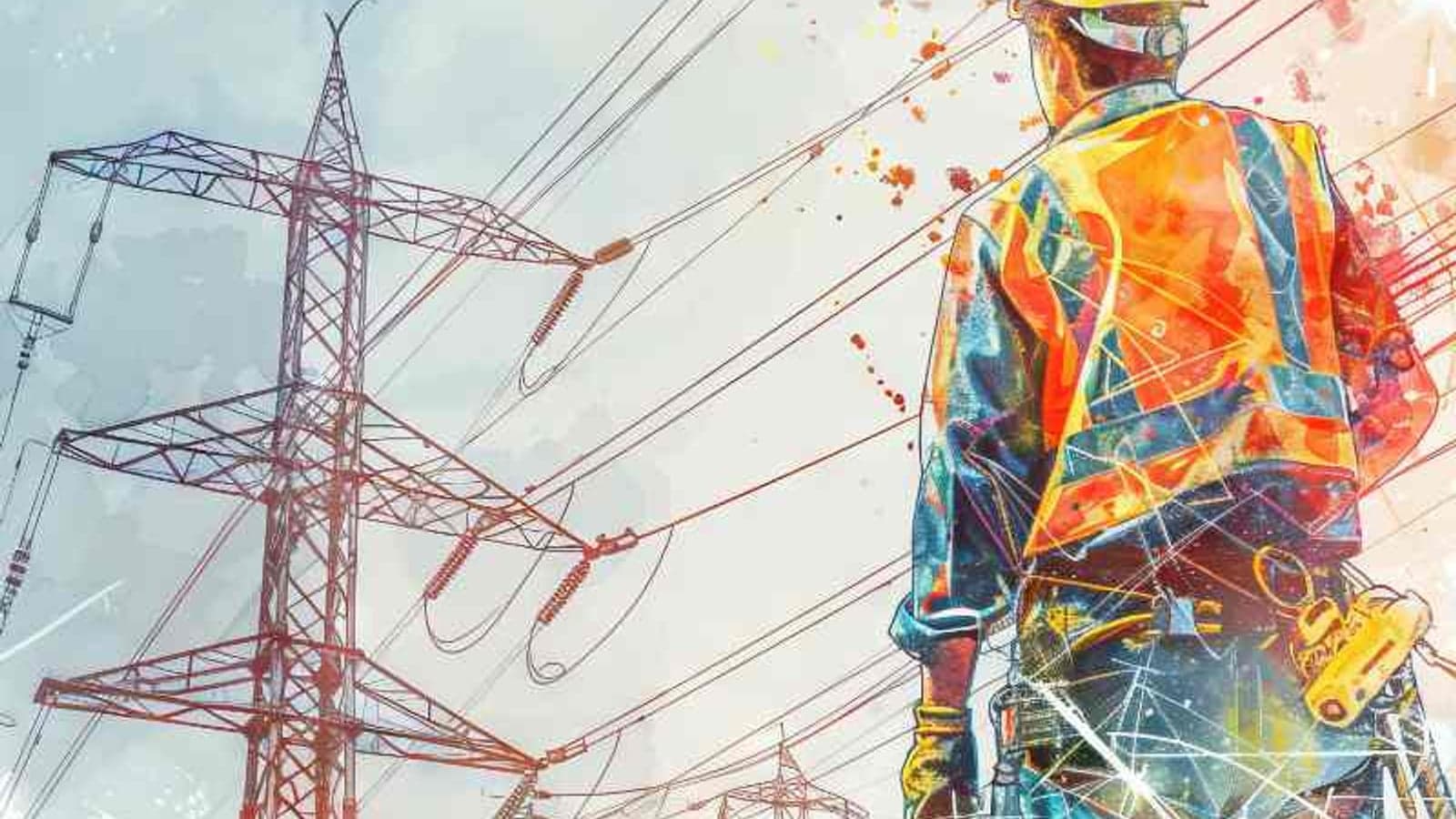
Industry conversations often focus on funding, supply chain resilience and emerging technologies. Yet one of the most critical factors in meeting climate goals may be far more human: the skilled technicians responsible for installing and maintaining the complex network of cables, joints, connections and components that power modern grids.
Across many markets, utilities are racing to expand grid connections and capacity due to rising demand, but the workforce needed to deliver that transformation is under growing pressure.
Experienced technicians are leaving the industry faster than they can be replaced, while the skills required to work on increasingly sophisticated power networks continue to evolve.
This is becoming one of the least discussed risks facing electrification. Even where investment and material availability remain strong, a shortage of qualified field technicians could slow deployment at a critical moment.
Put simply, the energy transition cannot move faster than the people responsible for building and maintaining it. Without a workforce equipped to install infrastructure safely, accurately and at scale, net-zero ambitions risk colliding with operational reality.
This creates an important challenge for the industry: how can it better support both current and future workers to perform safely, efficiently and confidently?
Design matters
One answer lies in rethinking how tools, components and processes are designed. For decades, many field products were engineered primarily for technical performance, often overlooking the practical realities technicians encounter on site.
Tight working conditions, heavy components, repetitive motions, unintuitive assembly steps and high physical demands are common.
Adopting human-centric designs shifts how people need to operate. Instead of expecting technicians to adapt to products, this approach can ensure products are better adapted to technicians.
That begins with understanding real working conditions, such as how installers move, where strain occurs, which procedures lead to errors and what slows a job down. Giving engineers the opportunity to share their insights early in product development allows developers to unlock changes that bring immediate benefits.
Recently, we’ve seen an advancement of components with clearer interfaces, reduced installation steps, safer handling, and lighter or streamlined options that minimise fatigue.
Even simple adjustments, such as more intuitive packaging or easier transport mechanisms, can reduce friction during installation and support a more resilient workforce.
These improvements may be low-tech, but they have a positive impact on ways of working. They lead to fewer errors, faster learning curves and more consistent installation quality across teams with varying levels of experience.
Have you read?
Download: Enlit industry report 2026 on energy system resilience solutions
Europe’s data centre challenge – from energy demand to grid support
AI and AR on the frontline
Yet physical design is only one dimension of workforce empowerment. As grids become more complex and the pressure for speed and accuracy intensifies, digital technologies are emerging as essential counterparts to human expertise.
AI-enhanced mobile tools, for example, are transforming how installation quality is verified. Instead of relying solely on manual inspection, technicians can capture images with a standard device and receive guided feedback in real time.
This reduces the likelihood of errors, supports less experienced workers and can dramatically shorten the verification process.
Concurrently, augmented reality (AR) is reshaping field training and installation workflows.
By overlaying digital guidance onto physical equipment, AR allows technicians to see exactly how components should be positioned, the sequence of each step and whether the installation meets required standards. It also opens the door to remote assistance, enabling experts to support teams in the field without travelling.
This has proven to be a significant advantage for work done in remote regions or for emergency repairs.
The result is a shift from reactive problem-solving to proactive precision. Technicians gain confidence, utilities gain reliability, and the overall system becomes safer and more resilient.
Support not replace workforce
These developments are rooted in a simple but increasingly important idea that it’s imperative that technology strengthens human expertise.
Delivering the energy transition will require more than expanding the workforce. It will demand smarter ways of working that reduce pressure on technicians and help teams operate with greater speed, accuracy and confidence.
For organisations across the energy sector, this means rethinking how tools, training and operational processes are designed around the realities of field work. The companies making the greatest progress are those simplifying complex tasks, reducing unnecessary friction and giving technicians access to real-time digital guidance when decisions matter most.
Most importantly, the industry must stop treating human capability as a secondary consideration. Workforce performance is now a strategic issue.
No grid is more resilient than the people responsible for building, operating and maintaining it. As electrification accelerates, supporting technicians with the right tools, training and working environments should carry the same level of priority as investment in infrastructure and technology.
The success of the energy transition will not be measured only by the amount of infrastructure that is installed, but by how – and by whom – it is installed. Organisations that design their innovation strategies around the realities of frontline work will be far better positioned to meet the demands of an increasingly electrified future.
About the author
Vincent Dessale is Managing Director Asia Pacific and Chief Executive Markets & Commercial Officer at Nexans.