Why nuclear energy could save net zero
Pamela Largue
Posted on: 4 December 2024
Myrto Tripathi of The Voices of Nuclear and RePlanet explains why we won’t reach net zero without nuclear energy.

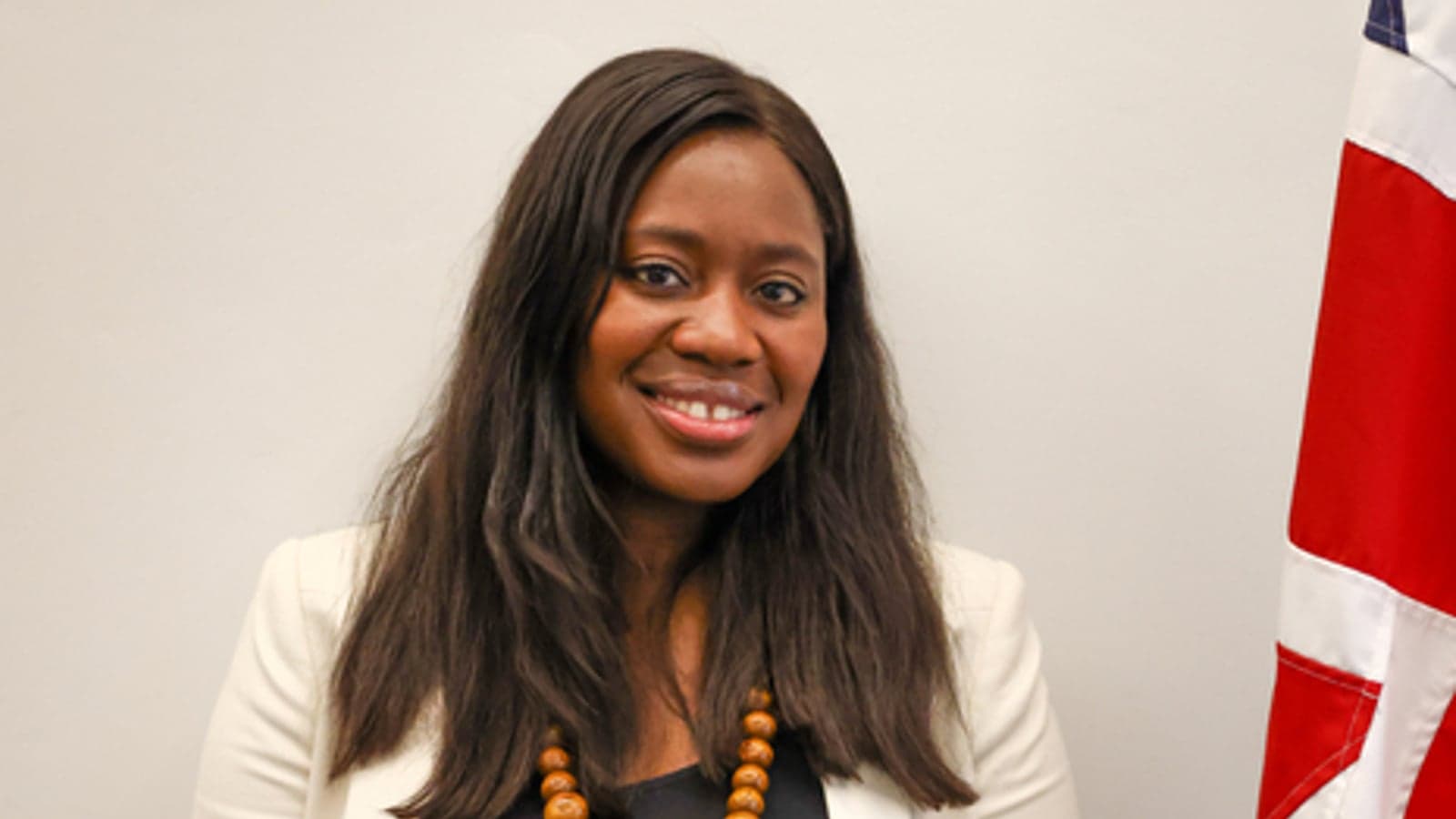
Myrto Tripathi, president and founder of The Voices of Nuclear and RePlanet France, believes that nuclear power could hold the key to achieving our net zero goals. Pamela Largue finds out why.
In order to green the energy system and meet our 2050 net zero targets, we need a low-carbon, stable power source that can fuel industry growth and the new digital economy. Myrto Tripathi is convinced that nuclear energy is the right fit for the job.
Myrto, how do you see your purpose in the industry?
I have the sincere and deep conviction that we cannot succeed in the low-carbon energy transition without nuclear. My purpose is therefore to try and ensure that the key role of nuclear energy is well understood, appreciated and organized.
I want people to understand that it doesn't matter how much access you have to technologies, financial resources, human resources, industrial mineral capacities and materials, what matters is that it isn’t really physically possible to achieve the low carbon energy transition without nuclear, especially in time considering the climate urgency. And that it is actually not such bad news, quite the contrary: all things considered it is rather good news.
We have two missions. Firstly, we bring information to people, explaining the advantages and benefits of nuclear as an energy source, as well as highlighting the risks which exist for all its alternatives as well.
Secondly, we are a citizens’ body representing users, citizens as well as industries. The people and organisations who want to benefit from nuclear need to be able to enter into conversation with the nuclear industry and the nuclear sector. We are the honest broker to act as the in-between person that will make those two worlds talk to one another and make sure they cooperate to the best of their abilities.
Why is nuclear energy the answer?
People need to understand if it's worth going down that complex, not-so-well-known road of nuclear, in order to make room in their strategic plans for nuclear or not.
Fossils have reached the end of their story, no question about that. Economics and public opinion will support that.
Among the only available low carbon energy sources that exist, you have on one side hydroelectricity and geothermal, which are only available in certain places and need to be periodically regenerated, and it takes time.
On another side, you have wind and solar. They are intermittent and scattered and need a lot of equipment to gather them, concentrate them together and then re-dispatch. You also need a lot of extracted mineral resources that today don't recycle very well, if at all.
Have you read?
Nuclear’s role in a balanced clean energy future
IEA heralds ‘Age of Electricity’ and nuclear revival in World Energy Outlook
Those energy sources are land and water hungry and need equipment to be renewed every 20 years at best, not accounting for the backup energy sources that they need when they are not producing, which is roughly 80% of the time.
Only nuclear is left amongst those low-carbon energy sources that are available and deployable anywhere. It's a mature technology, it's reliable, baseload, and it's actually the lowest carbon out of all the energy sources, even lower carbon than wind and solar.
So, if you get rid of fossils, the only way to get reliable, continuous power to run our economies is to resolve to use nuclear.
And for those who want to see the benefits demonstrated, risk-free, nuclear is a good option to consider. There are more than 40 years of demonstrated performance of robust reliable supply of electricity.
It has already decarbonised entire electrical grids not of villages but full blown developed G7 nations.
And uranium is widely available and can be recycled almost entirely in a fully circular economy.
Because of its energy density, capacity to produce massive amounts of energy out of tiny quantities of material, nuclear energy is intensive knowledge, science, know-how, human collaboration and decision-making, nothing else. Very much unlike the other energy sources that all depend heavily on natural resources access and price.
When you consider that we only have 26 years left to net zero in 2050, you want to rely on a source of energy that will not impair your activities, that already has a supply chain that's mature and running, that has streamlined its activities and already demonstrated that it has the capacity to power full blown Western industrialised economies.
What changes do you want to see to get nuclear on the map?
Stakeholder engagement is important. What was missing until now was people's awareness of what nuclear could do for energy security and the environment.
With fossils becoming less competitive, the business case for nuclear has emerged. We are entering what I call the Nucleocene era, which is the realisation that if we get rid of fossils, the only real alternative as far as performance, quality of power delivered, reliability, robustness and cost, will be nuclear power.
It's not a wish and I am not being paid by anyone to say that. It's what experience and physics demonstrate.
As the business case emerges, the regulatory aspects need to fall in line and need to expand to new uses, industrial uses in particular and to new geographies. We need to be coherent from one geographical area to the next so that we can start building in series, scaling up and becoming cheaper.
All of this will flow from an improved regulatory framework, which will come from enhanced expectations from customers and users.
Who do you see being the main users of nuclear power?
Base economy industries like chemical, paper and steel, the corner stones on which everything else is built, will need nuclear to decarbonize their activities, and new economy industries like data centres, and large energy consumers, even cities will need nuclear too.
Furthermore, communities and urban areas will need nuclear to decarbonise their heat and cold supply.
What's important to remember however is that to drive acceptance, you need an 'intelligent' and knowledgeable customer.
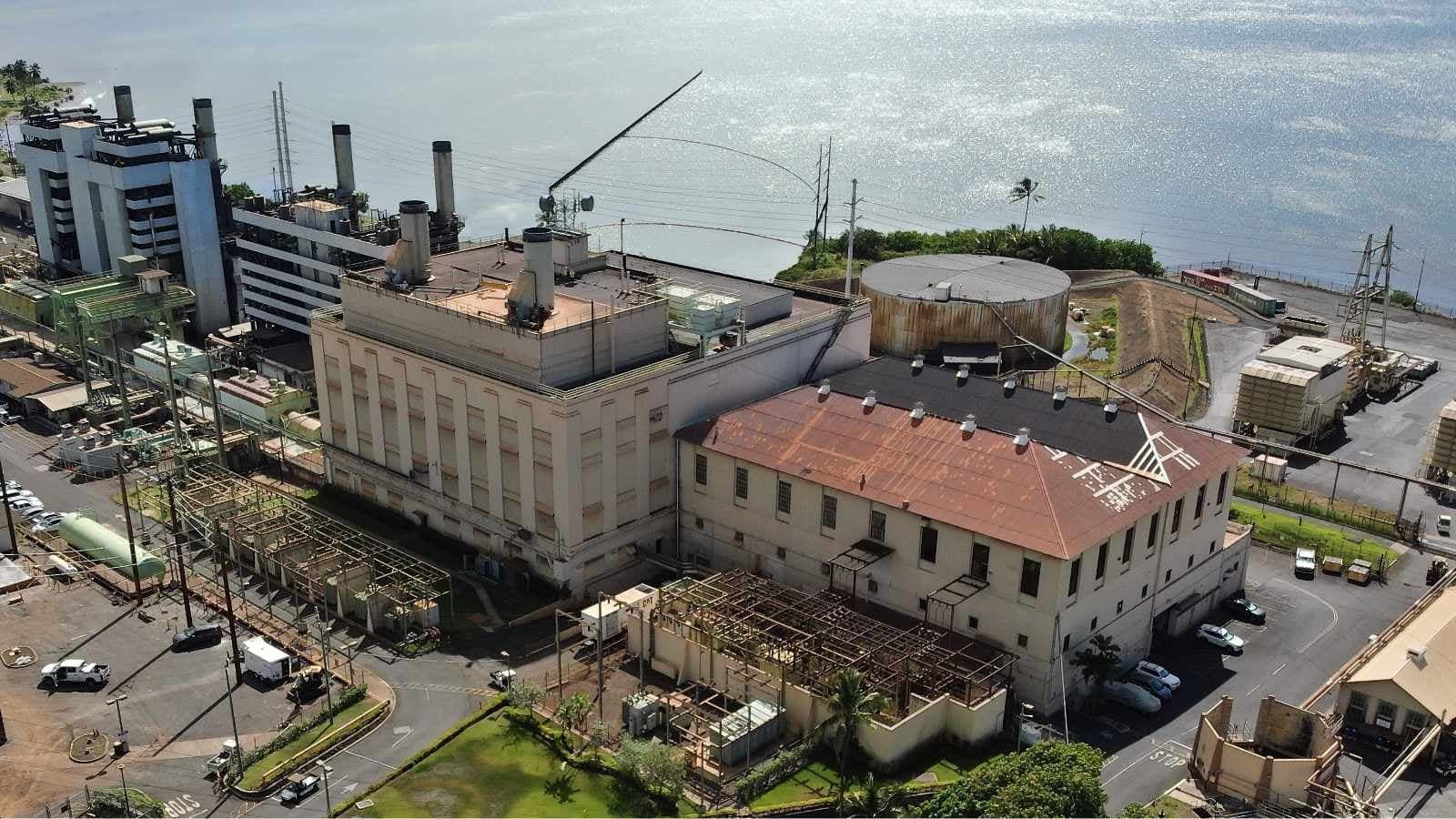
Also of interest: Three Mile Island is reopening to help power Microsoft data centres
The nuclear industry is largely unknown because even though the industry is quite transparent now, traditionally nuclear was only a couple of large companies with a couple of large grid customers, which were large utilities or governments and they didn't really have to talk to anyone. They largely externalised the communication to antinuclear environmental NGOs.
Now we need to make people familiar with the factual aspects of nuclear, so they can form their own opinion. We also have to fight back against plenty of misconceptions.
Nuclear will be the solution, the big guy in the room replacing the other big guy in the room, which is fossils. We need people to understand that and to have in hand the right cards to make it happen.
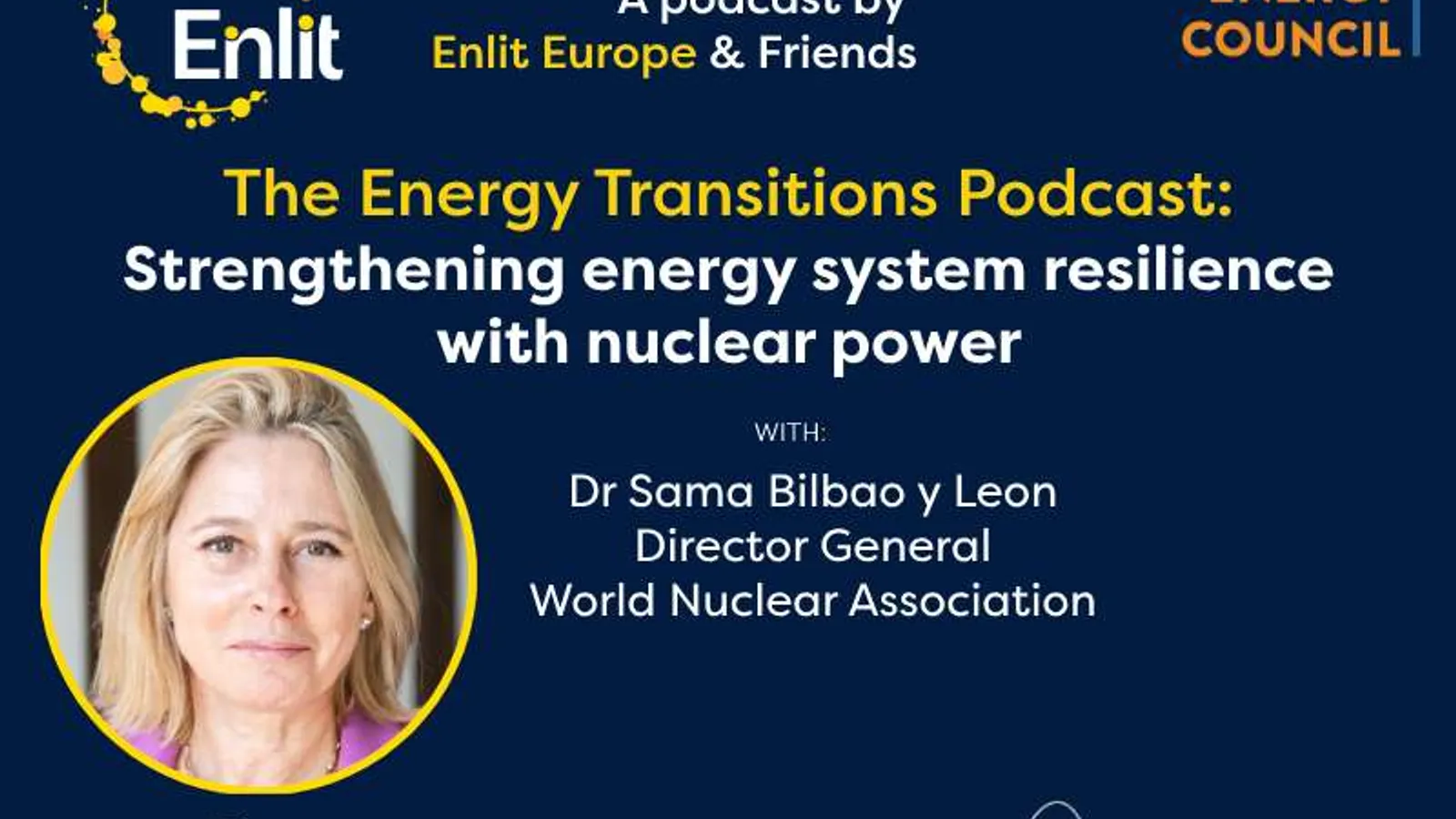
In this episode of the Energy Transitions podcast, Pamela Largue speaks to Dr Sama Bilbao y Leon about how the nuclear power narrative has shifted over the past decade, showing a growing appreciation for its role in achieving a resilient and decarbonised energy system.
Related tags
Latest content
+2
Energy Transitions podcast: Dr Sama Bilbao y Leon - Strengthening energy system resilience through nuclear power
Nuclear power been producing fixed base load around the clock for decades and is now embracing circularity, innovation and sustainability, making it a good fit for our future energy mix.
- Pamela Largue
- 16/04/2024