Why the electrical grid is 'the backbone of the energy transition'
Enlit Editorial Team
Posted on: 20 October 2023
Siemens CEO highlights the importance of coupling transparency and digitalisation to achieve a successful energy transition.
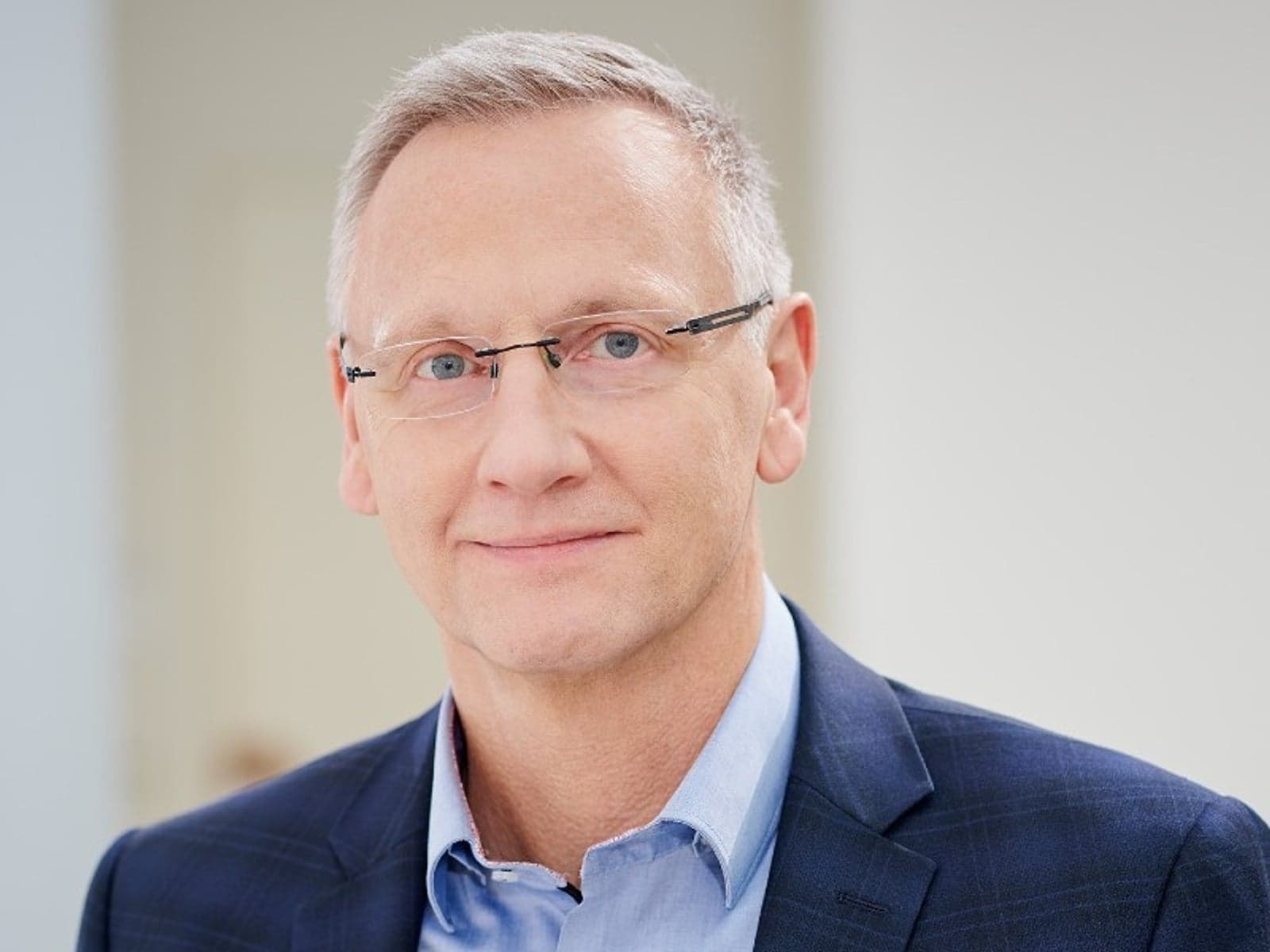
In an Enlit exclusive, Stephan May, CEO of Electrification & Automation at Siemens Smart Infrastructure, stresses that sustainability and grid stability go hand in hand to deliver the energy transition.
May underscores the importance of having transparency, credible partnerships, investment, clear policy frameworks and digitalisation to achieve a sustainable and successful energy transition.
What are the top three challenges to delivering the energy transition?
For most people in society, the electrical network may not seem tangible, but it will be the backbone of our energy transition journey. We are not able to increase network capacities as we could in the past; therefore, we must address three key areas to successfully deliver the energy transition.
Firstly, we must maximise the use of the existing infrastructure and technology, which makes vast efficiency gains.
Secondly, the electrical networks on lower voltage levels must be made more transparent. The increasing decentralisation of renewables generation and movable loads, such as EV charging, on non-transparent lower voltage levels is making grid management even more delicate and complex.
Only through greater transparency, combined with digitalisation, can we achieve grid reliability and network stability.
Finally, we must remember that sustainability and grid stability are not contradictory but go hand in hand – through digitalisation. Harnessing technologies such as artificial intelligence, cloud computing and digitalisation, in combination with decentralised grid intelligence on low voltage levels, will be crucial on this energy transition journey.
The electrical grid is the most important infrastructure for a successful energy transition. Wherever utilities are on their journey, they are looking to us and our sustainable hardware, software, and advanced digital solutions to help them to reduce their CO2 footprint, whilst shaping and accelerating the transformation of grids into autonomous, resilient, and sustainable power networks.
In your own words, what single action will accelerate the deployment of clean energy?
There is no single action that will accelerate the deployment of 24/7 clean energy. There are several factors will play a crucial role:
- A clear policy framework
- Strong financial incentives
- Public-private partnerships
- Connectivity of assets as the base for digitalisation and transparency
- R&D funding
- Renewable portfolio standards
We are keen to partner with companies that are working to deploy renewable projects because they can benefit from our market-leading portfolio encompassing hardware and digitalisation, worldwide presence, financing capabilities and project delivery capabilities to accelerate the transition to 24/7 clean energy.
What most excites you about the European energy transition?
Decarbonising the European Union’s energy systems is the key to achieving the 2030 climate targets and carbon neutrality by 2050. The electrical grid is the most important infrastructure for this transition, and we are excited to be at the heart of this transition with a portfolio that drives 24/7 connectivity and sustainability through digitalisation.
With the Siemens Xcelerator and electrification portfolio based on international standards, we enable our customers to accelerate their digital transformation - easier, faster and at scale. By embracing this new way of solving grid issues, grid operators can speed up the transition and gain a competitive advantage.
By being at the centre of the transition, we are ideally positioned to prepare our customers to adapt and lead the change, to act faster and to investigate innovative solutions together with us.
Our Electrification and Automation portfolio is, for example, helping to eliminate F-gases from switchgear with our blue GIS portfolio. It supports customers to develop hydrogen projects as an alternative energy source with our electrification solutions, supports our customers as they integrate renewables, and manages uncertainties through our automation and microgrid portfolio.
We are keen to play our part on the journey to European energy independence and carbon neutrality with our innovative electrification, automation and digitalisation solutions that assist our utility customers on their ‘net-zero’ journey.
How will your industry experts address these challenges at Enlit Europe in Paris?
We have exciting innovations that enable our customers to manage the energy transition systematically and sustainably. Our experts will discuss a wide range of topics including how to eliminate F-gases with our blue GIS portfolio, the integration of large-scale renewables and storage on distribution grids, and the deployment of electric vehicles at scale.
Additionally, they will be on hand to address solutions for the hydrogen value chain, discuss how to manage grid assets and extend their life by providing transparency, the benefits of adding predictive maintenance capabilities, strengthening OT cybersecurity and how to better manage supply chain uncertainties and long lead times with tailormade e-House solutions.
Have you read:
2030 targets in sight as EU Commission finalises Fit for 55 package
Closing the digital skills gap is vital for Green Deal success says Van Stiphout
Do you think Europe is at risk of losing its first-mover status in the energy transition?
The European Union set ambitious goals to reduce carbon emissions, increase the share of renewable energy, and promote energy efficiency. These goals were outlined in the European Green Deal and the EU's commitment to becoming carbon-neutral by 2050.
The EU has also been at the forefront of developing the framework for disclosure requirements through EU taxonomy and for the elimination of F-gases through F-gas regulations.
The EU must maintain its policy continuity and invest in R&D for clean technologies. It must upgrade energy infrastructure to enable energy transition implementation measures outlined in the various regulations.
Finally, to remain a global leader in the energy transition, the EU must abide by the commitments it has set itself to successfully reach its ambitious goals.
Siemens will take part in many exciting hub sessions at Enlit Europe in Paris, 28-30 November, covering topics such as:
- Achieving a Net Zero Industry
- Cybersecurity
- Future Proofing of the Grid
You can join Siemens’ experts at booth 7.2.D70, where they will be happy to discuss your challenges and opportunities in detail and, most importantly, in person.