Why the UK's cooling systems are hindering industrial competitiveness
Guest/partner contributor
Posted on: 24 October 2024
UK manufacturing is facing a perfect storm of soaring energy prices and rising regulatory pressure to accelerate decarbonisation.
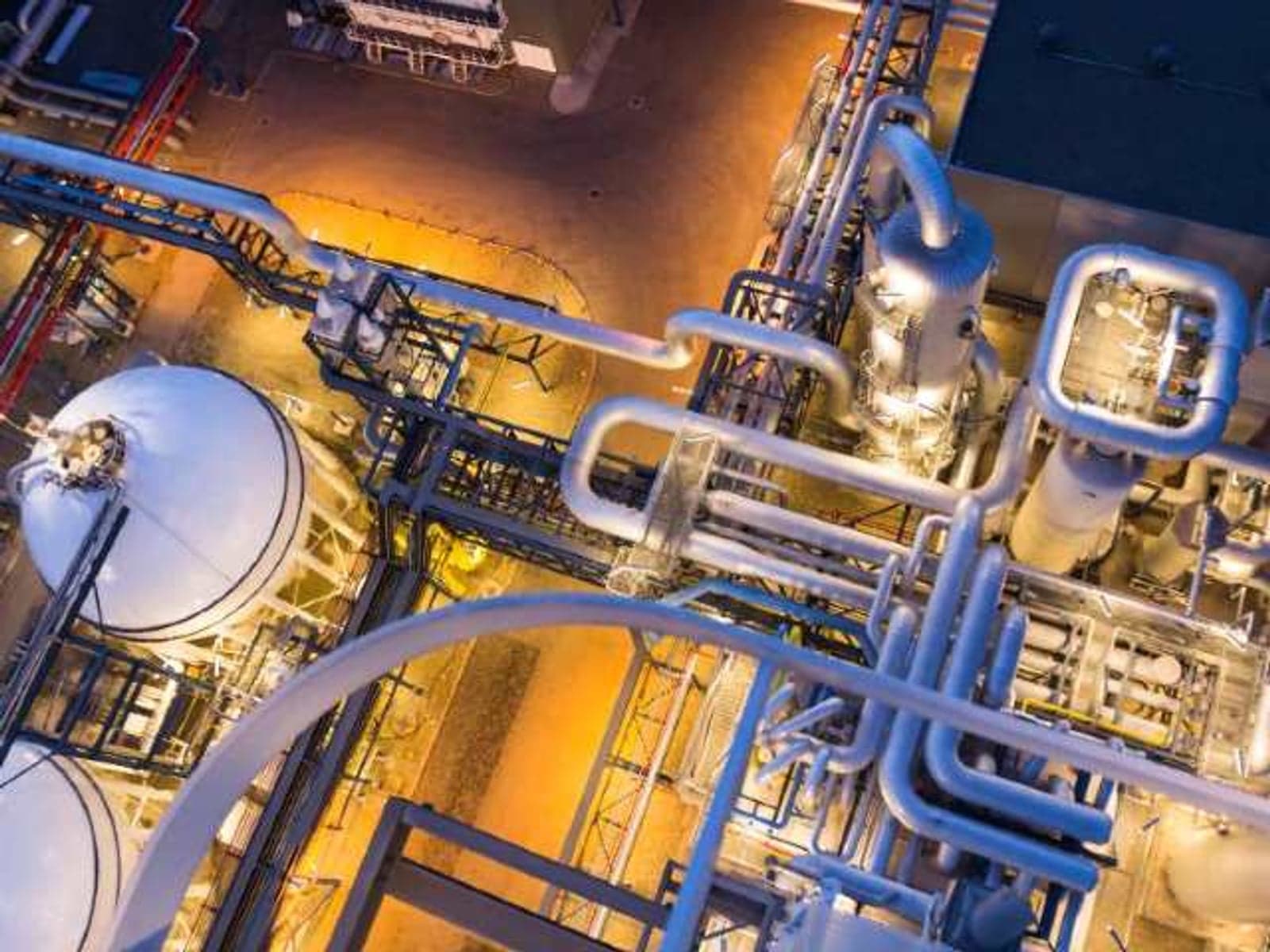
UK industry is becoming internationally uncompetitive on both energy costs and carbon emissions. This comes amidst the biggest drop of confidence among UK manufacturers since the COVID crisis hit in 2020, writes Richard Crunden, CEO of Vistech Cooling Systems.
UK manufacturing is facing a perfect storm of soaring energy prices and rising regulatory pressure to accelerate decarbonisation. Higher wholesale costs mean that UK industrial facilities pay 50% more for electricity than their French and German peers compounded by the fact that UK manufacturing industries such as cement, steel and paper are more energy intensive than the EU average.
One of the lesser-known factors behind high industrial energy costs and consumption is the UK’s historic underinvestment in industrial cooling systems, leading to endemic water and energy waste.
Many of the UK’s industrial cooling systems are a hotchpotch developed in haphazard fashion over decades compounded by a chronic shortage of process engineering skills.
This ageing web of infrastructure is also difficult to monitor and maintain and represents a growing liability to industry amidst rising energy costs and net zero regulations.
Have you read?
Wind output in Great Britain hits ten-year high
UK adopts ‘cap and floor’ scheme for pumped storage development
A fragmented mindset
Cooling directly impacts the efficiency of wider industrial processes, and improvements to cooling systems can thus drive major cost and carbon savings and revenue opportunities.
However British businesses have long fallen behind their competitors, with many cooling systems across the country no longer fit for purpose.
Many industrial cooling systems are a patchwork of systems built in piecemeal fashion for different purposes over decades. A ‘make do and mend’ mindset in UK manufacturing has led to a preference for retrofitting or bolting on new components instead of modernising these systems.
This disjointed approach is reinforced by a shortage of process engineers with knowledge of end-to-end industrial processes. Perhaps relatedly, research shows that only 12% of UK manufacturers have made improvements to industrial processes to boost their energy efficiency.
These systems are also little understood by those responsible for their monitoring, maintenance and operation – meaning even more upheaval when they go down.
Responsibility for cooling within a factory often falls to a single, non-specialist, individual within the organisation. These inefficient processes are compounded by a lack of oversight with a survey indicating only 11% of UK manufacturers currently monitor both their energy use and energy efficiency.
The hidden source of energy waste
The result is endemic energy waste with rising associated costs and carbon emissions. We have visited UK manufacturers that are spending three to four times more than necessary on operating their facilities. It is not uncommon in industries such as automotive to find cooling systems such as pumps and fans left running on full power round the clock.
This is contributing to the fact that some major UK manufacturing industries are now significantly more energy intensive than the EU average. Combined with the fact that electricity costs are substantially higher for UK manufacturers than for some EU competitors, this means that energy-related costs are harming their international competitiveness.
Inefficient energy use is also jeopardising efforts to reduce the carbon footprint of hard-to-abate industries from steel to cement. There is now a growing imperative for a new approach where industrial processes are built holistically from the bottom up to drive cost and carbon efficiency.
A holistic, bottom-up approach
UK manufacturers need to look at industrial processes such as cooling not as a peripheral bolt-on but as a key enabler of competitive advantage. This goes beyond saving energy and water and involves creating more smart, sustainable and future-proofed processes that align with net zero ambitions and enhance international competitiveness.
Instead of incrementally replacing individual cooling system components, companies should look at modernising and simplifying all cooling processes to drive combined cost and carbon savings across manufacturing lines. For example, one manufacturer that we worked with was able to save 410,000kW of electricity per year simply through improving its existing cooling system.
Data collection technologies can be used to conduct comprehensive performance surveys of everything from pump performance to fan running times to identify key inefficiencies across industrial processes.
This goldmine of data can be used to optimise everything from pump operation and control to equipment scheduling to reduce costs and emissions. For example, significant reductions in operating costs can be achieved just by adding simple control methodology to the cooling tower fan.
Smart data can also help spot opportunities to strip out excess capacity, creating leaner, more low-carbon and low-cost cooling processes. Similarly, smart data can enable preventive maintenance of vital systems from fans to driveshafts, further reducing operational costs.
In future, this rich pool of data could be harnessed by machine learning technologies to produce smart self-managing cooling processes continually adapting to enhance efficiency and lower costs.
In addition to modernising existing processes, companies can also introduce new systems to improve energy efficiency across industrial processes. Recent advances in cooling tower technology include high-efficiency spray distribution systems that enhance cooling efficiency and induced draft axial flow fan designs involving fans at the top of the tower that draw hot air out and improve energy efficiency.
These low-energy designs can now reduce cooling tower operating costs by 50%. ‘Smart’ cooling towers can even be remotely monitored from a smartphone and include inverters and control loops that offer further energy savings.
Where water is at a premium, some factories could use smart adiabatic coolers using up to 90% less water than conventional cooling towers.
Intelligent systems can also balance the use of fans and water delivery while smart scheduling capabilities can regulate run times to reduce energy use on these systems. One customer was able to save around £70,000 per year through installing adiabatic coolers.
With a shortage of process engineering skills, many manufacturers are now turning to external consultants who can assess entire end-to-end industrial processes and suggest a bespoke mix of solutions tailored to specific factories.
Ultimately, process engineering skills that span all industrial processes are the path to more holistic industrial processes designed to drive collective cost and carbon efficiencies.
Towards smarter industrial processes
The increasingly uncompetitive electricity consumption and costs for UK industries, and accelerating adoption of smart manufacturing processes among overseas manufacturers, means that a fundamental overhaul of industrial processes is essential to the continued success of UK manufacturing.
That is especially true as UK manufacturers continue to lose out to competitors on energy efficiency while environmental regulations further raise the cost of water and energy waste, and carbon emissions.
This new reality demands a new approach where industrial processes are reimagined as a competitive differentiator and reconfigured from the bottom up to optimise everything from energy costs to climate performance.
Related tags
Latest content
Partner content
+2
Innovations to accelerate the decarbonisation journey
ABB’s Marco Tellarini, Senior Vice-President – EMEA Region, Electrification Service, delves into the innovations that are enabling utility and industrial customers to accelerate their decarbonisation.
- Enlit Editorial Team
- 22/10/2024