With energy market volatility on the rise, might hedging be a safe bet?
Yusuf Latief
Posted on: 31 October 2024
As market volatility recurs from global conflict and extreme weather, hedging strategies may be key for energy sector investors to ‘protect’ assets.

This week’s Power Playbook discusses how hedging strategies may be a way for energy sector investors to ‘protect’ their assets as market volatility recurs from conflicts in the Middle East and climate change-induced extreme weather.
Two weeks ago, the IEA released their World Energy Outlook for the year, stating that some of the immediate effects of the global energy crisis had started to recede in 2023, but that the risk of further disruptions is now very high.
This, of course, is no surprise.
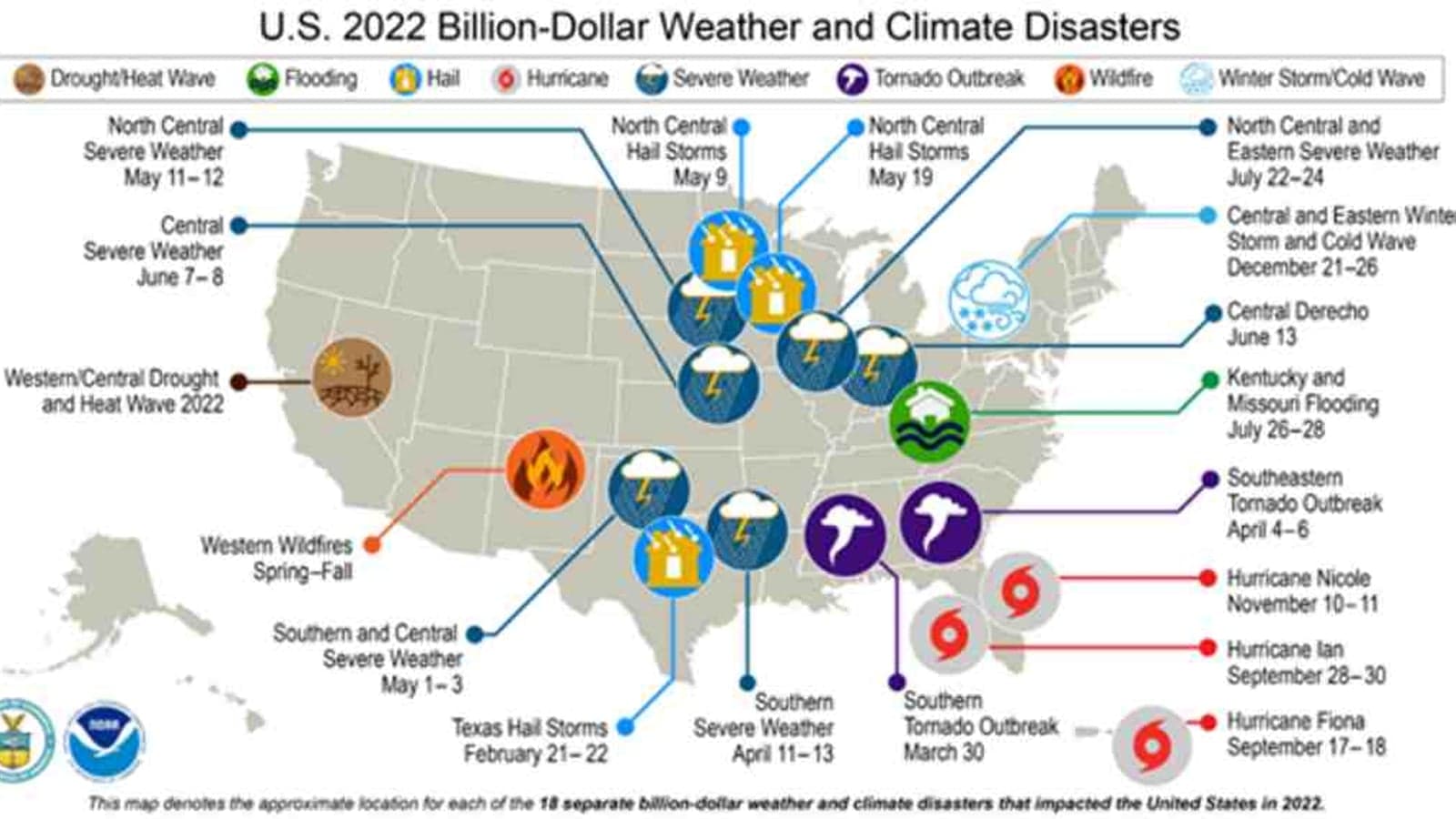
With the conflict in the Middle East, the ongoing war in Ukraine and the extreme weather plaguing the US in recent months, market fragility and disruptions should be expected.
Which begs the question: How do we, as the energy investment community, prepare?
Protective hedging
Well, one answer may just lie in hedging.
“The idea of hedging is that whatever you're selling or expecting to be using - if you have a fixed rate - to tie that in, reducing the time that can allow price swings,” explained John Swartz, senior VP of Risk360 for POWWR, a North Carolina-based software development company.
Swartz’ explanation of hedging and its benefits for investors came before the devastation of hurricane Helene across the southeast of the US, as well as Milton which then spared no time to batter Florida.
“When companies don’t hedge their risk and they're buying a year contract, they have a potential of a year for prices to swing, up or down. Especially if something happens with the weather, because nobody knows what the weather is going to be a month from now, let alone a year from now.
“If extreme weather comes and you're not protected, based on what your expected revenues versus costs are going to be, then you could be in a world of hurt and go bankrupt. From this, we've seen several clients go bankrupt within a day.”
And according to POWWR’s VP, Ian Palao, Hurricane Milton was a perfect example of how these schemes play out:
"Hurricane Milton is the perfect example of the need for large corporations who can be adversely impacted by devastating hurricanes - such as a large utility or a major theme park complex - to enter into a hurricane-related weather derivative, such as a “cat-in-a-box” trade that pays out when a hurricane of a certain intensity enters a specific latitude/longitude grid during a certain time period."
More from the Power Playbook:
China’s EV rush: How record-breaking sales will impact global markets
Energy VC: Batteries the new black
Project GALILEO: Innovative hedging in Europe
Hedging of course isn’t restricted to the US – it can be applied so long as an asset faces volatility or movements in pricing, explained Swartz.
In fact, one project has been innovating in the hedging space in mind of the new opportunities coming from new EU policies, including the Green Deal Industrial Plan, the Net Zero Industrial Act, the Critical Raw Materials Act and the Reform of the Electricity Market Design (EMD).
This is Project GALILEO, coordinated by Flemish research organisation VITO and Belgium-based EnergyVille.
The project will explore new financial instruments and advanced hedging strategies while aiming to unlock the untapped potential of industrial flexibility.
VITO senior researcher Helena Gerard explained: “More financial options and instruments are made available for industry to implement more advanced hedging strategies. Two main instruments are Power Purchase Agreements (PPA) and Contracts for Differences (CfD).
“PPAs allow companies to secure long-term, fixed-price contracts for renewable energy. CfDs ensure stable revenues to renewable energy projects by guaranteeing a fixed price for the electricity production for a predefined period of time.”
According to Gerard, project GALILEO will look at these options in detail as part of an overall risk management approach.
“In particular, GALILEO will analyse the possible design of these hedging instruments more in detail, focusing on which design of PPA and CFDs is best suited to protect industrials against price variations (level and volatility),” said Gerard.
With Europe’s next Commission taking office and the US elections taking place next week, energy markets, both in Europe specifically and globally, will likely be seeing some changes.
What are some of the key concerns you have when it comes to market volatility and what are some of the innovative forms of financing for us in the clean tech community?
Reach out and let me know so I can feature your thoughts here on the Power Playbook.
Cheers,
Yusuf Latief
Content Producer
Smart Energy International

Follow me on LinkedIn