ArcelorMittal delays decarbonisation plans citing EU policy gap
Pamela Largue
Posted on: 3 December 2024
Global steel and mining company ArcelorMittal has announced delays in decarbonisation investments due to a lack of favourable policy, technology and market conditions.
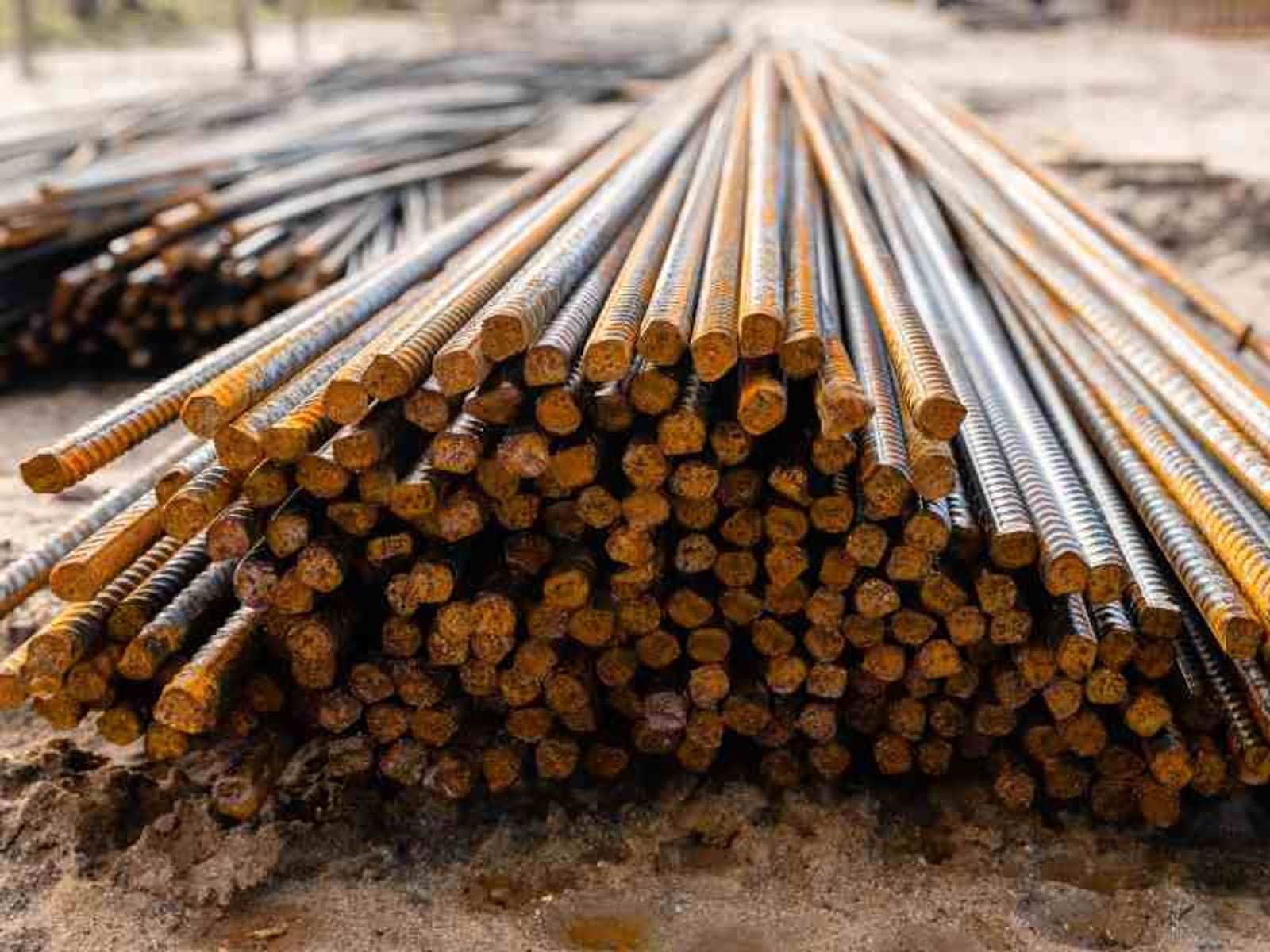
Global steel and mining company ArcelorMittal has announced delays in decarbonisation investments due to a lack of favourable policy, technology and market conditions.
The company stated in a release that one of the main reasons for postponing final investment decisions on decarbonisation projects is policy uncertainty. They emphasised weaknesses in the carbon border adjustment mechanism (CBAM) and weak trade protection measures in response to increasing imports due to China overcapacity.
Also, current market conditions would not offset the high capital and operating costs associated with transitioning and greening assets.
Finally, the slow growth of hydrogen and its lack of cost competitiveness is delaying the replacement of blast furnaces with lower carbon emissions hydrogen-ready facilities. The company has also found that customers are not yet willing to pay green premiums assocociated with producing greener products.
Have you read?
Harnessing waste heat to decarbonise cement and steel
Biomethane key to decarbonising Italy’s hard-to-abate sectors
Investment decisions will be delayed until there is full visibility on policy that "will ensure higher cost steelmaking can be competitive in Europe without a global carbon price."
Aditya Mittal, chief executive, ArcelorMittal, commented: “ArcelorMittal remains absolutely committed to decarbonisation...but the shape of how we will achieve this could differ from what was previously announced.
“We have been very grateful for the support offered to date by different governments to help accelerate this process. But the scale of the challenge requires further policy initiatives to unlock increased investment. We would have liked to move faster, but the reality is the regulatory environment required to support the business case for investments is not yet in place.
“I hope to see new policies coming into play that will support an accelerated transition. The Green Deal Industrial Plan and the Steel and Metals Action Plan, and the legislation flowing from them, will be important, as well as regulation to stimulate the demand signal. While we do have customers that want low-carbon steel, those that do and are willing to pay a premium are still very much in the minority.
“I expect policy decisions taken in 2025 will help bring clarity on how we will move forward to decarbonise our assets, taking advantage of our unique global profile, superior technology and raw materials mix and industry leading innovation.”
Policy support needed for Europe's steel industry
The European steel association (EUROFER) issued a statement this week calling for an ambitious European Steel Action Plan to address the crisis brought about by vanishing manufacturing value chains.
Axel Eggert, director general of EUROFER, commented: "The clock has already struck midnight. How many more plant closures, job losses, and stalled decarbonisation projects will it take before the EU and Member States wake up?
"Europe’s de-industrialisation is accelerating, with steel, automotive, renewables, and batteries all on the brink. Without immediate action, Europe’s manufacturing base will disappear. We urge the new European Commission and EU governments to stop this bloodshed and adopt swift measures on trade, CBAM, energy and steel scrap, while working on a structural solution to preserve our industry’s competitiveness.”
According to EUROFER, severity of the crisis is evident in the decreased domestic production, increased imports, job cuts and global steel overcapacity reaching 551 million tonnes in 2023 - four times the EU's annual steel production.
The Association is calling for the following:
- Assertive enforcement of the EU trade defence instruments, and a more robust tariffication regime to stop the destruction of the EU steel market by the spill-over impact of global steel excess capacity
- CBAM that works in practice, preventing circumvention or resource shuffling and preserving EU steel exports.
- Affordable clean energy by passing the benefits of renewable and low-carbon electricity to consumers.
- Retaining steel scrap in Europe for the circular economy, decarbonisation and energy security.
“This isn’t just about steel; it’s about all the value chains - from automotive to renewables - that depend on it. It’s about Europe’s resilience, prosperity, and climate leadership. Without urgent EU intervention, we face total dependence on China, the US, and other global competitors where industries thrive under favourable conditions. We stand ready to work with the new Commission to prevent this collapse. We need impactful measures now, instead of incremental improvements that fail to address root challenges such as global steel overcapacity and high energy prices," concluded Eggert.
Hália Oliveira, Global B2B Product and Operations Lead at EDP explains why industrial decarbonisation is a key pillar of the energy transition and which technologies hold the most promise to reach net zero.
Latest content
+4
CAPTUS: Demonstrating liquid renewable energy carrier production from captured carbon emissions
The CAPTUS project addresses the challenge of decarbonising energy intensive industries by demonstrating carbon capture and utilisation technologies integrating renewable electricity surplus.
- Guest/partner contributor
- 24/11/2025