Why EU Clusters are essential for Europe’s green and digital transformation
Areti Ntaradimou
Posted on: 20 May 2024
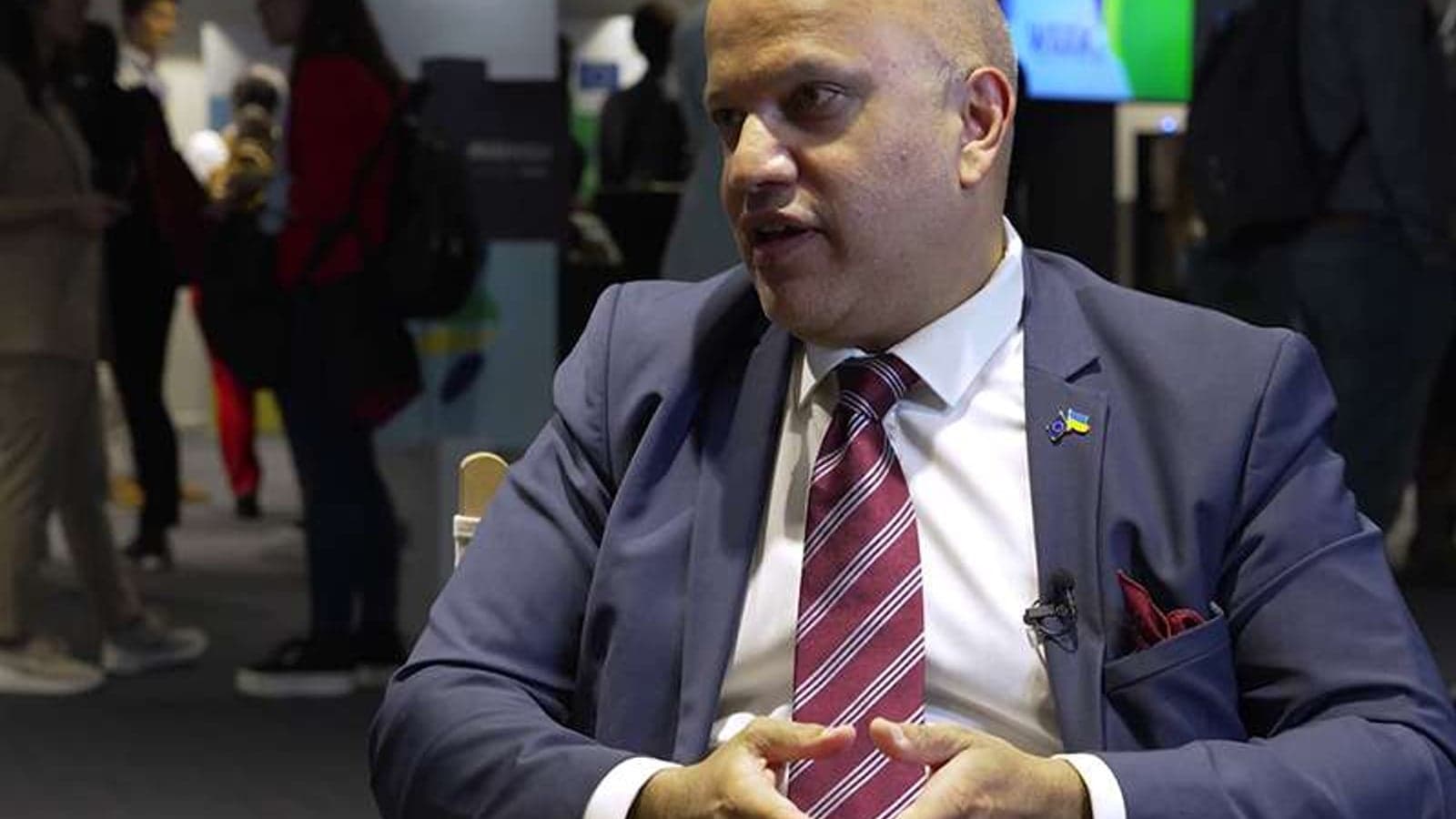
Enlit's Areti Ntaradimou interviews Antonio Novo - the president of the European Clusters Alliance (ECA) about the role of clusters in Europe's future energy sector.
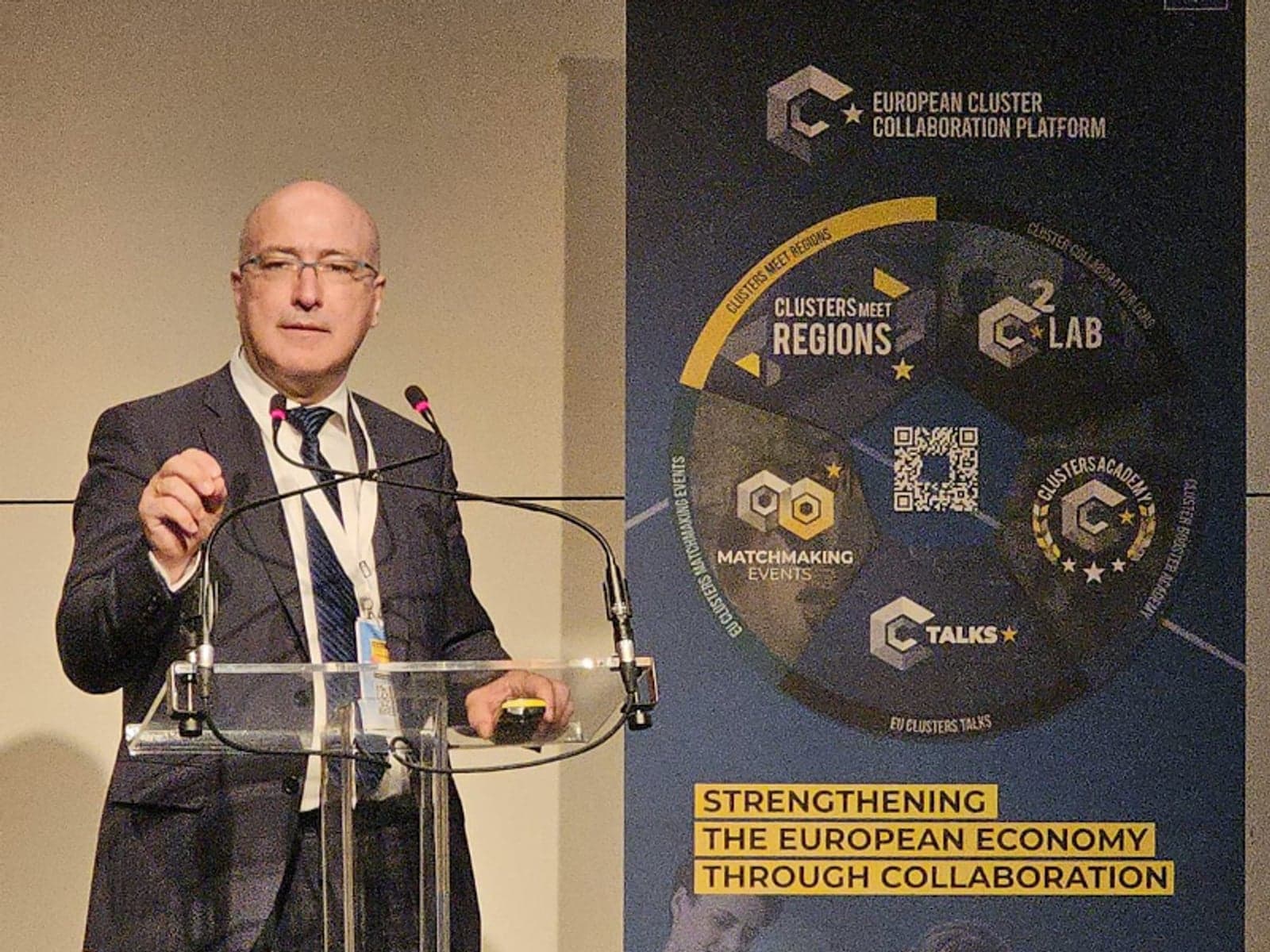
Antonio Novo - the president of the European Clusters Alliance (ECA) - strongly believes that collaboration, sustainable innovation ecosystems, and robust national and European policies will prove fundamental for the future of the energy sector in Europe.
Novo is also the Managing Director of Cluster IDiA, an Aragonese consortium of 81 companies and institutions committed to digital innovation.
I met him at the 9th edition of the European Cluster Conference, which was organised under the umbrella of the Belgian Presidency of the Council of the EU and took place at the Square Conference Centre in Brussels on 7-8 May, 2024. In our discussion, Novo, a prominent figure in the European industrial innovation landscape, delves into the critical role of clusters in driving Europe's Green and Digital Transformation. He also sheds light on the current challenges and opportunities facing the cluster community.
Why are clusters crucial in fostering Europe’s Green and Digital transformation?
Clusters are essential for Europe's Green and Digital transformation because they engage with industries continuously, promoting innovation and projects. Europe has around 1500 clusters that connect approximately 150,000 companies, including 16,000 large companies and numerous SMEs, universities, and medical centers. These clusters serve as key drivers of industrial policy, facilitating innovation across a vast number of enterprises.
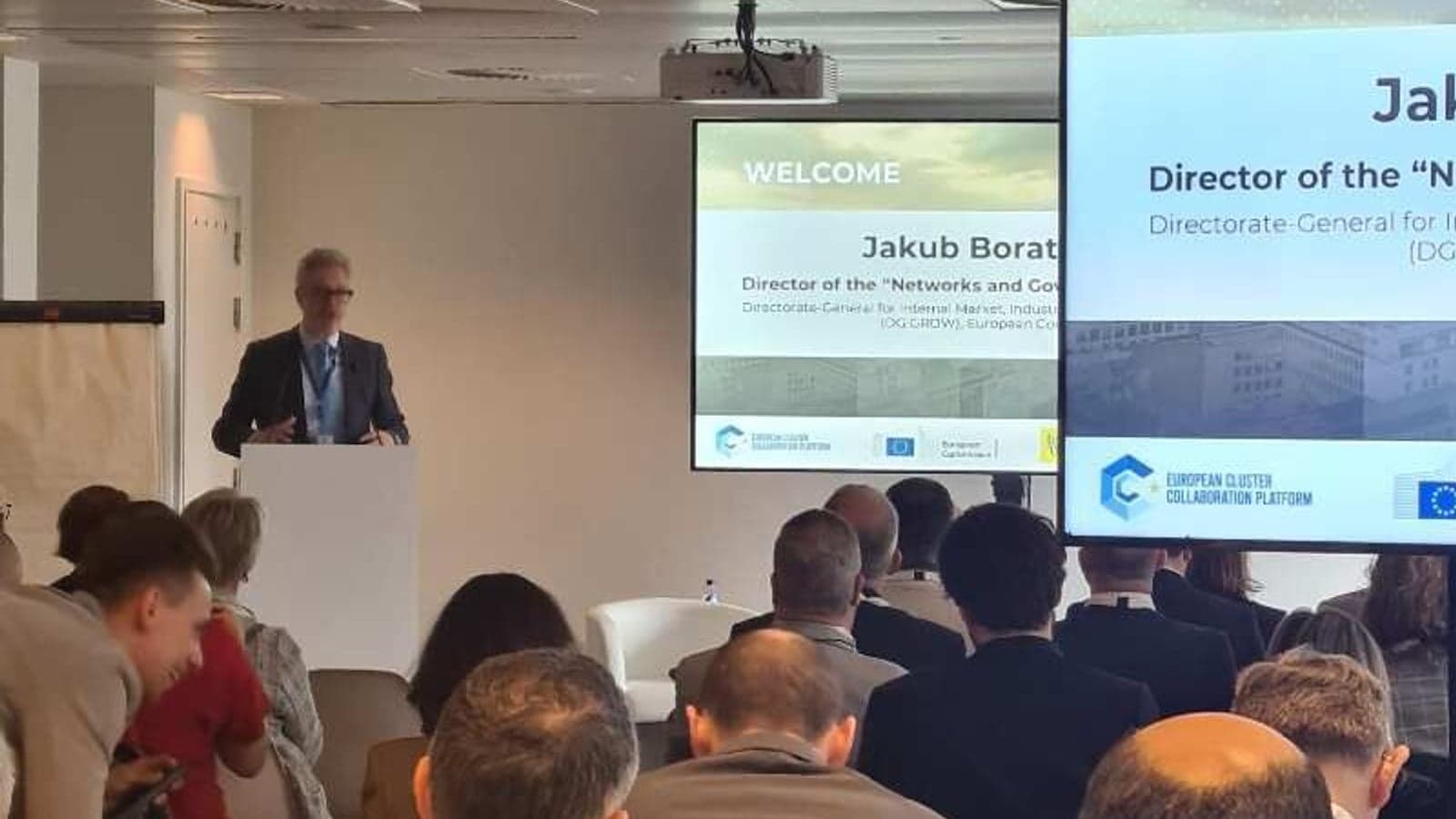
In his opening keynote at a side event earlier, Jakub Boratynski repeatedly said that there is a need for collaboration between the clusters. Do you agree, and why mention it so many times? Is it not happening already?
Collaboration between clusters is crucial, and while it does happen, it is often regional and project based. The emphasis on collaboration is to transition from isolated projects to sustained networks that build capacity and facilitate continuous innovation. Existing networks and associations, like the European Cluster Alliance, are vital but require more formal support and funding to be fully effective.
Jan-Philipp Kramer mentioned that national policy plays a significant role for the sector, and he mentioned that dedicated policy for clusters is important. Do you agree and can you elaborate?
Dedicated policies for clusters are important because they ensure structured support and recognition at both national and European levels. Previous programs like INNOSUP provided essential funding and support for SMEs through clusters, which have since disappeared, highlighting the need for reinstating, and reinforcing such policies to support broad-based industrial innovation.
In your keynote, you mentioned the need to shift from project funding to nurturing innovation ecosystems. Can you elaborate?
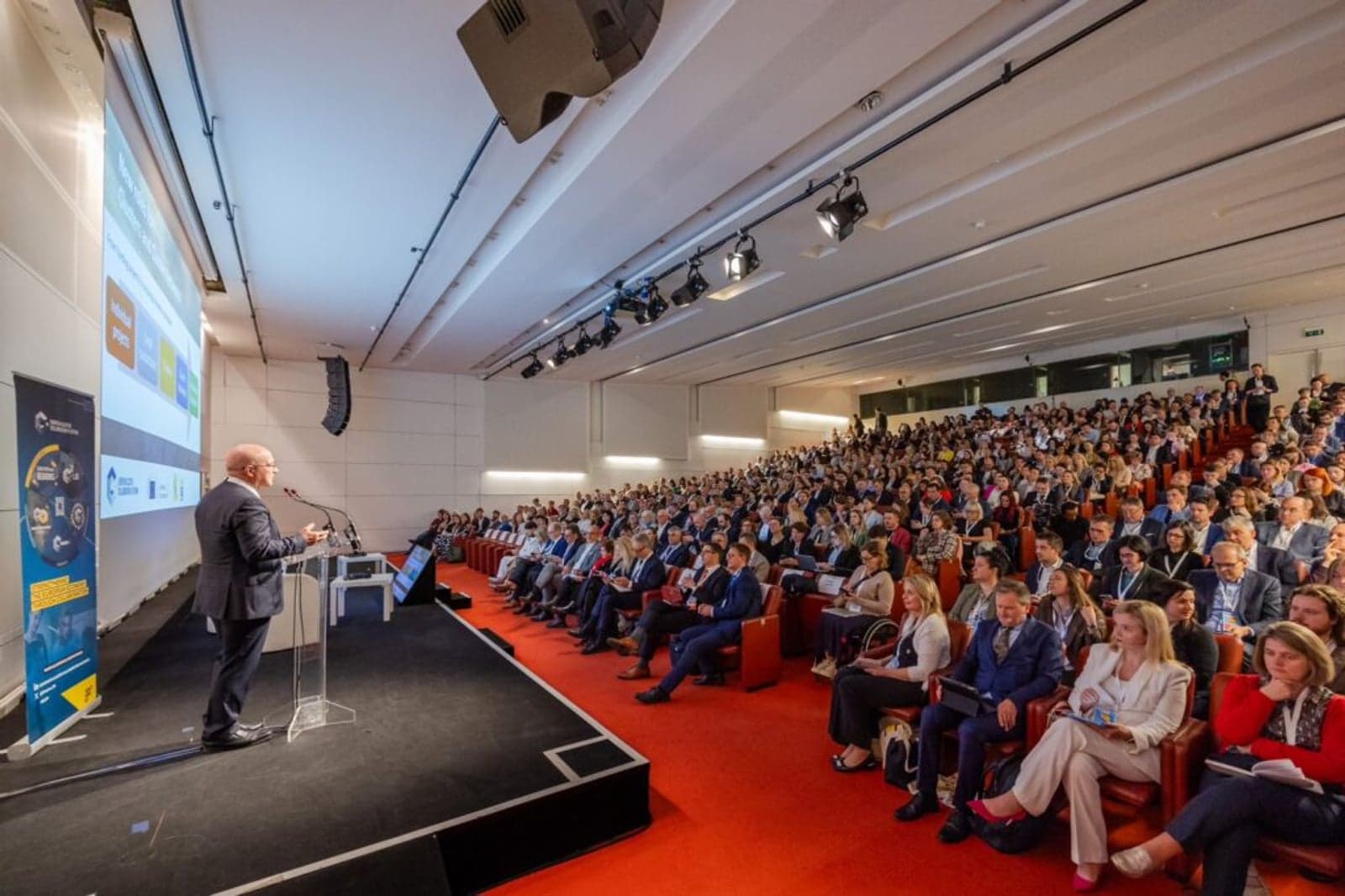
Shifting from project funding to nurturing innovation ecosystems is necessary because ecosystems encompass a broader range of actors and provide sustained support for innovation. This approach facilitates quicker and more effective responses to industry needs, supports a larger number of companies, and fosters a more integrated and agile innovation environment compared to isolated project-based funding.
Do you feel that enough is done at the national and European level when it comes to funding clusters?
More investment is needed at both national and European levels. Current funding, such as the €48 million for the 30 Euro clusters, is insufficient. While there are significant investments in excellence, broader support for a larger number of companies is lacking. A balanced approach that includes both high-level excellence and wide-scale industrial innovation is crucial.
Which are the main challenges you face?
I believe that the main challenges that European clusters face can be summarised in the following points:
- Insufficient investment in industrial innovation and ecosystem development.
- Regional disparities in cluster support and funding.
- The need to transition from project-based funding to continuous ecosystem support.
- Ensuring the involvement of a large number of companies in innovation efforts.
- Competing globally, especially against regions like China and the US, without losing the sustainability focus.
If you were given a magic wand, what would you use it for?
The priority would be to not miss the competitive train globally and therefore I would create realistic, well-supported, and agile innovation ecosystems that can keep up with and ideally outpace international competitors.
Related tags
Latest content
+1
The crucial role of clusters in fostering Europe's green and digital transformation
The European Cluster Conference kicked off in Brussels with a side event where European cluster representatives highlighted the critical role these clusters play in navigating the challenges and opportunities of today's dynamic economic landscape.
- Areti Ntaradimou
- 07/05/2024
+2
Reclaiming energy sovereignty: the EU’s strategic response to a fragmented global order
Alexandra Garatzogianni, EUSEW digital ambassador, explains why energy sovereignty is vital for strengthening Europe’s resilience, advancing innovation and securing strategic leadership in a geopolitically volatile world.
- Guest/partner contributor
- 01/07/2025