Four deep tech solutions that could impact the future of energy
Pamela Largue
Posted on: 18 June 2024
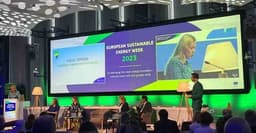
At this year's European Sustainable Energy Week, four deep tech entrepreneurs had the opportunity to showcase how their pioneering solutions could impact the future energy landscape.
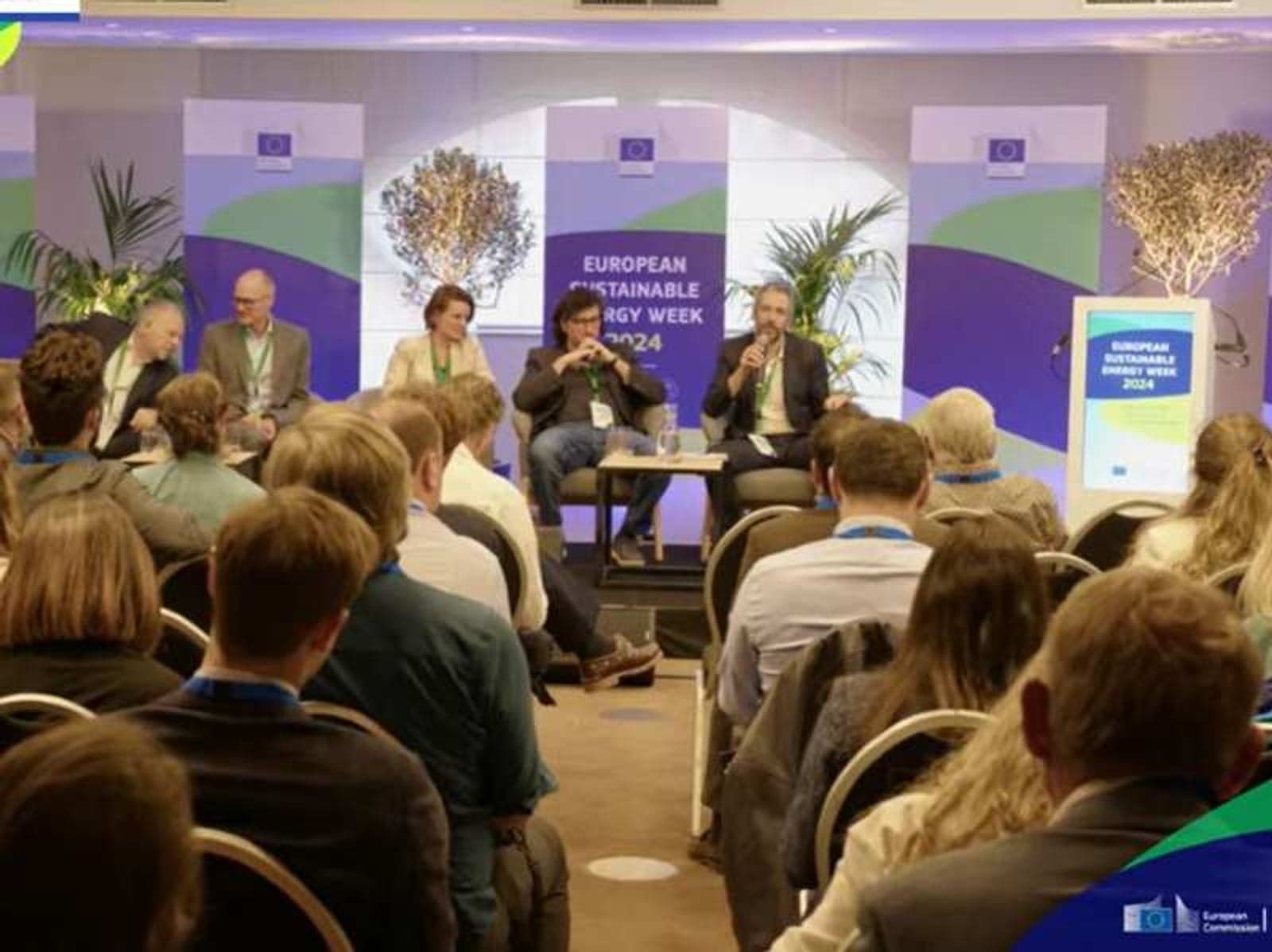
At this year's European Sustainable Energy Week, next-generation, deep tech entrepreneurs had the opportunity to showcase how their pioneering solutions could impact the future energy landscape.
Four innovators in the fields of storage, supercapacitors, biomass and solar had the opportunity to pitch their solutions in a session delivered by the European Innovation Committee.
The session focused on the importance of a sound business case to encourage investors and provided an opportunity for entrepreneurs to share lessons learned on their innovation journey.
Here are the four solutions:
1. C2C-NewCap

André Mão De Ferro founded and heads C2C-NewCap, a Portugal-based company that develops supercapacitor solutions for the automotive and electronic industry.
The team is developing a new energy storage device, a supercapacitor module with proprietary nickel carbon technology to replace traditional lead-acid batteries.
The hybrid solution, including a supercapacitor and Li-ion battery, is coupled with a smartphone application to monitor the amount of energy in the battery.
The goal is to stabilise energy fluctuations while contributing to efficient energy use with lower environmental costs.
De Ferro shared that ensuring a timely return on investment needed to be a key focus of the team during the development phase: "Our struggle here is...supercapacitors are amazing technology, but they are costlier, so you have to look at return on investment."
The team worked to ensure the solution offers a return on investment in about one year.
Also, they had to make a solution that is completely plug-and-play and easy to use. This is a challenge when designing a solution that fits what the customer wants. "Adaptability is key," he said, and the customer's point of view should always be the starting point," said de Ferro.
More news from European Sustainable Energy Week:
Does Europe have the industrial strategy to keep its renewables competitive?
Deputy Director-General Wörsdörfer urges next EU Commission to prioritise policy implementation
How can we boost Europe’s competitiveness?
2. Ligna Energy
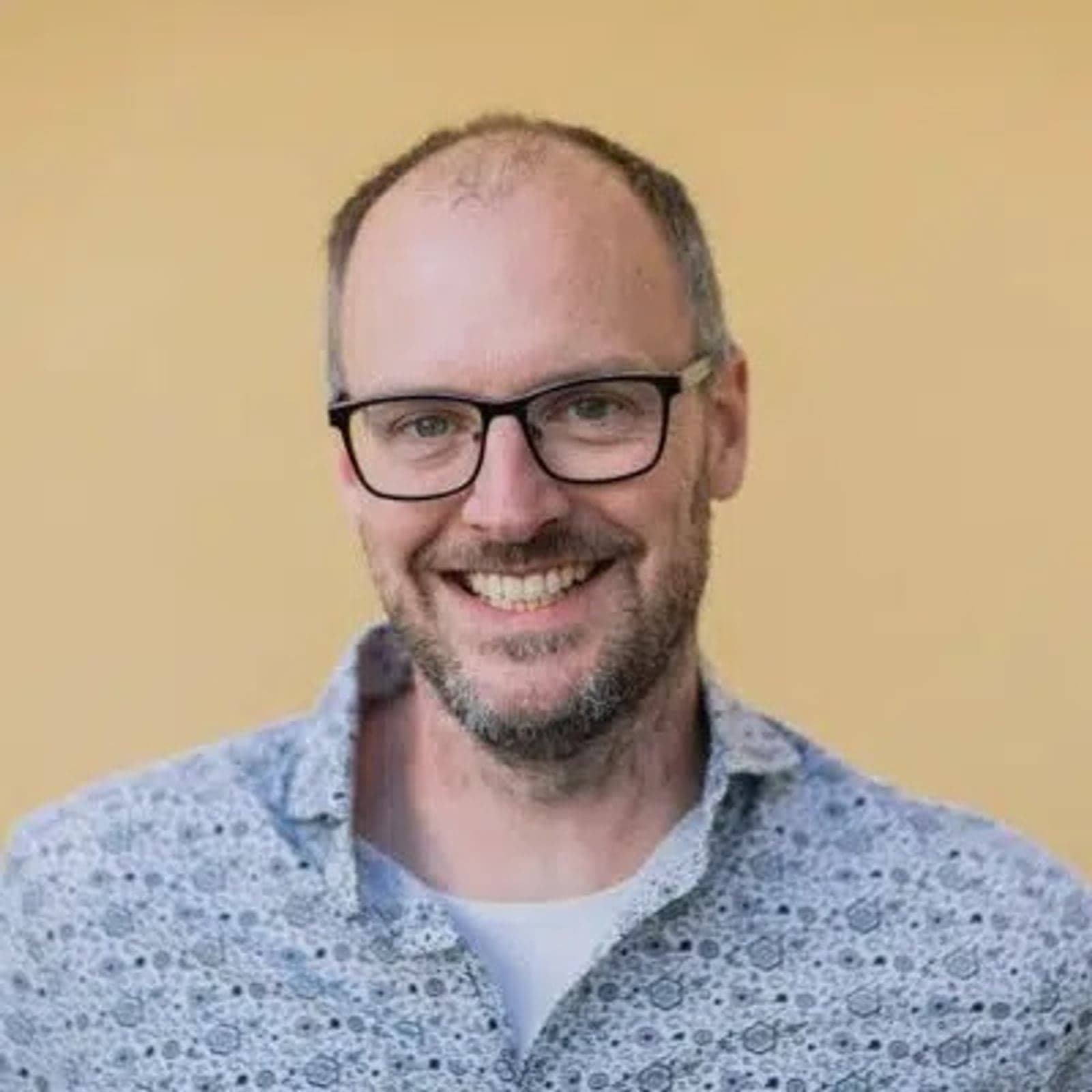
Jakob Backe, chief technology officer of Ligna Energy, explained how the company is working to replace traditional fossil-based batteries with their new energy storage technology.
Backe noted that about 80 million batteries from IoT devices are projected to be discarded daily by 2025, which is why they have developed a more sustainable supercapacitor designed for the IoT market.
This unique technology uses bio-based materials, making it easier and safer to dispose of. The thin supercapacitor also allows the monitoring of assets without adding unnecessary weight or bulk.
The team is currently looking for investment to scale up and run an automated production line allowing a continuous production flow.
Backe mentioned why he moved from a large, established company to Ligna Energy: "In a big company you don't get the time to work on real science, now we can."
3. Brite Solar
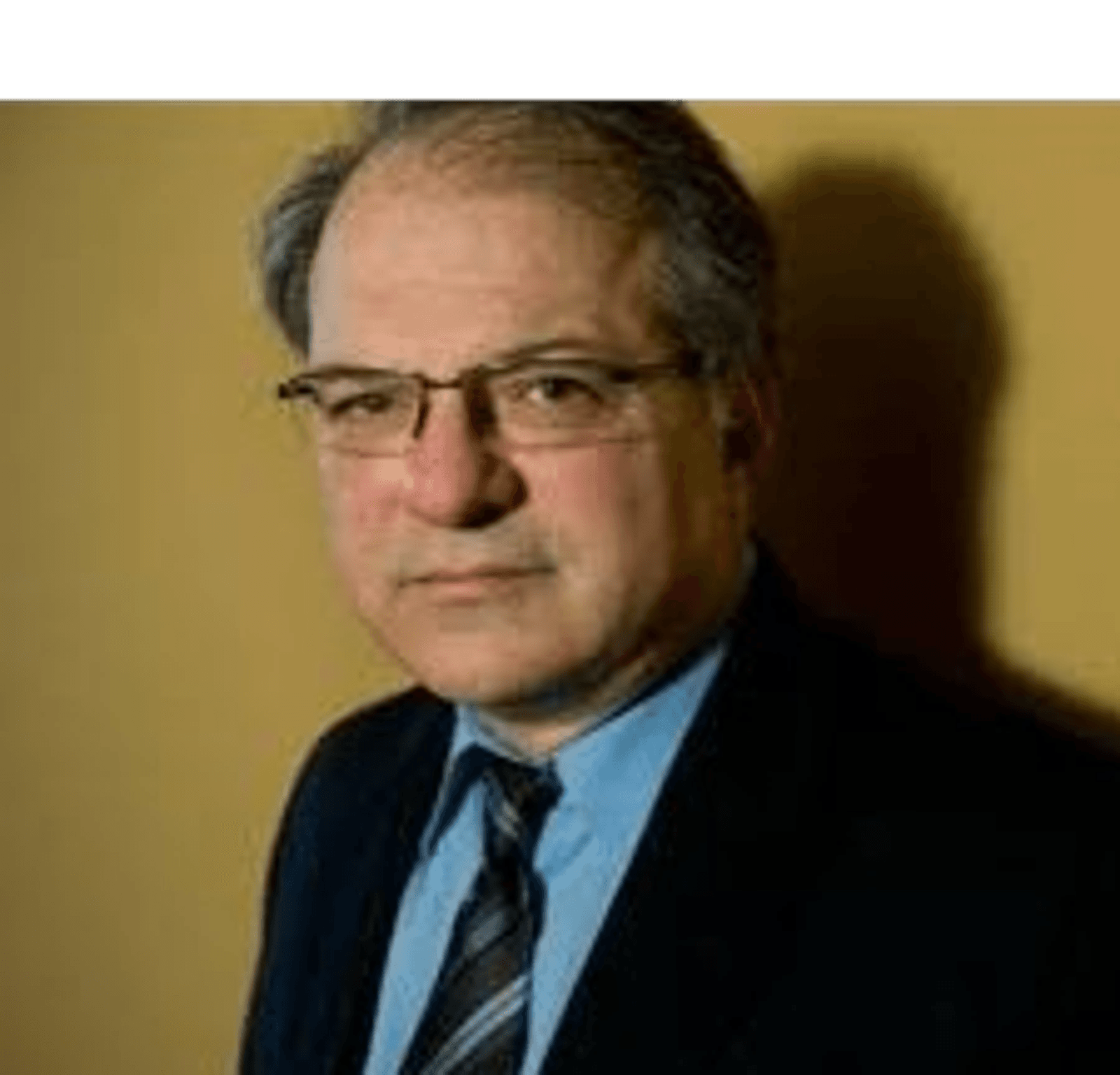
Nick Kanopoulos is president and CEO of Brite Solar, a nanomaterials company that develops innovative materials and deposition techniques to create glass materials for building construction.
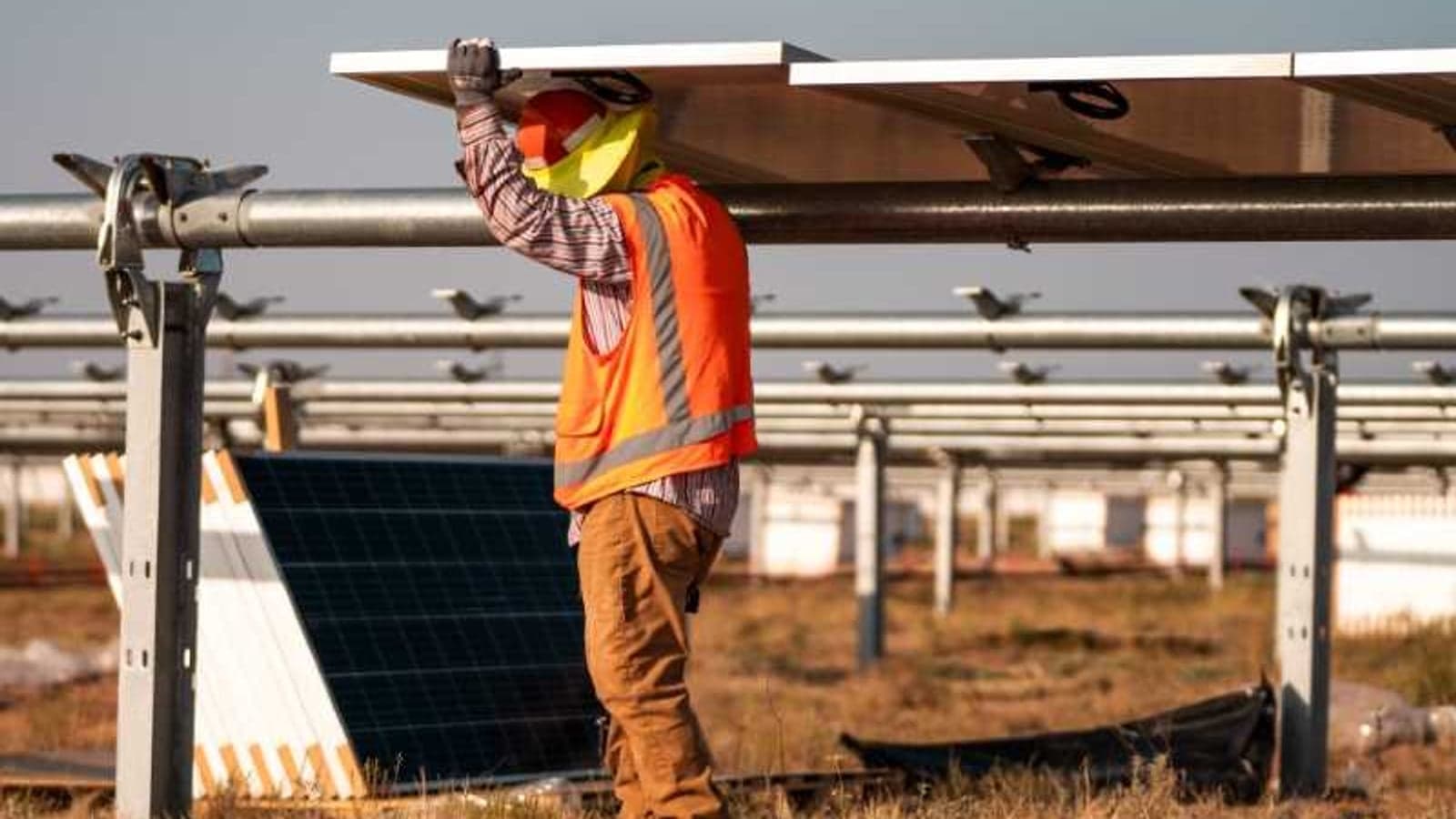
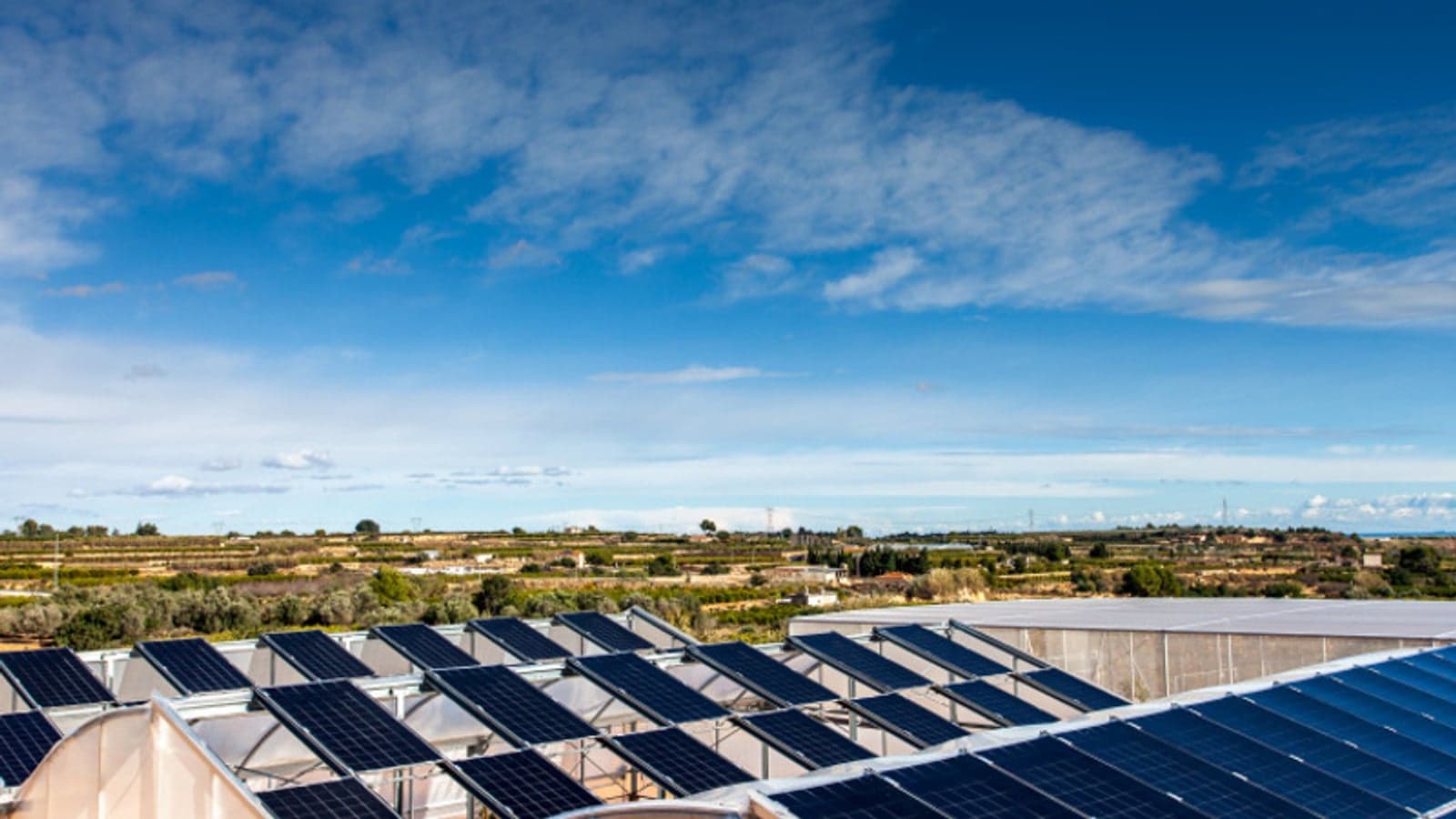
Brite Solar developed PanePower Solar Window, a unique transparent solar panel glass that generates clean energy through photovoltaics and allows light to pass through, a suitable solution for greenhouses and commercial buildings. This technology contributes to energy savings of up to 30% in buildings and reduces energy costs in greenhouses by 25%, while also supporting crop growth.
The core focus of the company is the food, water and energy nexus. "We need to increase food production," emphasised Kanopoulos, and therefore new technology is needed to increase agricultural yields while using less water, he explained. Greenhouse farming answers this question and greenhouses are a core target for this solar solution.
The company is able to customise a solution according to the farmer's requirements, ensuring the crop yield is not negatively impacted. They also offer real-time monitoring to ensure the solar solution has the optimal orientation at all times, maximising production.
According to Kanopoulos working in the agriculture space is unique. "A farmer will always put his crop first," he said. No matter if you offer additional revenue streams or energy efficiency, he explained, the most important consideration is always the crop yield.
4. Lixea

Krisztina Kovacs-Schreiner is the CEO of Lixea, a scale-up that uses patented technology to convert waste wood and agricultural waste into sustainable materials and fuels.
It is a new approach to wood waste management, diverting it from landfills and incineration facilities to create valuable materials like cellulose and lignin. The process can handle all types of woody material and is compatible with metal and organic contaminants.
Using ionic liquids for biomass processes is a world first, stated Kovacs-Schreiner, who believes their solution can unlock the value of biomass which is largely untapped.
Kovacs-Schreiner invited attendees to visit their pilot plant: "If you happen to be in Sweden come and see us...It's a great platform for us to show the customers when they walk through the door, they say wow it's big, wow it smells nice and wow, it's very simple..."
Latest content
+5
ECOLOOP: Pioneering renewable energy and circularity in agriculture
Project ECOLOOP is on a mission to include the agricultural sector in the energy transition through renewable energy integration and the promotion of circular farming practices. Enlit on the Road travelled to Valencia to find out how the project is taking shape.
- Julia Kramer
- 25/03/2025
+5
ECOLOOP: Empowering rural communities for the energy transition
The ECOLOOP project is transforming how rural communities manage land, waste and energy by equipping farmers and foresters with tools, knowledge and innovative business models to harness renewable energy, improve soil health and cut carbon emissions, while generating new economic opportunities.
- Guest/partner contributor
- 10/06/2025