ECOLOOP: Pioneering renewable energy and circularity in agriculture
Julia Kramer
Posted on: 25 March 2025
Project ECOLOOP is on a mission to include the agricultural sector in the energy transition through renewable energy integration and the promotion of circular farming practices. Enlit on the Road travelled to Valencia to find out how the project is taking shape.
Project ECOLOOP is on a mission to include the agricultural sector in the energy transition through renewable energy integration and the promotion of circular farming practices. Enlit on the Road travelled to Valencia to find out how the project is taking shape.
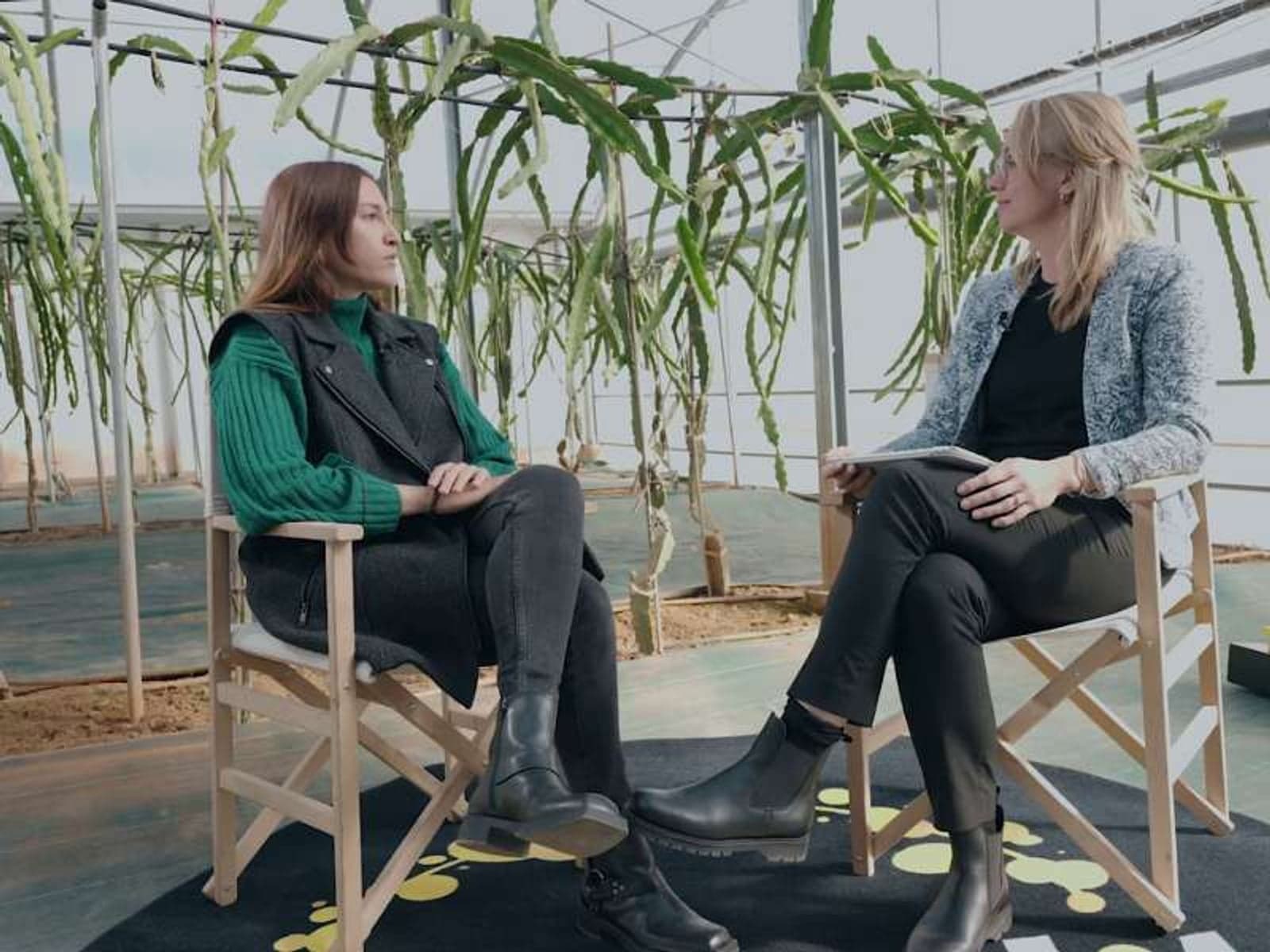
When Sheila Sánchez welcomes Enlit on the Road to ECOLOOP’s Picassent project site, about 20 kilometres outside the city centre of Valencia, Spain, the sun has just come out, but it is still freezing cold.
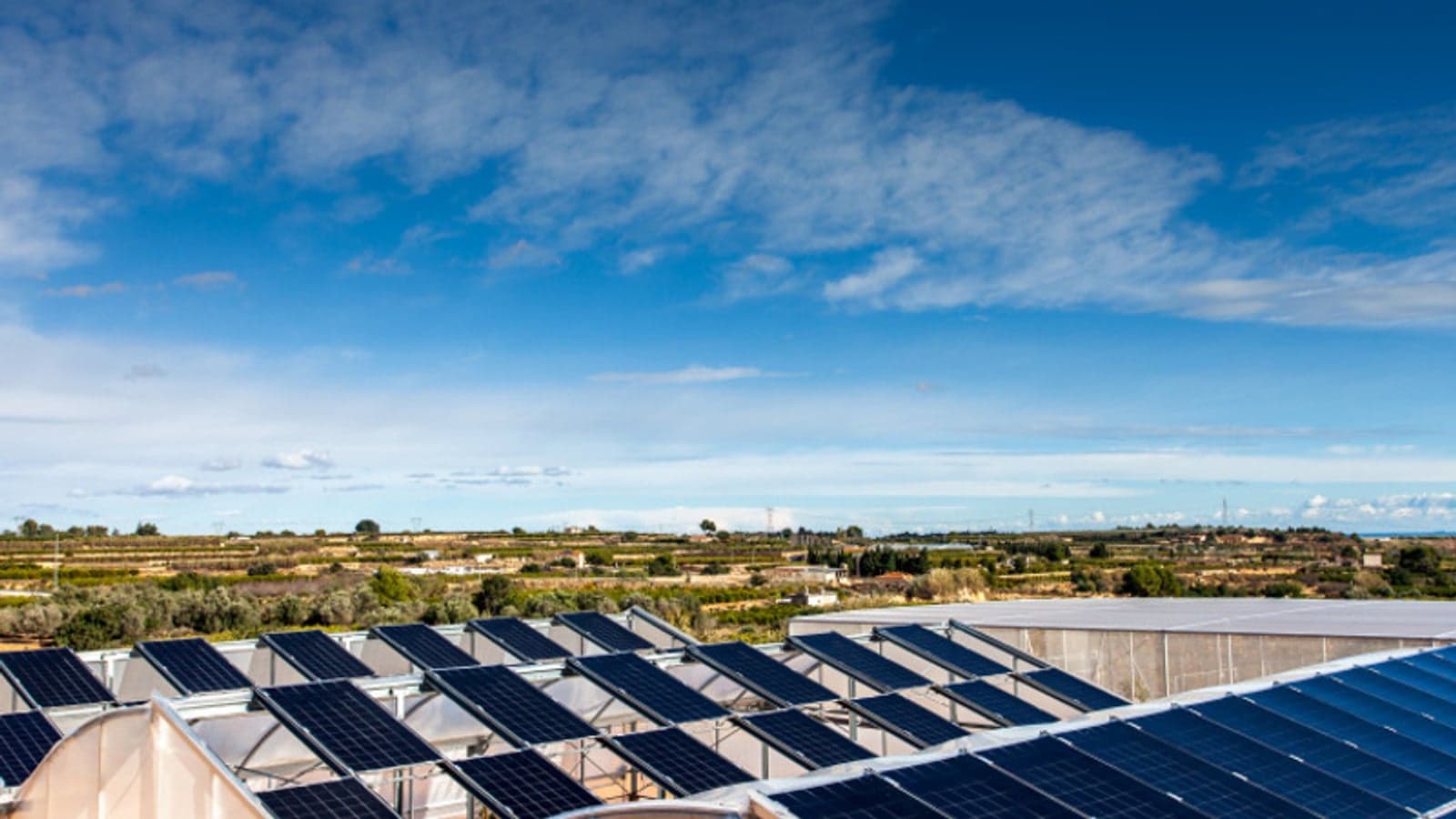
The temperature rises quickly once we sit down in one of the solar-PV-powered greenhouses on the project site.
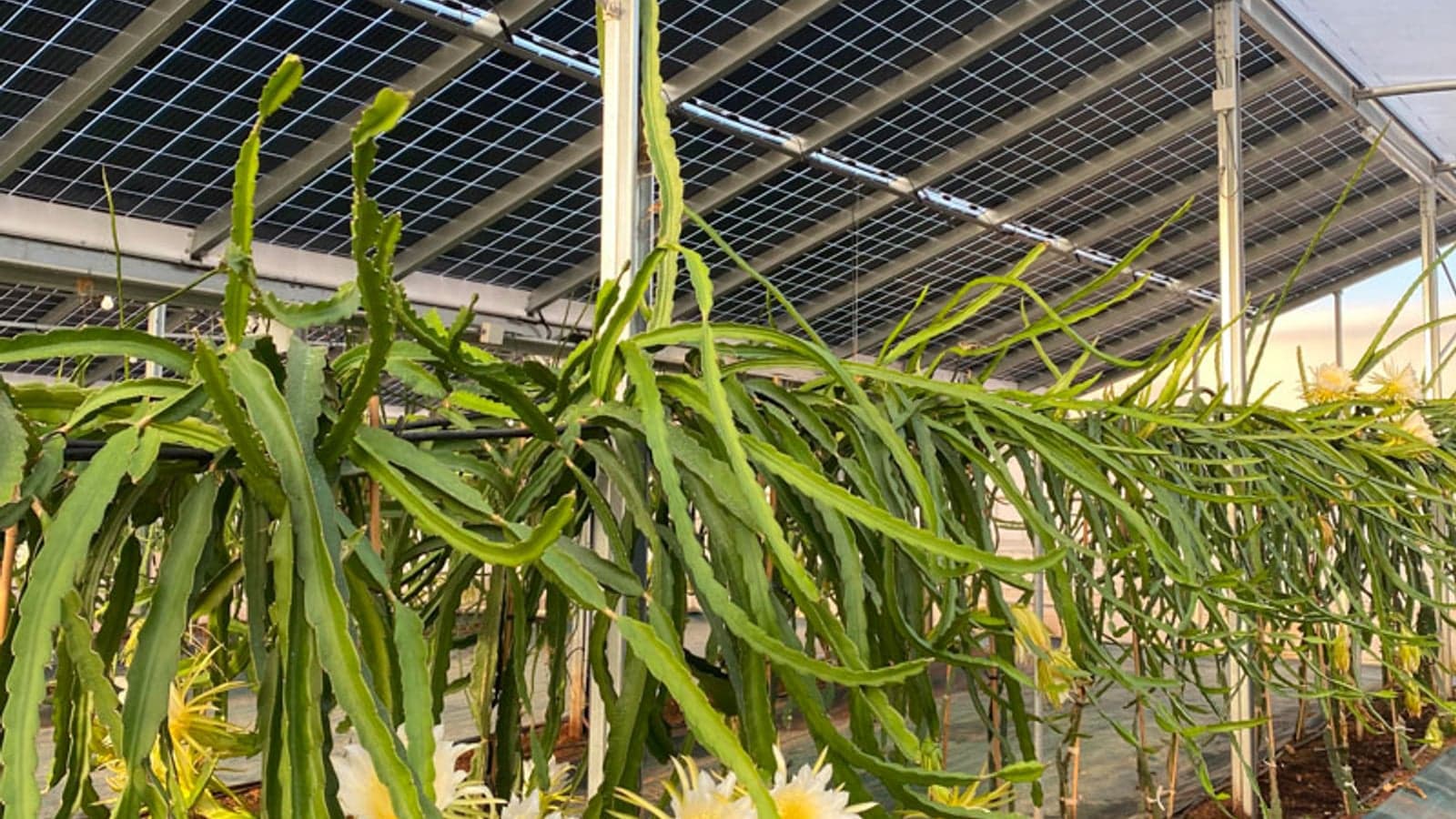
Surrounded by dragon fruit plants, Sánchez explains that the greenhouse will soon also make use of heat that is coming from the subsoil on the surrounding crop fields. This geothermal system is just one of the many technological innovations that are tested as part of project ECOLOOP.
“At ECOLOOP, we try to develop and demonstrate a set of seven solutions in four pilot sites,” she says.
“By the development of these solutions, we are trying to reduce the carbon footprint in rural areas to promote the integration and high penetration of different energy resources such as biogas, biomass, agri-PV and geothermal.”
Through the integration of different renewable energy sources, ECOLOOP tries to enhance resilience in rural areas, boost circularity and sustainability, reduce groundwater contamination and have positive effects on biodiversity and soil health.
As a biotechnologist and the project coordinator of ECOLOOP, Sánchez believes that it is of crucial importance to include agricultural communities in the energy transition, because farmers are major consumers of energy and could be key contributors to renewable energy production.
“So by helping all these rural energy communities to have access to the innovations that are going to be developed in this project that will be so helpful in order to reduce the dependence on fossil fuels.”
ECOLOOP's Picassent project site
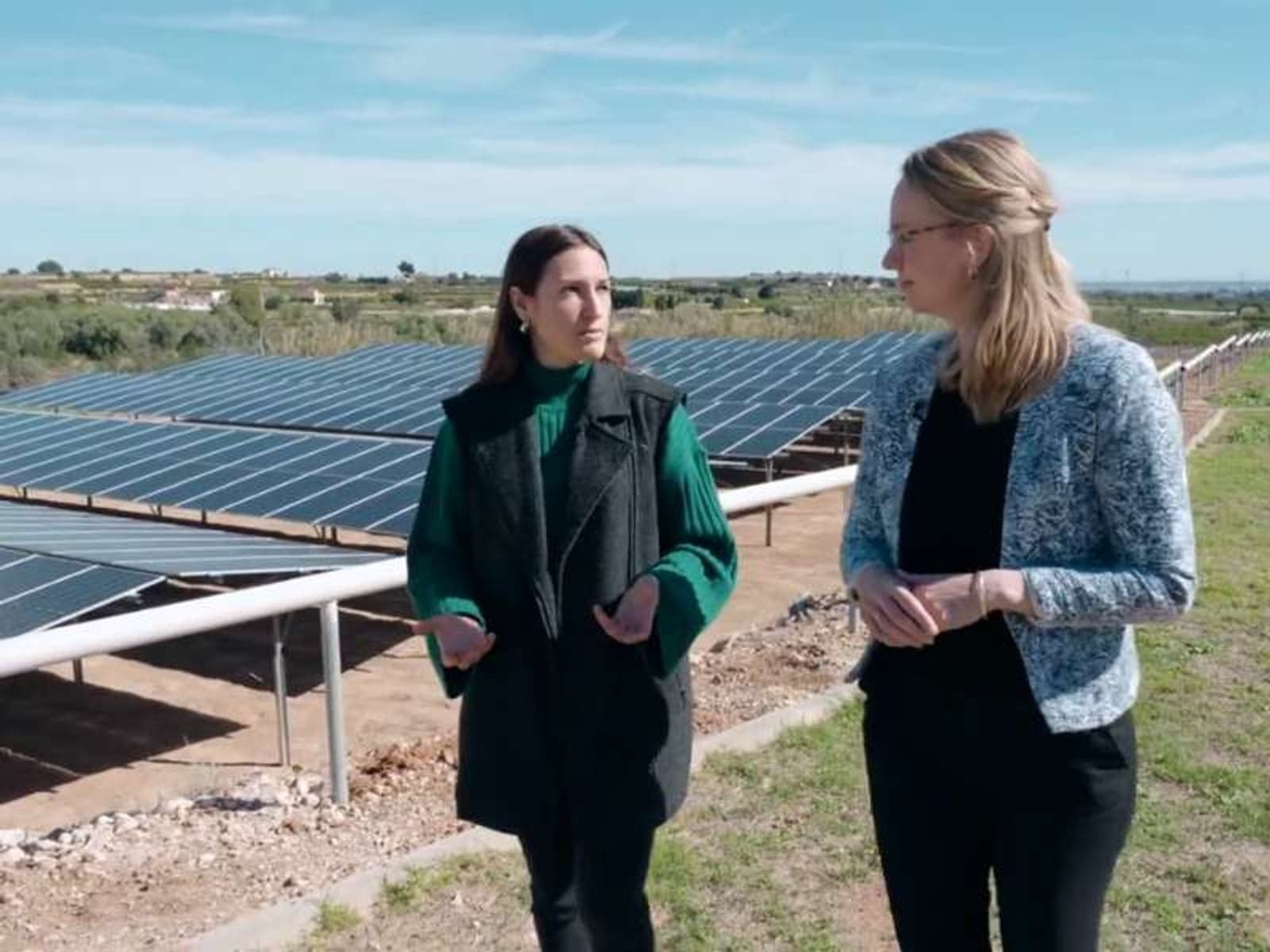
So far, the agri-PV system is fully operational. As soon as spring arrives, crops such as avocado and kiwi will be planted, explains Sánchez while walking through the fields covered by solar panels.
“This system makes land more efficient because we are producing energy from the solar PV panels. But also we are using the land for the crop production.”
More from Enlit on the Road Valencia:
Inside La Muela: Europe’s largest pumped storage hydropower plant
How Valencia is decarbonising port operations with hydrogen
The project is in the process of constructing the biogas plant. “This biogas plant will be used to optimise the agricultural waste management, introducing all the organic matter into the biogas plant, and from here to obtain a high valuable product that is the biogas itself, reducing the methane emissions.”
However, the project doesn’t only focus on the integration of different renewable energy sources. Sánchez explains that it is also about circularity and enhancing the biological, chemical, and physical qualities of soil.
The name of the project says it all, laughs Sánchez: “There is a loop. There is an improvement in the circularity.”
Buy-in from the agricultural communities
The EU-funded ECOLOOP project has been running since 2023, and besides the technological innovations that are tested, it is also focused on getting buy-in from the rural farming communities.
That wasn’t always easy, explains Sánchez, because the farmers are used to traditional agriculture. Their attitude changed after an engagement process. “After showing them all the benefits or the reduction cost in time in production that they can obtain from the development of the project tools, they are now happy and open to introducing the new project tools into their fields.”
To support the farmers in this process, ECOLOOP has developed software that collects and analyses all the data from sensors that are installed all around the plant. “Then from this data, it generates recommendations for farmers in order for them to make data-driven and better decisions, for example, in the irrigation system or the fertilizers,” explains Sánchez.
Comparing results across Europe
The Picassent project site is the only site in Spain. The other three are located in Slovenia, Estonia and Bulgaria.
This way, the technology can be tested under different circumstances.
“The knowledge share of best practices from one pilot to another is really relevant to achieve that flexibility, the adaptability of the solutions,” says Sánchez.
From the pilot site, located on a small hill, you can see the ocean and the port of Valencia far away in the background. “Valencia has a lot of agricultural areas and it is a very important sector here”, explains Sanchez.
"To have different crops helps in demonstrating the reliability and the feasibility of the project because it depends on the season for having different crops, and see if the effects of the solutions deployed are equal or similar from one season to another, and if they affect in a similar way to different crops."

Related tags
Most popular
Join the community for freeAnd get access to all content
Related companies
ETRA I+D
Related projects
ECOLOOP
+2
1 October 2023 - 30 September 2027
View projectLatest content
+5
ECOLOOP: Empowering rural communities for the energy transition
The ECOLOOP project is transforming how rural communities manage land, waste and energy by equipping farmers and foresters with tools, knowledge and innovative business models to harness renewable energy, improve soil health and cut carbon emissions, while generating new economic opportunities.
- Guest/partner contributor
- 10/06/2025
+6
From data to decisions: ECOLOOP powers smart farming with renewable energy
Across Europe, rural communities are facing the dual challenge of increasing agricultural productivity while reducing energy consumption and carbon emissions. The ECOLOOP project, funded by Horizon Europe and coordinated by ETRA I+D, is tackling this challenge head-on.
- Guest/partner contributor
- 23/09/2025
+6
Innovative solutions for a greener rural future: Inside the ECOLOOP project
As Europe pushes forward with its green transition, the ECOLOOP project is showing how rural areas can lead the way, not just by adopting clean energy, but by transforming how we manage land, waste and biodiversity.
- Guest/partner contributor
- 21/08/2025